Terry McAuliffe and the Restoration of Voting Rights: A Legal and Political History
Terry McAuliffe, the 72nd Governor of Virginia, utilized his executive clemency powers to restore voting rights to more than 173,000 former felons who had completed their sentences. Despite a 2016 Virginia Supreme Court ruling that str...
Terry McAuliffe, the 72nd Governor of Virginia, utilized his executive clemency powers to restore voting rights to more than 173,000 former felons who had completed their sentences. Despite a 2016 Virginia Supreme Court ruling that struck down his attempt at blanket restoration, his persistent individual-order approach fundamentally reshaped Virginia's electorate and civil rights landscape.
Contents
The Historical Context of Disenfranchisement in Virginia
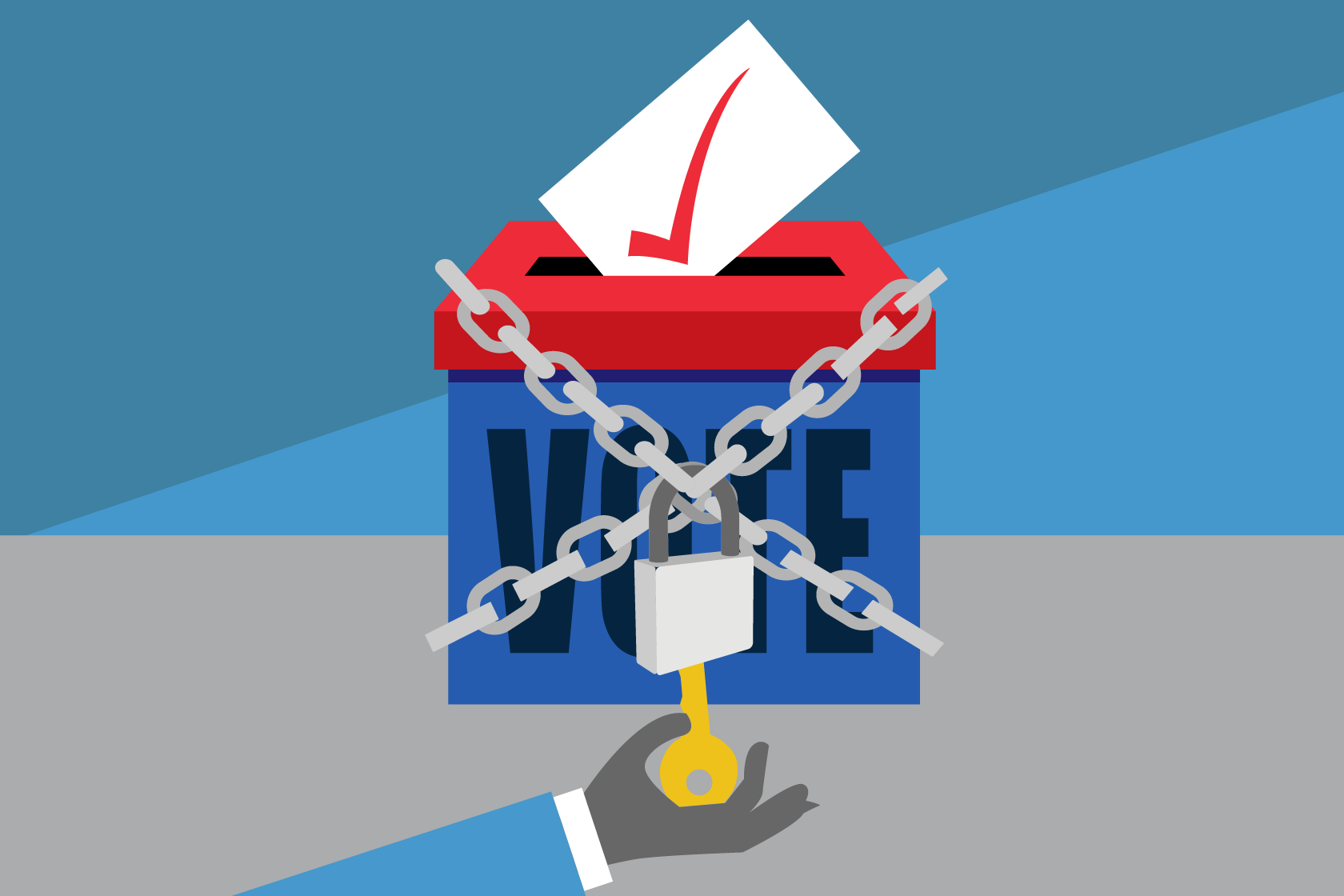
To understand the significance of Terry McAuliffe’s actions, one must first look at the legal framework he sought to dismantle. For over a century, the Commonwealth of Virginia operated under one of the most restrictive disenfranchisement policies in the United States. The state’s 1902 Constitution was intentionally drafted with the primary goal of suppressing Black political participation. Among its provisions was a lifetime ban on voting for anyone convicted of a felony, unless the Governor personally intervened to restore those rights.
This system created a permanent class of "civilly dead" citizens. By the time McAuliffe took office in 2014, Virginia was one of only a handful of states that did not provide any automatic path to rights restoration. The process was entirely discretionary, often opaque, and backlogged by years of bureaucratic delay. Statistics from the era showed that approximately one in five Black Virginians were disenfranchised due to these laws, a disparity that McAuliffe frequently cited as a moral and democratic failure.
The 2016 Executive Order: A Bold Legal Maneuver
On April 22, 2016, Governor Terry McAuliffe issued a sweeping executive order intended to restore the voting rights of over 206,000 Virginians who had completed their sentences, including parole and probation. This was not a piecemeal effort; it was a categorical restoration intended to bypass the traditional case-by-case application process.
The Scope of the Order
The order applied to individuals who met three primary criteria:
- Completion of Sentence: They must have been fully released from the custody of the Department of Corrections.
- Completion of Supervision: They must have finished any required parole or probation.
- Specific Felony Class: The order initially targeted non-violent and violent offenders alike, provided their active court supervision had ended.
McAuliffe argued that Article II, Section 1 of the Virginia Constitution, which states that the Governor has the "power to remove political disabilities," granted him broad authority to act. His administration contended that "the Governor" could exercise this power over a group of people just as easily as an individual.
The Judicial Challenge: Howell v. McAuliffe
The 2016 executive order was immediately met with fierce opposition from the Republican-led General Assembly. House Speaker William J. Howell and Senate Majority Leader Thomas K. Norment Jr. filed a lawsuit, Howell v. McAuliffe, arguing that the Governor had overstepped his constitutional authority.
In July 2016, the Virginia Supreme Court ruled 4-3 in favor of the plaintiffs. The court’s majority held that the Governor did not have the authority to issue a blanket restoration of rights. The justices reasoned that the power to "remove political disabilities" was intended to be an act of executive mercy toward specific individuals, not a tool to rewrite state law or alter the status of an entire class of people.
The ruling was a significant setback. It effectively canceled the voter registrations of tens of thousands of people who had already signed up to vote following the April order. For many, this created confusion and a sense of betrayal, as they were once again told they were ineligible to participate in the democratic process.
The "Autopen" Strategy and Individual Restorations
Following the Supreme Court's decision, McAuliffe did not concede. Instead, he pivoted to a more labor-intensive but legally sound strategy. He announced that he would sign individual restoration orders for every person affected by the ruling.
To manage the sheer volume of paperwork, his administration utilized an autopen—a machine that mimics a handwritten signature—to sign thousands of individual documents. Each document contained the name of a specific individual, thereby satisfying the court's requirement for "individualized" consideration.
By the end of his term in January 2018, McAuliffe had signed approximately 173,166 individual orders. This remains the highest number of rights restorations by any governor in United States history.
Comparative Policies: Rights Restoration in Virginia
The approach to rights restoration has fluctuated significantly under different Virginia administrations. The table below compares the policies and outcomes from the McAuliffe era through the current landscape in 2026.
| Governor | Primary Strategy | Impact/Result | Legal Standing |
|---|---|---|---|
| Terry McAuliffe (2014-2018) | Attempted blanket restoration; shifted to mass individual orders via autopen. | Restored rights to ~173,000 individuals. | Supreme Court ruled against blanket orders; upheld individual orders. |
| Ralph Northam (2018-2022) | Streamlined the process; eliminated the requirement to pay court fines/costs first. | Restored rights to ~126,000 individuals. | Continued the individual-order precedent set by McAuliffe. |
| Glenn Youngkin (2022-2026) | Reverted to a discretionary, non-automatic application process with undisclosed criteria. | Significantly lower restoration rates; sparked new litigation. | Legal but highly criticized for lack of transparency. |
| Current Status (2026) | Ongoing legislative debate regarding a constitutional amendment for automatic restoration. | Fluctuates based on current executive priorities. | Subject to the 1902 Constitutional framework unless amended. |
Administrative and Procedural Requirements
For an individual to have their rights restored during the McAuliffe and Northam years, a specific administrative workflow had to be followed. This process involved several state agencies working in tandem.
The Verification Process
- Department of Corrections (DOC): The DOC would identify individuals who had completed their active incarceration and supervision periods.
- Secretary of the Commonwealth: This office acted as the clearinghouse. Staff verified that the individual had no pending felony charges and had satisfied the basic criteria for restoration.
- Governor's Review: Once verified, the name was added to a list for the Governor to sign an individual order.
- Department of Elections: Upon the signing of the order, the information was transmitted to the Department of Elections, which updated the voter registration databases to allow the individual to register.
It is important to note that the restoration of "political disabilities" in Virginia generally refers to three specific rights: the right to vote, the right to run for public office, and the right to serve on a jury. It does not automatically restore firearm rights, which requires a separate petition to a circuit court.
Legacy and the Movement Toward Reform
McAuliffe’s actions catalyzed a national conversation about the disenfranchisement of former felons. His work demonstrated that executive power, while limited by judicial oversight, could still be used to effect massive social change.
The impact was not merely legal; it was demographic. By restoring rights to over 170,000 people, McAuliffe altered the composition of the Virginia electorate. While critics argued this was a partisan move to benefit the Democratic party, proponents argued it was an essential step in rectifying the racist legacy of the 1902 Constitution.
As of 2026, the legacy of this era is seen in the continued push for a constitutional amendment. Advocacy groups like the ACLU of Virginia and the Brennan Center for Justice continue to argue that the right to vote should be automatically restored upon completion of a sentence, removing it from the political whims of the sitting governor.
Frequently Asked Questions
Did Terry McAuliffe's actions allow violent felons to vote?
Yes, the restoration orders applied to individuals who had completed their sentences for both violent and non-violent felonies. McAuliffe’s position was that once a person had "paid their debt to society" by completing their sentence and supervision, their civil rights should be returned regardless of the nature of the original crime.
What happened to the people whose rights were revoked by the Supreme Court?
After the Virginia Supreme Court struck down the blanket order in 2016, the registrations of those who had signed up were temporarily invalidated. However, McAuliffe systematically issued individual orders for those people, allowing the vast majority of them to re-register before the 2016 general election.
Does restoration of rights include the right to own a gun?
No. In Virginia, the Governor’s restoration of political disabilities only covers voting, holding public office, and serving on a jury. To restore the right to possess or transport a firearm, a person must petition the circuit court in the jurisdiction where they reside, as per Section 18.2-308.2 of the Code of Virginia.
Is the restoration process automatic in Virginia today?
No. As of 2026, Virginia remains one of the few states where the constitution requires the Governor to personally restore rights. While some governors have made the process nearly automatic through administrative efficiency, others have returned to a strictly discretionary model.
Can a person with a felony conviction from another state vote in Virginia?
If a person was convicted of a felony in another state and has had their rights restored by that state, Virginia generally recognizes that restoration. If the rights were not restored in the state of conviction, the individual must seek restoration from the Governor of Virginia if they are now a Virginia resident.
Practical Recommendations for Affected Individuals
If you or someone you know has a felony conviction in Virginia and is seeking to have their voting rights restored, the following steps are recommended as of 2026:
- Verify Eligibility: Ensure that all periods of incarceration, parole, and probation have been fully completed.
- Check Current Status: Visit the Secretary of the Commonwealth’s website to check if your rights have already been restored. There is often a searchable database available.
- Submit an Application: If your rights are not restored, you may need to submit a formal request. Given the changes in policy under different administrations, it is vital to provide accurate contact information and documentation of sentence completion.
- Register to Vote: Restoring your rights is only the first step. Once you receive a restoration grant, you must still register to vote through the Virginia Department of Elections.
- Consult Legal Aid: If you encounter bureaucratic hurdles or are unsure of your status, contact organizations such as the Virginia State Bar or local civil rights legal clinics for assistance.
Image Gallery