Movies Connected to Welcome to Derry: The Complete Viewing Guide and Canon
The television series It: Welcome to Derry directly connects to director Andy Muschietti’s feature films It (2017) and It Chapter Two (2019). Serving as an official cinematic prequel produced by Warner Bros. Television and HBO, the ser...
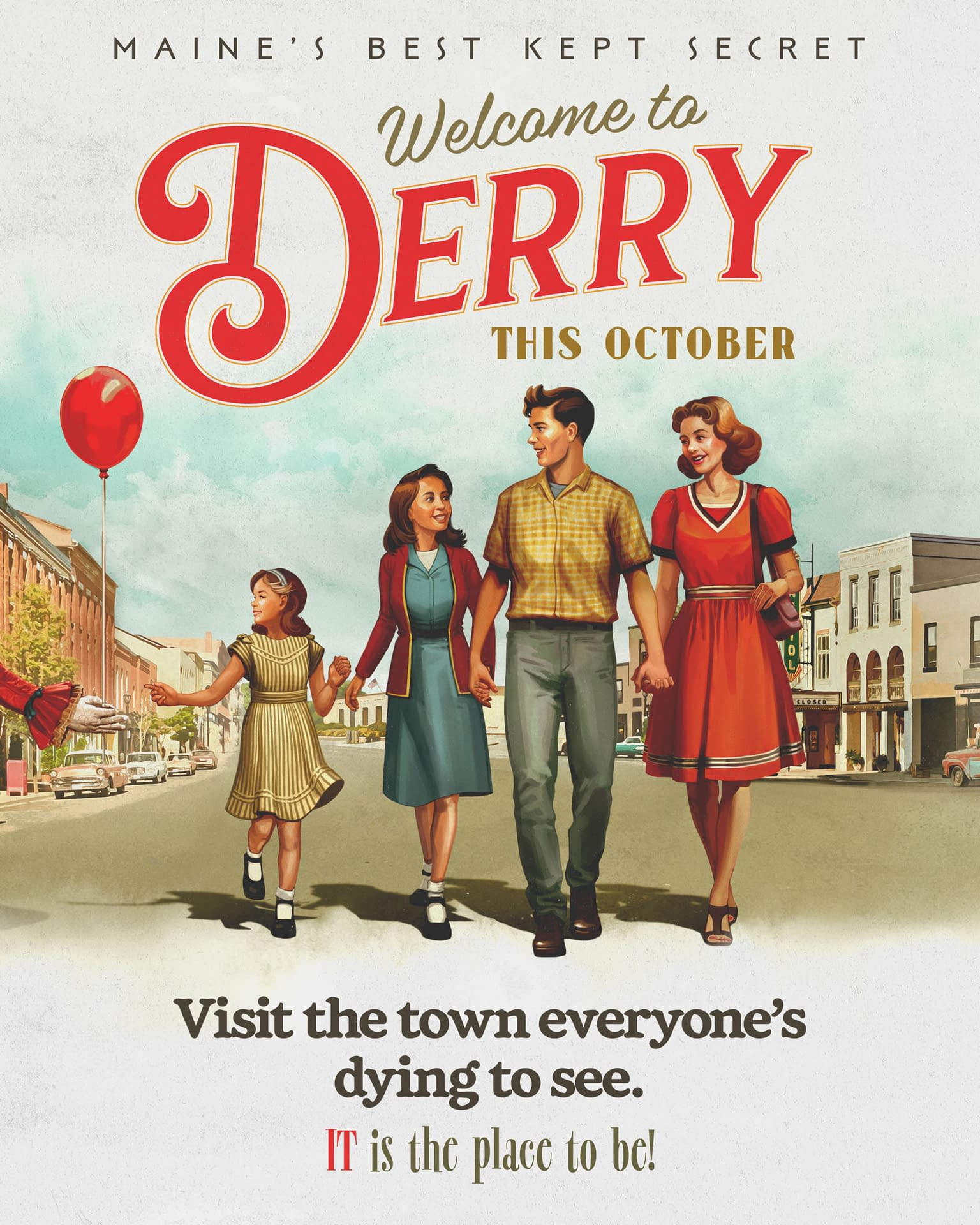
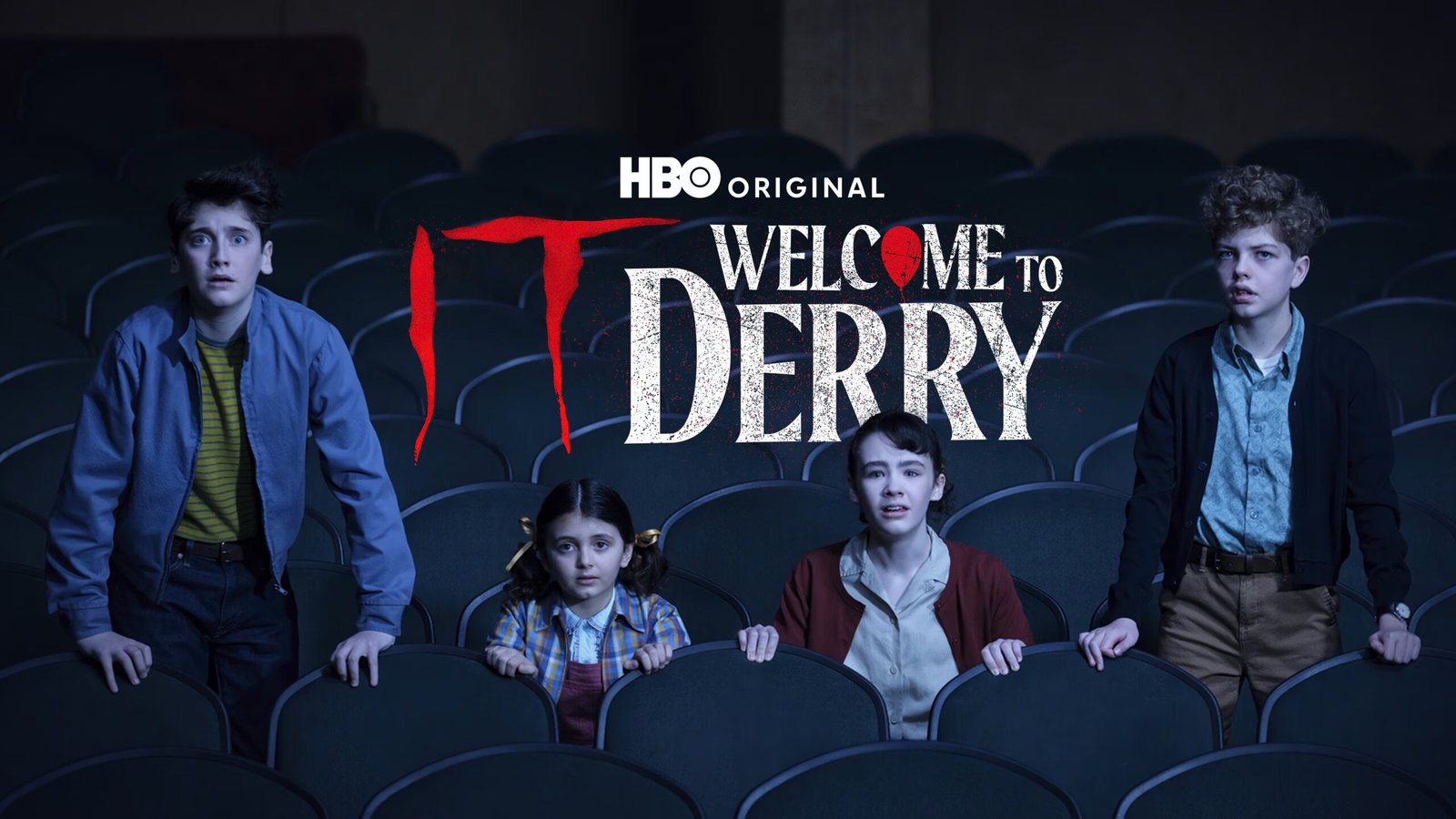
The television series It: Welcome to Derry directly connects to director Andy Muschietti’s feature films It (2017) and It Chapter Two (2019). Serving as an official cinematic prequel produced by Warner Bros. Television and HBO, the series expands the Muschietti film continuity by detailing the origins of Pennywise the Dancing Clown and Derry's cyclical horrors.
Contents
The Canonical Cinematic Universe of Derry
To understand the narrative continuity behind It: Welcome to Derry, viewers must distinguish between direct canon and adjacent adaptations of Stephen King’s 1986 novel IT.
The television prequel does not exist in an isolated creative bubble. Developed by Andy Muschietti, Barbara Muschietti, and Jason Fuchs, the project was designed from its inception to serve as an organic precursor to the two-part film adaptation released in 2017 and 2019. This means that narrative rules, creature design, town geography, historical tragedies, and visual motifs established in Muschietti’s films form the baseline lore for Welcome to Derry.
While earlier television projects—most notably the 1990 two-part ABC miniseries starring Tim Curry—adapted King’s source material, that classic production operates in a separate continuity. Viewers seeking the explicit story, timeline, and stylistic world of Welcome to Derry must prioritize the modern New Line Cinema and Warner Bros. adaptations.
Direct Canon: The Muschietti IT Duology
The primary cinematic foundation for the prequel series consists of two feature films. Watching these provides the necessary context for the entities, town curses, and generational traumas depicted in the show.
1. It (2017)
- Director: Andy Muschietti
- Screenplay: Chase Palmer, Cary Joji Fukunaga, Gary Dauberman
- Timeline Setting: 1988–1989
- Runtime: 135 minutes
The 2017 adaptation relocated the childhood segment of Stephen King's original book from the late 1950s to the late 1980s. This shift updated the period nostalgia for contemporary audiences and systematically reorganized the timeline of Pennywise’s waking cycles.
The story follows the Losers Club—a group of seven outcast adolescents composed of Bill Denbrough, Ben Hanscom, Beverly Marsh, Richie Tozier, Eddie Kaspbrak, Mike Hanlon, and Stan Uris—as they investigate the mysterious disappearance of Bill’s younger brother, Georgie. They uncover that Derry, Maine, is plagued by an ancient, shapeshifting cosmic entity that awakens approximately every 27 years to feed on human terror before hibernating.
The film introduces essential lore directly expanded in Welcome to Derry, including:
- The Well House on Neibolt Street, serving as a primary conduit to the town's subterranean sewer system.
- The historical cycle of disasters marking the creature’s awakenings and retreats, such as the 1908 Kitchener Ironworks explosion.
- Pennywise’s primary disguise as a 19th-century carnival entertainer, portrayed with kinetic physical menace by Bill Skarsgård.
2. It Chapter Two (2019)
- Director: Andy Muschietti
- Screenplay: Gary Dauberman
- Timeline Setting: 2016 (with flashbacks to 1989)
- Runtime: 169 minutes
Set 27 years after the events of the first film, It Chapter Two documents the return of the Losers Club to Derry as adults after Mike Hanlon discovers that Pennywise has awakened once again.
This installment is foundational for understanding Welcome to Derry because it leans into the macroverse mythology created by Stephen King. The film introduces the Ritual of Chüd, an ancient indigenous ceremony intended to trap the entity's spiritual form, the "Deadlights." Through Mike Hanlon's research and hallucinogenic investigations, the film reveals that the entity arrived on Earth millions of years ago via a cataclysmic meteor crash at the precise geographic location where Derry would eventually be settled.
Chapter Two also establishes several specific historical events that occurred during prior 27-year cycles, including the racist massacre at The Black Spot—a military-adjacent nightclub targeted by white supremacists in Derry's past. The prequel television series directly intersects with these mid-20th-century events, making Chapter Two essential narrative homework.
Parallel Continuity: The 1990 Miniseries
Stephen King's IT (1990)
- Director: Tommy Lee Wallace
- Teleplay: Lawrence D. Cohen, Tommy Lee Wallace
- Format: Two-part television miniseries (ABC)
- Runtime: 192 minutes
Before the Muschietti films, Tommy Lee Wallace brought Derry to life in the 1990 miniseries starring Tim Curry as Pennywise. Unlike the modern films, the 1990 production faithfully preserved the mid-century setting of the novel’s early timeline, staging the children’s encounters in 1960 and their adult reunion in 1990.
While the 1990 miniseries is not canonically linked to Welcome to Derry, it remains an important cultural and comparative reference point. Curry's portrayal emphasizes a vaudevillian, psychological brand of terror that contrasts with the predatory, animalistic performance Bill Skarsgård delivers in the modern canon. Viewers interested in how television previously handled the town’s atmospheric corruption will find structural parallels, but narrative plot points from the 1990 miniseries do not carry over into the HBO prequel.
Overview of Screen Adaptations Connected to Derry
The table below outlines the release dates, in-universe timelines, canonical relationship to Welcome to Derry, and key narrative connections across screen adaptations:
| Title | Release Year | In-Universe Era | Canon Status to Welcome to Derry | Core Connection to the Series |
|---|---|---|---|---|
| It | 2017 | 1988–1989 | Direct Canon | Introduces Muschietti’s Pennywise design, town geography, sewer networks, and the 27-year cycle. |
| It Chapter Two | 2019 | 2016 (Flashbacks to 1989) | Direct Canon | Explores the entity's origins, indigenous history, the Deadlights, and mid-century historical tragedies. |
| It: Welcome to Derry | 2025/2026 | Early 1960s (and earlier cycles) | Direct Canon (Anchor Series) | Depicts the origin cycle preceding the 1988 awakening, focusing on Derry’s systemic corruption and earlier victims. |
| Stephen King's IT | 1990 | 1960 & 1990 | Alternate Continuity | Earlier television adaptation of the same source novel; separate timeline, aesthetic, and cast. |
| Castle Rock | 2018–2019 | Modern Day (Alternate) | Thematic / King Multiverse | Features Bill Skarsgård in Derry-adjacent King lore; references Derry without shared cinematic canon. |
| Pet Sematary | 2019 | Modern Day | Thematic Easter Egg | Mentions Derry as a regional waypoint; shares no direct narrative continuity with Muschietti’s films. |
Thematic Multiverse: Stephen King Easter Eggs and Derry References
Derry is one of Stephen King's primary fictional Maine communities, standing alongside Castle Rock and Jerusalem's Lot. Consequently, several modern King adaptations reference Derry directly, creating a web of thematic connections even when explicit cinematic universes do not overlap.
1. Castle Rock (Hulu Series, 2018–2019)
Although produced for Hulu by Bad Robot rather than Warner Bros., Castle Rock functions as an anthology exploration of King’s shared universe. The series frequently references Derry as a neighboring town plagued by tragedy. Crucially, actor Bill Skarsgård plays a central enigmatic figure known as "The Kid" in Season 1, creating an intentional meta-textual bridge for horror fans, even though the character is distinct from Pennywise.
2. Doctor Sleep (2019)
Directed by Mike Flanagan, Doctor Sleep adapts King's sequel to The Shining. While the main narrative focuses on Dan Torrance and the psychic vampires known as the True Knot, the film includes subtle visual and geographic nods to Derry and the Overlook Hotel’s psychic residue. In King’s expanded literary canon, psychic abilities ("the shine") exist on the same metaphysical plane as the Losers Club’s mental resistance to Pennywise’s Deadlights.
3. Pet Sematary (2019)
In Paramount’s 2019 film adaptation of Pet Sematary, highway road signs briefly display mileage markers pointing toward Derry, Maine. In King’s literary universe, the ancient malevolence inhabiting the Micmac burial ground in Ludlow stems from the same primordial cosmic evil that brought Pennywise to Derry.
Chronological vs. Release Order: How to Watch
To achieve the best viewing experience, audiences generally choose between two viewing sequences: chronological order or release order.
CHRONOLOGICAL IN-UNIVERSE TIMELINE: [Welcome to Derry] ---> [It (2017)] ---> [It Chapter Two (2019)] (1960s & Prior) (1988-1989) (2016)
Option A: The Narrative Release Order (Recommended for First-Time Viewers)
- Watch It (2017): Establishes the core rules of Pennywise, the Derry community, and the dynamic of childhood fear.
- Watch It Chapter Two (2019): Deepens the lore surrounding the creature's ancient cosmic arrival and the history of prior Derry tragedies.
- Watch It: Welcome to Derry: Provides retroactive depth by revealing how the town's historical foundations enabled the terror encountered by the Losers Club decades later.
Why this works best: The filmmakers designed the prequel assuming the audience already understands the rules established in the two feature films. Certain reveals regarding town landmarks, family names, and Pennywise's behavior land with greater impact when viewed as dramatic irony.
Option B: The Strict Chronological Order
- Watch It: Welcome to Derry
- Watch It (2017)
- Watch It Chapter Two (2019)
Why this works best: For audiences revisiting the franchise, chronological ordering presents Derry's descent into cyclical madness as a linear historical progression. It highlights how Derry's civic leaders, generational curses, and institutions became progressively hollowed out over subsequent 27-year cycles.
Key Lore Connections to Watch For
When preparing for Welcome to Derry, keep an eye on several specific elements introduced in the 2017 and 2019 films:
- The Bradley Gang Shootout: In It Chapter Two, local Derry history records a 1929 ambush where townspeople slaughtered a notorious gang of outlaws in broad daylight. The films hint that Pennywise actively manipulated the town's residents to partake in the bloodshed.
- The Black Spot: Mentioned prominently in King’s novel and shown via archival imagery and flashbacks in Muschietti's films, The Black Spot was a nightclub built by Black soldiers from a nearby military installation that was burned down by a local hate group. This catastrophe represents a major historical cycle event that fits squarely into the timeline of the prequel series.
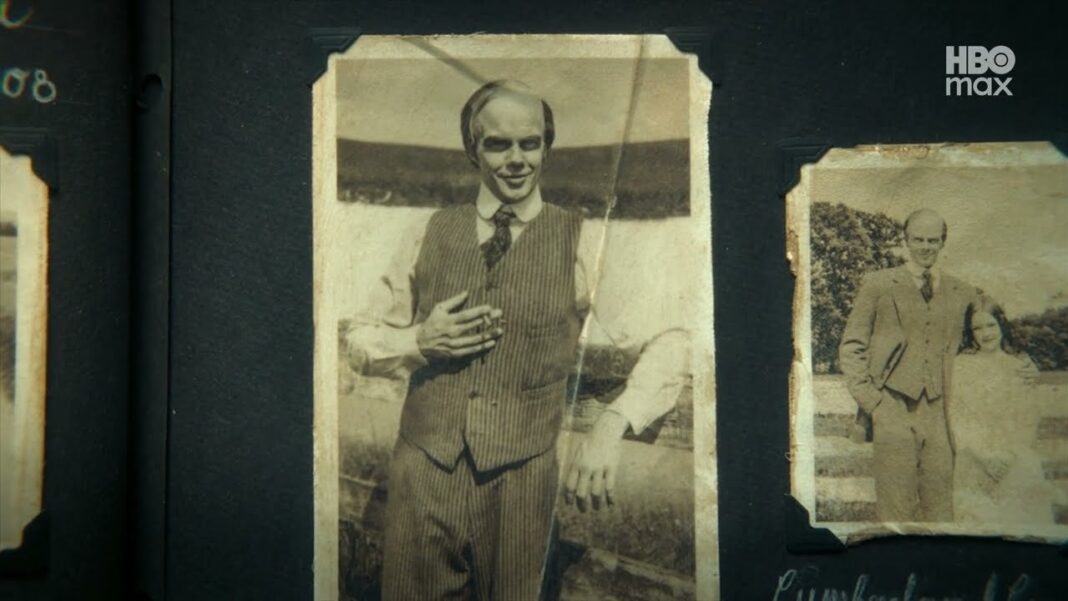
- The Origin of the Circus Persona: It Chapter Two features an unsettling encounter in Beverly Marsh’s old apartment with Mrs. Kersh, who claims her father joined the circus as Pennywise the Dancing Clown. The film blurs the line between hallucination and historical reality, leaving the door open for Welcome to Derry to explore who—or what—the physical human figure of Pennywise was before the entity adopted his likeness.
- The Derry Sewer Infrastructure: The elaborate underground sewer network, converging at the cistern beneath the Well House on Neibolt Street, serves as the physical heart of the entity's lair. Watch how municipal construction and civic negligence are depicted in early Derry history to understand how the creature gained unrestricted subterranean access to the town.
Frequently Asked Questions
Is Welcome to Derry directly connected to the 2017 It movie?
Yes. Welcome to Derry is an official television prequel developed by Andy Muschietti, Barbara Muschietti, and Jason Fuchs. It is set within the exact same cinematic universe as the 2017 film It and its 2019 sequel, sharing identical lore, visual continuity, and production leadership.
Do I need to watch the 1990 miniseries before Welcome to Derry?
No. The 1990 ABC television miniseries starring Tim Curry belongs to a completely separate continuity. While it adapts the same Stephen King novel, its timeline, character designs, and aesthetic choices do not connect to the storyline of Welcome to Derry.
Does Bill Skarsgård return as Pennywise in Welcome to Derry?
Yes. Bill Skarsgård reprises his role as Pennywise the Dancing Clown for the HBO prequel series, in addition to serving as an executive producer. This ensures direct continuity of characterization, physical performance, and creature design between the feature films and the television show.
What time period does Welcome to Derry take place in?
Welcome to Derry takes place primarily in the early 1960s, leading up to the 27-year hibernation cycle that directly precedes the events of the 2017 movie (which took place in 1988–1989). The series also explores historical flashbacks detailing earlier awakenings throughout Derry's history.
Is Welcome to Derry based on an unreleased Stephen King book?
No. The series is not an adaptation of a standalone book. Instead, it is an original expansion written for television, drawing inspiration from the extensive interludes, historical vignettes, and lore scattered throughout Stephen King’s original 1986 novel IT.
Recommended Next Steps
To prepare for It: Welcome to Derry, stream the official two-part cinematic adaptation on Max or purchase the films on physical media:
- Revisit It (2017) to refresh your understanding of Pennywise's hunting patterns, Derry's institutional negligence, and the visual geography of the town.
- Watch It Chapter Two (2019) with specific attention to the historical interludes, the origins of the Deadlights, and Mike Hanlon's research into previous town disasters.
- For dedicated fans of Stephen King's wider multiverse, read the five historical "Derry Interludes" in the original 1986 novel IT, which provide the foundational source material for the prequel's period setting.
Image Gallery