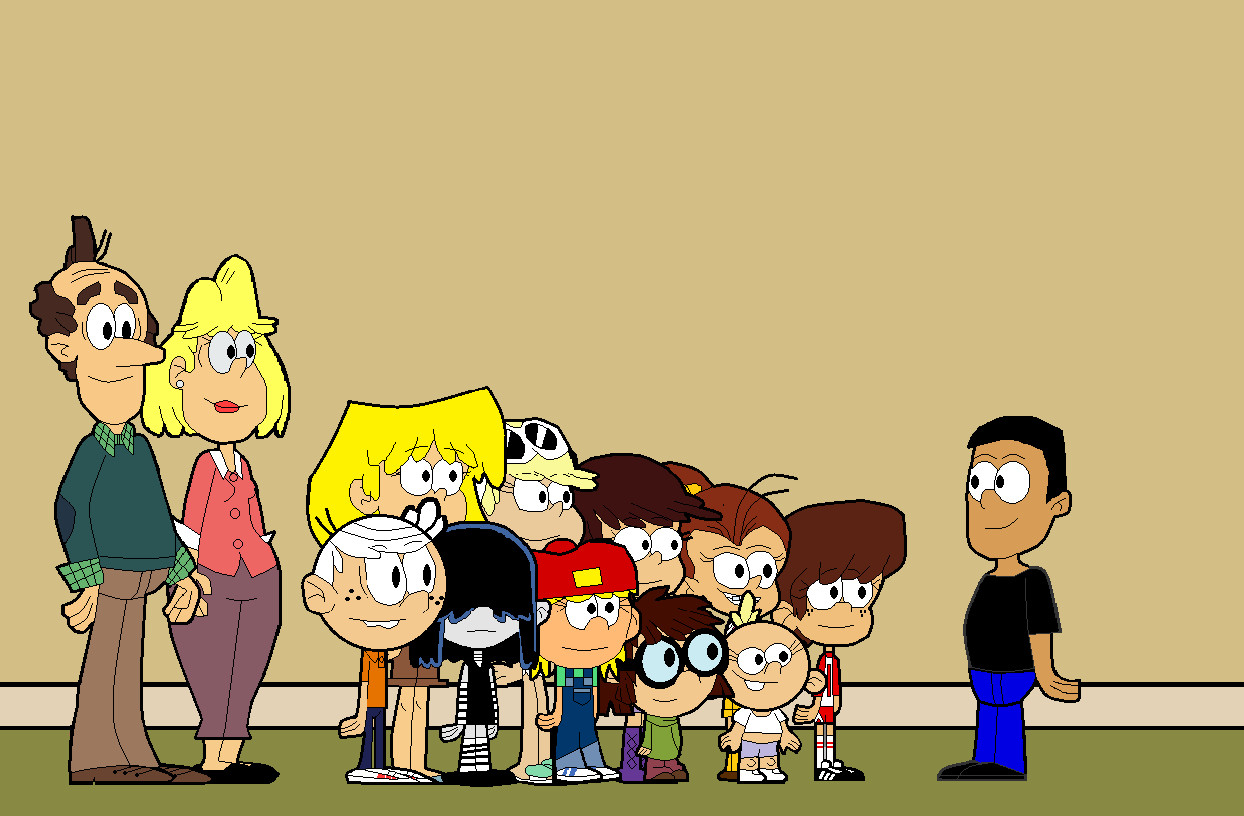
Exploring the Evolution of DeviantArt The Loud House Fan Art and Community in 2026
Note: This article focuses specifically on the intersection of the Nickelodeon animated series The Loud House and the online art community platform DeviantArt, examining how creators, trends, and content curation have evolved through 2...
Note: This article focuses specifically on the intersection of the Nickelodeon animated series The Loud House and the online art community platform DeviantArt, examining how creators, trends, and content curation have evolved through 2026.
Contents
The intersection of animated television and digital creator platforms has continually shaped fandom culture over the past decade. Within the digital art ecosystem, deviantart the loud house represents a massive subculture of illustrators, writers, and character designers who have dedicated thousands of hours to expanding Nickelodeon's popular animated universe. As we move through 2026, the longevity of The Loud House on DeviantArt offers a fascinating study in community-driven content generation, algorithmic art curation, and stylistic adaptation. Understanding how this ecosystem operates requires a deep dive into platform mechanics, community guidelines, artistic milestones, and the methodologies behind producing high-engagement fan content.
The Evolution of The Loud House Fandom on DeviantArt
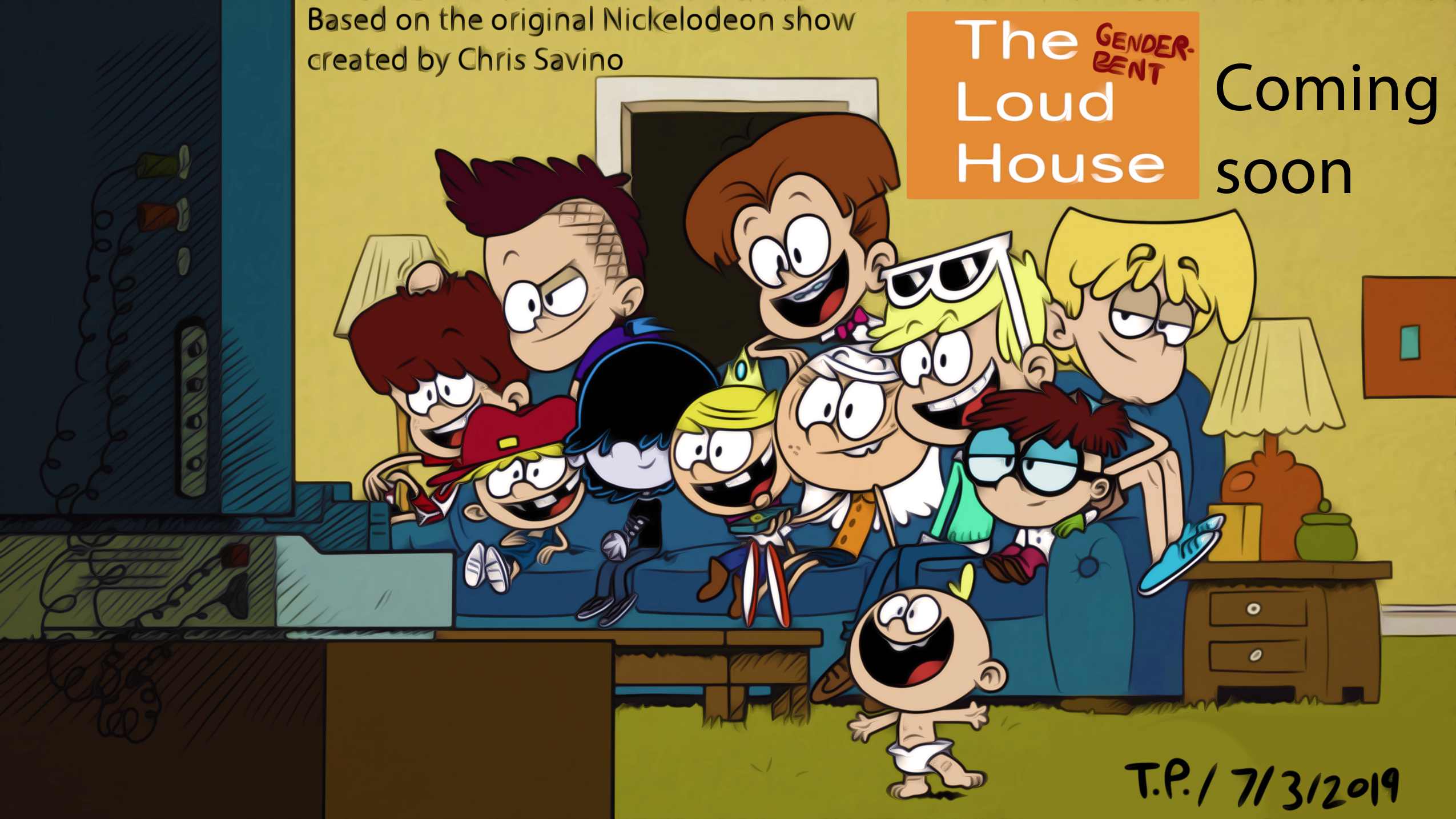
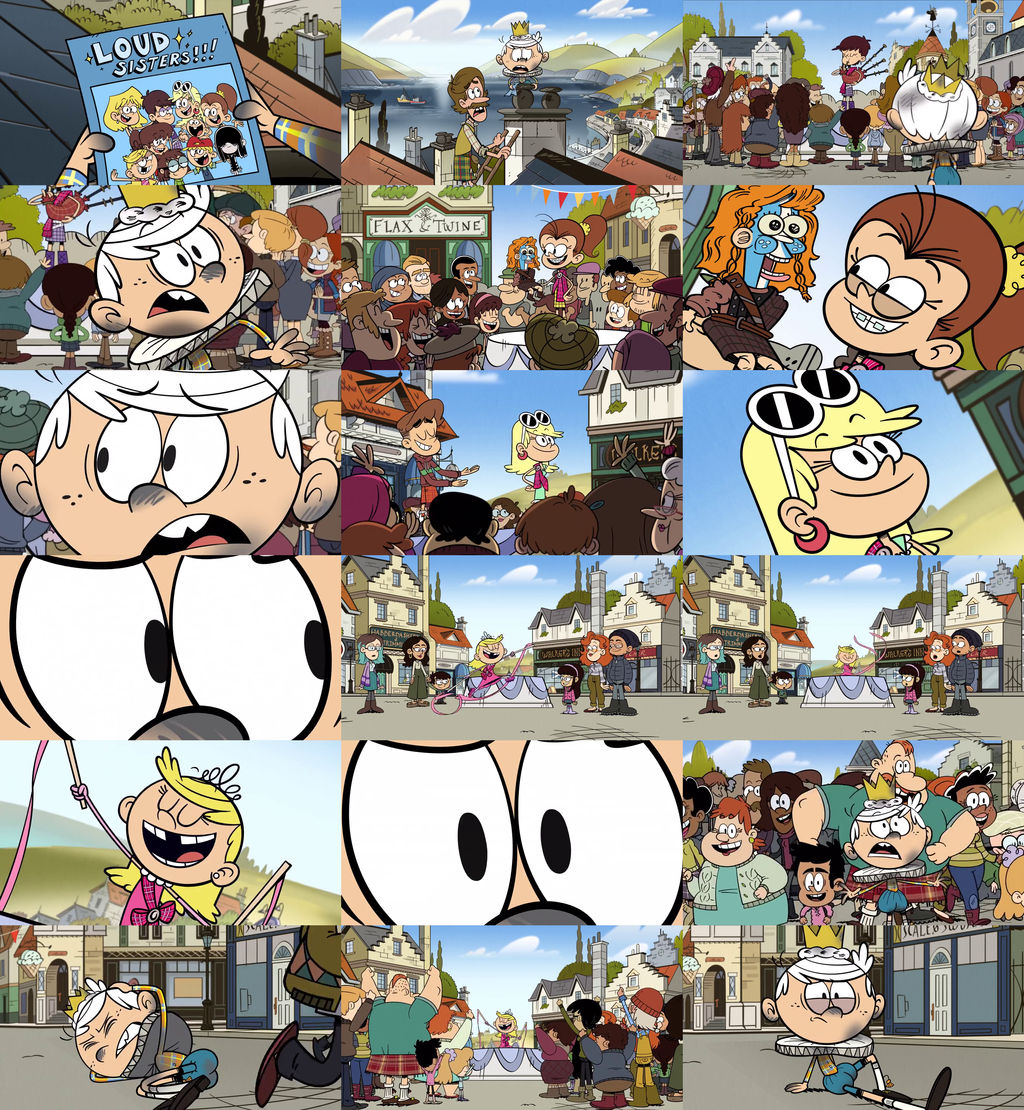
When The Loud House first premiered, the platform quickly saw an influx of character art, concept designs, and alternate universe (AU) scenarios. By 2026, the community has matured past simple sketch replication into complex narrative storytelling, hyper-detailed digital paintings, and cross-over integrations. Artists utilize advanced software suites such as Clip Studio Paint, Procreate, and Adobe Photoshop to match or elevate the show's signature flash-inspired visual style.
- Character Expansion: Beyond Lincoln and his eleven sisters, artists frequently spotlight background characters, teachers, and extended family members to build out the fictional town of Royal Woods.
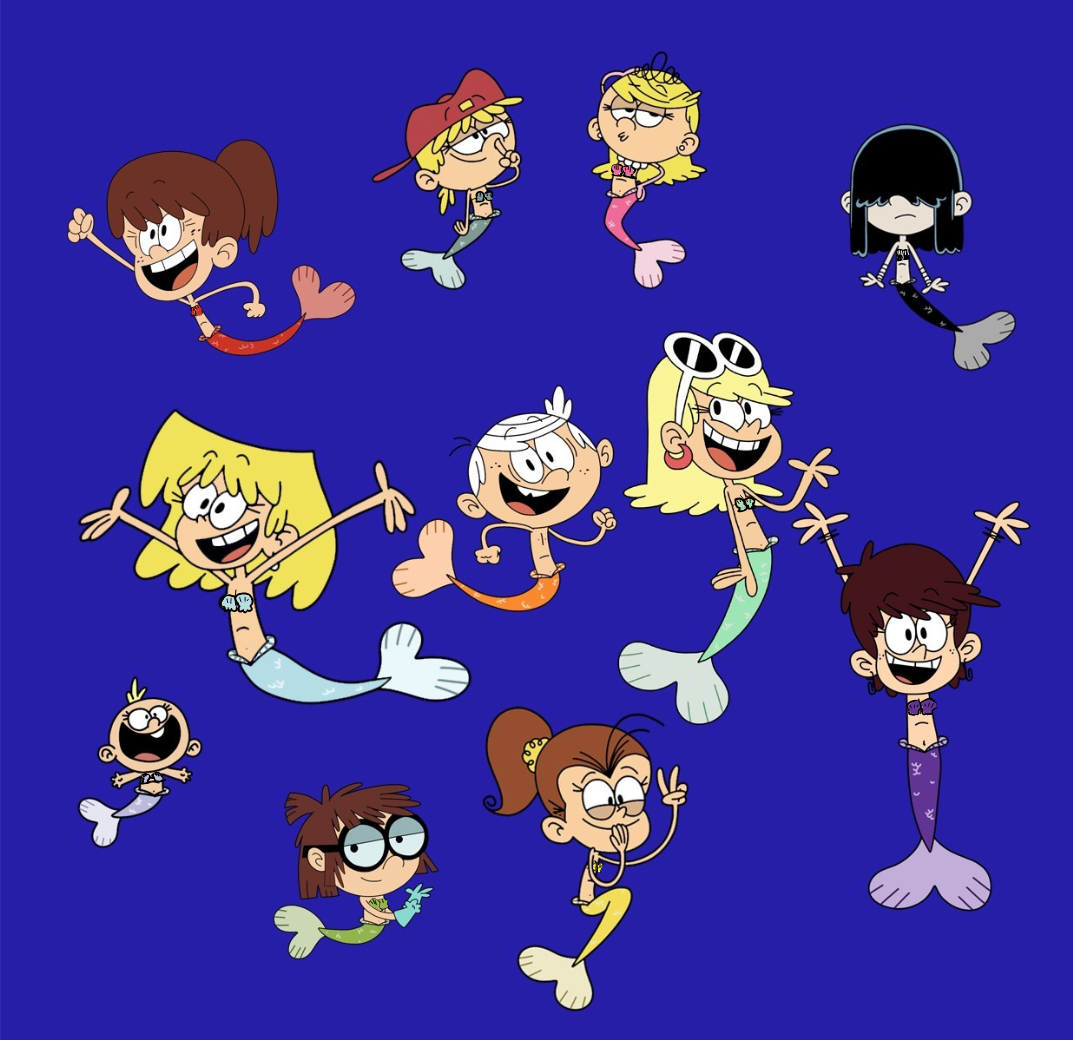
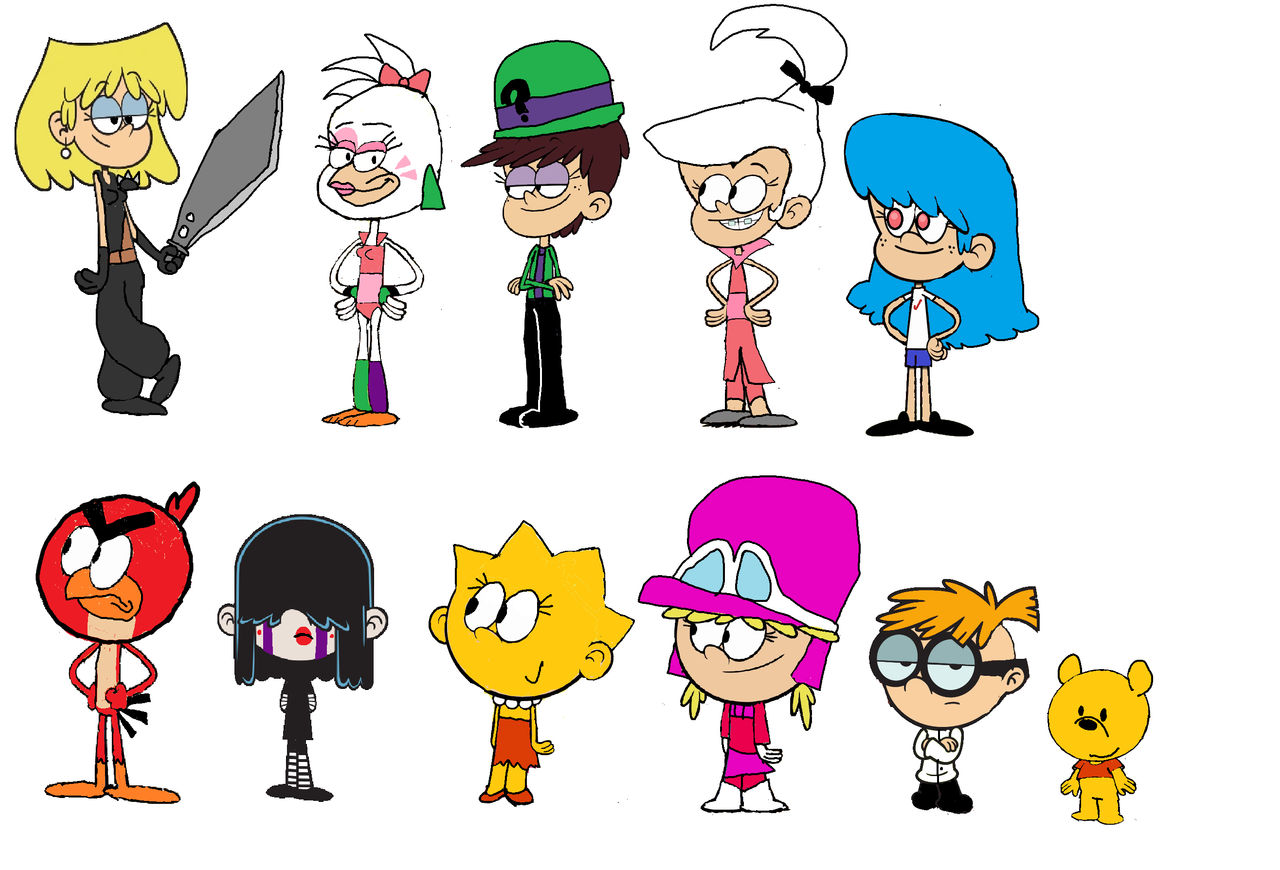
- Alternate Universes (AUs): Popular trends include aging up the characters, placing them in futuristic sci-fi settings, or reimagining them in historical epochs.
- Original Characters (OCs): Many creators introduce self-insert OCs or original friends who interact with the Loud family, fostering collaborative storytelling networks.
Content Curation and Algorithmic Discovery in 2026
Navigating DeviantArt for specific fandom content requires an understanding of platform algorithms, tagging nomenclature, and community groups. Creators utilize specific metadata strategies to ensure their artwork reaches relevant audiences within the animation and cartoon sub-niches.
Optimizing Visibility Through Metadata Creators must balance high-traffic umbrella tags like cartoon and animation with hyper-specific tags such as theloudhouse, lincolnloud, and nickelodeonfanart. Accurate categorization prevents content from getting lost in algorithmic noise and connects artists with dedicated groups dedicated to specific ships or narrative themes.
Furthermore, platform features deployed through 2026 emphasize personalized feeds and community-voted galleries. Group folders act as curated museums where specific administrators review submissions to maintain high visual standards, ensuring that users searching for specific content types find polished illustrations rather than low-effort WIPs (Work in Progress) files.
Technical Analysis: Artistic Styles and Fandom Preferences
The aesthetic appeal of The Loud House lies in its clean linework, vibrant color palettes, and expressive character poses. On DeviantArt, artists generally fall into three distinct technical categories based on their workflow and stylistic goals.
| Artistic Approach | Primary Software / Medium | Technical Focus | Community Reception |
|---|---|---|---|
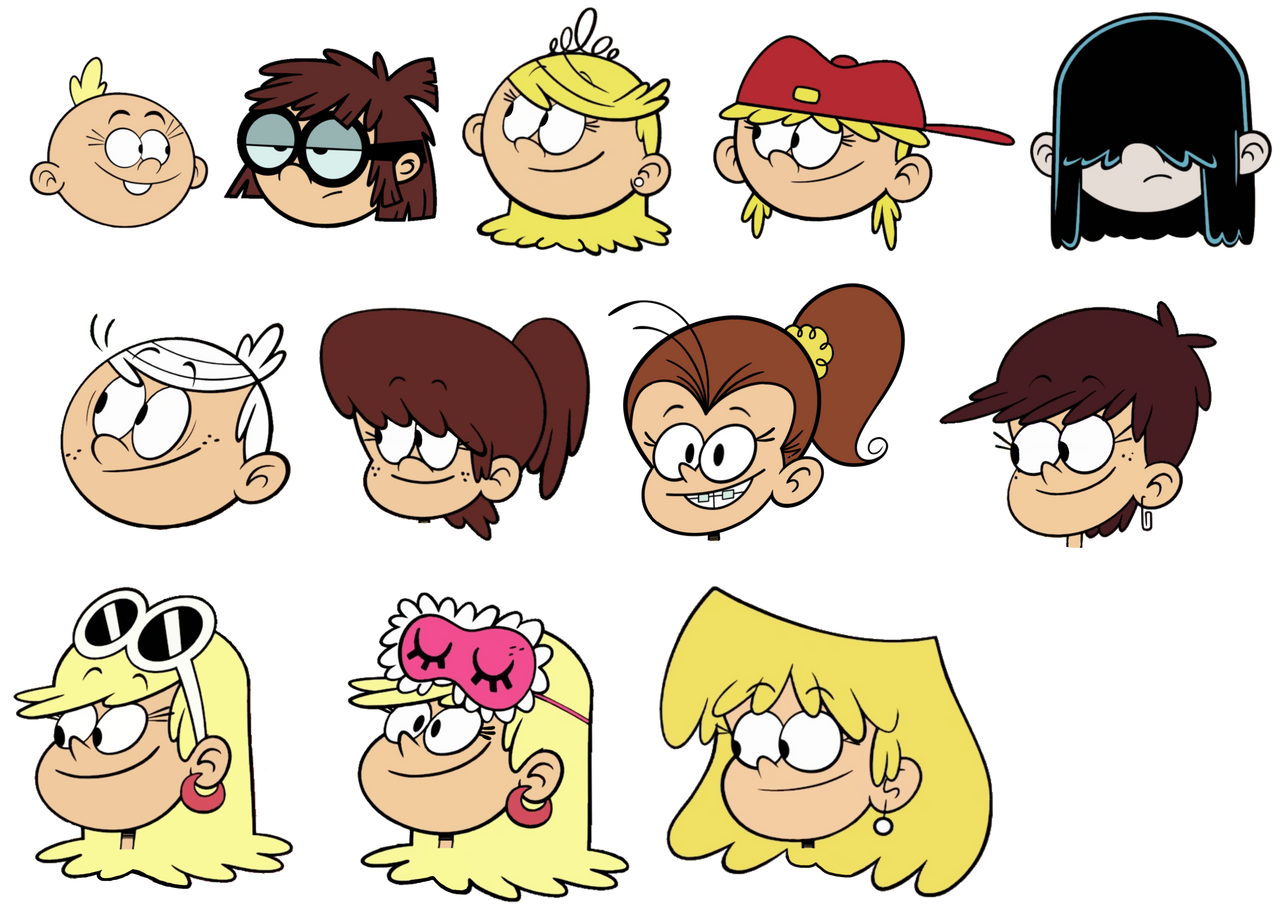
| Model Sheet Replication | Vector Software (Illustrator, Inkscape) | Exact line weight matching, official color hex codes, and canonical proportions. | Highly praised for accuracy; often used as reference material by other creators. |
| Painterly / Rendered | Raster Software (Photoshop, Procreate) | Dynamic lighting, textured shading, soft gradients, and painterly backgrounds. | Popular for dramatic narrative pieces and emotional character studies. |
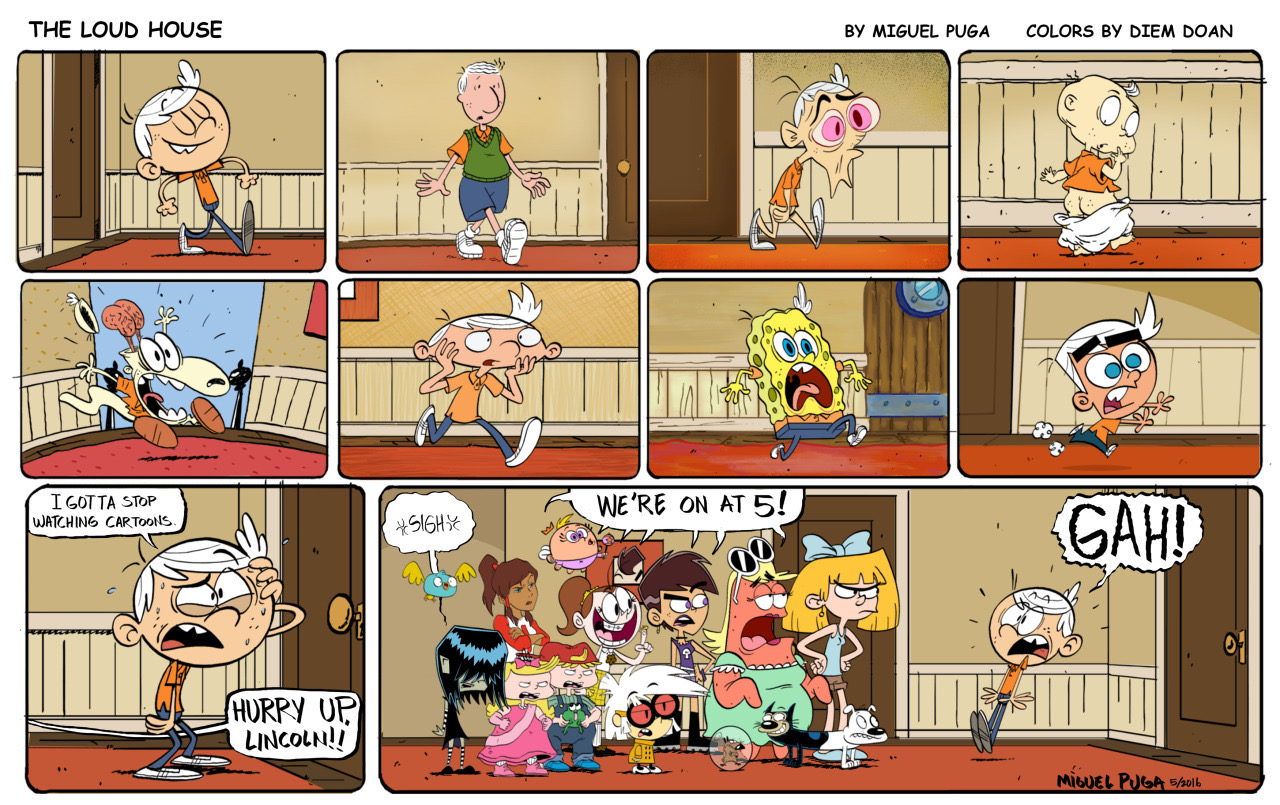
| Comic / Sequential | Multi-Panel Layout Tools (CSP, MediBang) | Pacing, dialogue bubble placement, ink contrast, and episodic storytelling. | Drives high user engagement and long-term following via serialized webcomics. |
Pros and Cons of Fandom Participation on Creator Platforms
Engaging with a massive intellectual property through fan art offers substantial benefits for developing artists, alongside distinct challenges related to copyright, platform saturation, and community discourse.
- Professional Skill Growth: Replicating and modifying established character designs forces artists to master anatomy, posing, and color theory under strict stylistic constraints.
- Networking and Collaboration: Creators form writing teams, art trades, and collaborative comic projects, building valuable professional connections.
- Audience Building: Popular fandom tags provide an immediate, built-in audience for emerging illustrators looking to transition to freelance or independent work.
- Copyright Boundaries: Navigating intellectual property rights requires strict adherence to fair use, non-commercial policies, and platform DMCA guidelines.
- Content Saturation: Standing out among hundreds of thousands of submissions requires exceptional technical skill or unique conceptual framing.
Step-by-Step Guide to Publishing Loud House Fan Art Successfully
For artists looking to share their interpretations of Lincoln and his sisters on DeviantArt in 2026, adhering to a structured workflow ensures maximum reach and community respect.
- Conceptualization and Sketching: Draft preliminary poses focusing on recognizable silhouette traits for characters like Lori, Leni, Luna, and the rest of the siblings. Ensure anatomical proportions align with the chosen stylistic tier (canonical vs. semi-realistic).
- Line Art and Inking: Maintain clean, confident strokes. Adjust line weight dynamically to emphasize depth, thicker on outer boundaries and thinner for internal facial features.
- Color Application: Utilize official color pickers or verified palette references to maintain color integrity for established characters, or document custom palette choices clearly in the description.
- Background and Lighting: Construct a Royal Woods-inspired environment or a dynamic abstract background that complements the character focus without causing visual clutter.
- Tagging and Group Submission: Write an engaging description detailing your creative process, apply targeted tags, and submit the deviation to active, moderated group folders dedicated to Nickelodeon animation.
Frequently Asked Questions
What is the most popular type of Loud House content on DeviantArt?
Character-focused illustrations, multi-sibling group shots, and serialized fan comics remain the most widely viewed and interacted-with content types on the platform. These pieces often capture emotional slice-of-life moments or humorous sibling dynamics characteristic of the source material.
Are fan artists allowed to sell merchandise based on The Loud House?
Selling unauthorized merchandise featuring copyrighted characters violates trademark and copyright laws set by intellectual property owners like Nickelodeon. Most creators on the platform share their work strictly for portfolio building, community engagement, and non-commercial exhibition.
How do artists stand out in a saturated fandom tag?
Artists achieve visibility by developing unique alternate universe scenarios, improving technical rendering skills, publishing multi-page comic chapters, and actively engaging with community groups and comments.
Can beginners find supportive communities within this niche?
Numerous beginner-friendly groups on the platform offer constructive critique, weekly art prompts, and welcoming spaces for artists practicing character illustration and digital painting fundamentals.
How has the community changed over time?
As the series has progressed through multiple seasons and specials, the community has evolved from simple character tracings to sophisticated digital paintings, complex narrative webcomics, and mature artistic reinterpretations.
Conclusion
The enduring presence of The Loud House on DeviantArt through 2026 underscores the power of collaborative digital creativity and character-driven animation. By mastering both the technical nuances of the show's visual style and the strategic mechanics of platform metadata, creators continue to sustain a vibrant, evolving subculture. Whether you are an aspiring digital illustrator looking to refine your linework or a long-time enthusiast exploring narrative alternate universes, participating in this community offers endless opportunities for artistic growth and connection. Explore the galleries today, refine your digital workflow, and contribute your unique vision to the Royal Woods universe.
Image Gallery