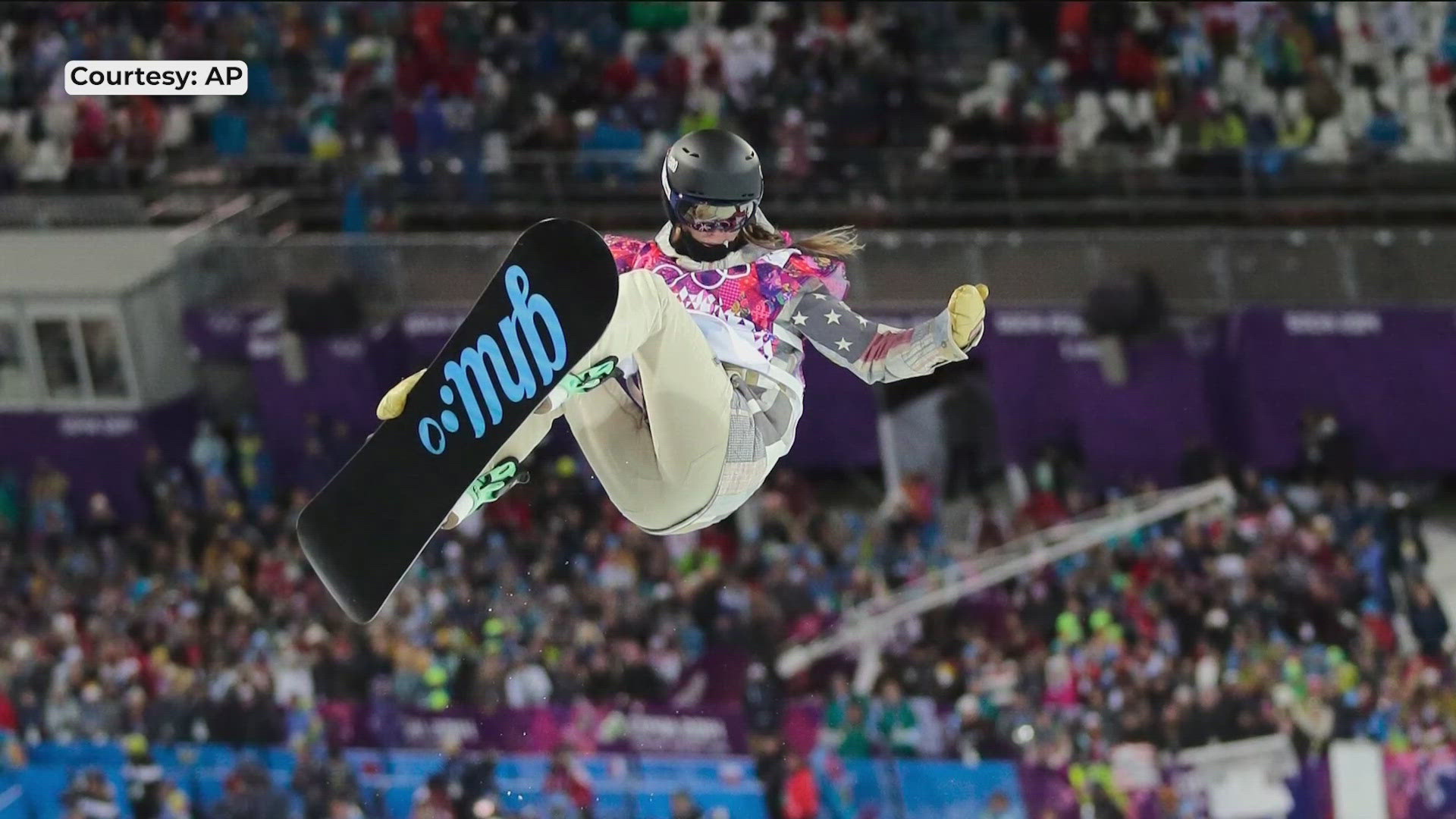
What’s New in Snowboarder News Today: Competitions, Gear Tech, and Media Trends
Today’s snowboarding news centers on three core pillars: major contest updates across the Natural Selection Tour and FIS World Cup circuits, groundbreaking gear developments in step-in binding systems and sustainable manufacturing, and...
Today’s snowboarding news centers on three core pillars: major contest updates across the Natural Selection Tour and FIS World Cup circuits, groundbreaking gear developments in step-in binding systems and sustainable manufacturing, and an evolving media landscape where legacy digital outlets, rider-owned print magazines, and long-form podcasts deliver real-time industry updates.
Contents
The Shifting Landscape of Snowboard Media
The way riders consume news, video parts, and product reviews has undergone a structural transformation over the past decade. Historically, print titles like Snowboarder Magazine (founded in 1987) and Transworld Snowboarding set the editorial tone for the global snowboarding community. Following media consolidations in the late 2010s and early 2020s, traditional monthly print publication schedules were largely restructured, pushing legacy names toward digital-first platforms, social channels, and targeted video projects.
- Snowboard Media Ecosystem
- Legacy / Enterprise Media (Digital portals, archives)
- Rider-Owned & Independent (Print magazines, podcasts)
- Content Channels: Deep-Dive Podcasts, Live Contest Streams, Social Video Edits, Specialized Gear Testing
Today, news coverage in the snowboarding world operates across several distinct platforms:
- Rider-Owned Print Outlets: Publications such as Slush Snowboard Magazine, launched by veteran action-sports editors, have filled the void in physical print. These magazines prioritize high-resolution photography, physical artwork, and long-form storytelling that appeals to core culture enthusiasts.
- Deep-Dive Podcasts: Long-form audio and video podcasts, most notably The Bomb Hole, have become primary newsmakers. These shows feature multi-hour interviews with iconic pros, brand founders, and industry veterans, frequently breaking news regarding sponsorship shifts, historical anecdotes, and hardware innovations.
- Digital Portals and Aggregators: Websites operating under established banner brands continue to publish daily web articles covering resort openings, climate policy updates, athlete video releases, and seasonal buyer guides.
- Social and Athlete-Direct Media: Real-time contest clips, street segment teasers, and gear teasers circulate instantly across Instagram, YouTube, and TikTok, allowing riders to bypass traditional editorial filters entirely.
For casual fans and dedicated backcountry riders alike, keeping up with snowboarding news now requires looking beyond a single magazine title to follow a network of independent media houses, athlete channels, and competition streaming platforms.
Competitive Snowboarding: Natural Selection, X Games, and International Circuits
The professional snowboarding competition scene is divided into two distinct environments: traditional judged park/pipe events and natural backcountry freestyle contests.
- Professional Competitions
- Freestyle & Park (FIS, X Games): Technical Spins, Sculpted Terrain
- Backcountry (Natural Selection): Big-Mountain Lines, Natural Drops
The Natural Selection Tour (NST)
Founded by professional snowboarder Travis Rice, the Natural Selection Tour has reshaped competitive big-mountain riding. Unlike standard slope-style courses built from engineered snow structures, NST events take place on complex, un-groomed powder faces featuring natural cliff drops, tree runs, and wooden enhancement features.
Key elements defining current NST news include:
- Venue Progression: Venues in locations such as Revelstoke (British Columbia), Jackson Hole (Wyoming), and Alaska test riders in varying snowpacks and high-stakes terrain.
- Head-to-Head Formats: Riders compete in direct duels, judged on line selection, control, fluid movement, and the integration of freestyle tricks off natural takeoffs.
- Live-Stream Integration: Distribution through major video streaming platforms brings high-definition backcountry footage directly to global audiences in real time.
FIS World Cup and X Games Updates
On the manicured course side, the International Ski and Snowboard Federation (FIS) World Cup circuit and Aspen’s X Games remain the benchmarks for halfpipe, slopestyle, and big air competition. News from these circuits routinely focuses on:
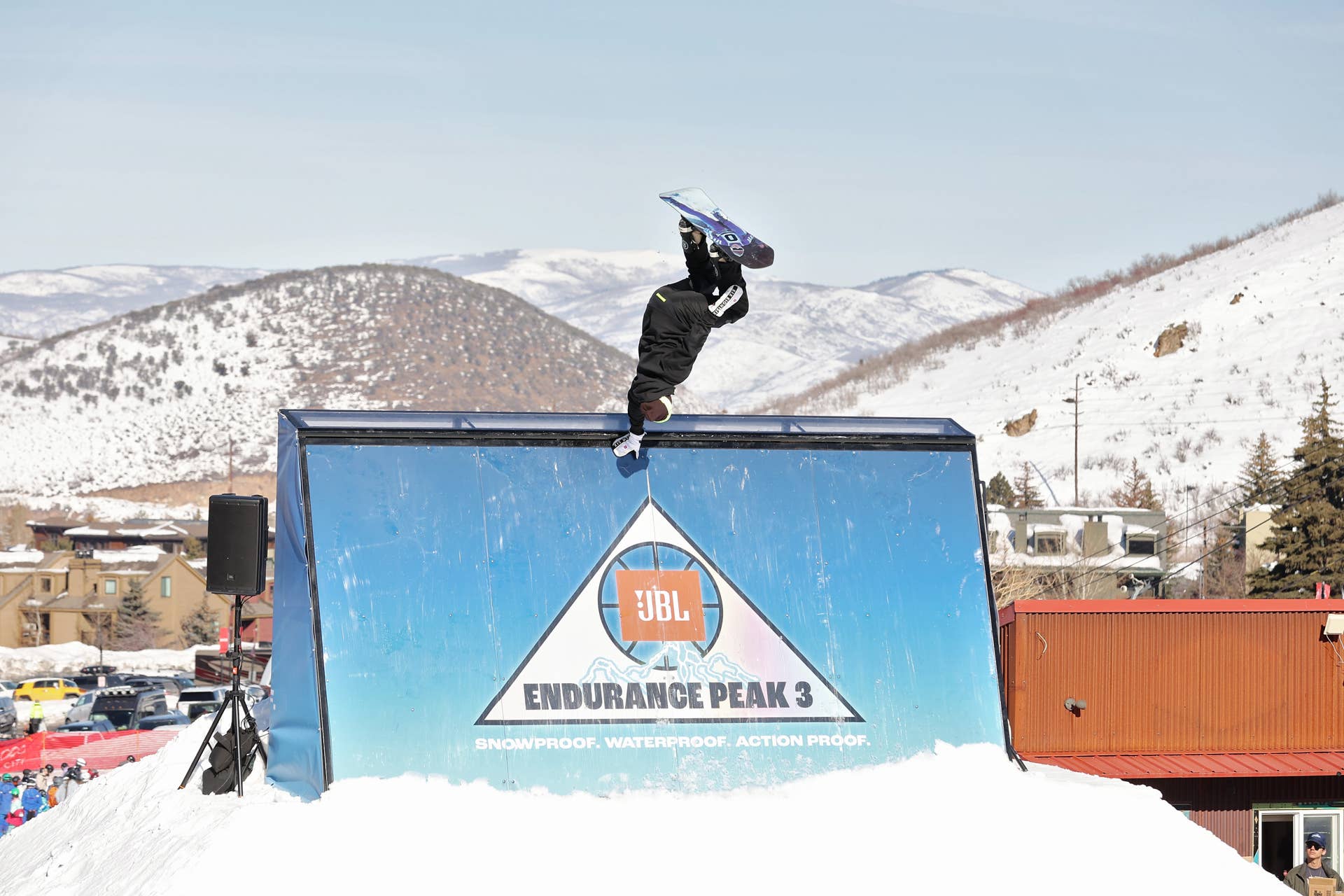
- Technical Rotation Milestones: Competitors routinely execute 1980-degree rotations, quad corks, and switch-triple maneuvers in big air and slope-style events.
- Judging Criteria Adjustments: International judging panels continue to refine scoring systems to penalize robotic repetition, rewarding amplitude, unique grabs, creative rail entries, and style.
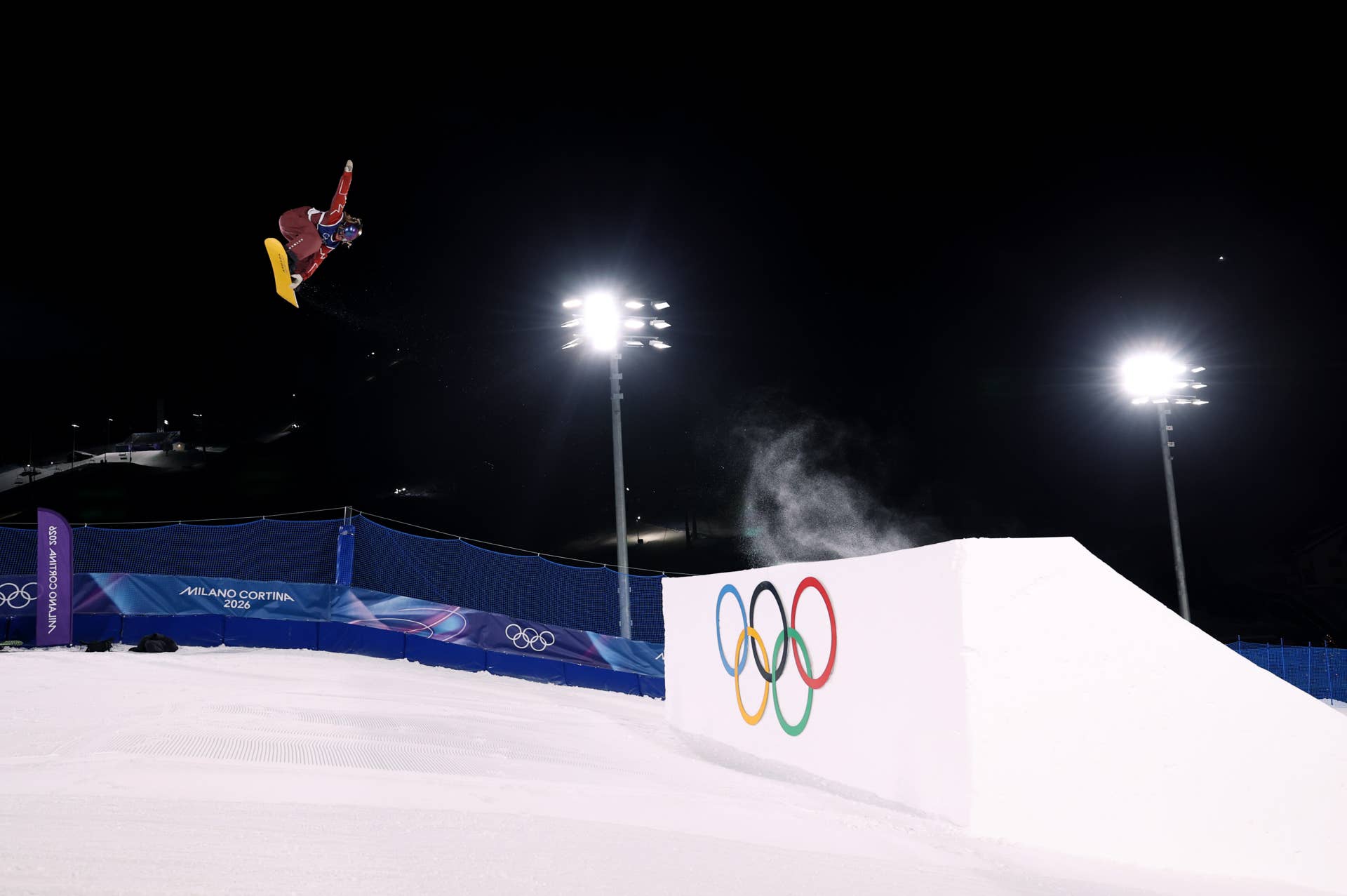
- Quadrennial Selection Pathways: In the lead-up to winter international cycles like the 2026 Winter Olympics in Milano-Cortina, point tallies from FIS events determine national team qualification quotas for federations worldwide.
Gear Innovations and Hardware Trends
Snowboard hardware engineering has accelerated rapidly, focusing on rider convenience, eco-friendly manufacturing materials, and complex board geometries.
| Step-In Systems | Sustainable Tech | 3D Base Contour |
|---|---|---|
| (Burton Step On, Supermatic) | (Bio-resins, PFAS-free wax) | (Displacement hulls, catch-free edge transitions) |
Next-Generation Step-In and Quick-Entry Bindings
Quick-entry binding systems have transitioned from niche convenience products to high-performance alternatives used by broad rider demographics.
- Burton Step On®: Utilizing a three-point locking mechanism (two toe cleats, one heel latch), this system requires dedicated, compatible boots. It eliminates traditional straps entirely, providing instantaneous heel-to-toe response.
- Nidecker Supermatic®: A universal step-in system featuring a drop-back highback mechanism. Unlike systems requiring proprietary boots, Supermatic bindings accommodate standard snowboard boots, triggering a automatic heel-lever closure upon entry.
- Rear-Entry and Hybrid Straps: Brands like Flow and Clew offer alternative fast-entry mechanics designed to balance traditional strap pressure distribution with rapid entry speeds at the lift line.
Sustainable Manufacturing and Chemical Regulations
Environmental standards are driving major changes in board manufacturing and tuning practices:
- Fluorinated Wax Bans: The FIS and international environmental regulators have implemented strict bans on fluorinated (PFAS) glide waxes due to their environmental persistence and bioaccumulation hazards. Board tuners and wax manufacturers now produce non-fluorinated plant-based or synthetic hydrocarbon formulas.
- Eco-Conscious Construction: Major board factories increasingly incorporate plant-based bio-resins, recycled steel edges, FSC-certified wood cores, and top-sheets sourced from castor bean oil to lower carbon footprints without sacrificing torsional flex or durability.
Advanced Board Geometries and 3D Shaping
Board designers rely on 3D base contouring to change how snowboards interact with powder and hardpack.
- Volume Displacement: Shorter, wider board designs redistribute surface area, allowing riders to downsize board length by 3–7 cm while retaining float in deep snow.
- 3D Base Contouring: Technologies such as Jones 3D Contour Base and Bataleon Triple Base Technology (TBT) bevel the tip and tail edges upward, creating a hull-like shape that reduces edge catch, enhances powder displacement, and smooths turn initiation.
Resort Infrastructure, Pass Trends, and Avalanche Safety
Current news in the broader snowboarding world frequently touches on resort accessibility, mountain operations, and backcountry safety.
Multi-Resort Pass Ecosystems
The season pass market remains anchored by major multi-resort products like the Epic Pass (Vail Resorts) and Ikon Pass (Alterra Mountain Company), along with independent networks like the Mountain Collective and Indy Pass.
News within this sector centers on reservation policies, parking management systems designed to alleviate resort traffic, and infrastructure investments in high-speed detachable chairlifts and gondolas to reduce lift line bottlenecks.
Snowmaking and Climate Resilience
Faced with shifting winter temperature patterns, resorts are expanding automated, high-efficiency snowmaking grids. Modern snowguns utilize temperature sensors and automated flow control to generate snow at marginal temperatures while consuming significantly less energy per acre-foot than older air-water systems.
Backcountry Touring and Avalanche Safety Standards
As splitboarding (snowboards that split into touring skis for uphill travel) grows in popularity, backcountry safety education has become an essential topic. Organizations such as the American Institute for Avalanche Research and Education (AIARE) regularly update curriculum standards.
News regarding avalanche gear emphasizes multi-antenna digital transceivers with auto-revert functionality, electronic jet-fan avalanche airbag packs approved for airline travel, and real-time regional avalanche forecasts issued by organizations like the Colorado Avalanche Information Center (CAIC) and Utah Avalanche Center (UAC).
Comparing Top Snowboard News Outlets and Media Channels
Finding reliable snowboarding news depends on what type of information you need—whether it is real-time contest results, core culture feature stories, hardware reviews, or backcountry safety advisories.
| Outlet / Source | Primary Format | Coverage Focus | Best For | Access Model |
|---|---|---|---|---|
| Legacy Web Portals (e.g., Snowboarder.com, Whitelines) | Web Articles & Digital Media | Industry news, resort guides, general events | Casual readers seeking broad overviews | Free online |
| Rider-Owned Print Outlets (e.g., Slush Magazine) | Physical Print & Web Feature Stories | Core culture, athlete photo essays, print interviews | Dedicated riders and collectors | Paid subscription / Select shops |
| Action Sports Podcasts (e.g., The Bomb Hole) | Long-Form Video/Audio Streams | Deep-dive athlete interviews, industry history | In-depth story analysis and athlete perspectives | Free (YouTube/Podcast apps) |
| Contest Event Portals (e.g., Natural Selection, FIS) | Live HD Streams & Video Clips | Real-time contest scoring, run highlights | Event fans & competition followers | Free live streams |
| Gear & Safety Advisory Bodies (e.g., AIARE, CAIC) | Educational Portals & Safety Reports | Snowpack stability, weather warnings, avalanche education | Backcountry splitboarders & touring riders | Free public advisories |
How to Track Daily Snowboard News and Updates
To stay informed on rapid developments across snowboarding culture, gear releases, and event scheduling, follow these practical steps:
- Daily Snowboard News Workflow:
- Check Avalanche & Weather Conditions (CAIC, UAC, NOAA)
- Monitor Live Event Schedules (Natural Selection, FIS)
- Review Product Safety Alerts (Manufacturer portals, CPSC)
- Stream Community Interviews & Analysis (Bomb Hole, Slush)
- Monitor Regional Avalanche & Weather Bulletins: Before heading into unpatrolled terrain, check regional avalanche forecasting centers daily for snowpack observations, avalanche danger ratings, and avalanche warnings.
- Follow Contest Schedules and Weather Windows: Major backcountry events like the Natural Selection Tour rely on multi-day "holding windows" to ensure optimal snow conditions and visibility. Follow official tour channels for real-time announcements regarding competition status.
- Verify Hardware Compatibility and Recalls: When upgrading to quick-entry bindings or splitboard interfaces, consult official manufacturer compatibility charts. Periodically check consumer safety boards for recall notices on avalanche beacons, bindings, and helmets.
- Subscribe to Independent Media Feeds: Support rider-owned media by subscribing to print magazines, supporting independent video projects, and following long-form interview podcasts to stay connected to authentic snowboarding culture.
Frequently Asked Questions
Is Snowboarder Magazine still publishing physical print issues?
Snowboarder Magazine ceased regular monthly print publication during media restructurings in the late 2010s and early 2020s, shifting primarily to digital, video, and web-based editorial coverage. Physical print coverage within core snowboarding culture has largely been picked up by rider-owned titles like Slush Snowboard Magazine.
How does the Natural Selection Tour differ from traditional slope-style events?
While slope-style events take place on manicured courses built from artificial snow and plastic park features, the Natural Selection Tour takes place on steep, un-groomed backcountry faces. Riders are judged on their line choice, fluidity, and ability to land freestyle tricks off natural cliffs, drop-offs, and pillow lines in deep powder.
Why were fluorinated glide waxes banned in snowboarding?
Fluorinated glide waxes contain per- and polyfluoroalkyl substances (PFAS), often referred to as "forever chemicals." These compounds do not break down naturally in the environment, contaminating watersheds and posing health hazards to wax technicians. FIS and regional environmental agencies have banned their sale and use in competition.
What is the difference between Burton Step On and Nidecker Supermatic bindings?
Burton Step On bindings require proprietary Step On-compatible boots that lock into toe cleats and a heel latch without traditional straps. Nidecker Supermatic bindings use an automatic drop-back highback system that works with virtually any standard snowboard boot, allowing riders to step in and lock down without buying brand-specific boots.
Where can splitboarders find daily backcountry safety reports?
Backcountry riders should consult official avalanche prediction centers tailored to their riding area, such as the Colorado Avalanche Information Center (CAIC), Utah Avalanche Center (UAC), or Northwest Avalanche Center (NWAC). These organizations issue daily avalanche safety warnings, snowpack updates, and weather forecasts.
Recommended Next Steps
To keep your knowledge current and maximize your time on the snow, build a daily routine around official resources. Bookmark your local avalanche warning center if you ride off-piste, double-check boot-to-binding compatibility before purchasing new quick-entry hardware, and tune into independent media channels like The Bomb Hole and Slush Magazine for authentic perspective on the sport's culture, athletes, and progression.
Image Gallery