Understanding USCIS K-1 Visa Processing Times: A Complete Guide
The K-1 nonimmigrant visa processing time currently varies significantly based on the assigned USCIS service center, the complexity of your case, and the current workload of the U.S. Department of State. While there is no universal tim...
The K-1 nonimmigrant visa processing time currently varies significantly based on the assigned USCIS service center, the complexity of your case, and the current workload of the U.S. Department of State. While there is no universal timeframe, applicants should generally prepare for a multi-month journey, with total processing from the initial petition to the final embassy interview often taking between 10 to 18 months in 2026.
Contents
Understanding the K-1 Visa Lifecycle
The K-1 visa, commonly known as the fiancé(e) visa, allows a foreign citizen to travel to the United States to marry their U.S. citizen sponsor. Because this process involves both the U.S. Citizenship and Immigration Services (USCIS) and the Department of State (DOS) through overseas consulates, the total "processing time" is not a single number, but a cumulative period of several distinct phases.
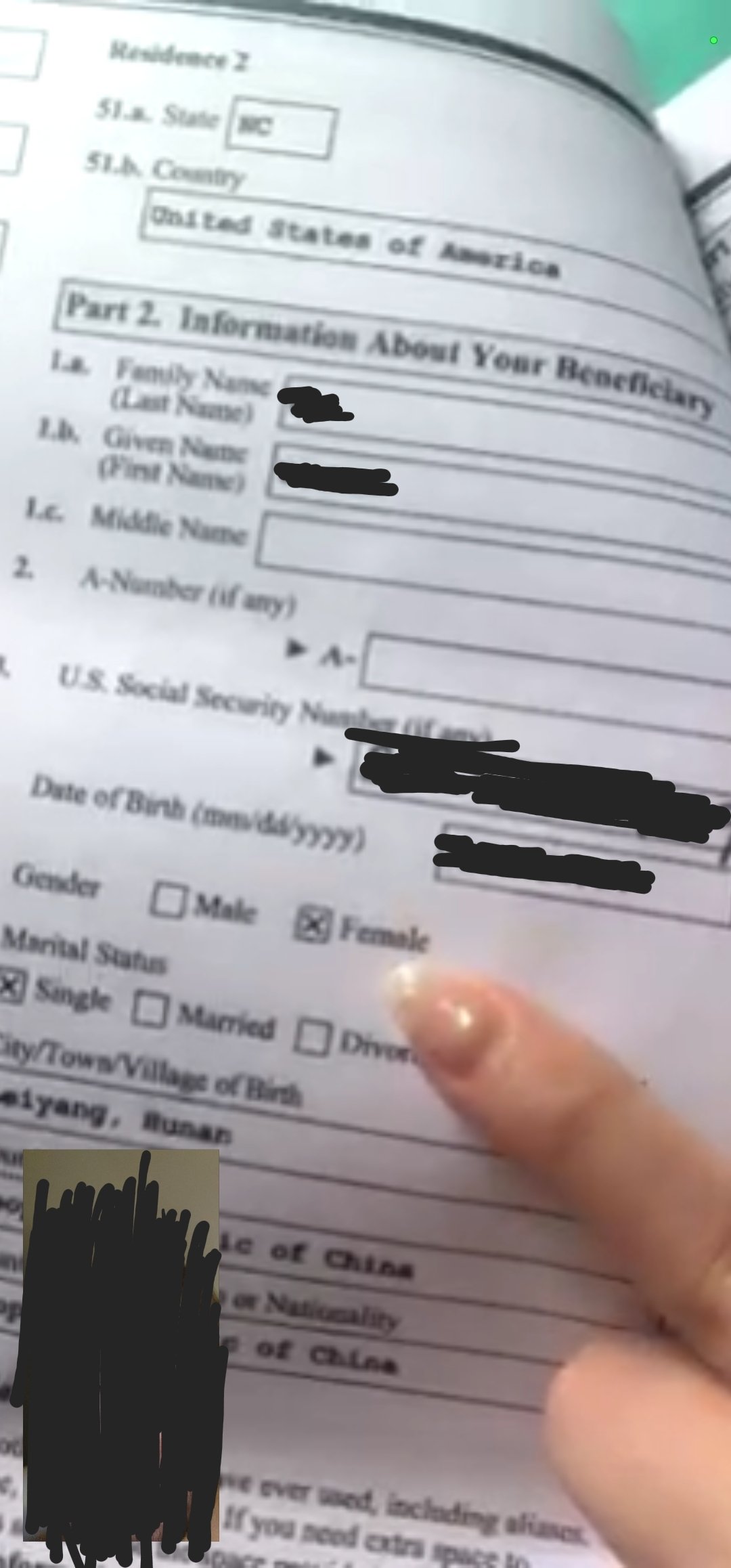
The process begins with the U.S. citizen petitioner filing Form I-129F, Petition for Alien Fiancé(e). This is the initial hurdle where USCIS determines eligibility. Once USCIS approves the petition, the case is transferred to the National Visa Center (NVC), which performs a preliminary administrative review before forwarding the file to the specific U.S. Embassy or Consulate in the foreign fiancé(e)’s home country. The final phase involves the beneficiary preparing for and attending their visa interview.
Factors Influencing Your Processing Timeline
Processing times are not static. Several variables can push your application into a longer processing bracket. Understanding these factors can help you manage expectations and avoid common pitfalls that lead to delays.
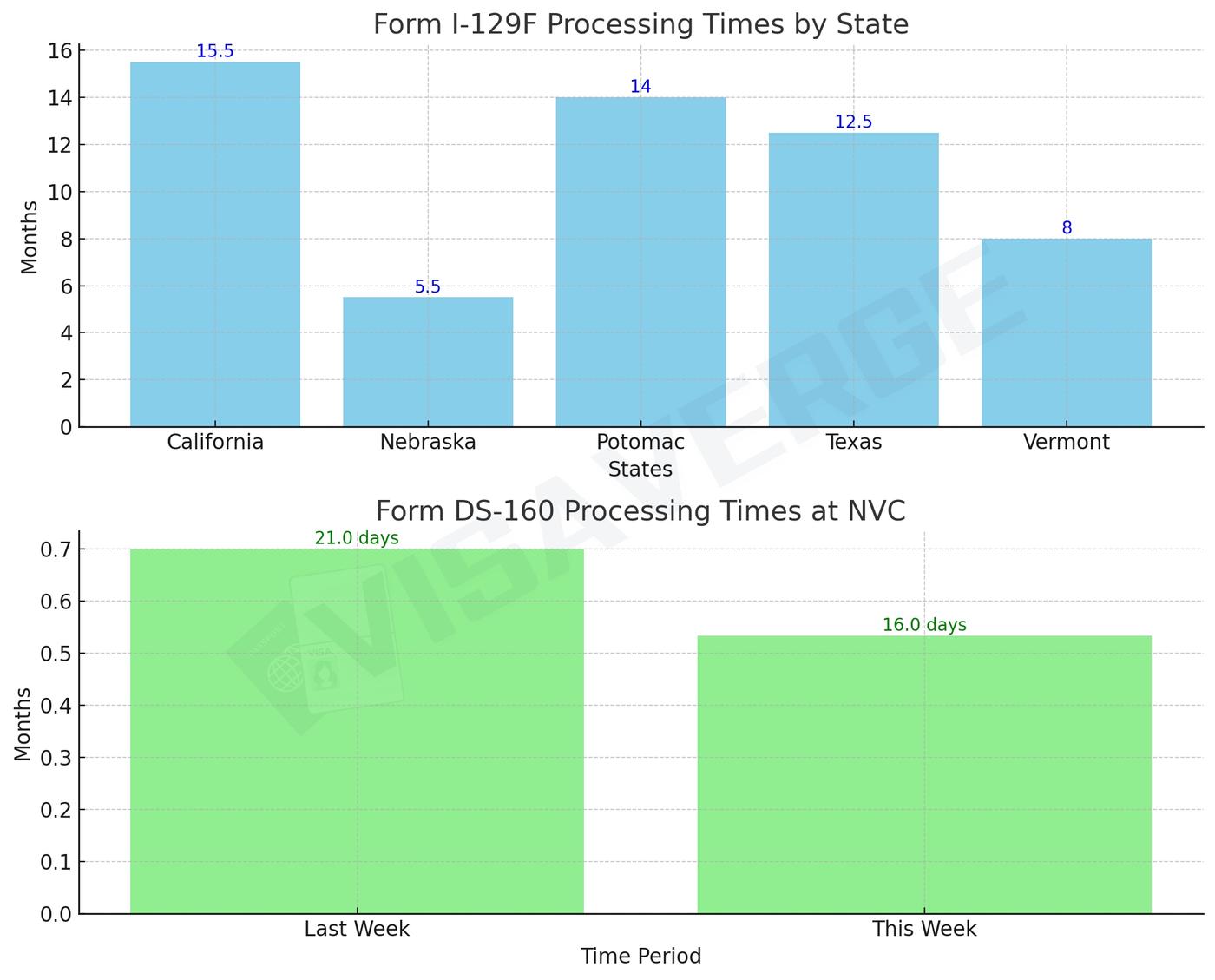
Service Center Backlogs: Your case is processed at a specific USCIS service center based on your U.S. residence. Each center operates with different staffing levels and caseloads. Consequently, an applicant in one region may see a faster approval rate than someone in another, even if the petitions are identical in complexity.
Request for Evidence (RFE): This is one of the most common causes of significant delays. If the USCIS officer reviewing your I-129F believes that the initial evidence of a bona fide relationship—or evidence of your intent to marry—is insufficient, they will issue an RFE. This stops the "clock" on your case until the requested documentation is submitted and reviewed. Providing comprehensive, well-organized documentation at the start of the process is the most effective way to prevent this delay.
Administrative Processing at the Embassy: Once your case reaches the local consulate, the visa interview is the final gate. If the consular officer requires additional administrative processing—often due to security clearances, the need for further medical screenings, or doubts regarding the validity of the relationship—the case can be delayed by weeks or even months beyond the initial appointment date.
Breakdown of the Application Stages
To better manage your expectations, it is helpful to view the timeline as a series of distinct operational blocks.
- Form I-129F Adjudication: This is the time USCIS takes to approve the initial petition. This varies based on the specific service center’s current published processing times.
- NVC Transit Period: After USCIS approval, the case moves to the National Visa Center. This phase involves file creation and routing to the destination embassy. This typically takes 30 to 60 days.
- Embassy Preparation and Scheduling: The embassy or consulate must receive the file, input it into their system, and provide instructions to the beneficiary regarding the medical exam and interview scheduling.
- The Consular Interview: After all documents are submitted and the medical exam is completed, the embassy conducts the interview. Processing for the actual visa stamp following a successful interview usually takes one to two weeks.
Comparison of Processing Phases
| Phase | Responsible Agency | Typical Purpose |
|---|---|---|
| I-129F Petition | USCIS | Establishing relationship and eligibility. |
| File Transit | NVC | Routing the approved file to the consulate. |
| Document Collection | Beneficiary | Providing police certificates and medical records. |
| Consular Interview | DOS/Embassy | Final vetting and visa adjudication. |
Strategies to Minimize Delays
While you cannot control the internal workload of a federal agency, you can control the quality and speed of your submissions. Proactive management is essential.
1. Front-Load Your Evidence: Do not wait for an RFE to provide proof of your relationship. Include primary evidence such as flight itineraries showing visits, joint bank account statements, photographs of time spent together, and correspondence histories. Providing high-quality evidence upfront demonstrates that your relationship is legitimate and ongoing.
2. Ensure Technical Compliance: USCIS is strict regarding formatting and completeness. Ensure all forms are signed in the correct locations, that all fees are paid in the exact amount using the correct payment method, and that all supporting documents are translated if they are not in English. Even minor administrative errors can result in the return of your package, which adds weeks of delay as you re-submit.
3. Monitor Your Contact Information: Ensure that your address and contact information on file with USCIS and the NVC are current. If you move during the process, file Form AR-11 (Alien’s Change of Address Card) immediately. Missing a notice from the government because it was sent to an old address is a preventable disaster.
4. Stay Organized with Embassy Requirements: Every embassy has unique requirements regarding document submission (e.g., specific police certificates or medical forms). Visit the official website of the U.S. Embassy or Consulate where the interview will take place well before your interview date. Familiarize yourself with their specific local requirements to ensure you have all documents ready to present on the day of the appointment.
Handling Potential Challenges and Troubleshooting
If you find that your case is taking significantly longer than the posted processing times, there are formal channels to inquire about the status. USCIS provides an online portal to check the status of your case using your receipt number. If your case falls outside the "normal" processing time—defined by USCIS as the time it takes to process the majority of cases—you may be eligible to submit an "outside normal processing time" inquiry through the USCIS website.
Avoid repetitive or excessive inquiries, as these can actually slow down the processing of your file by requiring officers to pause their work to respond to status requests. If you have significant life changes, such as a change in employment or the birth of a child, consult with an immigration attorney to determine if you need to provide an update to the authorities, as this may impact your affidavit of support requirements.
Frequently Asked Questions
Does paying a premium fee speed up my K-1 visa? No. There is no premium processing available for Form I-129F. The processing sequence is strictly determined by the filing date and the operational capacity of the specific USCIS service center processing your petition.
What happens if my petition is denied? If your petition is denied, you will receive a Notice of Action explaining the reasons for the denial. Depending on the reason, you may be able to file an appeal, file a motion to reopen, or simply address the deficiencies and re-file. It is highly recommended to seek legal counsel if your petition is denied, as the legal nuances of an appeal are significant.
Can I travel while my K-1 petition is pending? The petitioner can generally travel, but the beneficiary must be cautious. Because the K-1 is a nonimmigrant intent-based petition, entering the U.S. on a tourist visa while a K-1 is pending can lead to issues with "immigrant intent" at the border. Consult with an immigration attorney regarding specific travel plans during this period.
How long is the K-1 visa valid once issued? A K-1 visa is typically valid for six months from the date of issuance. You must enter the United States within this window. Once you enter, you have 90 days to marry your U.S. citizen fiancé(e).
Professional Recommendation
The K-1 visa process is a complex legal procedure that carries significant weight for your future in the United States. Given the variations in processing times and the high stakes of a denial, ensure all forms are completed with precision. If you face complex issues, such as prior immigration violations or criminal history, it is strongly advised to consult with a qualified immigration attorney before filing. For most applicants, maintaining a digital folder of all submitted documents and tracking receipts is the most effective way to navigate the system with confidence.
Image Gallery