Understanding the Lerner Family Nationals Impact
The Lerner family’s ownership of the Washington Nationals profoundly reshaped Major League Baseball in the nation's capital, transforming a relocated franchise into a World Series champion while navigating complex stadium financing, br...
The Lerner family’s ownership of the Washington Nationals profoundly reshaped Major League Baseball in the nation's capital, transforming a relocated franchise into a World Series champion while navigating complex stadium financing, broadcasting disputes, and a subsequent organizational pivot toward a long-term rebuild.
Contents
Introduction to the Lerner Family Era in Washington
When a group led by billionaire real estate developer Ted Lerner was awarded the Washington Nationals franchise in July 2006, Major League Baseball returned to the District of Columbia after a 34-year absence. The franchise, formerly the Montreal Expos, had spent its first three seasons in Washington under MLB ownership. The transition to the Lerner family brought private capital, real estate development acumen, and a corporate governance structure centered around family management.
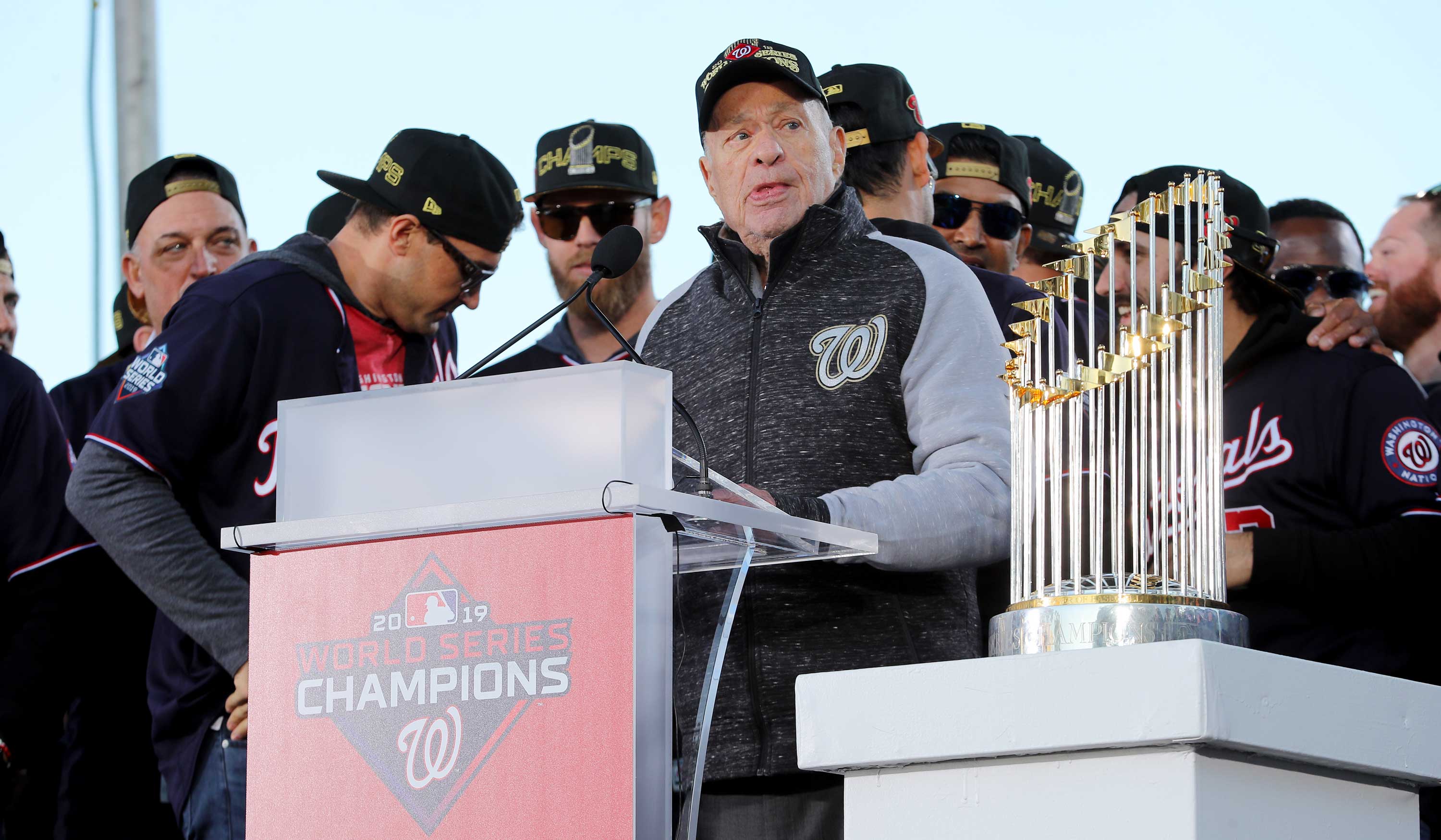
Understanding the Lerner family Nationals impact requires examining multiple facets of modern sports ownership. This includes real estate development surrounding the ballpark, local broadcast rights negotiations, player acquisition strategies, competitive cycles, and the eventual exploration of franchise sale processes. Over nearly two decades, the ownership group guided the organization from an expansion-style roster into a perennial contender, culminating in the 2019 World Series championship, before pivoting toward strategic restructuring.
Financial Structuring and Ballpark Real Estate Development
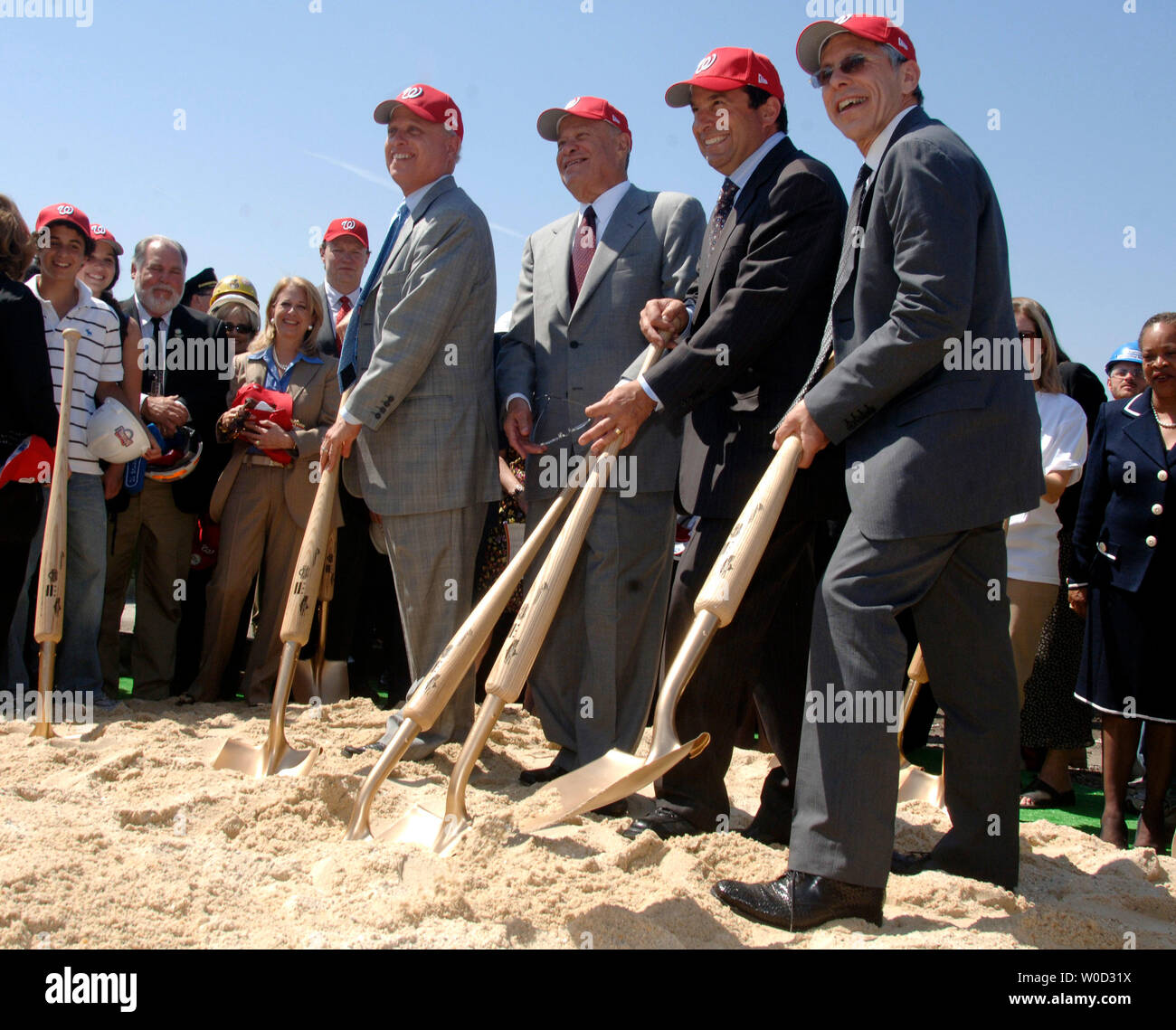
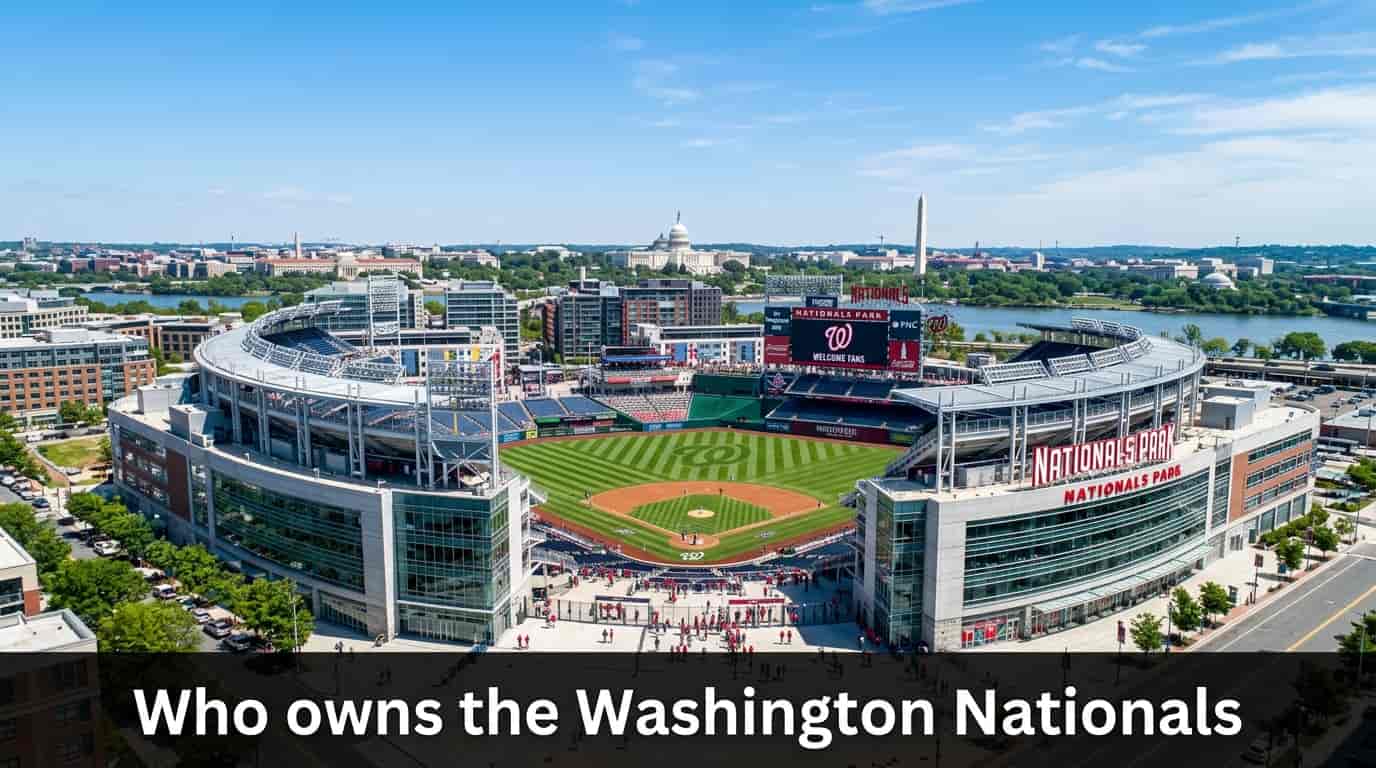
One of the most enduring legacies of the Lerner family's tenure involves the development of Nationals Park and the surrounding neighborhood in Southeast Washington, D.C. The stadium itself was financed primarily through public bonds issued by the District of Columbia, backed by corporate taxes, ballpark fees, and utility taxes. However, the economic impact extended far beyond the concrete and steel of the ballpark.
Ted Lerner’s background as the founder of Lerner Enterprises, one of the largest real estate developers in the Washington metropolitan area, heavily influenced the club's integration with the local economy. The ownership group leveraged land around Nationals Park to catalyze the transformation of the Capitol Riverfront and Navy Yard neighborhoods.
- Public-Private Synergy: While the city funded the ballpark construction, private investments followed rapidly, spurred by the guaranteed foot traffic of 81 home games per year.
- Commercial Real Estate Growth: Residential buildings, office spaces, restaurants, and retail establishments emerged around the stadium footprint, turning a largely industrial waterfront into a high-density urban hub.
- Property Valuation Shifts: The economic valuation of land in Ward 6 experienced exponential growth following the opening of Nationals Park in 2008, altering municipal tax revenues and commercial leasing dynamics.
The MASN Dispute and Regional Broadcasting Economics
A critical financial component of the Lerner family's operational landscape has been the long-running dispute over television broadcast rights fees involving the Mid-Atlantic Sports Network (MASN). MASN is a regional sports network jointly owned by the Washington Nationals and the Baltimore Orioles, with the Orioles holding the majority equity stake under an agreement brokered by Major League Baseball when the Expos relocated to Washington.
The agreement mandated that broadcast rights fees paid to the Nationals would be renegotiated periodically. Disagreements over the fair market value of these rights led to years of protracted legal battles, arbitration hearings through MLB's Revenue Sharing Definitions Committee, and civil litigation in New York and D.C. courts.
This ongoing financial friction impacted the Nationals' operational cash flow and payroll flexibility. Because a significant portion of the team's long-term revenue projections depended on MASN distributions, delays and legal costs forced the ownership group to manage cash reserves carefully during transition phases between competitive eras.
On-Field Competitiveness, Payroll Strategy, and the 2019 World Series
The sporting impact of the Lerner family is defined by distinct operational phases: a foundational rebuilding period, an era of sustained dominance, and a post-championship roster liquidation.
During the early years of their ownership, the franchise focused on drafting elite talent through high amateur draft picks. This strategy yielded cornerstone players such as Stephen Strasburg and Bryce Harper. As the farm system matured, the ownership group demonstrated a willingness to increase payroll significantly, transitioning the Nationals into a high-spending large-market club.
| Era / Phase | Primary Strategy | Key Milestones & Outcomes |
|---|---|---|
| 2006–2011 | Infrastructure building, drafting, and asset accumulation. | Securing top draft picks, establishing the minor league system. |
| 2012–2018 | Aggressive payroll expansion, veteran acquisitions, division titles. | Multiple National League East division titles, postseason appearances. |
| 2019 | Balanced veteran core, high-end pitching, late-season surge. | Winning the franchise's first World Series championship. |
| 2021–Present | Roster teardown, prospect acquisition, payroll reduction. | Trading veteran stars, rebuilding the minor league pipeline. |
The peak of the Lerner era occurred in October 2019, when the Nationals defeated the Houston Astros in seven games to capture the World Series title. This victory validated the ownership's financial investments in elite pitching and veteran free agents, cementing the franchise's place in Washington sports history.
Franchise Valuation, Exploratory Sale Processes, and Succession
As the team transitioned into a rebuilding phase following the 2019 championship, the business realities of sports ownership shifted. In April 2022, the Lerner family announced that they were exploring potential ownership changes, including a full or partial sale of the franchise.
The announcement reflected broader economic trends in professional sports, where franchise valuations had risen exponentially due to lucrative national media contracts, streaming platforms, and scarcity value. However, unlike many recent sports franchise transactions that concluded swiftly, the exploratory sale process for the Nationals extended over a prolonged period. Complexities involving the ongoing MASN litigation with the Baltimore Orioles, macroeconomic shifts in debt markets, and internal family succession planning influenced the decision to pause the active sale process in early 2023.
Mark Lerner, who assumed the role of managing principal as Ted Lerner stepped back from day-to-day operations, confirmed that the family intended to retain ownership while evaluating long-term operational strategies. This continuity ensured stability within the front office led by General Manager Mike Rizzo and Manager Dave Martinez, even as the major league roster underwent a complete overhaul.
Community Engagement and Philanthropy
Beyond economics and athletic competition, the Lerner family Nationals impact includes substantial philanthropic and community engagement initiatives through Washington Nationals Philanthropies. The foundation focuses on youth baseball and softball development, STEM education, and health and wellness programs in the Washington, D.C. community.
The flagship initiative of the foundation is the Nationals Youth Baseball Academy, located in Ward 8. The facility provides year-round baseball and softball instruction alongside academic enrichment programs for children in underserved D.C. neighborhoods. By investing heavily in community infrastructure east of the Anacostia River, the ownership group integrated the franchise into the social fabric of the District, fulfilling a mandate set by local leaders when the ballpark was originally approved.
Frequently Asked Questions
When did the Lerner family purchase the Washington Nationals?
The Lerner family led an ownership group that purchased the Washington Nationals from Major League Baseball in July 2006. MLB had previously owned and operated the franchise since relocating it from Montreal prior to the 2005 season.
What caused the broadcasting dispute between the Nationals and Orioles?
The dispute centers on the Mid-Atlantic Sports Network (MASN), which is co-owned by both teams. Disagreements arose over the fair market value of broadcast rights fees owed to the Nationals, resulting in multi-year legal proceedings and MLB committee arbitrations over revenue distribution formulas.
Did the Lerner family sell the Washington Nationals?
No. While the Lerner family initiated an exploratory sale process in April 2022 to evaluate potential buyers or minority partners, they announced in early 2023 that they were halting the sales process and retaining ownership of the franchise.
How did the Nationals stadium impact the local economy?
Nationals Park served as the catalyst for the rapid commercial and residential development of the Capitol Riverfront and Navy Yard neighborhoods in Southeast Washington, D.C., transforming an industrial waterfront into a major urban commercial and residential center.
What is Washington Nationals Philanthropies?
Washington Nationals Philanthropies is the official charitable arm of the team, managing community investments such as the Nationals Youth Baseball Academy in Ward 8, which provides athletic and academic programming for local youth.
Conclusion and Next Actions
Evaluating the Lerner family Nationals impact requires looking at the dual nature of modern sports ownership: running a competitive enterprise while managing complex real estate, legal, and community responsibilities. For observers tracking the franchise, the key indicators of future organizational health include the graduation rate of prospects from the restructured minor league system, the final resolution of the MASN broadcasting valuation disputes, and the long-term capital allocation strategy of the ownership group. Stakeholders and fans should monitor front-office decisions regarding player retention and payroll adjustments as the franchise moves further away from its 2019 championship core toward its next competitive window.
Image Gallery