Understanding Life Insurance in Fife: A Guide for Residents
Securing life insurance in Fife involves navigating the specific regulatory framework of the United Kingdom, where policies are designed to provide financial stability for dependents or to cover liabilities like mortgages. By understan...
Securing life insurance in Fife involves navigating the specific regulatory framework of the United Kingdom, where policies are designed to provide financial stability for dependents or to cover liabilities like mortgages. By understanding the differences between term, whole-of-life, and critical illness cover, Fife residents can align their protection with their personal financial obligations and long-term goals.
Contents
The Landscape of Life Insurance in Fife
Life insurance in Fife functions under the same legal and regulatory standards as the rest of Scotland and the broader United Kingdom. As of 2026, the industry is overseen by the Financial Conduct Authority (FCA). Residents of Fife looking to obtain coverage are not subject to local regional restrictions; rather, they interact with national providers, brokers, and independent financial advisors who operate within the Scottish legal system.
When considering life insurance, it is critical to recognize that while the product remains consistent across the UK, the application of Scottish law—particularly regarding trusts and inheritance—can sometimes differ from English law. Setting up a life insurance policy "in trust" is a common mechanism used by Fife residents to ensure that payouts go directly to beneficiaries, potentially avoiding the delays associated with the Scottish confirmation process (equivalent to probate).
Types of Life Insurance Available
Understanding the specific types of insurance is the first step in determining what is necessary for your household. Each category serves a distinct financial purpose:
- Level Term Assurance: This pays out a fixed lump sum if you pass away during the policy term. It is commonly used to provide a safety net for a family or to pay off a non-decreasing debt.
- Decreasing Term Assurance: Often referred to as mortgage protection, the payout amount decreases over time in line with a repayment mortgage balance. If you die during the term, the policy is designed to cover the outstanding debt on your home.
- Whole-of-Life Insurance: Unlike term insurance, this covers you for your entire life, provided you continue paying the premiums. It is often used for inheritance tax planning or to cover funeral expenses.
- Family Income Benefit: Instead of a lump sum, this policy provides a regular monthly tax-free income to your dependents for the remainder of the policy term if you were to pass away.
Core Considerations for Fife Residents
When evaluating your requirements, focus on your total debt, your dependents' needs, and your long-term income replacement goals. Many Fife residents find it helpful to calculate their "need" by subtracting their existing assets (savings, pension pots, or other insurance) from their total projected liabilities.
Comparative Overview of Life Insurance Products
| Feature | Level Term | Decreasing Term | Whole-of-Life |
|---|---|---|---|
| Duration | Fixed period | Fixed period | Entire life |
| Payout | Fixed sum | Decreases over time | Fixed (usually) |
| Primary Use | Family support | Mortgage cover | Inheritance tax/Funeral |
| Cost | Usually lower | Often cheapest | Usually higher |
The Role of Medical Underwriting
In 2026, the application process for life insurance remains heavily dependent on medical underwriting. When you apply for a policy, providers will ask detailed questions regarding your health history, lifestyle, and occupation.
It is vital to be transparent during this phase. Non-disclosure of relevant health information—even if considered minor by the applicant—can lead to a policy being voided when a claim is made. In Fife, as in the rest of the UK, the insurer relies on the principle of uberrima fides (utmost good faith). If you have existing medical conditions, providers may request a report from your GP or, in some cases, require a medical examination.
Taxation and Legal Structures
One of the most important aspects of "understanding life insurance" is how the payout is treated legally. In Scotland, when you take out a policy, you should speak with your insurer or an advisor about placing the policy in a trust.
By placing a policy in trust, the proceeds of the life insurance are typically paid directly to the nominated beneficiaries rather than to your estate. This is advantageous because it can speed up the access to funds for your family, as they do not need to wait for the confirmation process to be finalized. Furthermore, if the policy is held in trust, the payout may not be considered part of your estate for the purpose of Inheritance Tax (IHT).
Navigating Claims and Financial Guidance
Should a claim need to be made, the process usually begins by notifying the insurance provider. In 2026, most major insurers have digitized these workflows, allowing for faster processing of death certificates and supporting documentation.
If you are unsure about the type of cover required, seeking advice from an FCA-regulated financial advisor is recommended. While you can purchase insurance directly from comparison websites, an advisor can help you assess your total financial exposure, verify the suitability of a policy, and ensure that your trust documents are set up correctly under Scottish law.
Common Pitfalls to Avoid
- Under-insuring: Many residents base their coverage only on their mortgage balance, failing to account for living costs, childcare, or loss of household income.
- Ignoring Critical Illness Cover: Standard life insurance only pays out on death. Many people in Fife supplement their policies with Critical Illness Cover, which provides a payout upon the diagnosis of specific conditions like cancer, stroke, or heart attack.
- Forgetting to Review: Life insurance is not a "set and forget" product. Every time you experience a major life event—such as buying a new property in Fife, getting married, or having a child—you should review your coverage levels.
Frequently Asked Questions
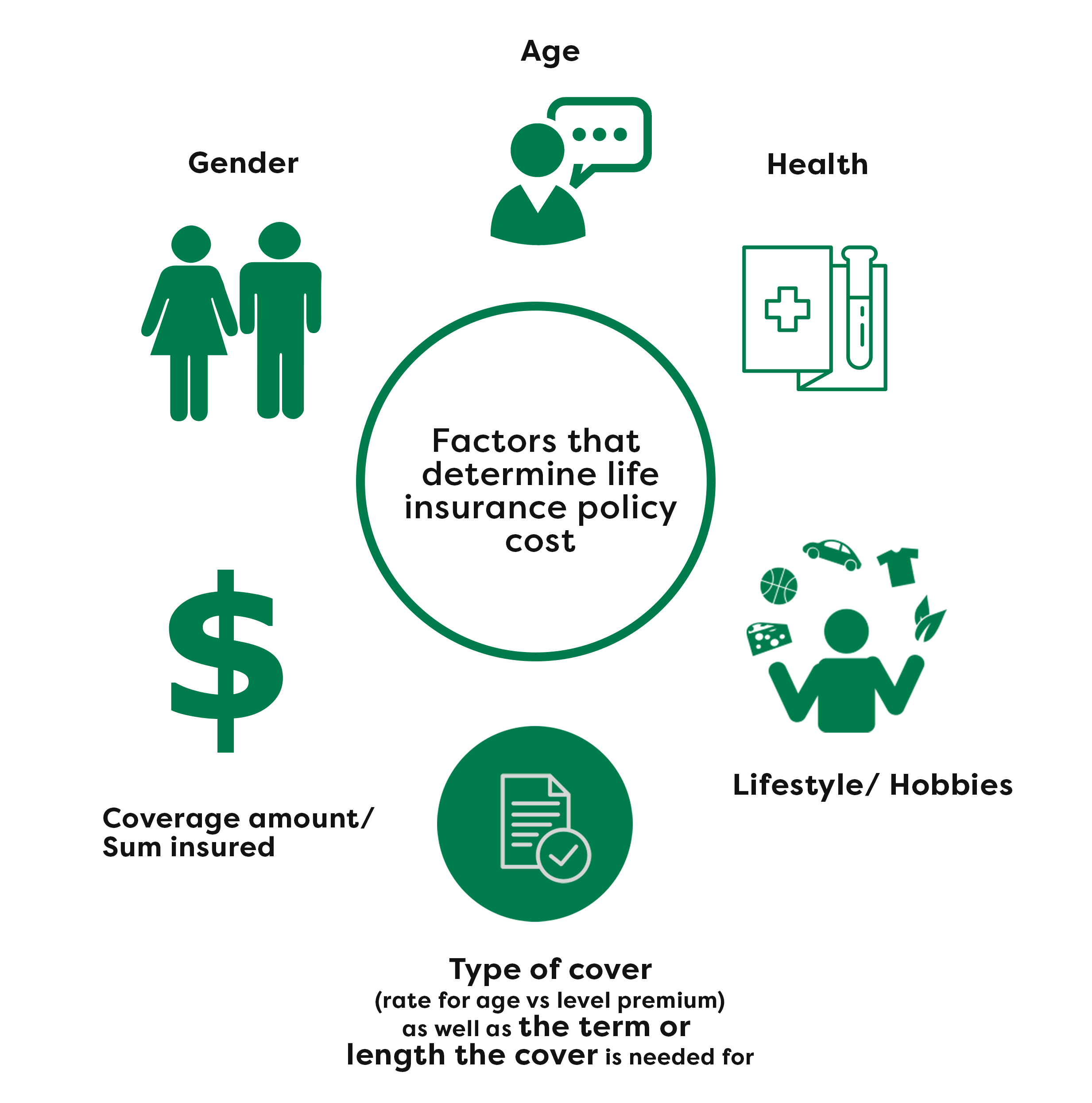
Does location within Fife affect my premiums? No, life insurance premiums in the UK are generally based on your age, health status, lifestyle (such as smoking), and occupation, rather than your specific postcode within Fife.
Is life insurance mandatory if I have a mortgage? While mortgage lenders may strongly suggest that you hold life insurance to protect the loan, it is rarely a legal requirement. However, it is a prudent risk management tool for any homeowner.
What happens if I change my job or move house? You should inform your insurer of significant changes, particularly if your new occupation is considered higher risk. Moving house may also necessitate a review of your coverage if your mortgage amount has changed.
Can I hold more than one life insurance policy? Yes. You can hold multiple policies to cover different needs, such as one policy for mortgage protection and another for long-term family income replacement.
Do I need an advisor to purchase life insurance? You do not need an advisor to purchase a policy; however, they can provide essential guidance on trusts and ensuring the amount of cover is appropriate for your specific circumstances.
How is the payout taxed? In the UK, life insurance payouts are generally not subject to income tax. If placed in a trust, they are also typically excluded from your estate for Inheritance Tax purposes.
Next Steps for Fife Residents
To begin, audit your current financial liabilities. Create a spreadsheet listing your mortgage, personal loans, and projected costs for dependents over the next ten to twenty years. If your existing coverage does not meet these figures, contact an authorized financial advisor or search for policies through reputable, FCA-regulated comparison providers. Ensure that your final decision includes the arrangement of a trust to maximize the efficiency of your legacy planning.
Image Gallery