Exports from Venezuela in the Global Market: Dynamics, Challenges, and Structure
Exports from Venezuela in the global market have undergone a profound transformation over the past few decades, shifting from a position of hemispheric energy dominance to a heavily constrained trade environment shaped by geopolitical...
Exports from Venezuela in the global market have undergone a profound transformation over the past few decades, shifting from a position of hemispheric energy dominance to a heavily constrained trade environment shaped by geopolitical shifts, international sanctions, infrastructure degradation, and state-directed economic policies. While the nation historically relied almost entirely on hydrocarbon revenues to fund its domestic economy, contemporary international trade involves a complex matrix of shifting crude oil destinations, non-traditional agricultural shipments, and significant logistical hurdles.
Contents
Historical Context and the Rise of Hydrocarbon Dominance
To understand the current positioning of Venezuelan trade, one must examine how the country integrated into international commerce during the twentieth century. For decades, Venezuela operated as one of the world's primary petroleum suppliers. The discovery and large-scale exploitation of oil reserves around Lake Maribor and the Orinoco Belt turned the national economy into a classic petro-state.
During this era of peak integration, state-owned Petróleos de Venezuela, S.A. (PDVSA) established extensive refining and distribution networks across North America, Europe, and the Caribbean. Crude exports accounted for over 90 percent of total export earnings, making the broader domestic economy acutely sensitive to fluctuations in international crude benchmarks such as Brent and West Texas Intermediate (WTI). This extreme reliance created a structural vulnerability: when production capacities faltered or international prices plummeted, the entire trade balance contracted rapidly.
In addition to oil, historical trade profiles included manufactured goods, basic metals such as aluminum and steel produced by state-run heavy industries in the Guayana region, and select agricultural commodities like coffee and cocoa. However, the crowding out of non-oil sectors—a phenomenon often referred to in economic literature as the "Dutch Disease"—meant that diversification remained limited.
The Modern Export Portfolio: Segmentation and Current Status
Today, the composition of Venezuelan outbound trade reflects both the legacy of state industrialization and the reality of prolonged operational underinvestment and external economic restrictions.
Crude Oil and Petroleum Products
Crude oil remains the single largest nominal component of Venezuelan external sales, though volume metrics sit far below historical highs. Production figures, which once exceeded three million barrels per day, dropped substantially due to chronic underinvestment, maintenance backlogs, brain drain among technical personnel, and the imposition of comprehensive sectoral sanctions by the United States beginning in 2019.
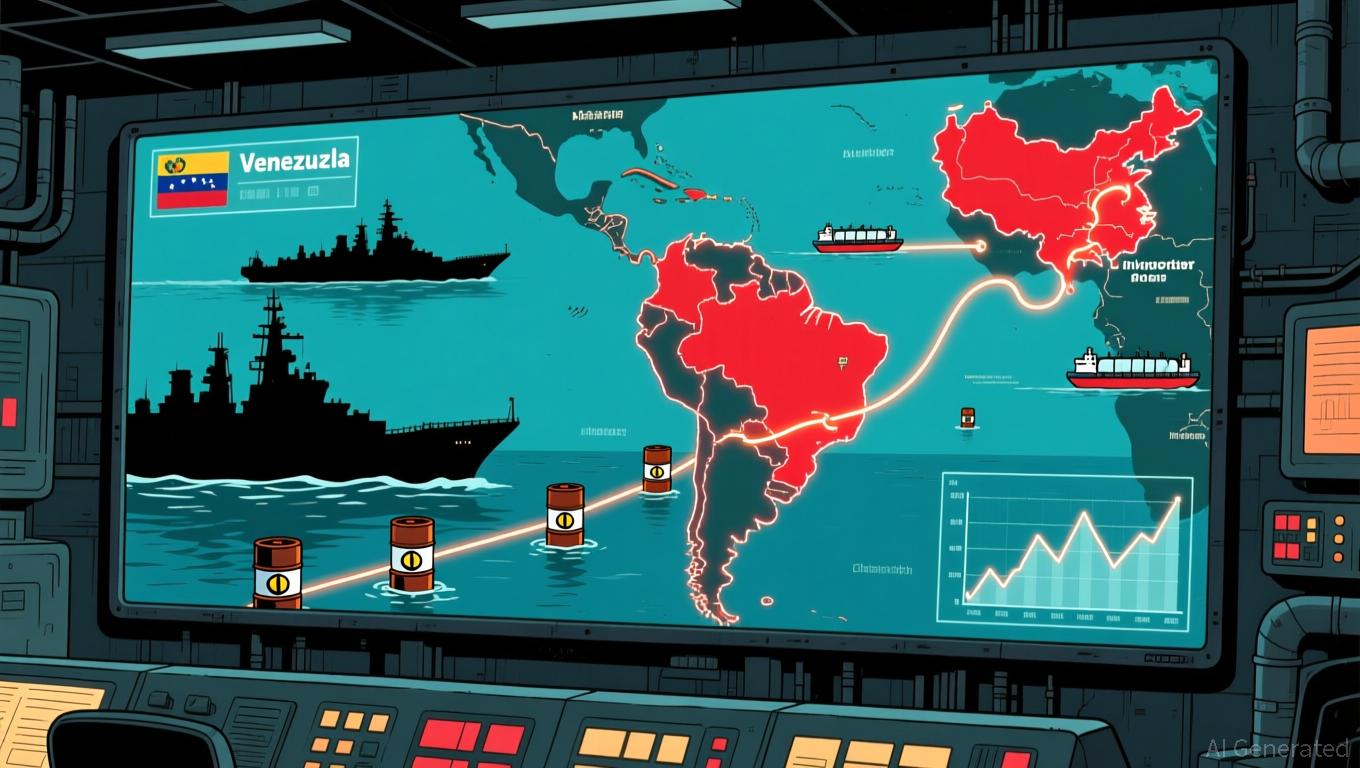
In response to international sanctions and licensing restrictions, the destination markets for Venezuelan crude shifted dramatically. Traditional refining hubs in the United States Gulf Coast were largely replaced by alternative routes, involving ship-to-ship transfers, obscure intermediary trading entities, and increased shipments to Asian markets, predominantly the People's Republic of China, often routed through third countries to obscure origins. Following the issuance of targeted temporary licenses by the United States Office of Foreign Assets Control (OFAC) to select international operators like Chevron, certain direct exports to Western markets resumed under strict regulatory supervision, though overall volumes remain tightly controlled.
Non-Traditional Sectors: Agriculture, Mining, and Metals
Beyond hydrocarbons, efforts to diversify trade have focused on non-traditional sectors, though their aggregate contribution to total export value remains modest.
- Agriculture: Traditional agricultural goods such as high-grade cocoa beans, specialty coffees, and tropical fruits find niche markets in Europe, North America, and parts of the Middle East. Producers often operate independently of state trade monopolies, navigating complex domestic bureaucratic channels to reach foreign buyers.
- Mining and Minerals: The exploitation of the Orinoco Mining Arc brought increased attention to gold, coltan, and other minerals. A significant portion of these mineral exports moves through informal or non-traditional channels, facing intense scrutiny from international watchdogs regarding environmental degradation, labor practices, and transparency.
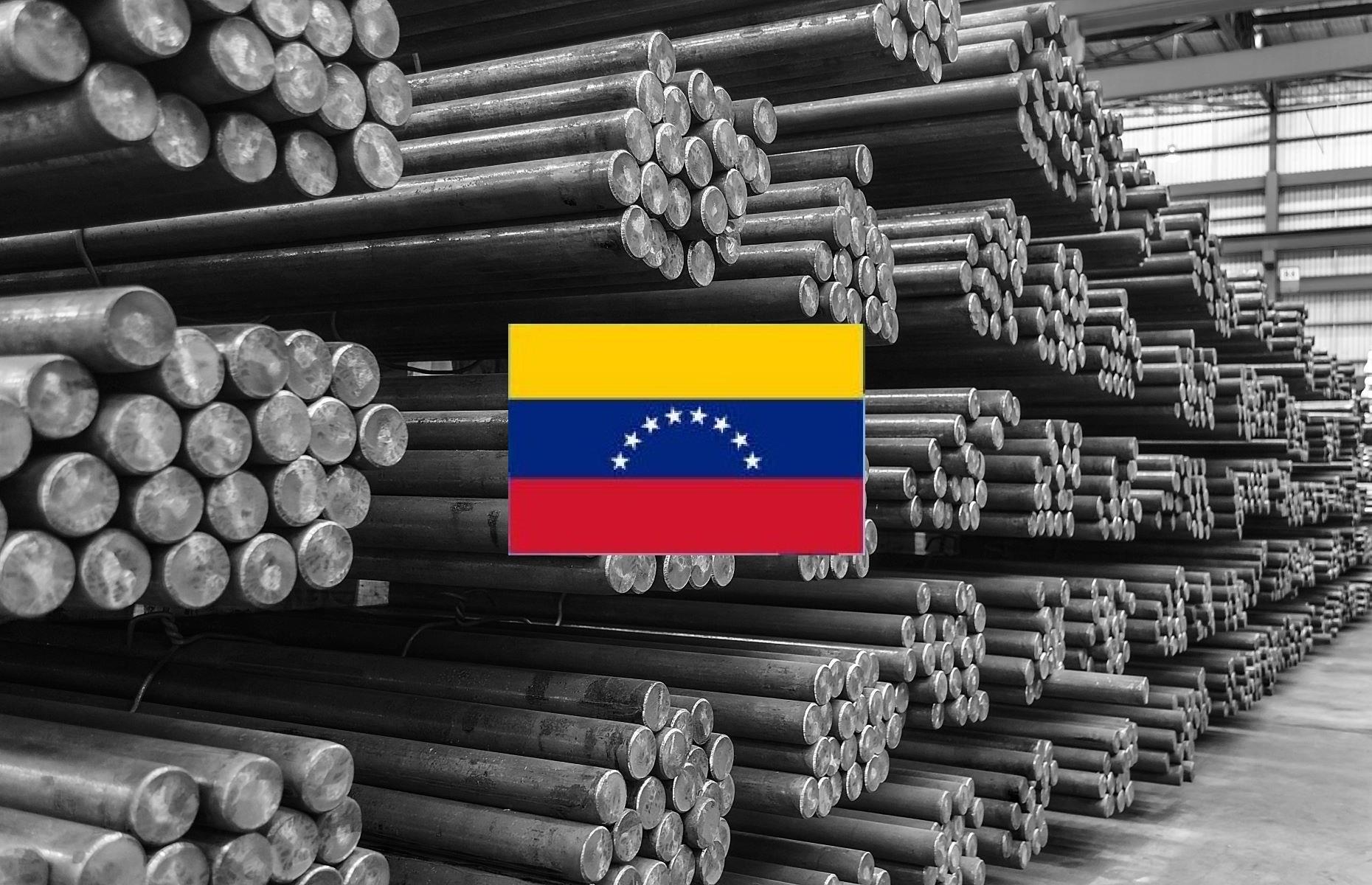
- Petrochemicals and Industrial Goods: Basic manufacturing, steel, and aluminum outputs from Guayana enterprises operate at a fraction of their historical capacity. Most chemical and fertilizer shipments are directed toward regional Latin American partners and select allies.
| Sector | Primary Products | Key Destination Markets | Main Operational Constraints |
|---|---|---|---|
| Hydrocarbons | Heavy crude, refined products, diluted bitumen | China, United States (under specific licenses), Europe | Sanctions compliance, infrastructure decay, lack of diluents |
| Agriculture | Cocoa, coffee, seafood, tropical fruit | European Union, United States, Middle East | Logistics, phytosanitary certification, cold-chain gaps |
| Mining | Gold, industrial minerals | Informal regional hubs, international refineries | Regulatory opacity, environmental compliance issues |
| Manufacturing | Steel, aluminum, petrochemicals | Latin America, domestic-adjacent markets | Equipment obsolescence, unstable power supply |
Logistical, Regulatory, and Compliance Frameworks
Engaging in international trade involving Venezuelan entities requires navigating an intricate web of legal frameworks, compliance mandates, and physical bottlenecks.
Geopolitical Sanctions and Compliance
The regulatory landscape is dominated by international sanctions regimes. For firms based in jurisdictions aligned with Western sanctions, transacting with Venezuelan state entities requires meticulous legal review. Compliance departments must verify whether specific transactions fall under general licenses, require explicit authorization from regulatory bodies like OFAC, or are entirely prohibited. This compliance burden has increased transaction costs, limited the pool of willing international shipping and insurance providers, and forced reliance on specialized, non-traditional maritime logistics.
Port Infrastructure and Transport Logistics
Physical infrastructure presents continuous challenges for exporters. Major ports such as Puerto Cabello and La Guaira have experienced periods of severe congestion, equipment shortages, and administrative inefficiencies. Dredging maintenance, container handling equipment reliability, and customs clearance procedures often introduce unpredictable delays.
Furthermore, the maritime transport sector servicing Venezuelan routes faces elevated insurance premiums. Because of perceived geopolitical risks and regulatory uncertainties, many mainstream protection and indemnity (P&I) clubs and shipping lines decline to service Venezuelan ports, leading to higher freight costs and reliance on a specialized, older tanker fleet.
Economic Impacts and Macroeconomic Integration
The evolution of Venezuelan exports directly impacts macroeconomic stability, foreign exchange generation, and domestic price formation. When export revenues contract, the national treasury faces severe constraints in funding public services, importing essential foodstuffs and pharmaceuticals, and stabilizing the local currency.
Conversely, minor recoveries in export volumes or temporary easing of sanctions provide immediate, albeit often volatile, relief to foreign exchange reserves. This dynamic creates a boom-and-bust cycle within the domestic market, where macroeconomic indicators fluctuate in tandem with international oil prices and geopolitical negotiations.
The shrinking of diversified industrial exports has also left the economy vulnerable to external shocks. Without a robust base of non-oil exports, the country lacks an independent cushion against petroleum market downturns, reinforcing the structural dependency on a single commodity class.
Future Outlook for Venezuelan Trade
Looking ahead, the trajectory of exports from Venezuela in the global market depends on several critical variables. Foremost among these are the evolution of domestic economic policy, the potential calibration or expansion of international sanctions, and the scale of capital investment required to rehabilitate upstream oil fields and downstream transport infrastructure.
Rebuilding export capacity to historical levels would necessitate billions of dollars in foreign direct investment, legal guarantees for foreign operators, and comprehensive structural reforms within state enterprises. Until such conditions materialize, Venezuelan trade is likely to remain characterized by constrained hydrocarbon volumes, adaptive and non-traditional routing mechanisms, and a heavily regulated, compliance-driven global market presence.
Frequently Asked Questions
What are the main products exported from Venezuela today?
Crude oil and petroleum products remain the primary export by value, despite significant production declines. Non-traditional exports include agricultural goods such as cocoa and coffee, as well as minerals like gold and basic industrial derivatives.
How do international sanctions affect Venezuelan trade?
International sanctions, particularly those imposed by the United States and the European Union, restrict direct trade with state entities like PDVSA. Exporters must navigate complex licensing requirements, utilize alternative shipping routes, and comply with strict regulatory oversight to avoid penalties.
Who are the primary trading partners for Venezuelan exports?
Due to shifting geopolitical alignments and sanctions, traditional Western markets have largely been replaced or supplemented by Asian destinations, predominantly China. Certain exports to the United States and Europe occur under specific, limited regulatory licenses.
Why did non-oil exports fail to replace declining oil revenues?
Decades of state intervention, price controls, nationalizations, and severe macroeconomic instability crippled domestic manufacturing and agricultural sectors. Chronic infrastructure deficiencies and logistical bottlenecks further hindered the growth of diversified export industries.
What role do private enterprises play in current Venezuelan exports?
Private companies drive almost all non-traditional exports, particularly in agriculture, fishing, and light manufacturing. These enterprises operate independently of state trade monopolies, though they still face domestic bureaucratic hurdles and foreign exchange restrictions.
Practical Next Actions for Trade Analysis
When evaluating trade opportunities or analyzing exposure related to Venezuelan markets, stakeholders should prioritize the following steps:
- Verify Compliance Status: Consult legal counsel and review current regulatory guidance from relevant authorities (such as OFAC or EU trade bodies) before engaging in any transaction involving Venezuelan state assets or entities.
- Audit Supply Chain Logistics: Assess the availability of compliant maritime insurance, vessel vetting records, and port handling capabilities to mitigate operational disruptions.
- Monitor Regulatory Updates: Keep track of temporary licensing agreements and diplomatic developments that frequently alter the parameters of allowable trade.
Image Gallery