The Ultimate Guide to Women’s Swing Tees: Style, Fit, and Fabric Selection
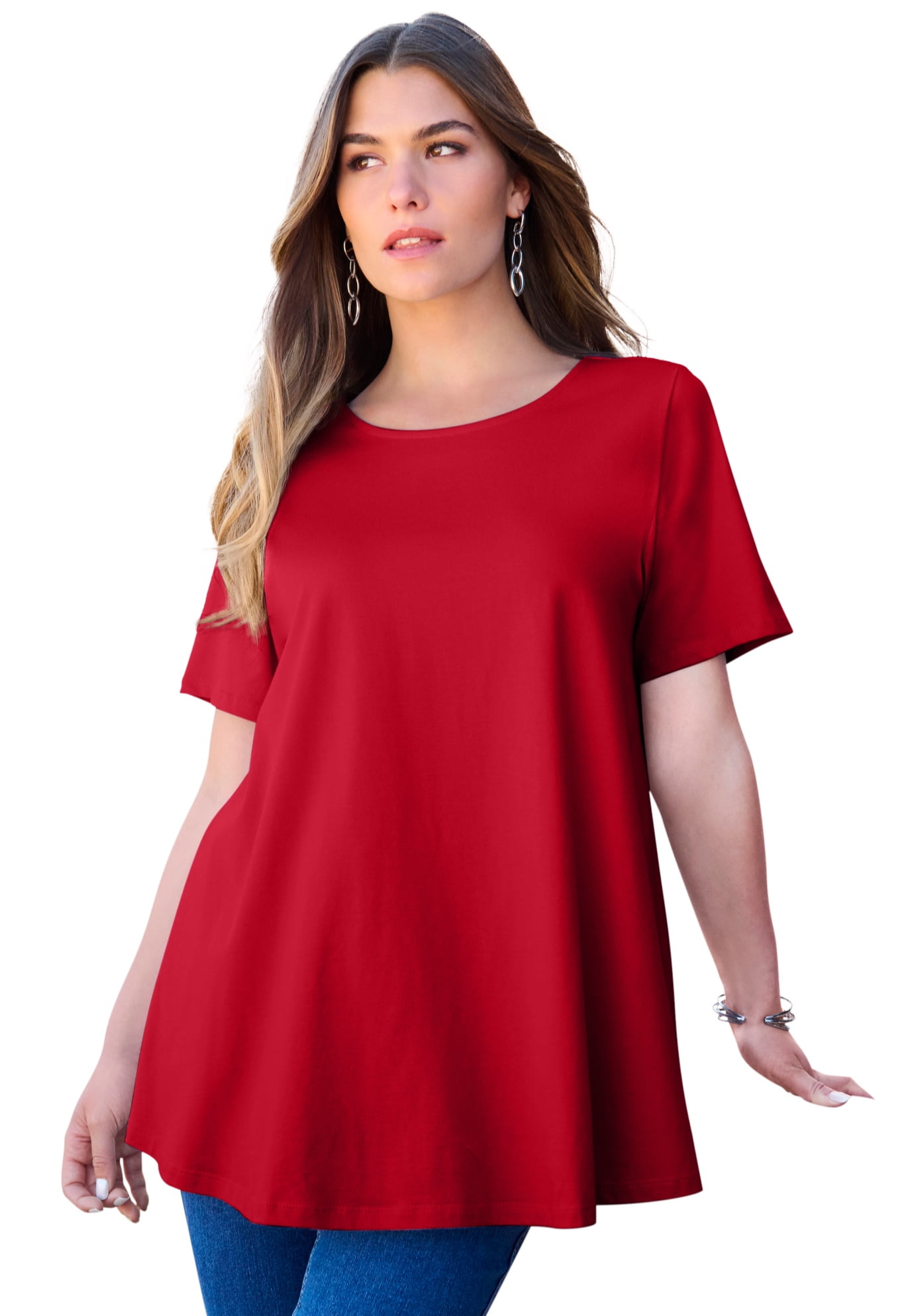
A women’s swing tee is a versatile top characterized by a fitted bust and an A-line silhouette that flares significantly toward the hem. This design creates a fluid, "swinging" motion during movement, offering a comfortable, non-restri...
A women’s swing tee is a versatile top characterized by a fitted bust and an A-line silhouette that flares significantly toward the hem. This design creates a fluid, "swinging" motion during movement, offering a comfortable, non-restrictive fit that flatters various body types. It serves as a modern wardrobe essential, balancing effortless casual style with functional elegance.
Contents
Understanding the Anatomy of a Swing Tee
The swing tee is more than just an oversized t-shirt; it is a precision-cut garment designed to create a specific geometric profile. Unlike a standard boxy tee or a fitted tunic, the swing tee relies on a triangular architectural principle. The garment remains anchored at the shoulders and chest, providing structure, while the additional fabric at the waist and hips creates volume without the bulk of traditional pleating.
In 2026, the construction of these tees has evolved to incorporate advanced textile engineering. Modern swing tees often feature a "bias-cut" influence, where the fabric is handled in a way that maximizes its natural elasticity and drape. This ensures that the flare does not simply hang limp but moves dynamically with the wearer’s stride. The hemline is another defining feature, often appearing in "high-low" variations or "sharkbite" styles (where the sides are longer than the center) to enhance the visual interest of the drape.
Why the Swing Silhouette Dominates Contemporary Fashion
The enduring popularity of the swing tee stems from its unique ability to solve multiple sartorial challenges at once. For many women, the primary appeal lies in the intersection of comfort and camouflage. The flared hem provides ample room through the midsection, making it an ideal choice for those who prefer not to wear body-conforming clothing.
Versatility Across Body Types
One of the most significant advantages of the swing tee is its universal flattery.
- Apple Shapes: The flare begins just below the bust, effectively skimming over the midsection without clinging.
- Pear Shapes: While some fear the extra volume, a well-proportioned swing tee that hits at the mid-hip can balance wider lower bodies by creating a cohesive, flowing line.
- Athletic Builds: The A-line shape adds the illusion of curves, softening a rectangular frame.
- Petite Frames: In 2026, petite-specific swing tees have become more prevalent, featuring scaled-down flares to ensure the wearer isn't overwhelmed by excess fabric.
Essential Fabrics: The Science of the "Swing"
The effectiveness of a swing tee is entirely dependent on its fabric composition. Without the right "weight" and "hand" (the feel of the fabric), the shirt will either look like a stiff tent or a shapeless sack.
Rayon and Spandex Blends
The most common and effective material for a swing tee is a blend of rayon (often viscose or modal) and a small percentage of spandex (usually 5%). Rayon is prized for its "cool-to-the-touch" feel and its exceptional draping qualities. When you move, rayon follows the body's momentum, creating that signature swing. The spandex provides "recovery," ensuring the neckline and shoulders don't stretch out of shape over time.
Tencel and Lyocell (The 2026 Standard)
As sustainability has moved to the forefront of textile production in 2026, Tencel (a brand of lyocell) has become a premium standard for swing tees. Tencel is derived from wood pulp and is processed in a closed-loop system. Technically, it offers even better moisture-wicking properties than cotton and a silkier drape than standard rayon, making it the preferred choice for high-end "athleisure" swing tops.
Cotton and Pima Blends
While 100% cotton is breathable, it lacks the natural "flow" required for a dramatic swing. To counter this, manufacturers often use Pima cotton—a long-staple fiber—blended with modal. This results in a shirt that feels like a traditional t-shirt but behaves like a performance fabric.
Technical Comparison: Swing Tee vs. Alternatives
Choosing the right top requires understanding how the swing tee differs from other common silhouettes. The following table outlines the technical specifications that distinguish these styles.
| Feature | Swing Tee | Standard T-Shirt | Tunic Top |
|---|---|---|---|
| Silhouette | A-Line / Flared | Straight or Contoured | Long and Linear |
| Bust Fit | Fitted | Variable | Loose or Fitted |
| Hem Movement | High (Dynamic Swing) | Low (Static) | Moderate |
| Fabric Weight | Lightweight / High Drape | Medium / Structured | Medium to Heavy |
| Best Used For | Concealing Midsection | Layering / Basics | Wearing with Leggings |
| Common Length | Mid-Hip to Upper Thigh | Waist to Hip | Mid-Thigh |
Styling Your Swing Tee for Every Occasion
The versatility of the swing tee allows it to transition from a morning yoga session to a professional environment with minimal adjustments. However, the key to styling a high-volume top is maintaining balance in the overall outfit.
The "Rule of Proportions"
Because the swing tee provides significant volume on the top half of the body, the bottom half should generally remain streamlined. Pairing a swing tee with wide-leg trousers can often result in a silhouette that lacks definition. Instead, consider the following pairings:
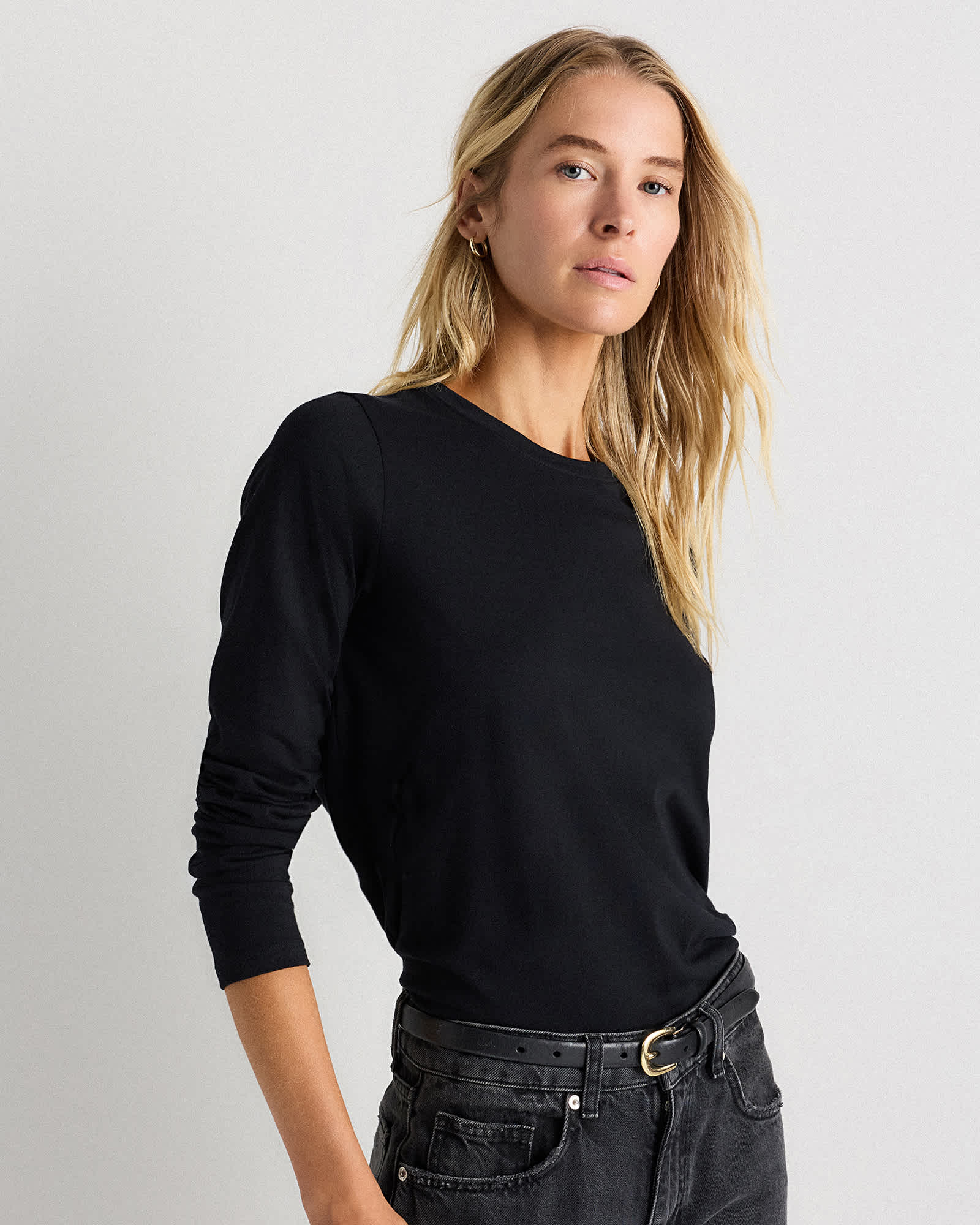
- Leggings and Skinny Jeans: This is the classic "uniform" for swing tees. The slim profile of the legs contrasts with the flare of the top, creating a balanced, modern look.
- Pencil Skirts: For a more formal or "office-ready" appearance, tucking a lightweight swing tee into a high-waisted pencil skirt can create a sophisticated "blouson" effect.
- Bike Shorts: A popular 2026 trend involves pairing an oversized swing tee with performance bike shorts for a high-contrast, functional summer outfit.
Layering Strategies
Layering a swing tee requires attention to the length of the outer garment. A cropped denim jacket works exceptionally well because it hits at the narrowest part of the waist, emphasizing the flare of the tee underneath. Conversely, a long, unstructured cardigan can complement the flow of the tee for a cozy, bohemian aesthetic.
Maintenance and Longevity: Keeping the Flare
To preserve the "swing" in your tee, proper maintenance is critical. Because these garments often rely on delicate fibers like modal or rayon, they are susceptible to pilling and losing their shape if mistreated.
- Wash Cold and Inside Out: High temperatures break down the elastic fibers (spandex) that keep the shoulders fitted. Washing inside out prevents the face of the fabric from rubbing against other garments, which causes pilling.
- Avoid the Dryer: Whenever possible, lay your swing tees flat to dry. Hanging them while wet can cause the weight of the water to pull the fabric downward, permanently stretching the hem and distorting the A-line shape.
- Storage: Fold your swing tees rather than hanging them. Gravity is the enemy of heavy-drape fabrics; over time, a hung tee will grow longer and narrower, losing its characteristic flare.
Common Pitfalls to Avoid
Despite its ease of wear, there are a few technical errors consumers often make when selecting a swing tee:
- Sizing Up Excessively: Many buyers think they need to size up to get more "swing." In reality, the swing is built into the pattern. Sizing up usually results in shoulders that are too wide and a neckline that gapes, which ruins the polished look of the garment.
- Ignoring the Shoulder Seam: The shoulder seam should sit exactly at the edge of your natural shoulder. If it droops down the arm, the shirt is too large, and the flare will start at the wrong point on your torso.
- Incompatible Undergarments: Because swing tees are often made of thinner, drapier fabrics, seamless bras are highly recommended to avoid visible lines across the chest where the fabric is most fitted.
Frequently Asked Questions
Is a swing tee the same as a trapeze top?
While very similar, they differ in where the flare begins. A trapeze top typically flares out directly from the neckline or armpits, creating a very wide, tent-like shape. A swing tee is generally more "fitted" through the bust and only begins its dramatic flare at the ribs or waist, providing more structure.
Can I wear a swing tee if I am petite?
Yes, but look for "petite" sizing or "short-length" swing tees. The danger for petite women is a hemline that is too long, which can make the legs appear shorter. Aim for a hem that hits no lower than the mid-hip to maintain your vertical proportions.
Do swing tees work for formal events?
While traditionally a casual item, a swing tee made from high-end materials like silk jersey or heavy-weight Tencel can be dressed up. Pair it with structured trousers, statement jewelry, and heels to elevate the look for a business-casual or evening setting.
How do I prevent my swing tee from looking like maternity wear?
The key is the fit in the shoulders and bust. If the shirt fits perfectly in the upper body, it looks like a deliberate style choice. If the shoulders are too large and the fabric is stiff, it may mimic the silhouette of traditional maternity clothing. Opt for high-drape fabrics that move rather than hold a static shape.
What necklines are best for swing tees?
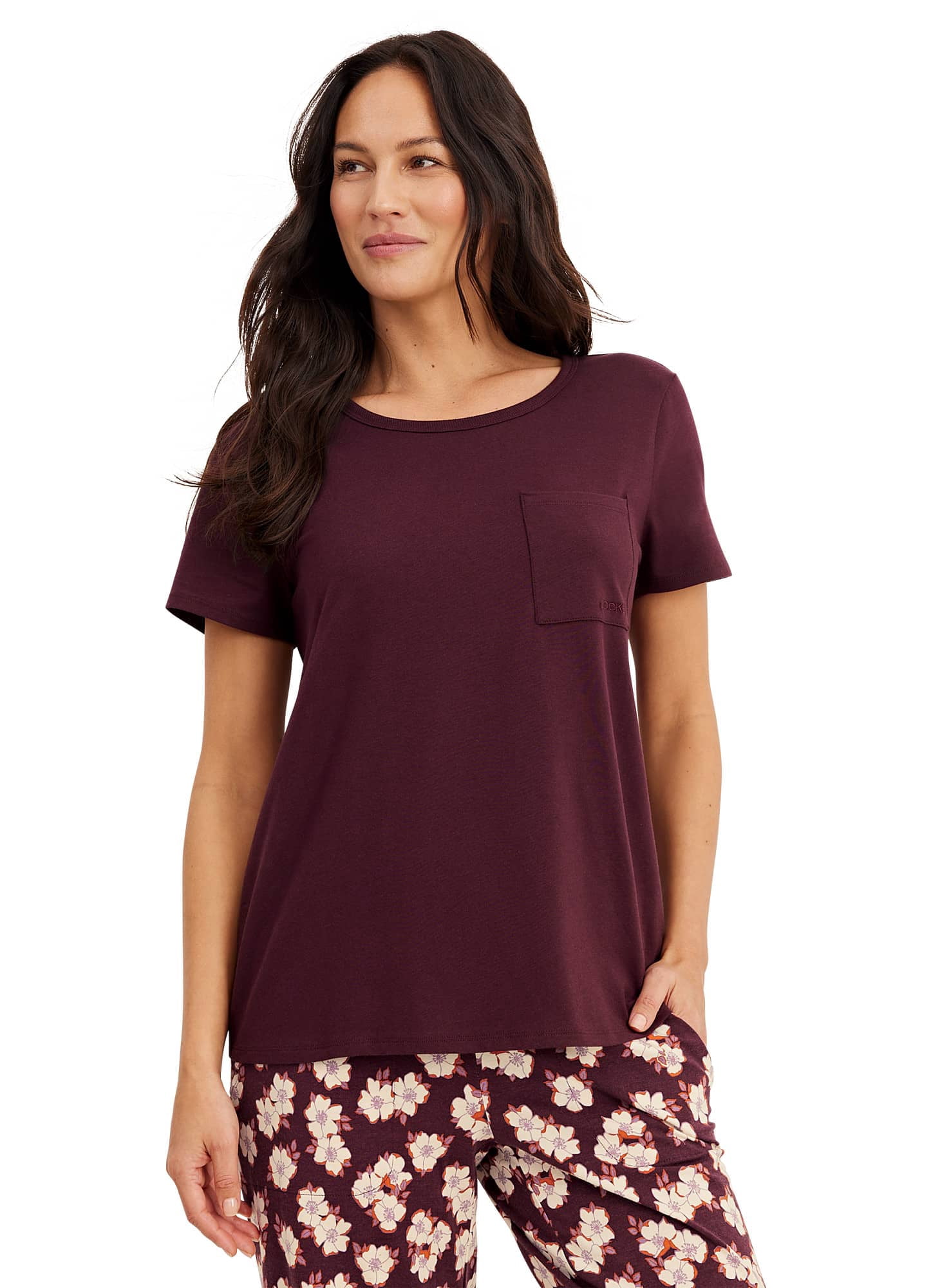
V-necks and scoop necks are the most popular because they draw the eye upward and elongate the neck, which balances the volume at the bottom. Crew necks offer a more sporty, classic look but can sometimes feel "heavy" if the fabric is dark or thick.
Final Recommendation for 2026
When shopping for a women's swing tee in 2026, prioritize fabric composition over price. A cheap, 100% synthetic tee will likely lose its shape after three washes and cling statically to your body. Instead, look for Tencel or Modal blends with at least 5% spandex. These materials ensure that the "swing" remains dynamic and the garment remains a staple in your wardrobe for years to come. For the best silhouette, ensure the shoulder seams align perfectly with your frame and pair the top with contoured bottoms to master the art of proportional dressing.
Image Gallery