Expert Guide to Foundation Repair Services Near Livonia, MI
If you are a homeowner in Livonia, Michigan, dealing with structural concerns, foundation repair services near Livonia, MI, provide the essential expertise needed to stabilize your property against the region’s unique soil conditions....
If you are a homeowner in Livonia, Michigan, dealing with structural concerns, foundation repair services near Livonia, MI, provide the essential expertise needed to stabilize your property against the region’s unique soil conditions. Addressing signs like cracks, settling, or water infiltration early is vital to maintaining your home's integrity, safety, and long-term market value.
Contents
Understanding the Regional Soil Context
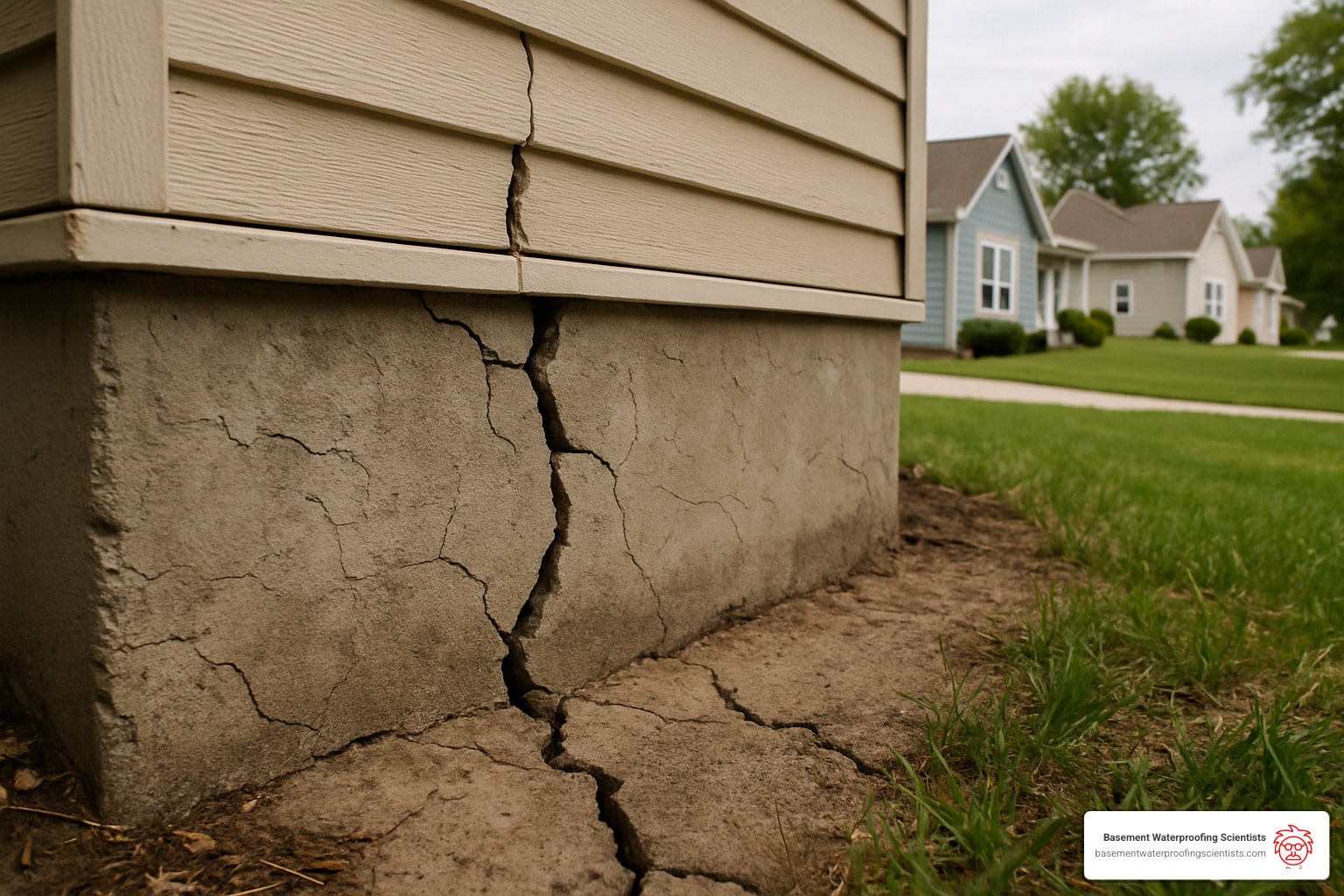
The geography of Southeast Michigan, including Livonia, presents specific challenges for residential foundations. Much of the area features clay-rich soils. Clay is notoriously "expansive," meaning it absorbs significant amounts of water during wet seasons—like the frequent spring rains in Wayne County—and shrinks during dry spells. This constant cycle of expansion and contraction exerts immense pressure on concrete foundation walls and footings, often leading to horizontal bowing, stair-step cracks, or foundation sinking.
Homeowners should view their foundation not as a static component, but as an interface between the structure and a dynamic, shifting environment. When the soil shifts beyond the original design parameters of the foundation, mechanical intervention becomes necessary to restore stability.
Recognizing Warning Signs of Foundation Failure
Before contacting foundation repair services, it is helpful to conduct a preliminary assessment of your property. Common indicators of foundation distress include:
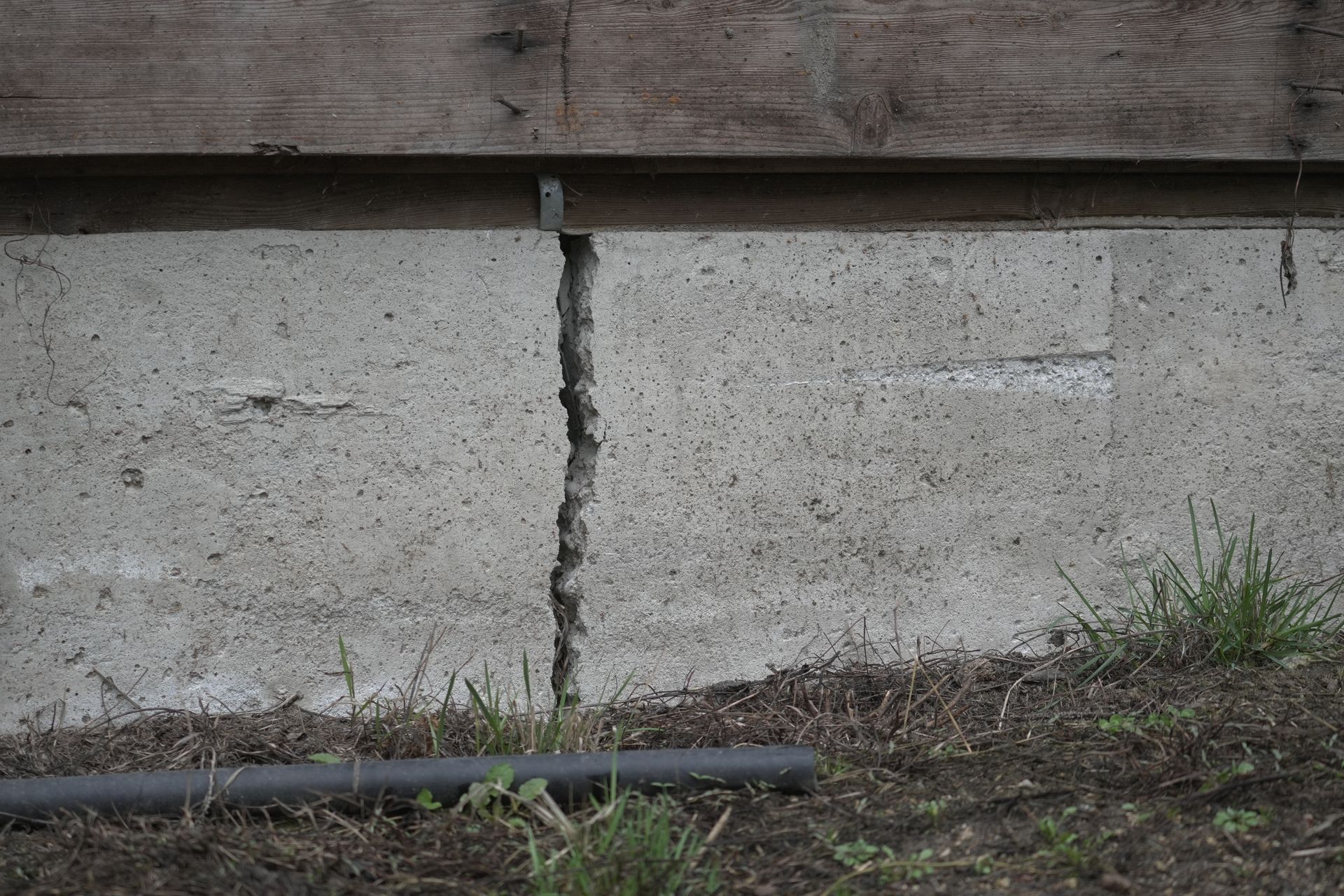
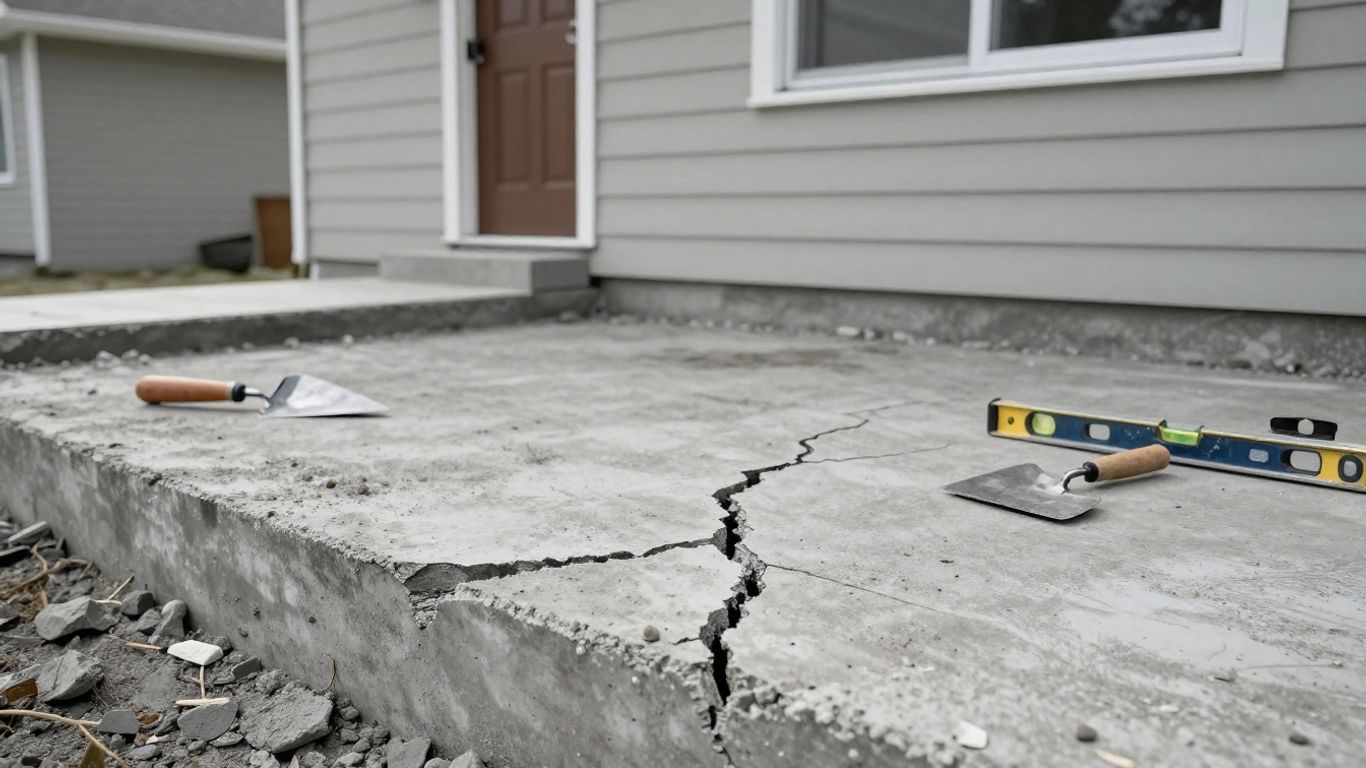
- Wall Cracks: Look for diagonal cracks that are wider at the top than the bottom (often indicating settling) or horizontal cracks (which often signal lateral pressure from soil).
- Sticking Windows and Doors: If your interior doors no longer latch correctly or if windows become difficult to operate, the frame of your house may be shifting out of plumb.
- Floors Sloping or Uneven: A noticeable tilt in the floor, particularly in basements or near exterior walls, is a clear sign that the support structure below is failing.
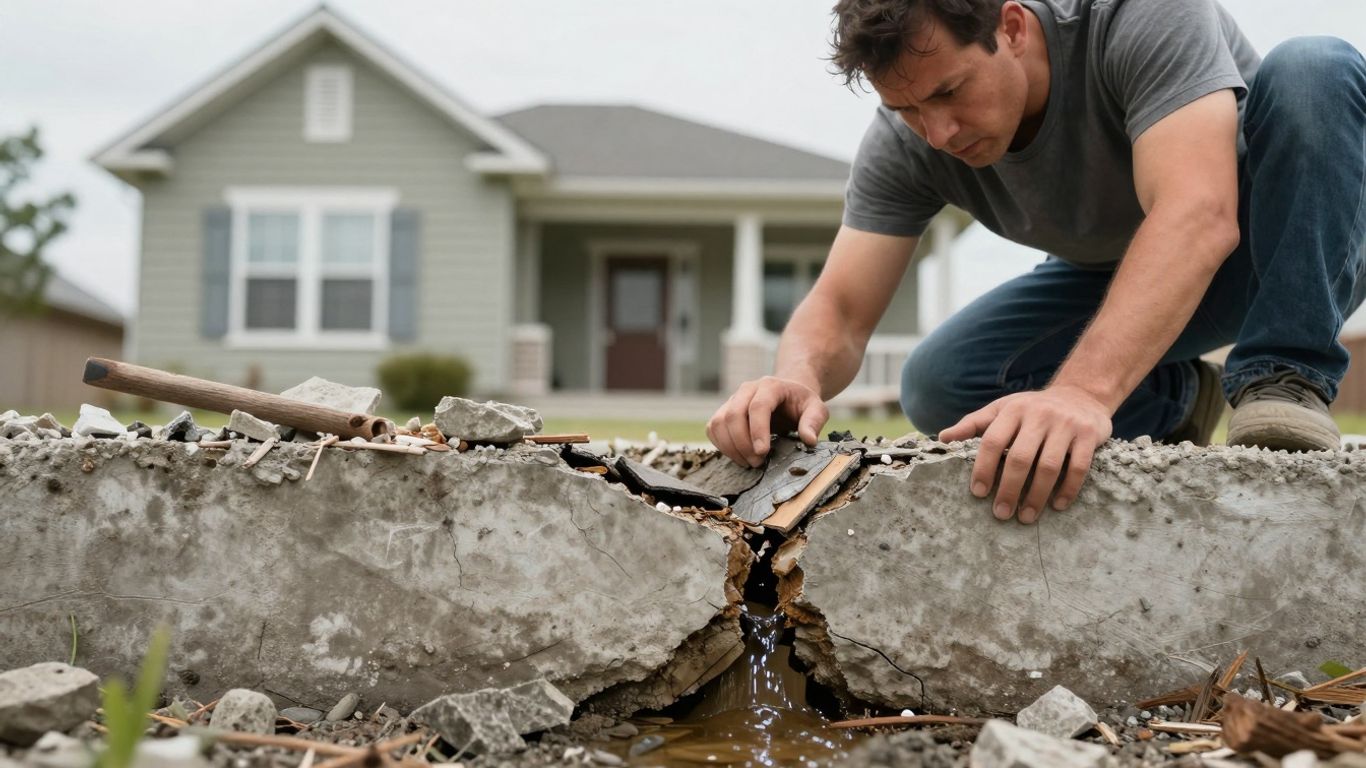
- Water Infiltration: While dampness in a basement can be a drainage issue, persistent leaks through cracks indicate that the foundation wall has lost its structural seal due to movement.
- Gaping Trim: Separation between the walls and the ceiling or baseboards suggests that the framing is pulling away from the foundation.
Common Foundation Repair Methods
Professional contractors utilize several standardized methods to address foundation issues. The right approach depends on the severity of the movement and the specific structural goals.
1. Steel Piering (Push Piers and Helical Piers)
Used primarily when a house is sinking or settling, steel piers are driven deep into the ground until they reach load-bearing strata (stable soil or bedrock). The weight of the home is then transferred to these piers, effectively "lifting" or pinning the foundation in place. Helical piers, which resemble giant screws, are often used for lighter structures or porches, while heavy-duty push piers are favored for full-scale residential foundations.
2. Carbon Fiber Reinforcement
Carbon fiber strips are an advanced alternative to traditional steel beams for repairing bowed basement walls. These strips are bonded to the interior of the foundation wall with high-strength epoxy. They are exceptionally thin and provide massive tensile strength, preventing further bowing without the bulk of steel I-beams.
3. Wall Plate Anchors
For walls that have bowed significantly due to hydrostatic pressure, plate anchors are a time-tested solution. An anchor is buried in the stable soil outside the foundation, and a wall plate is secured to the interior of the wall. A steel rod connects the two, allowing the contractor to tighten the system over time to slowly pull the wall back toward its original position.
4. Mudjacking or Polyurethane Injection
If the concrete slab itself (such as a garage floor or porch) has sunk, polyurethane foam injection is the modern standard. Contractors drill small holes and inject high-density foam that expands to fill the void beneath the slab and lift it to the desired level.
Comparative Table: Repair Solutions
| Method | Primary Use | Installation Speed | Pros | Cons |
|---|---|---|---|---|
| Steel Piers | Major settling | Moderate | Permanent, load-bearing | Cost-intensive |
| Carbon Fiber | Bowing walls | Fast | Low profile, non-invasive | Limited for severe bowing |
| Plate Anchors | Bowing/leaning | Moderate | Extremely strong | Requires yard access |
| Poly-Injection | Uneven slabs | Very Fast | Minimal cleanup, cured in hours | Does not address deep soil shifts |
Evaluating Foundation Contractors in Livonia, MI
When searching for a contractor, it is essential to prioritize companies that are properly licensed and insured to work in the State of Michigan. Foundation repair is a highly technical field that requires knowledge of geotechnical engineering principles and structural physics.
- Verify Licensing: Check the Michigan Department of Licensing and Regulatory Affairs (LARA) to ensure the contractor holds the appropriate residential builder or maintenance and alteration contractor license.
- Request Engineering Reports: For significant structural repairs, reputable firms will often provide a plan stamped by a licensed Professional Engineer (PE). This ensures that the proposed repair is not just a "quick fix" but a calculated structural solution.
- Review Warranties: Foundation work is a long-term investment. Ask specifically if the warranty is transferable to future owners if you decide to sell your home, as this can be a major selling point in a real estate transaction.
- Avoid High-Pressure Sales: Legitimate foundation specialists will explain the "why" behind the failure. Avoid companies that demand immediate payment or use high-pressure tactics to force a decision on the spot.
The Role of Water Management
Often, foundation failure is precipitated by poor drainage. Even the most robust foundation repair can be compromised if the site remains saturated. A holistic approach to repair usually includes:
- Downspout Extensions: Ensuring roof runoff is directed at least 6–10 feet away from the foundation perimeter.
- Grading: Confirming that the soil slopes away from the home’s foundation at a minimum grade of 5% for at least 10 feet.
- Drain Tile Systems: If you have chronic basement water issues, installing an interior or exterior French drain system may be necessary to relieve hydrostatic pressure before it impacts your foundation walls.
Frequently Asked Questions (FAQ)
How do I know if a crack is dangerous? Hairline cracks, often caused by the natural curing process of concrete, are usually cosmetic. However, any crack that is wider than 1/8th of an inch, is horizontal, or shows signs of shifting (where one side of the crack is further out than the other) should be professionally evaluated.
Is foundation repair tax-deductible in 2026? Generally, foundation repairs are considered capital improvements rather than routine repairs. While you cannot usually deduct them on your annual income tax, you should keep all receipts, as these costs can be added to the "cost basis" of your home. This reduces the amount of capital gains tax you might owe if you sell the property later.
How long does a foundation repair take? Simple polyurethane injections can be completed in a single day. Larger structural projects involving steel piers or wall bracing typically take between three to seven days depending on the size of the basement and the severity of the damage.
Will I have to move out during the repairs? In most cases, residents can remain in the home. Most foundation repair work is performed in the basement or around the exterior of the house, which typically does not disrupt daily living, though there will be noise from equipment and temporary construction dust.
Next Actions for Homeowners
If you suspect foundation issues, your first step should be to document the problem. Take photographs of all cracks and measure their width with a ruler. If you notice structural changes, contact a foundation specialist to request a site inspection. Many reputable firms offer free consultations to help you determine if the issue is minor surface movement or a significant structural failure requiring immediate intervention. Prioritizing this assessment will protect your home from further degradation and save you from more costly repairs in the future.
Image Gallery