How Bench Press Can Trigger Tennis Elbow: Causes, Prevention, and Recovery
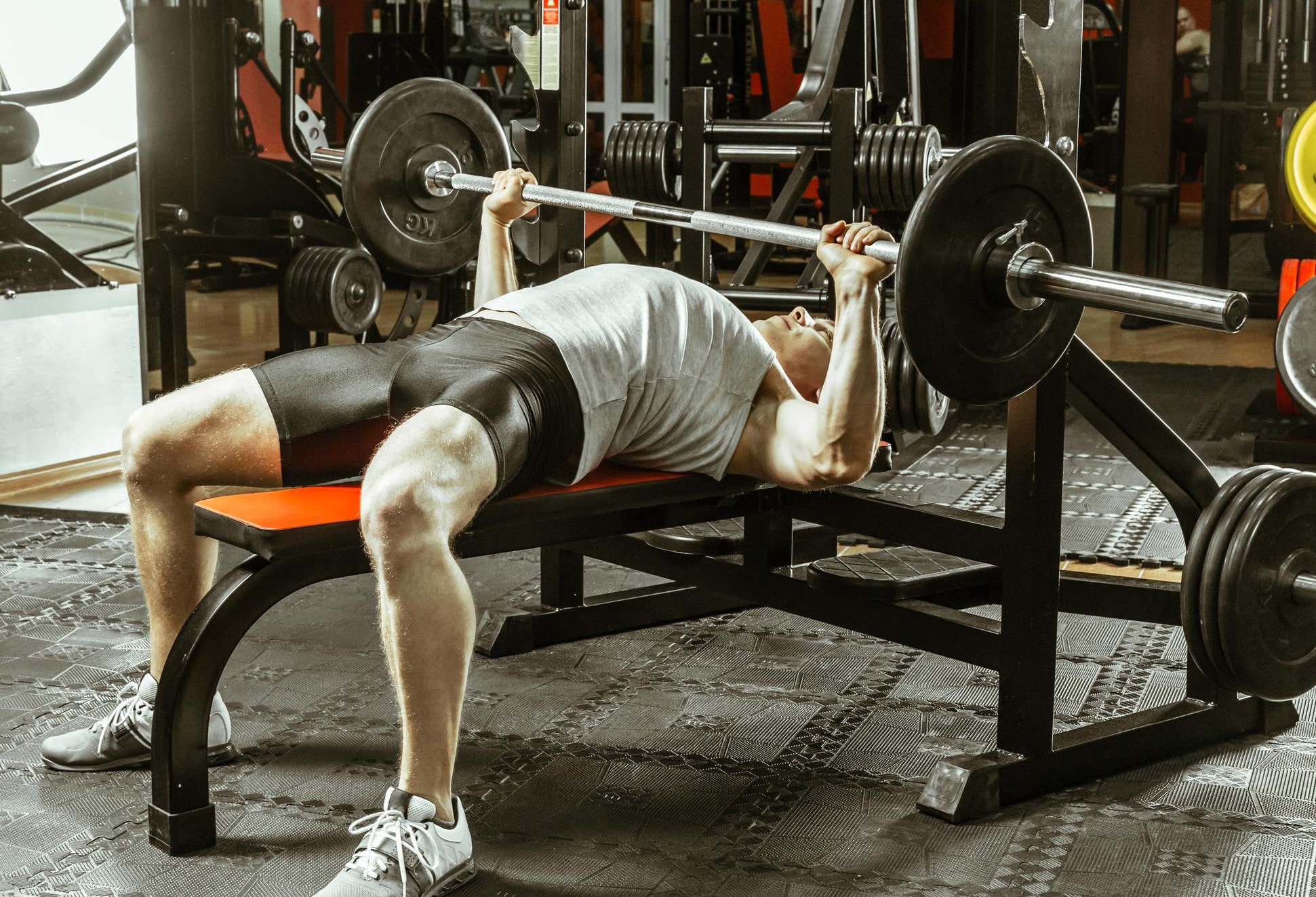
Tennis elbow, clinically known as lateral epicondylitis, is frequently triggered by the bench press when improper wrist alignment or excessive grip tension causes the forearm extensors to overwork. Although the bench press is a "pushin...
Tennis elbow, clinically known as lateral epicondylitis, is frequently triggered by the bench press when improper wrist alignment or excessive grip tension causes the forearm extensors to overwork. Although the bench press is a "pushing" exercise, the wrist extensors must contract isometrically to stabilize the heavy load, leading to micro-tears and inflammation at the lateral epicondyle over time.
Contents
While the name suggests a condition exclusive to racquet sports, lateral epicondylitis is a common affliction among weightlifters and powerlifters. In the context of the bench press, the elbow joint acts as the primary hinge, but the surrounding tendons often bear the brunt of technical inefficiencies. Understanding the biomechanical relationship between the bar, the wrist, and the lateral epicondyle is essential for any athlete looking to maintain longevity in their training.
Understanding Lateral Epicondylitis in the Weight Room
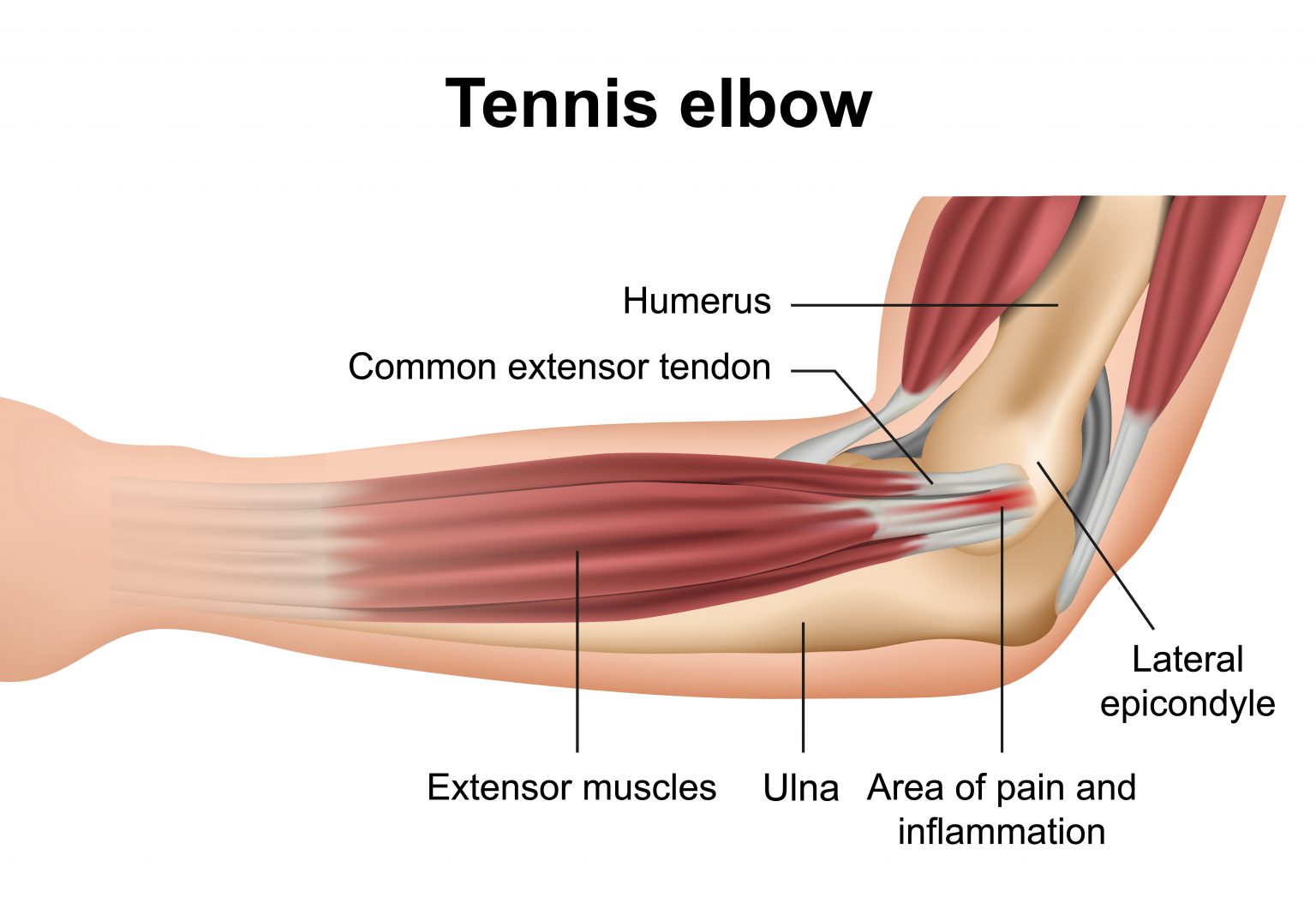
Lateral epicondylitis is an overuse injury involving the common extensor tendon, which originates at the lateral epicondyle—the bony bump on the outer part of your elbow. Specifically, the extensor carpi radialis brevis (ECRB) muscle is most commonly implicated. This muscle and its tendon are responsible for stabilizing the wrist when the elbow is straight, a position that is central to the lockout phase of a bench press.
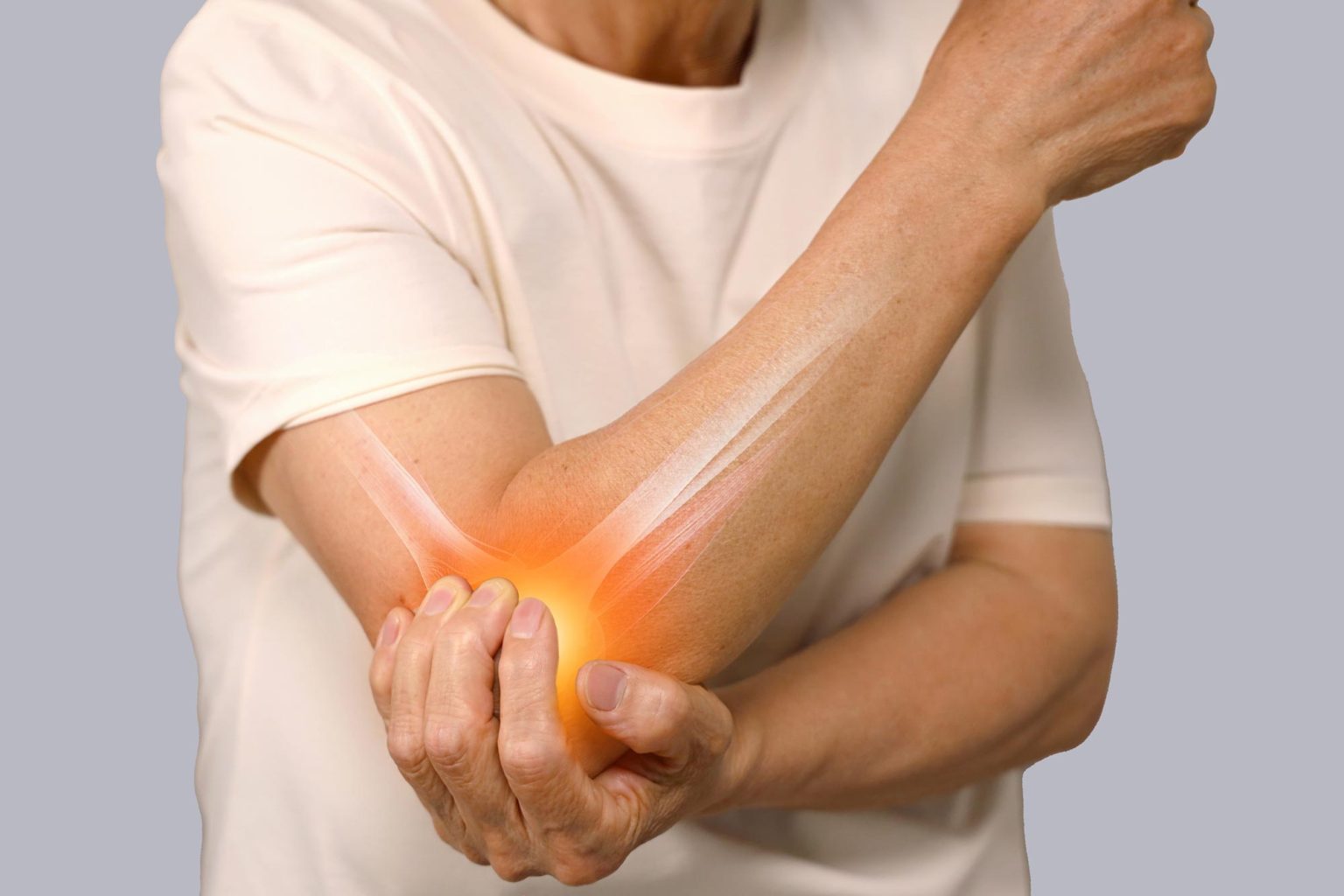
In a gym setting, "tennis elbow" is rarely caused by a single traumatic event. Instead, it is the result of repetitive micro-trauma. When you bench press, the load of the barbell creates a significant amount of extension torque at the wrist. To prevent the bar from folding your hand backward and potentially dropping onto your chest, the forearm extensors must fire with immense force. If the volume, intensity, or frequency of this stress exceeds the tendon's ability to repair itself, the tissue begins to degenerate, leading to the chronic pain associated with the condition.
Biomechanical Links: Why a Pushing Exercise Affects Extensor Tendons
It may seem counterintuitive that a chest-dominant pushing movement affects the muscles used for "pulling" the back of the hand toward the forearm. However, the kinetic chain of the upper body requires significant stability to transfer force from the pectorals and triceps into the barbell.
The Role of Wrist Stabilizers
During a heavy bench press, the wrist extensors act as dynamic stabilizers. Their primary job is to maintain a neutral wrist position. If the wrist is allowed to "cock back" or enter hyperextension, the ECRB tendon is stretched under extreme tension while simultaneously trying to contract. This eccentric loading under high weight is a primary driver of tendonitis and tendinosis.
Transferred Tension and Kinetic Chain Disruptions
The human body operates in functional lines. When the primary movers—the pectorals and anterior deltoids—are fatigued or if the triceps are disproportionately weak, the body often compensates by gripping the bar harder. This is known as the "death grip" phenomenon. While a firm grip is necessary for neural drive (irradiation), an excessive, white-knuckled squeeze for the duration of a long set puts constant tension on the lateral epicondyle, preventing blood flow and increasing mechanical stress on the tendon insertion point.
Common Technical Errors That Trigger Tennis Elbow
Technical proficiency is the best defense against joint pain. In 2026, biomechanical analysis remains the gold standard for identifying why lifters develop lateral elbow pain during pressing movements.
Excessive Wrist Extension (The "Cocked" Wrist)
The most common culprit is allowing the barbell to sit too high in the palm, near the base of the fingers. This creates a long lever arm between the bar and the wrist joint, forcing the wrist into deep extension. In this position, the forearm extensors are at a mechanical disadvantage. To protect the joint, they must work significantly harder than they would if the bar were seated directly over the radius and ulna (the forearm bones).
Grip Width and Elbow Flare
A very wide grip often leads to excessive elbow flaring (where the elbows are at a 90-degree angle to the torso). This position increases shear force at the elbow joint. Conversely, a grip that is too narrow can place excessive demand on the triceps and the stabilizing tendons of the forearm. When the elbows flare out excessively during the eccentric (lowering) phase, the angle of pull on the extensor tendons changes, often leading to irritation at the lateral epicondyle.
Improper Bar Path and "J-Curve" Failures
In an ideal bench press, the bar does not move in a perfectly vertical line; it follows a slight "J-curve" or diagonal path from the lower sternum back toward the rack. If a lifter attempts to force a strictly vertical path while keeping their elbows tucked, or if they lose control of the bar path, the forearms may deviate from a vertical position. Any time the forearm is not perfectly vertical under the bar, a moment arm is created that the muscles of the forearm must counteract, leading to acute strain on the lateral tendons.
Programming and Recovery Factors
Beyond technique, how you structure your training plays a massive role in whether the bench press triggers tennis elbow. Tendons have a lower blood supply than muscles and take significantly longer to adapt to new stresses.
- Excessive Volume: Performing high-repetition sets (12–15+) with heavy loads can lead to cumulative fatigue in the stabilizers before the primary movers give out.
- Sudden Increases in Intensity: Moving from a "hypertrophy" block to a "peaking" block without adequate transition can shock the tendons.
- Lack of Specific Forearm Work: Ironically, neglecting direct forearm and grip training can leave the extensors too weak to handle the stabilization requirements of a 300+ lb bench press.
Bench Press Variations and Their Impact on Elbow Stress
Not all pressing movements are created equal when it comes to lateral epicondyle stress. The following table compares common variations based on their typical demand on the wrist extensors and elbow joint.
| Variation | Wrist Extensor Demand | Elbow Shear Force | Primary Risk Factor |
|---|---|---|---|
| Flat Barbell Bench | High | Medium | Wrist extension / Overuse |
| Dumbbell Bench Press | Very High | Low | Stabilization requirements |
| Close Grip Bench | Medium | High | Tricep/Elbow overload |
| Incline Bench Press | Medium | Medium | Shoulder/Elbow transition stress |
| Floor Press | Low | Low | Limited range of motion reduces strain |
| Board Press | Medium | High | High intensity/Lockout stress |
Prevention Strategies for Lifters
To avoid triggering tennis elbow while maintaining a heavy bench press routine, athletes should implement specific preventative measures.
- Adjust the Grip Position: The bar should sit in the "meat" of the palm, directly over the wrist bones. This minimizes the lever arm and reduces the workload on the extensors.
- Use Wrist Wraps: For sets exceeding 80% of your one-rep max, high-quality wrist wraps can provide external support, taking some of the stabilization burden off the ECRB tendon.
- Implement Isometric Holds: Training the extensors isometrically (e.g., holding a dumbbell in a neutral wrist position) can strengthen the tendon's capacity to handle the "push" of the bench press.
- Manage Grip Tension: Practice a "firm but not crushing" grip. Save the maximal grip tension for the most difficult repetitions of a set rather than the entire warm-up and work-set sequence.
Rehabilitating Tennis Elbow Without Quitting the Gym
If the bench press has already triggered tennis elbow, the solution is rarely "total rest." In 2026, sports medicine emphasizes Progressive Loading over passive recovery.
Phase 1: Pain Modification. Reduce the weight or range of motion to a level where pain does not exceed a 3/10 on a subjective scale. This might mean switching to a Floor Press or using a "Swiss Bar" (neutral grip) to reduce the strain on the lateral epicondyle.
Phase 2: Heavy Slow Resistance (HSR). Research consistently shows that tendons respond better to slow, heavy loading than to light, high-rep "rehab" exercises. Perform wrist extensions with a 3-second concentric and 3-second eccentric phase. This helps realign the collagen fibers in the tendon.
Phase 3: Integration. Gradually reintroduce the standard barbell bench press, starting with a closer grip and lower volume. Pay strict attention to wrist verticality.
FAQ
Can I still bench press if I have tennis elbow? Yes, in most cases, you can continue to bench press if you modify the movement. Switching to dumbbells or a neutral-grip bar can often bypass the painful arc. The key is to avoid movements that cause "sharp" pain, while accepting a "dull ache" that does not worsen after the session.
Why does my elbow hurt during bench press but not when I do curls? Tennis elbow is an extensor issue. While curls involve the flexors, the bench press requires the extensors to fire isometrically to prevent the wrist from collapsing. The heavy load of the bench press typically places a much higher stabilization demand on the extensors than a standard bicep curl.
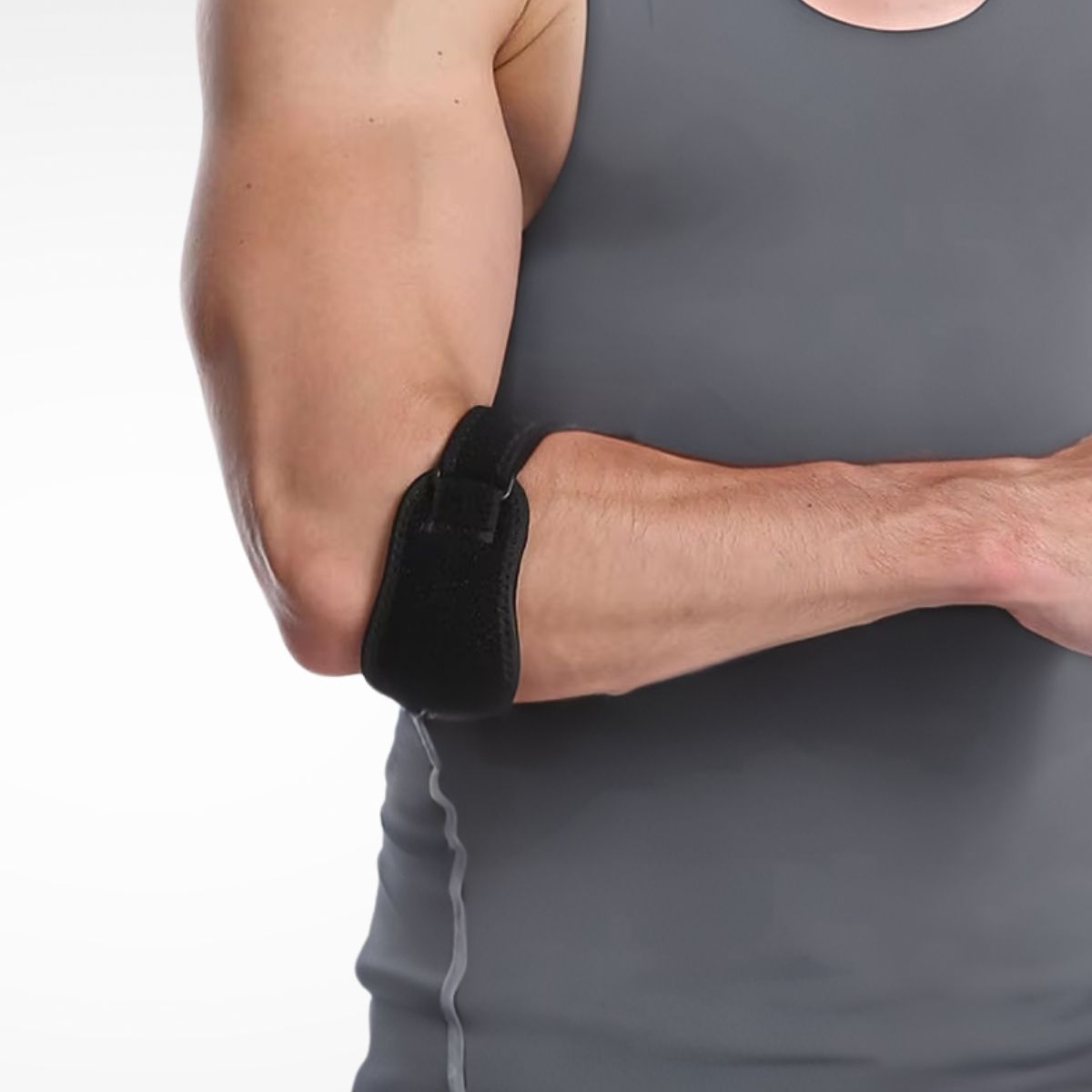
Do elbow sleeves help with tennis elbow? Elbow sleeves provide warmth and compression, which can increase blood flow and improve proprioception (your awareness of the joint's position). While they do not "fix" the mechanical cause of tennis elbow, they can reduce symptoms and help you maintain better form during your sets.
How long does it take for bench-press-induced tennis elbow to heal? Tendon injuries are slow to heal due to limited blood supply. With proper load management and specific strengthening exercises, most lifters see significant improvement within 6 to 12 weeks. Complete resolution may take longer if the underlying technical errors are not corrected.
Practical Recommendation
If the bench press is causing lateral elbow pain, the first action you should take is to film your sets from a side profile. Look specifically at your wrist angle; if the bar is not stacked directly over your forearm bones, that is your primary trigger. Immediately transition to using wrist wraps for your heavy sets and incorporate "slow eccentric" wrist extensions twice a week to build tendon resilience. If the pain persists or prevents you from daily activities, consult a physical therapist specializing in barbell sports to rule out more significant tears or nerve entrapments.
Image Gallery