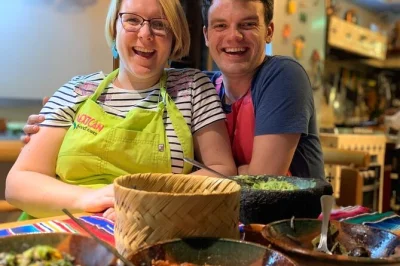
What a Cooking Class in Mexico City Offers: Menus, Market Tours, and Culinary Techniques
A cooking class in Mexico City offers an immersive, hands-on culinary experience combining guided neighborhood market tours, traditional pre-Hispanic and colonial cooking techniques, step-by-step preparation of multi-course regional di...
A cooking class in Mexico City offers an immersive, hands-on culinary experience combining guided neighborhood market tours, traditional pre-Hispanic and colonial cooking techniques, step-by-step preparation of multi-course regional dishes, and curated tastings of Mexican spirits like mezcal. Led by local chefs, these workshops teach authentic corn nixtamalization, salsa crafting, and the cultural history behind traditional Mexican cuisine.
Contents
Traditional Mexican gastronomy was inscribed on UNESCO’s Representative List of the Intangible Cultural Heritage of Humanity, recognizing its historic continuity, ancestral farming methods, and complex culinary practices. Experiencing this heritage directly through a workshop in Mexico City provides travelers and cooking enthusiasts with practical skills that extend far beyond ordinary recipe assembly.
Guided Market Tours: The Foundation of the Culinary Experience
Most top-rated cooking classes in Mexico City begin outside the kitchen. Participants meet their instructor early in the morning to navigate one of the capital city's historic neighborhood markets (mercados). This market tour is not merely a shopping run; it serves as a foundational lecture on Mexican biodiversity, agricultural history, and ingredient selection.
Depending on the school’s location, classes typically visit iconic markets such as:
- Mercado de San Juan (Centro Histórico): Famous among professional chefs for its high-end ingredients, exotic meats, imported delicacies, and rare wild mushrooms.
- Mercado de Medellín (Roma Sur): Renowned for its vibrant selection of fresh produce, tropical fruits, regional chilies, and Latin American specialty goods.
- Mercado de Jamaica (Southeast of Centro): Known primarily for its massive flower market, but equally rich in traditional herbs, dried chilies, and everyday cooking staples.
During the market walk, chefs teach students how to evaluate fresh produce, distinguish between fresh chilies (serrano, jalapeño, poblano) and their dried counterparts (chile de árbol, chipotle, ancho), and identify native herbs like epazote, hoja santa, and cilantro. Instructors also introduce students to heirloom corn varieties—red, blue, yellow, and white—explaining how soil conditions and high-altitude microclimates impact starch content and flavor profiles.
Core Culinary Techniques Taught in Mexico City Workshops
The core value of a Mexico City cooking class lies in learning specialized culinary techniques that are difficult to master through cookbooks alone. Chefs focus on ancestral methods passed down through generations alongside modern home-kitchen adaptations.
1. Nixtamalization and Tortilla Crafting
Nixtamalization is the ancient Mesoamerican process of cooking dried field corn in an alkaline solution, usually water mixed with food-grade calcium hydroxide (cal). This process softens the corn hull, releases essential vitamins (such as niacin), enhances flavor, and allows the corn to form a cohesive dough called masa.
In a typical class, students participate in:
- Measuring the proper ratio of water to lime for corn soaking.
- Grinding the softened kernels using a hand-cranked mill or traditional stone metate.
- Hydrating and kneading the masa to achieve the ideal elastic consistency.
- Portioning dough balls and operating a cast-iron or wooden tortilla press (prensa para tortillas).
- Puffing tortillas on a dry griddle (comal) using controlled heating stages.
2. Salsa Crafting with the Molcajete
A signature component of any class is mastering salsa dynamics. Rather than relying on electric blenders, traditional workshops emphasize using a volcanic stone mortar and pestle known as a molcajete and tejolote.
Students learn how the porous texture of basalt crushes seeds, skins, and aromatics, releasing essential oils that blenders chop into suspension. Chefs demonstrate roasting techniques—dry-charring ingredients on a griddle (tatemado) versus boiling—to build depth, acidity, and heat. You learn to balance garlic, sea salt, charred tomatillos or tomatoes, and specific chili combinations to suit different dishes.
3. Temperature and Heat Control on the Comal
The comal (a smooth, flat griddle made of clay or heavy cast iron) is central to the Mexican kitchen. Cooking classes instruct students on regulating surface heat without added fats to roast chilies, char tomatoes, toast spices, and bake flatbreads without burning delicate essential oils.
4. Flavor Layering for Moles and Complex Sauces
Classes covering regional specialties like Oaxacan or Poblano moles teach complex flavor architecture. Students learn how to deseed, toast, rehydrate, and purée dried chilies before frying the paste in oil or lard to concentrate sugars. The process includes balancing sweet, savory, acid, and spicy components using fruit, nuts, seeds, plantains, Mexican chocolate, and warm spices like cinnamon and clove.
Typical Menus and Culinary Profiles Covered
Cooking schools in Mexico City design their menus to highlight seasonal availability and regional diversity. While menus vary by provider and day of the week, most workshops structure their curriculum around a complete three- to four-course meal.
| Course / Component | Menu Options |
|---|---|
| Appetizer / Antojito | Handmade Tortillas, Sopes, or Gorditas with Fresh Molcajete Salsas |
| Main Course | Mole Poblano, Cochinita Pibil, Enchiladas Verdes, or Fish A la Veracruzana |
| Side Dish | Refried Black Beans with Hoja Santa, Fresh Nopal Salad, or Red Rice |
| Dessert | Churros with Chocolate Sauce, Tres Leches, or Traditional Caramel Flan |
| Beverage Pairing | Agua Fresca (Jamaica/Horchata), Craft Beer, or Mezcal Tasting Flight |
Street Food (Antojitos) Focused Classes
For travelers wanting to master street food staples, dedicated antojitos classes focus on portable corn-based snacks. You learn to construct:
- Tacos al Pastor: Creating adobo marinades (achiote, dried chilies, vinegar), layering meat, and roasting under high heat.
- Tamales: Whipping lard or vegetable shortening into masa for light texture, stuffing with seasoned meats or rajas, and steaming in corn husks or banana leaves.
- Gorditas and Tlacoyos: Shaping thick corn pockets filled with rehydrated fava beans, chicharrón pressed pork, or seasoned mushrooms.
Plant-Based and Vegetarian Mexican Menus
Given the historic reliance of pre-Hispanic diets on squash, beans, corn, wild greens (quelites), cacti (nopales), and mushrooms, Mexico City features numerous vegetarian and vegan cooking workshops. Chefs replace animal fats with high-grade vegetable oils while maintaining authentic seasoning techniques using roasted seeds, mushrooms, and indigenous herbs.
Agave Spirit Tastings and Beverage Pairings
A high-quality cooking class in Mexico City integrates traditional beverage culture directly into the culinary experience. Beyond preparing soft drinks like agua de jamaica (hibiscus tea) or agua de horchata (spiced rice milk), classes frequently feature curated spirits education.
Mezcal and Tequila Masterclasses
Instructors provide tasting flights that explore how agave species, terroir, and distillation methods affect flavor profiles. Key learning points include:
- Species Distinction: Understanding the differences between cultivated Agave tequilana (Blue Agave) used for Tequila versus wild or semi-cultivated agaves like Espadín, Tobalá, Arroqueño, and Tepeztate used for Mezcal.
- Production Methods: Contrasting industrial stainless-steel autoclave processing with artisanal pit-roasting over volcanic rocks and firewood.
- Tasting Methodology: Learning how to sip high-proof agave spirits properly using small earthenware cups (copitas) or traditional clay vessels, evaluating aroma, body, smoke levels, and residual sugars.
Some workshops also introduce pulque, a viscous, low-alcohol fermented beverage made from the unfermented sap (aguamiel) of the maguey plant, detailing its sacred status in pre-Columbian times.
Comparison of Mexico City Cooking Class Formats
Cooking classes vary in format, venue type, price point, and group dynamics. Reviewing these structures helps travelers match their experience level and budget with the right option.
| Class Format | Average Duration | Typical Group Size | Market Tour Included? | Menu Focus | Estimated Cost (USD) |
|---|---|---|---|---|---|
| Standard Group Workshop | 4 – 5 Hours | 6 – 12 People | Yes (Local Mercado) | Multi-course classic menu (Tacos, Salsa, Dessert) | $85 – $140 |
| Private Culinary Masterclass | 4 – 6 Hours | 1 – 4 People | Custom / Extended | Advanced regional moles, seafood, or custom requests | $175 – $300+ |
| Street Food & Kitchen Hybrid | 3.5 – 4.5 Hours | 6 – 10 People | Yes (Multiple street stalls) | Market tasting + hands-on salsa and tortilla prep | $75 – $120 |
| Plant-Based / Vegan Focus | 4 Hours | 4 – 8 People | Yes | Heritage vegetable, mushroom, and heirloom corn dishes | $90 – $135 |
| Family / Beginner Friendly | 3 Hours | 4 – 10 People | Optional / Short | Simple tacos, churros, and fresh guacamoles | $70 – $110 |
Neighborhoods Host to Premier Culinary Studios
Where a cooking class takes place shapes the overall experience, from market access to kitchen ambience. The primary culinary hubs in Mexico City include:
1. Roma Norte and Condesa
These neighboring districts host the majority of English-friendly cooking academies and boutique culinary studios. Studios here are typically housed in restored Art Deco or Porfirian-era townhouses equipped with modern, individual work stations. Classes here frequently visit Mercado de Medellín and combine trendy aesthetic appeal with rigorous culinary standards.
2. Coyoacán
Located in the south of the city, Coyoacán provides a traditional, bohemian backdrop. Cooking schools here emphasize historic home cooking, pre-Hispanic ingredients, and regional recipes associated with central and southern Mexico. Market tours explore the bustling Mercado de Coyoacán, known for its fresh tostadas and spice stalls.
3. Centro Histórico
Classes operating in the historic core offer proximity to Mercado de San Juan. These workshops tend to emphasize institutional culinary history, street food origin stories, and traditional Mexican butcher techniques.
Practical Logistics and Preparation Guidelines
To maximize the value of a cooking class, participants should keep several practical considerations in mind when planning their reservation:
- Dietary Restrictions: Standard Mexican cooking relies heavily on corn, chilies, pork, beef, and dairy (cheese and cream). However, almost all professional schools adapt menus for gluten-free, dairy-free, vegetarian, or nut-allergy requirements if notified at least 24 to 48 hours before class. Corn-based dishes are naturally gluten-free, making Mexican classes particularly suitable for celiac travelers.
- Footwear and Attire: Market walks cover 1 to 2 miles on uneven cobblestone sidewalks, slippery market aisles, and wet floor tiles. Wear closed-toe, non-slip walking shoes or sneakers. Kitchen environments generate significant heat from griddles and open flames; lightweight, breathable clothing is recommended.
- Language Options: Most established culinary studios in Roma, Condesa, and Coyoacán conduct classes natively in English or offer bilingual instruction in English and Spanish. Private workshops can often be requested entirely in Spanish for intermediate or advanced language learners.
- Booking Windows: Popular cooking schools in Mexico City fill up quickly, especially during peak travel months (October through April, surrounding events like Día de los Muertos). Secure bookings 2 to 4 weeks in advance for group classes, and 4 to 8 weeks in advance for private sessions.
Frequently Asked Questions
Do I need prior cooking experience to join a class?
No. Instructors design group classes for all skill levels, from absolute beginners to professional chefs. Tasks are broken down into managed steps, and instructors supervise knife handling, stove management, and dough preparation.
Are market tours safe for international visitors?
Yes. Culinary instructors guide students through well-established neighborhood markets, managing navigating steps and vendor interactions. Walking with a local chef allows travelers to navigate crowded stalls comfortably while learning local market etiquette.
Can classes accommodate severe gluten or dairy allergies?
Yes. Authentic Mexican cuisine relies on corn rather than wheat for its main starches, making it naturally friendly to gluten-free diets. Dairy products like queso fresco or crema are typically added as garnishes at the end of preparation and can easily be omitted or substituted.
What is included in the total ticket price?
Standard ticket prices include all market food tastings, recipe ingredients, kitchen equipment usage, full meal service with drinks, spirit tastings (mezcal/beer), and digital or printed recipe booklets to take home.
How long do cooking classes typically last?
Most standard classes last between 4 and 5 hours. This timeframe allows roughly 1 to 1.5 hours for the guided market tour, 2.5 hours for kitchen prep and cooking instruction, and 1 hour for sitting down to enjoy the meal.
Final Recommendation: Selecting Your Culinary Experience
When booking a cooking class in Mexico City, align the studio's menu focus with your specific culinary interests. If you want to master foundational skills from scratch, select a class that explicitly highlights corn nixtamalization and stone-grinding over one that uses pre-made masa. Travelers interested in spirit pairing should look for itineraries offering guided mezcal flights alongside food preparation.
Reviewing seasonal menu listings and verifying market tour inclusions ensures you select a class that delivers both practical kitchen skills and a deep appreciation for Mexico's rich culinary traditions.
Image Gallery