The Reality of a Typical Life Insurance Death Benefit: What Beneficiaries Actually Receive
The reality of a typical life insurance death benefit involves a structured, regulated financial payout process designed to transfer tax-advantaged funds to designated beneficiaries. While often perceived as a simple lump sum, the actu...
The reality of a typical life insurance death benefit involves a structured, regulated financial payout process designed to transfer tax-advantaged funds to designated beneficiaries. While often perceived as a simple lump sum, the actual delivery of a death benefit is governed by specific claims-filing requirements, contract stipulations, and potential settlement options that beneficiaries must navigate to access the proceeds.
Contents
The Mechanism of the Death Benefit
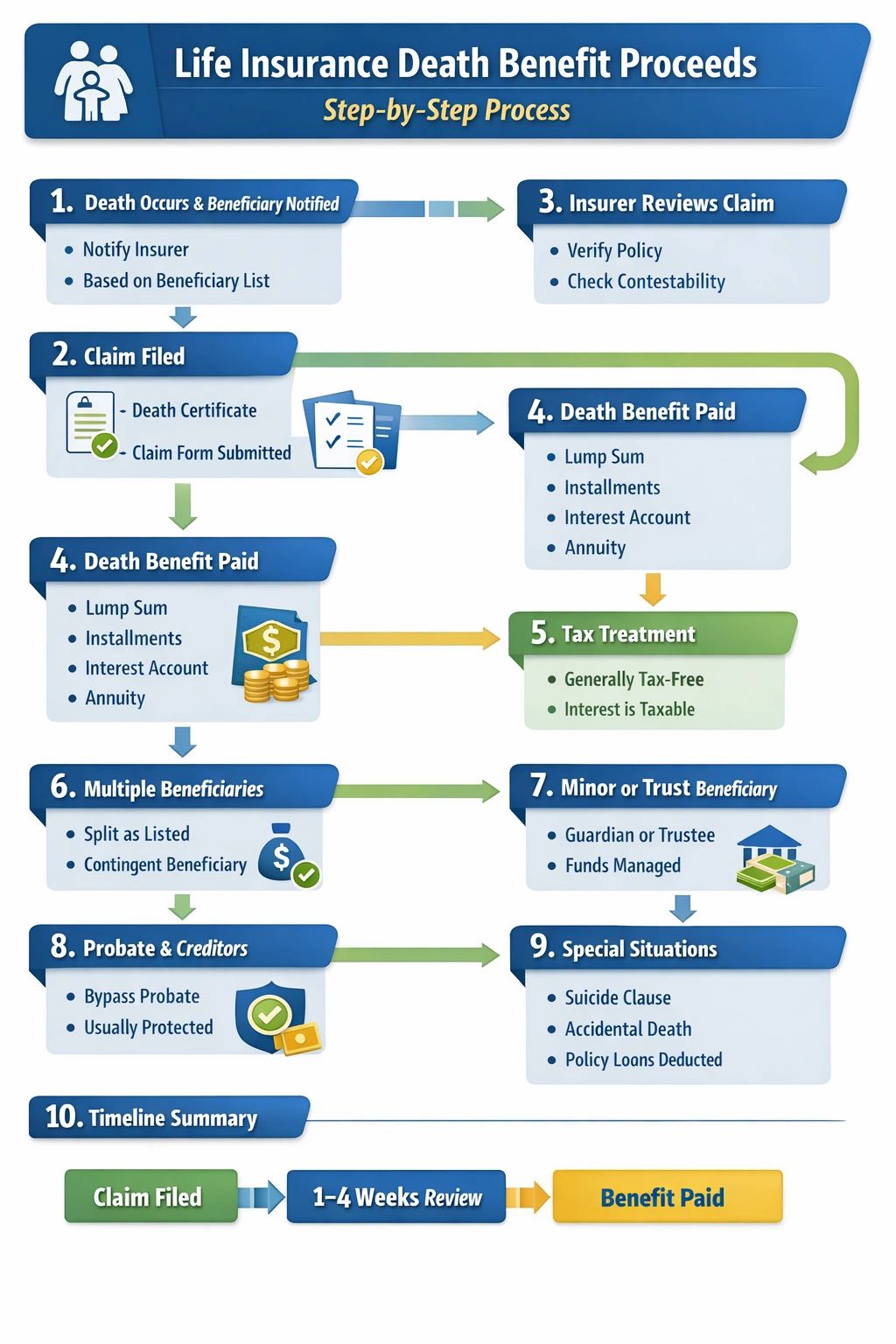
A life insurance death benefit is the specific amount of money a policy pays out to beneficiaries upon the death of the insured individual. This is a contractual obligation established between the policyholder and the insurer. When a death occurs, the benefit is not released automatically; it is triggered by a formal claim submission.
The reality for most beneficiaries is that the process begins with the notification of death. This requires an original, certified death certificate. Without this official document, the insurance carrier cannot verify the loss, and the claims department will not move forward. Once the claim is filed, the insurer initiates a review period. During this phase, the company confirms that the policy was in good standing, premiums were paid, and—in cases where the policy was purchased recently—that there are no contestability issues.
Settlement Options and Payment Flexibility
While many people assume a death benefit is always paid as a single, large check, the reality is more nuanced. Policy contracts often provide several settlement options that dictate how the money is distributed:
- Lump Sum: The most common form of payment. The insurer issues the full death benefit amount in one single payment. This is generally income-tax-free for the beneficiary under federal tax guidelines.
- Interest Option: The insurer retains the benefit and pays the interest earned on that principal to the beneficiary for a set period. The principal is distributed at the end of this term or upon the occurrence of a specific event.
- Installment Payments: The benefit is paid out in set amounts over a fixed period or for the lifetime of the beneficiary. This is often chosen to provide a steady income stream rather than a one-time influx of cash.
- Life Income Option: Similar to an annuity, this ensures the beneficiary receives payments for the remainder of their life, regardless of how long they live.
Factors Influencing the Final Payout Amount
The "typical" death benefit amount is not always the face value of the policy. Several factors can reduce the actual cash settlement received by the beneficiary:
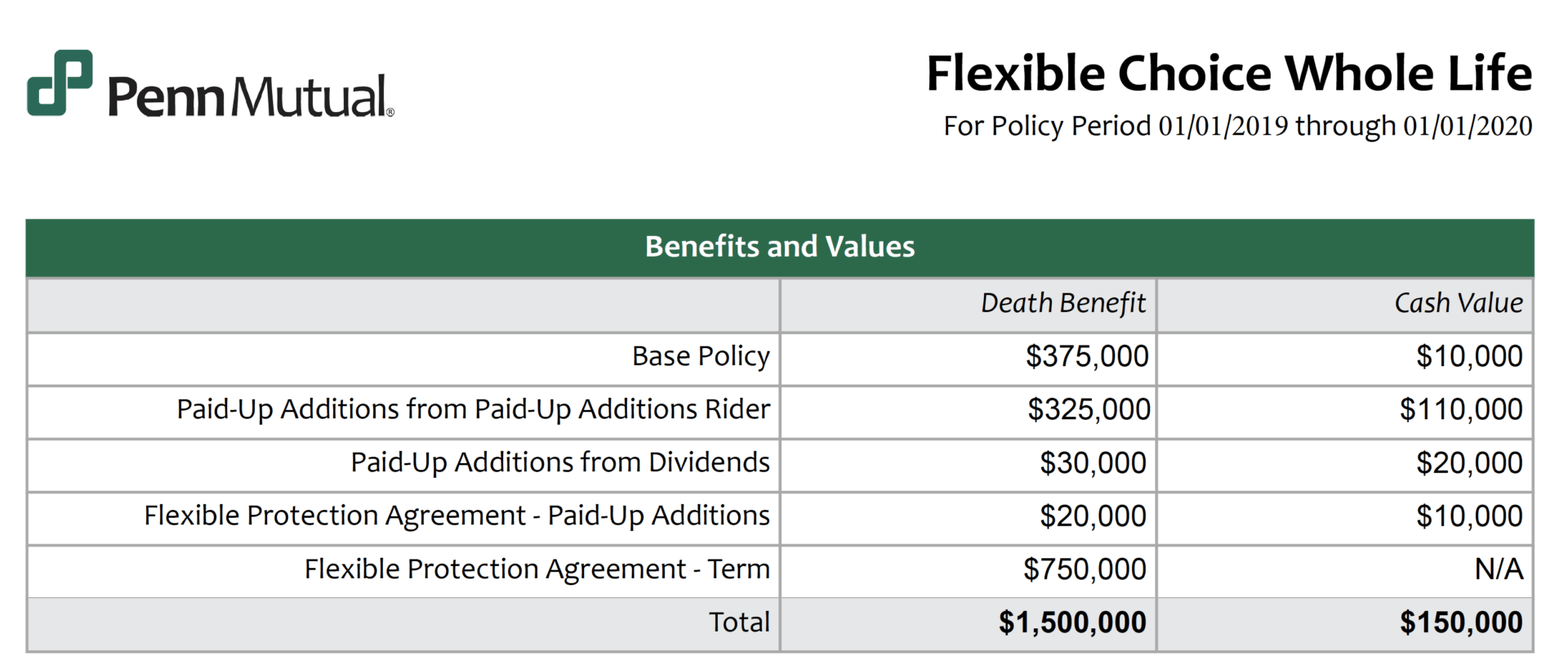
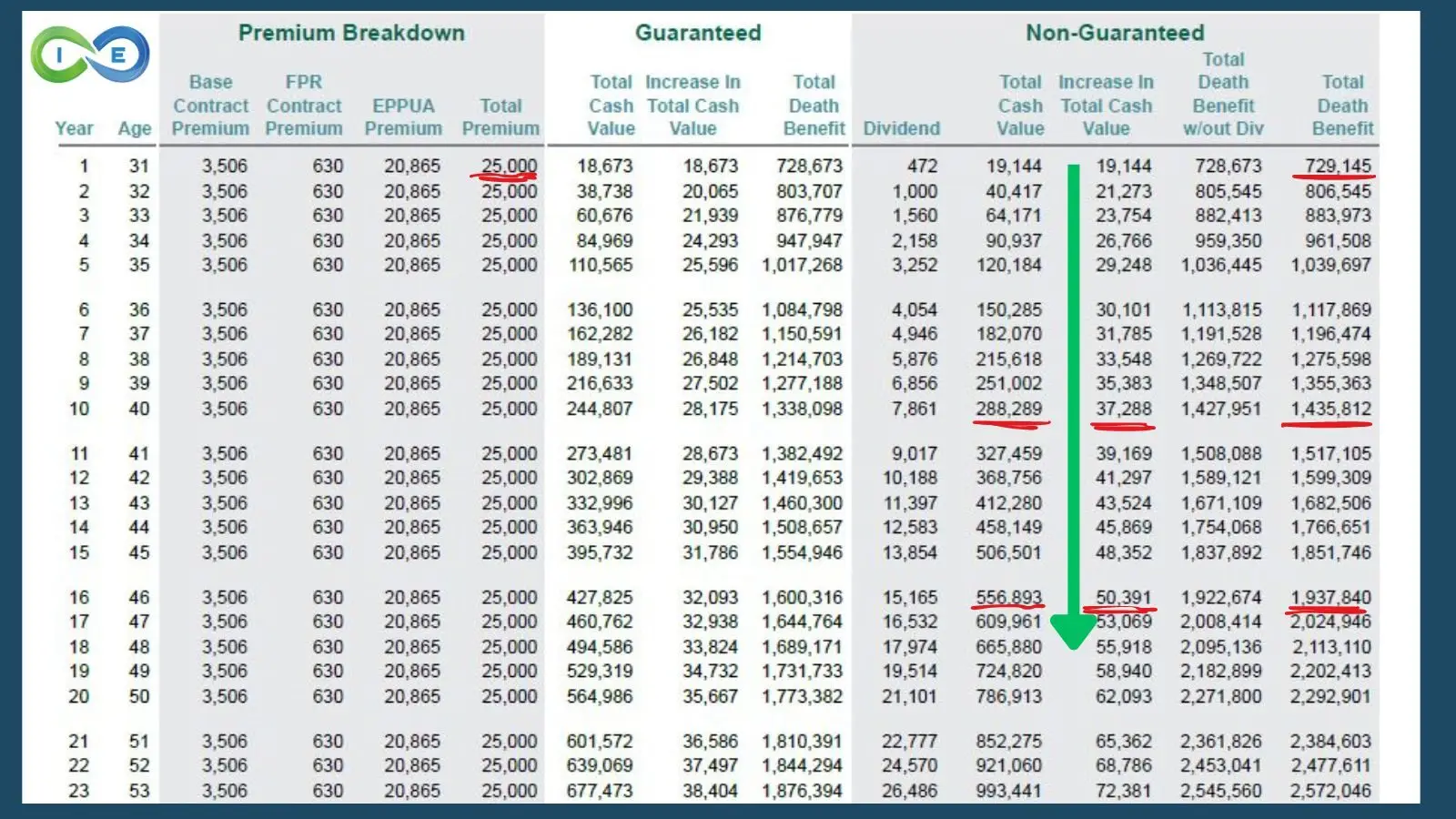
- Policy Loans: If the insured individual took a loan against the cash value of a permanent life insurance policy (such as whole or universal life) and did not repay it, the outstanding balance—plus accrued interest—is deducted from the death benefit before it is paid out.
- Unpaid Premiums: If the policy was in a grace period or if there were outstanding premium payments at the time of death, these amounts are subtracted from the total benefit.
- Accelerated Death Benefits: Some policies allow the insured to access a portion of the death benefit while still living if they are diagnosed with a terminal or chronic illness. Any funds accessed this way are subtracted from the ultimate payout to beneficiaries.
- Riders: Certain policy riders, such as an Accidental Death Benefit, may increase the payout. Conversely, if a policy includes a long-term care rider, the funds used for medical care during the insured's life will reduce the remaining death benefit.
The Role of Regulatory Oversight and Timing
In 2026, the process remains heavily regulated by state departments of insurance. Insurers are required to process claims in a "reasonable" amount of time, though state laws vary on what constitutes this timeframe. Generally, once all required documentation—including the claim form, the policy document, and the death certificate—is received, the claim is processed within 30 to 60 days.
If an insurer delays payment without a valid reason, they may be required to pay interest on the death benefit, calculated from the date of the insured's death. Beneficiaries who feel a claim is being unjustly delayed or denied have the right to contact their state insurance commissioner’s office, which acts as a regulatory body to resolve disputes between policyholders and carriers.
Comparison of Life Insurance Payout Realities
| Feature | Lump Sum Settlement | Installment Settlement |
|---|---|---|
| Tax Status | Typically income-tax-free | Interest earned is taxable |
| Control | Beneficiary manages entire sum | Insurer manages the principal |
| Flexibility | High (can invest or spend as needed) | Low (fixed payments) |
| Risk | Beneficiary risk of dissipation | Protection against overspending |
| Typical Use | Debt payoff, estate settlement | Income replacement, lifestyle support |
Common Misconceptions Regarding Death Benefits
One of the most persistent myths is that life insurance proceeds are always part of a deceased person's estate and subject to probate. In reality, when a specific beneficiary is named on the policy, the death benefit typically bypasses probate entirely. It is paid directly to the beneficiary, ensuring faster access to funds. However, if no beneficiary is named, or if the beneficiary is the "Estate of the Insured," the funds flow into the estate, where they become subject to probate court and potentially estate taxes, depending on the total size of the estate and current tax law.
Another misconception involves the timeline. Many assume that receiving a death benefit is instantaneous. Because life insurance companies are required to perform due diligence—including checking for fraud and ensuring the identity of the beneficiaries—a delay of several weeks is the industry standard. It is rarely an overnight transaction.
Next Steps for Beneficiaries
If you are currently a named beneficiary on a life insurance policy, your first step is to locate the original policy documents. If the policy is lost, you should contact the insurance carrier directly. If you are unsure which company holds the policy, you may utilize the Life Insurance Policy Locator Service, managed by the National Association of Insurance Commissioners (NAIC), which helps match beneficiaries with unclaimed life insurance benefits.
Once the carrier is identified, request the formal "Claimant’s Statement" form. Fill this out accurately, as any discrepancies in information can trigger an investigation and delay the payout. Ensure you have several certified copies of the death certificate, as you will likely need them for other estate matters beyond the insurance claim.
Frequently Asked Questions
Does the death benefit include interest earned between the date of death and the date of payment? Yes, in most jurisdictions, insurers are required to pay interest on the death benefit if there is a delay between the date of death and the date the claim is paid. The rate is typically mandated by state law or the policy contract.
Can a beneficiary be denied a death benefit? A claim may be denied if the policy lapsed due to non-payment of premiums, if the death occurred during the contestability period due to undisclosed medical history (material misrepresentation), or if the cause of death is specifically excluded by the policy (such as certain high-risk activities).
What happens if the primary beneficiary dies before the insured? If the primary beneficiary predeceases the insured, the death benefit is usually paid to the contingent (secondary) beneficiary. If no contingent beneficiary is named, the funds typically revert to the insured's estate.
Are death benefits taxable? Generally, life insurance death benefits are not considered taxable income by the IRS. However, if the death benefit is paid out in installments, the interest component of those payments is typically subject to federal income tax.
Can I change the settlement option after the insured has died? Usually, the settlement option is determined by the policyholder. However, some policies grant the beneficiary the right to select a different settlement option at the time of claim, provided the policy language permits it.
How do I find out if a deceased relative had a life insurance policy? You should search the deceased’s personal records for policy documents, bank statements showing premium payments, or address books. Additionally, you can consult with the insurance department in the state where the deceased resided to use state-run policy locators.
Final Recommendation
The most critical action for any beneficiary is to maintain clear communication with the insurance company's claims department. Keep a detailed log of all correspondence, including the names of representatives, the dates of phone calls, and copies of every document submitted. If you encounter significant roadblocks, do not hesitate to ask for a supervisor or reach out to your state’s insurance regulatory division for guidance. Being proactive and organized is the best way to ensure the timely receipt of the funds intended for your financial protection.
Image Gallery