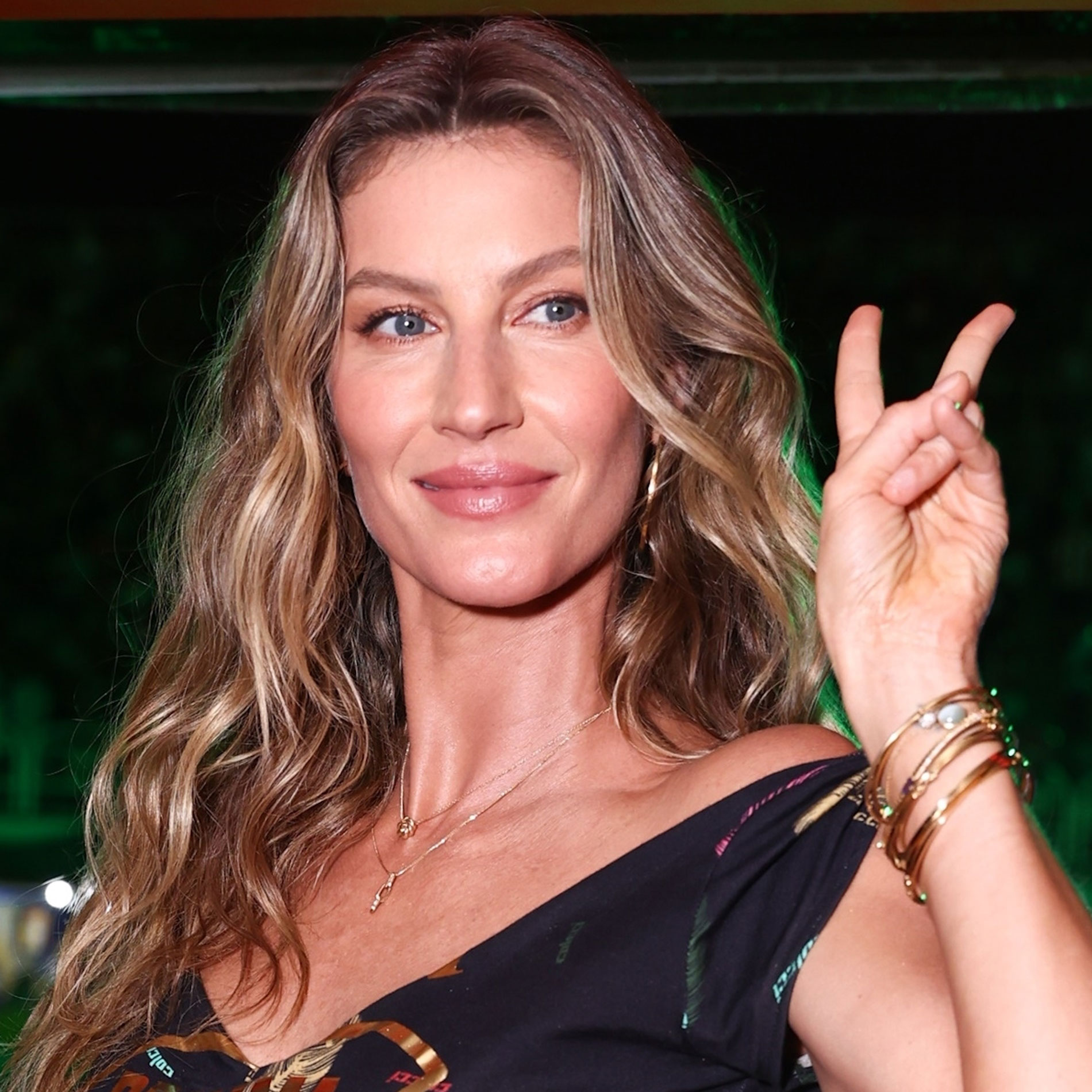
What the Gisele Bündchen Photo Trend Shows About Modern Visual Culture
The Gisele Bündchen photo trend highlights a broader cultural pivot from static, over-filtered digital portraiture toward dynamic movement, sun-kissed natural lighting, and athletic vitality. Originating across social video platforms a...
The Gisele Bündchen photo trend highlights a broader cultural pivot from static, over-filtered digital portraiture toward dynamic movement, sun-kissed natural lighting, and athletic vitality. Originating across social video platforms and visual sharing networks, the trend reflects a growing demand for authentic presence, unposed camera interaction, and early-2000s fashion aesthetics in contemporary photography.
Contents
The Origins and Aesthetic of the Gisele Bündchen Photo Trend
To understand what the Gisele Bündchen photo trend shows, one must first look at the historical fashion context that the supermodel originally established. In the late 1990s, the global modeling industry was dominated by the "heroin chic" visual style—characterized by pale complexions, angular features, minimalist studio backdrops, and static, detached expressions. When Gisele Bündchen rose to international prominence on the runway and in high-fashion editorial shoots, her visual style introduced a drastic shift toward golden-hour lighting, bronzed skin, wind-swept textures, and high-energy motion.
In recent social media discourse, creators and photographers have revived this aesthetic as a distinct photo trend. TikTok videos, Instagram reels, and Pinterest mood boards frequently break down her most iconic editorial shoots—from her early 2000s Victoria’s Secret beach campaigns and Alexander McQueen runway appearances to her high-fashion editorial imagery. The trend involves creators capturing portraits while actively moving, tilting into natural sunlight, and adopting dynamic body angles rather than remaining frozen in place.
What makes this trend distinct from standard portrait tutorials is its focus on vitality over perfection. Rather than relying on smooth digital beauty filters or rigid posing grids, the Gisele-inspired visual framework emphasizes raw energy, warm color palettes, and physical confidence. It serves as both a homage to classic fashion photography and a direct response to the homogenizing effects of modern smartphone retouching.
Key Visual Markers Revealed by the Trend
The widespread popularity of this photo trend offers clear insights into how visual culture and photography techniques are evolving. By analyzing the common attributes of these viral photos and videos, several key trends in modern visual storytelling emerge.
Visual Evolution in Social Photography:
- Static "Instagram Face"
- AI-Filtered Retouching
- Gisele Aesthetic: Dynamic Motion & Golden Sunlight
1. The Rejection of "Instagram Face" and Static Posing
For nearly a decade, digital portrait photography was dominated by what cultural critics termed "Instagram Face"—a highly symmetrical, heavily contoured, and static pose designed to optimize smartphone face-detection algorithms. The Gisele Bündchen trend directly counters this stiffness. Photos created in this style capture mid-motion interactions: a sudden turn toward the lens, hair flipping in natural wind, or an unscripted laugh. The trend demonstrates that audiences now perceive rigid, heavily retouched poses as dated, favoring fluid body movement instead.
2. A Shift Toward Warm, High-Contrast Natural Lighting
Modern digital cameras and smartphone processors often default to flat, evenly exposed HDR (High Dynamic Range) imaging, which eliminates deep shadows and softens highlights. The Gisele photo trend relies on direct, directional natural light—specifically golden hour sunshine, harsh backlighting, or dappled shadow overlays. This lighting choice accentuates muscle tone, highlights natural skin texture, and introduces lens flares that ground the image in physical reality.
3. The Return of Early-2000s (Y2K) Editorial Glamour
Visual trends operate on roughly 20-year cycles. The resurgence of Gisele Bündchen's visual signature aligns directly with the broader cultural fascination with late 1990s and early 2000s fashion aesthetics. The trend highlights low-rise denim, athletic swimwear, metallic accents, and minimal, glowing makeup look paired with expressive imagery. It proves that young creators are looking past the flat, neutral minimalist aesthetics of the 2010s in search of bolder, more expressive period styles.
4. Intentional Lens Interaction
In traditional studio portraiture, models often maintain passive eye contact with the camera. The Gisele photo trend relies on active engagement with the photographer. The subject appears to move around the frame, leaning into the camera wide-angle distortion or walking directly toward the lens. This creates a sense of intimacy and spontaneity, making the viewer feel as though they are witnessing a live moment rather than a staged photo session.
Deconstructing the Mechanics: Posing, Composition, and Lighting
Recreating the signature look highlighted by this trend requires specific technical choices regarding camera settings, subject posture, and lighting setups. The table below outlines how Gisele-inspired dynamic photography differs from traditional portrait photography.
| Technical Aspect | Traditional Digital Portraiture | Gisele Bündchen Photo Trend Style |
|---|---|---|
| Primary Lighting | Softbox diffuse studio lighting or shade | Direct golden-hour sun, rim light, backlighting |
| Subject Posture | Static, square-to-camera, controlled tilt | Asymmetrical hip drop, spinal extension, continuous motion |
| Camera Lens & Angle | 85mm to 105mm telephoto (flattering compression) | 24mm to 35mm wide-angle (dynamic perspective, slight distortion) |
| Shutter Speed | Standard (1/125s - 1/250s) | High speed (1/500s - 1/2000s) to freeze active motion |
| Depth of Field | Ultra-shallow (f/1.4 - f/1.8) | Moderate (f/2.8 - f/5.6) keeping body and environment in focus |
| Color Palette | Cool tones, muted backgrounds, soft contrast | Warm amber tones, high contrast, saturated skin hues |
| Post-Processing | Frequency separation skin smoothing, AI airbrushing | Minimal skin blur, added film grain, natural highlight clip |
How to Execute the Gisele-Style Photo Setup
Creators wanting to incorporate the lessons of the Gisele Bündchen photo trend into their own photography can follow a clear, step-by-step workflow focused on movement and natural light.
Setup Workflow:
- Select Time: Golden Hour
- Choose Lens: 24-35mm
- Set High Shutter Speed
- Prompt Subject Motion
- Preserve Warm Contrast in Edit
Step 1: Select the Optimal Time and Location
- Timing: Schedule shoots during the final 60 to 90 minutes before sunset (golden hour) or early morning. Sunlight positioned at a 30- to 45-degree angle produces the warm, elongated shadows essential to this look.
- Location: Choose open environments that allow unrestricted movement—such as beaches, open fields, rooftops, or sunlit architectural spaces with reflective surfaces.
Step 2: Configure Camera for High-Speed Capture
- Set the shutter speed to at least 1/500s (or 1/1000s for running or hair movements) to capture sharp motion without blur.
- Keep aperture between f/2.8 and f/4 to maintain sharp focus across the subject’s entire body while retaining slight separation from the background.
- Use continuous auto-focus tracking (AI Servo / AF-C) locked onto the subject's eyes to ensure sharpness during movement.
Step 3: Direct the Subject Through Continuous Action
- Avoid telling the subject to "hold a pose." Instead, give directional cues involving action, such as "walk toward the lens and look over your shoulder" or "shift your weight from hip to hip while tracing the light with your face."
- Encourage the subject to arch the back slightly, extend the neckline, and drop the shoulders back—postural cues popularized by high-fashion runway models.
Step 4: Utilize Wide-Angle Perspective
- Use wide focal lengths between 24mm and 35mm on a full-frame sensor.
- Position the camera slightly lower than eye level and tilt upward. This low-angle perspective elongates the torso and legs, replicating the dramatic editorial scale seen in fashion magazines.
Step 5: Post-Process for Warmth and Grain
- Adjust the color balance toward warm yellow and orange tones, avoiding cool blue casts.
- Preserve highlight detail on skin tones while letting deep shadows remain dark to keep contrast high.
- Apply subtle film grain to simulate the look of 35mm analog fashion photography, resisting the urge to smooth skin texture with digital filters.
Common Mistakes When Attempting the Trend
While the trend looks effortless, attempting to replicate it without technical precision often leads to poor results. Photographers and creators should avoid these common pitfalls:
- Shooting in Harsh Midday Light: Direct overhead sunlight creates dark shadows under the eyes and nose. If shooting during peak daylight hours, use open shade or direct backlighting rather than direct overhead sun.
- Over-smoothing Skin in Post-Production: The entire premise of the trend relies on natural texture and vitality. Using automated blur filters neutralizes the raw quality that makes the aesthetic appealing.
- Using Telephoto Lenses Exclusively: While 85mm lenses are standard for beauty headshots, they flatten perspective and compress space. A wider lens creates an immersive, active feel.
- Staging Motion Artificiality: Freezing a subject in a fake motion pose often looks awkward on camera. The movement must be continuous; take rapid burst shots while the subject is genuinely moving.
Frequently Asked Questions
What is the Gisele Bündchen photo trend?
It is a viral photography and content creation trend where creators recreate the aesthetic of supermodel Gisele Bündchen’s early-2000s fashion photography. The style features dynamic body movement, sun-kissed golden lighting, unposed camera engagement, and minimal digital retouching.
Why is the Gisele photo trend popular right now?
The trend is popular because it offers a reaction against rigid, heavily retouched social media photos and flat studio lighting. Audiences and creators favor its focus on health, vitality, natural movement, and nostalgic Y2K fashion aesthetics.
What camera settings work best for this style of photography?
Use a high shutter speed (1/500s or faster) to freeze motion, a focal length between 24mm and 35mm for dynamic angles, continuous auto-focus (AF-C), and a moderate aperture around f/2.8 to f/4 for strong subject clarity.
Can you recreate the Gisele photo trend with a smartphone?
Yes. Turn off automatic night mode and portrait smoothing settings. Position yourself in direct late-afternoon sunlight, lower the camera angle slightly, use the 1x lens (or wide 0.5x lens carefully), and use burst mode while walking or moving continuously.
How does this photo trend differ from "heroin chic" photography?
While "heroin chic" emphasized pale skin, dark undereye shadows, static poses, and somber moods, the Gisele aesthetic prioritizes warm bronzed tones, athletic body postures, bright natural sunlight, and energetic movement.
Recommended Next Actions
To incorporate the principles shown by the Gisele Bündchen photo trend into your visual workflow, consider the following practical steps:
- Audit Your Lighting Timing: Plan your next portrait session around golden hour to practice working with backlighting and warm color temperatures without complex studio strobes.
- Practice Dynamic Directing: Shift from static posing instructions to motion-based prompts during photo shoots to build comfort with high-speed burst capture.
- Experiment with Wider Focal Lengths: Try using a 28mm or 35mm lens for outdoor portrait sessions, experimenting with low angles to explore dramatic proportions.
- Refine Color Grading Presets: Develop warm-toned color presets that preserve natural skin texture and high contrast, replacing overly smoothed beauty filters with subtle grain textures.
Image Gallery