The Best Battery Operated Vacuum for Everyday Cleaning: Technical and Selection Guide
The best battery operated vacuum for everyday cleaning balances a high-efficiency brushless motor, a swappable 21.6-volt to 25.2-volt Lithium-ion battery providing 30 to 60 minutes of continuous runtime, sealed HEPA filtration, and an...
The best battery operated vacuum for everyday cleaning balances a high-efficiency brushless motor, a swappable 21.6-volt to 25.2-volt Lithium-ion battery providing 30 to 60 minutes of continuous runtime, sealed HEPA filtration, and an overall weight under 7 pounds. Models with anti-tangle brush heads and automatic suction adjustment optimize performance across mixed flooring.
Contents
Essential Technical Performance Factors for Everyday Cordless Vacuums
Selecting a cordless vacuum for daily domestic cleaning requires assessing core mechanical and electronic components. Unlike traditional corded vacuums that pull constant power from an electrical outlet, battery-operated units must strictly optimize energy consumption, airflow dynamics, and weight distribution.
Core Vacuum Airflow & Power Flow:
- Swappable Li-Ion Battery powers Brushless DC Motor
- Motorized Head pulls debris into Cyclonic Chamber
- Air flows from Cyclonic Chamber through HEPA Filter
- HEPA Filter outputs Clean Exhaust
Battery Chemistry, Voltage, and Power Delivery
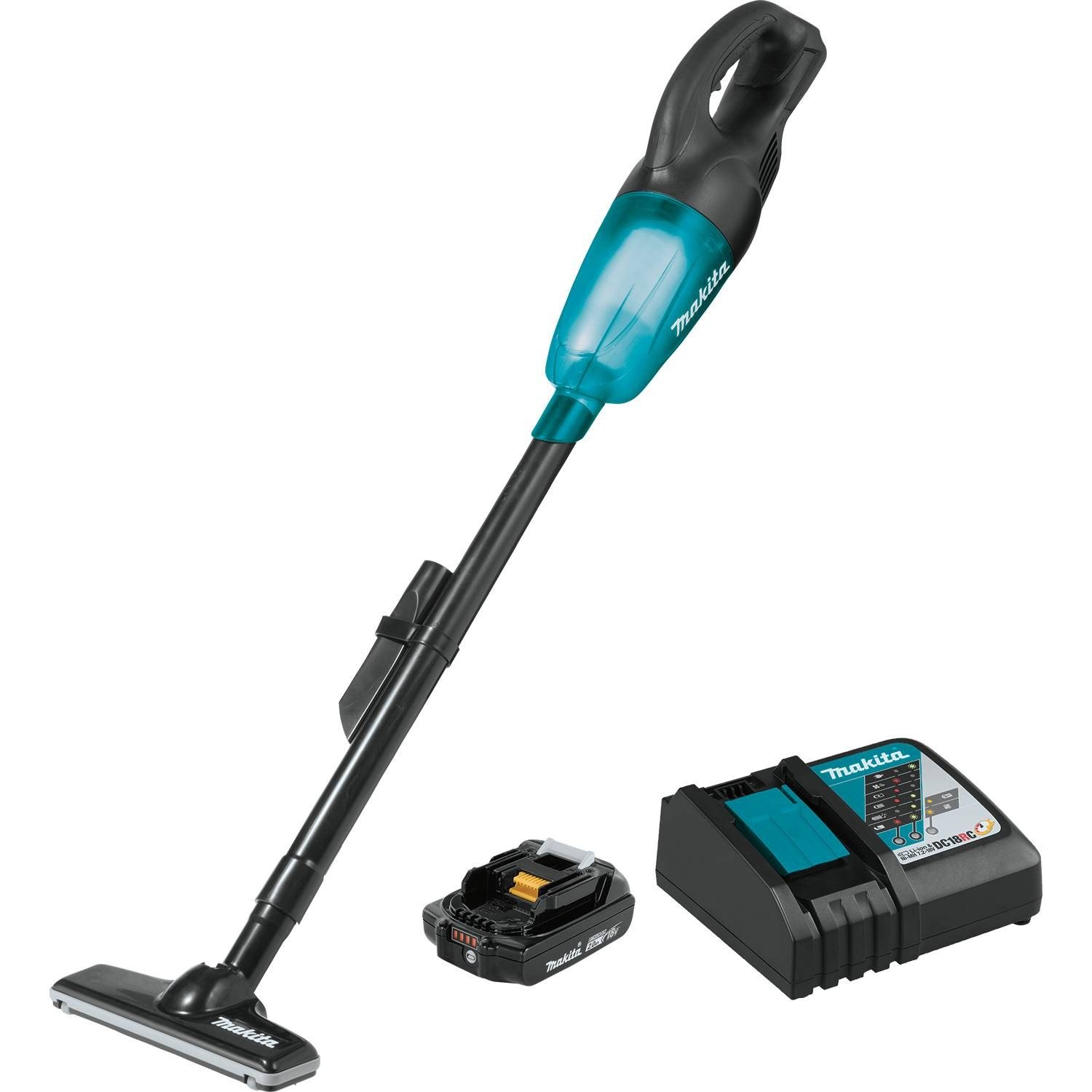
The heart of any cordless vacuum is its battery pack. Modern high-performance vacuums rely on Lithium-ion (Li-ion) cell configurations, typically ranging from 18 volts to 36 volts.
- Voltage and Energy Density: Higher voltage allows the motor to draw higher wattage without requiring excessive current (amperage), which reduces thermal degradation inside the battery pack. A pack's total energy capacity is measured in Watt-hours ($\text{Wh} = \text{Voltage} \times \text{Ampere-hours}$). For effective daily cleaning, target a battery rated at least 21.6V with a capacity of 2.5 Ah (54 Wh) or higher.
- Fade-Free Power vs. Voltage Sag: Advanced battery management systems (BMS) monitor cell temperature and voltage balance. Superior BMS designs prevent voltage sag—the drop in motor suction as the battery charge drains—ensuring consistent performance from 100% down to 0% state of charge.
- Swappable vs. Integrated Packs: Vacuums designed with click-in, removable battery architectures offer extended operational lifespans. When a cell degrades after 300 to 500 charge cycles, an interchangeable battery can be replaced without disposing of the entire vacuum body.
Motor Efficiency: Brushless DC vs. Brushed Motors
The drive motor determines both suction capability and energy draw:
- Brushed Motors: Depend on mechanical carbon brushes to transfer current. They suffer from frictional energy loss, elevated operating temperatures, and shorter operational lifespans (typically under 500 total runtime hours).
- Brushless DC (BLDC) Motors: Utilize electronic commutation to drive the rotor. BLDC motors achieve energy efficiency exceeding 85%, operate at rotational speeds up to 125,000 RPM, and generate significantly higher static suction per Watt of power consumed. For daily cleaning, a BLDC motor is essential for maximizing battery runtime while maintaining deep-carpet agitation.
Suction Power Metrics: Air Watts, Pascals, and CFM
Manufacturers publish varying metrics to describe vacuum strength. Understanding how these measurements correlate prevents misinterpreting performance claims:
- Air Watts (AW): The international standard measurement for vacuum power output, combining airflow rate and static water lift suction ($\text{Air Watts} = \frac{\text{Airflow (CFM)} \times \text{Suction (Inches of Water)}}{8.5}$). A daily-use cordless stick vacuum should supply at least 100 to 150 AW on high/boost settings and 25 to 40 AW on standard energy-saving modes.
- Pascals (Pa): A measurement of pure static vacuum pressure. Effective cordless stick models generally range between 15,000 Pa and 25,000 Pa on max power.
- Cubic Feet per Minute (CFM): Measures the volume of air moving through the system per minute. Higher CFM ratings (40+ CFM) are critical for carrying heavy debris through the wand into the dustbin without clogging.
Filtration Efficiency and Sealed System Integrity
Daily vacuuming releases fine particulates back into the ambient air unless the system is fully sealed. According to standards established by the U.S. Department of Energy, True HEPA filtration must capture at least 99.97% of airborne particles down to 0.3 micrometers in diameter.
A non-sealed vacuum body permits micro-dust to bypass the filtration assembly through housing gaps and latch seals. Look for vacuums explicitly specified as Sealed HEPA Systems. These feature rubber gasket seals around the cyclonic separator, pre-motor filter, and post-motor exhaust housing to ensure all ingested air passes through the complete filtration chain before returning to the room.
Vacuum Architecture Types for Everyday Cleaning
Battery-operated vacuums are built in distinct form factors to address different cleaning environments, storage footprints, and physical strength requirements.
Cordless Vacuum Form Factors:
- Stick Vacuums
- Motor at handle
- High versatility
- Multi-surface conversion
- Cordless Uprights
- Base-heavy motor
- Large dustbin capacity
- Stands upright unassisted
- Handheld Spot Cleaners
- Compact, lightweight
- Short spot-clean runs
- Car & furniture focus
Cordless Stick Vacuums
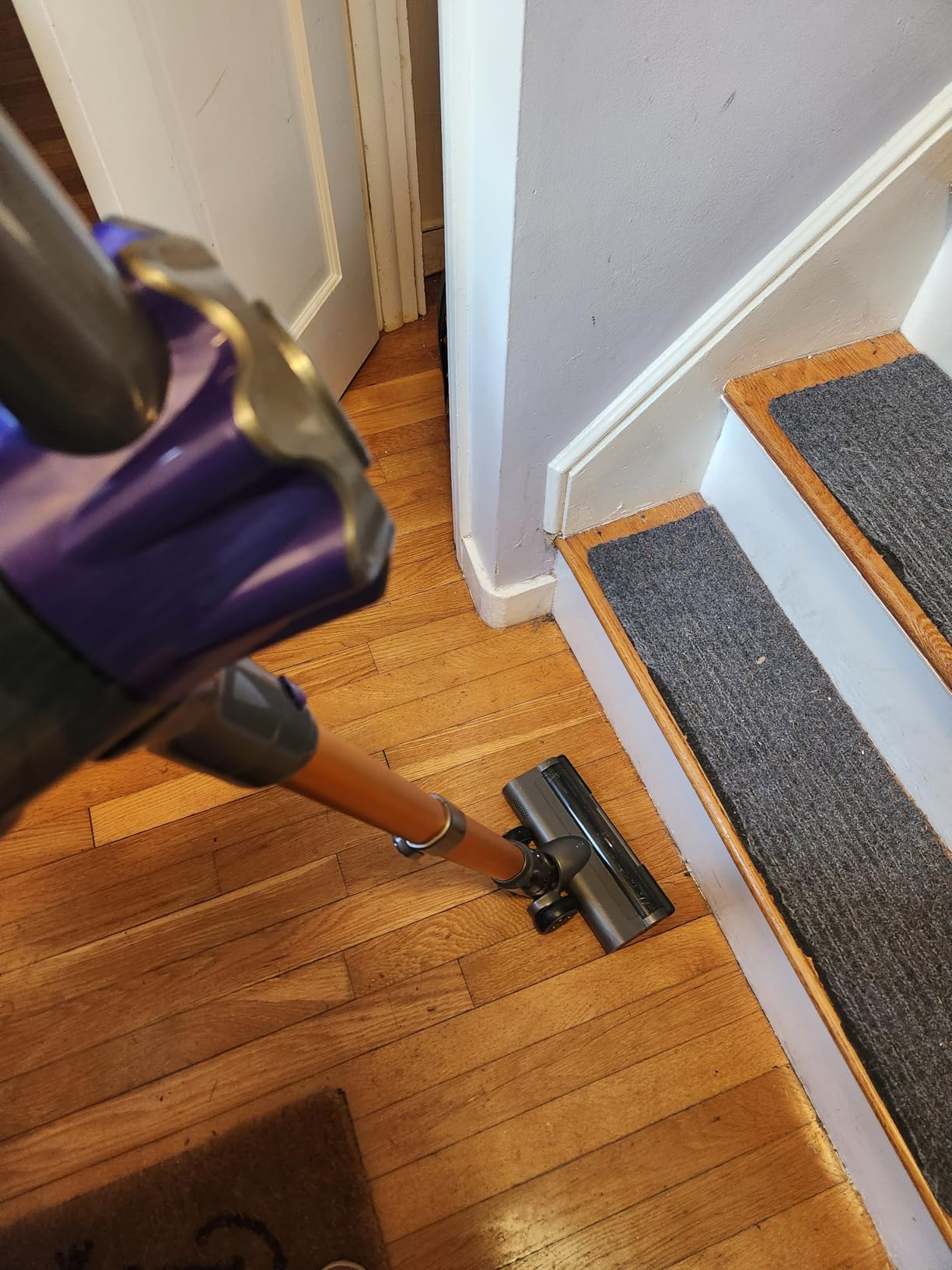
Cordless stick vacuums place the motor, battery, and dustbin assembly near the handle grip. This top-heavy weight distribution makes the unit easy to maneuver overhead for ceiling vents or convert into a short handheld device.
- Best Suited For: Multi-story homes, mixed bare floor and carpet layouts, overhead dusting, and households requiring stair cleaning.
- Operational Trade-Offs: Dustbins are smaller (typically 0.4L to 0.7L) to keep overall weight under 7 lbs. Top-heavy balance can induce wrist fatigue during prolonged cleaning sessions exceeding 30 minutes.
Cordless Upright Vacuums
Cordless upright vacuums mirror traditional corded upright designs, positioning the battery, motor, and primary dust canister lower on the main shaft near the floor head.
- Best Suited For: Large single-story or open-plan homes dominated by medium- to high-pile carpet.
- Operational Trade-Offs: Weight rests on the floor, reducing wrist strain. However, these models rarely convert into handheld units and cannot easily reach underneath low-clearance furniture. Dust capacities are significantly larger (0.9L to 1.5L).
Compact Handheld Cordless Vacuums
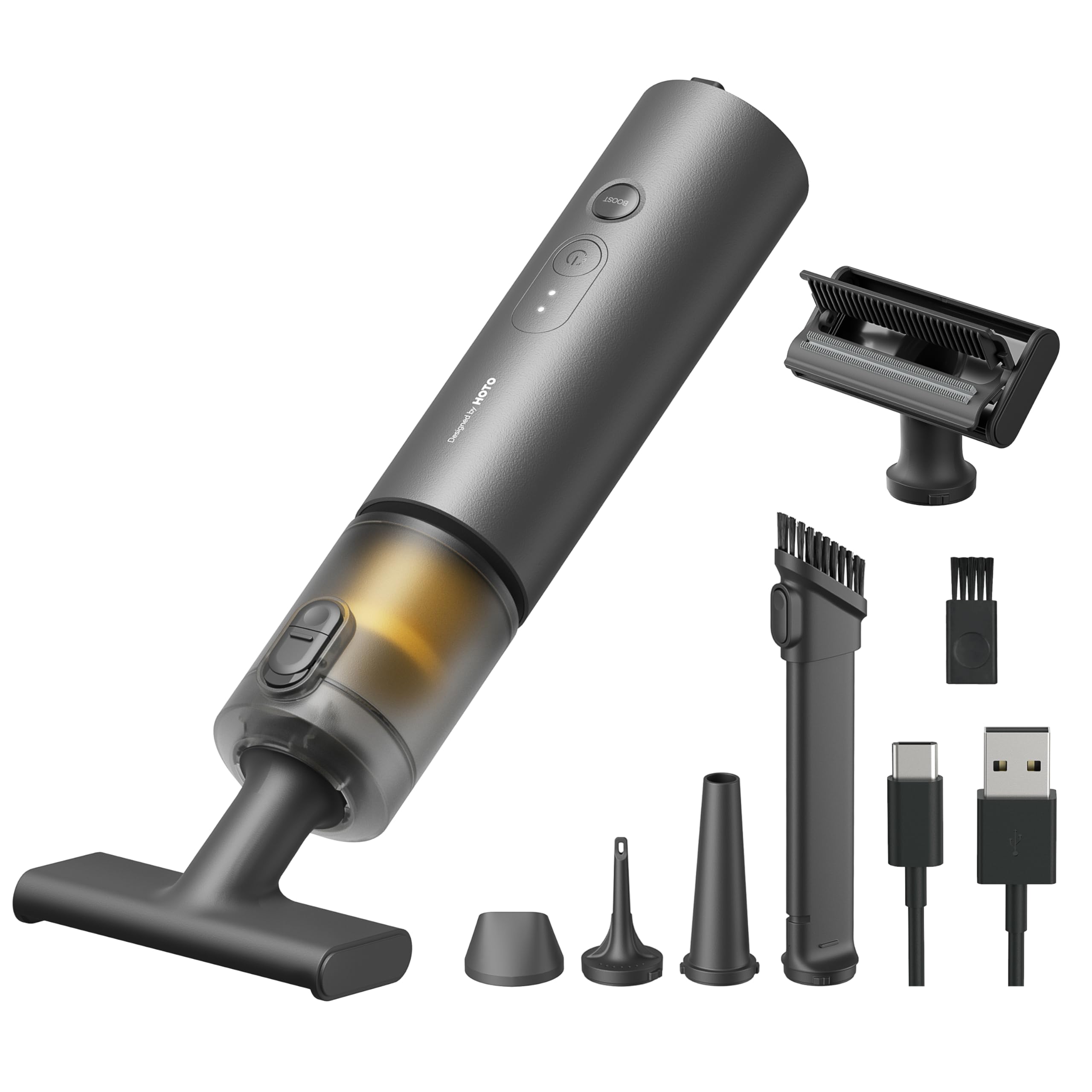
Handheld units are small, localized spot-cleaning tools with integrated handles and short nozzles.
- Best Suited For: Kitchen counter cleanups, dining chair spills, vehicle interiors, and pet bedding spot maintenance.
- Operational Trade-Offs: Limited battery capacity (10 to 20 minutes max) and small dust containers (0.2L to 0.4L). They lack wide motorized floor heads for full-room floor maintenance.
Technical Comparison of Everyday Battery Vacuum Configurations
The following comparison table outlines key technical specifications across primary cordless vacuum categories to help determine the correct tool for your home layout.
| Vacuum Category | Primary Voltage & Chemistry | Avg. Runtime (Eco / Max) | Dustbin Capacity | Total Weight | Airflow Power Range | Ideal Home Application |
|---|---|---|---|---|---|---|
| Premium Cordless Stick | 25.2V – 29.6V Lithium-ion | 40 – 60 min / 8 – 12 min | 0.5L – 0.8L | 5.5 – 6.8 lbs | 120 – 230 Air Watts | Mixed hard floors, area rugs, stairs, overhead vents |
| Compact Cordless Stick | 18.0V – 21.6V Lithium-ion | 25 – 40 min / 6 – 8 min | 0.3L – 0.5L | 4.0 – 5.2 lbs | 70 – 110 Air Watts | Apartments, quick daily kitchen/entryway sweeps |
| Cordless Full-Size Upright | 24.0V – 36.0V Dual Li-ion | 50 – 80 min / 15 – 20 min | 1.0L – 1.5L | 9.5 – 14.0 lbs | 140 – 200 Air Watts | Large homes with wall-to-wall carpets |
| High-Power Handheld | 12.0V – 14.4V Lithium-ion | 12 – 20 min / 5 – 7 min | 0.2L – 0.4L | 2.0 – 3.2 lbs | 35 – 65 Air Watts | Auto interiors, upholstery, dining table crumbs |
| Hybrid Cordless Wet/Dry | 21.6V – 25.2V Lithium-ion | 25 – 35 min (Single Mode) | 0.6L Clean / 0.5L Dirty | 8.5 – 11.5 lbs | Hydro-dynamic drag | Hardwood, tile, sealed stone daily washing/sweeping |
Battery Management and Operational Longevity Protocols
Maintaining performance over a multi-year lifespan requires proper battery upkeep and mechanical care. Thermal management, charge thresholds, and duct maintenance directly influence runtime and suction over time.
Preventing Thermal Degradation in Lithium-Ion Packs
Lithium-ion cells experience accelerated chemical degradation when exposed to temperatures exceeding 113°F (45°C). Follow these battery health practices:
- Avoid Immediate Recharge After High-Power Use: Operating a vacuum in high-power or "Boost" mode heats the internal battery cells. Plugging the battery into its charger immediately after heavy use traps heat, degrading cell capacity over time. Allow the battery pack to cool for 15 to 20 minutes before placing it on the charging dock.
- Maintain Operational Temperatures: Store and charge your vacuum inside a climate-controlled room between 50°F and 86°F (10°C to 30°C). Unheated garages or sunny utility closets subject batteries to extreme temperature shifts that reduce total cycle counts.
- Prevent Deep Discharge Cycles: Modern Li-ion packs do not suffer from memory effect, but letting cells discharge completely down to 0% voltage puts mechanical stress on the cathode materials. Recharging when the battery level reaches 15% to 20% extends overall service life.
System Airflow and Duct Maintenance
A loss of suction in a battery-operated vacuum is almost always caused by airflow restriction rather than motor failure. Reduced airflow forces the motor to spin harder, increasing thermal output and depleting battery reserve power faster.
Airflow Degradation & System Strain:
- Causes of Restriction:
- Clogged Brush Roll: Leads to Higher Mechanical Drag
- Saturated HEPA Filter: Leads to Restricted Internal Airflow
- Blocked Air Channel: Leads to Decreased Vacuum CFM
- System Impact:
- Battery Drain Increases & Suction Drops Rapidly
- Brush Roll Clearance: Hair and fibers wound tightly around the roller end-caps increase mechanical resistance on the brush motor. Clear tangled hair weekly to lower current draw on the battery.
- Filter Wash and Dry Cycles: Washable foam pre-filters and pleated post-motor filters should be rinsed under cool water every 30 days. Never reinstall a damp filter; residual moisture pulled into the BLDC motor housing causes electronic corrosion, while damp fibers create dense barriers that block airflow. Allow filters to air-dry completely for at least 24 full hours.
- Checking Channel Obstructions: Foreign objects stuck in the entry neck of the dustbin create partial vacuums within the air path, triggering automatic thermal shutdown switches in high-end models.
Critical Pitfalls to Avoid When Selecting a Battery Vacuum
Navigating manufacturer specifications can be difficult due to marketing claims that emphasize ideal test scenarios rather than practical daily use.
1. Relying on Advertised Maximum Runtimes
Manufacturers frequently advertise runtimes "up to 60 minutes." This figure is measured under minimal load conditions—typically using the lowest energy setting with non-motorized accessories attached (such as a crevice tool).
When attaching a motorized floor nozzle with a rotating roller head, power consumption increases significantly:
- Eco Mode (Non-Motorized): Up to 60 minutes
- Standard Floor Cleaning Mode (Motorized Head): 25 to 35 minutes
- Max/Boost Carpet Mode (Motorized Head): 7 to 12 minutes
Select a vacuum whose runtime on standard motorized mode matches the surface area of your home. A single charge providing 30 active motorized minutes is sufficient to clear roughly 1,500 to 2,000 square feet of mixed floor space.
2. Overlooking Dustbin Emptying Mechanisms
Daily usage requires frequent dustbin emptying. Poorly designed dustbins force users to manually reach inside to untangle hair wrap and compacted dust around the cyclone shroud. Look for models featuring a hygienic point-and-shoot ejector system or an internal rubber scraper ring that pushes down all accumulated debris along the shroud when the release latch is actuated.
3. Purchasing Fixed-Battery Vacuums for Larger Footprints
If your daily cleaning routine takes longer than 40 minutes, purchasing a unit with a non-removable internal battery limits your workflow. Once depleted, fixed-battery units require a 2.5 to 5-hour recharge cycle before cleaning can resume. Models featuring interchangeable, standalone charging cradles allow you to swap in a second fresh battery instantly.
Frequently Asked Questions
How long do cordless vacuum batteries last before needing replacement?
A quality Lithium-ion vacuum battery maintains functional capacity for roughly 3 to 5 years under normal daily usage, translating to approximately 300 to 600 full charge-discharge cycles. Capacity gradually decreases over time; when the fully charged runtime drops below acceptable operational levels, replacing the modular battery pack restores the vacuum to its original factory performance.
Is Air Watts or Pascal rating a better indicator of cleaning performance?
Air Watts (AW) is a more reliable overall performance metric for vacuum cleaners because it accounts for both air velocity (CFM) and pull pressure (water lift). While Pascal (Pa) measures pure static suction when the air channel is sealed off, Air Watts reflects actual performance under dynamic conditions while moving air and debris through the floor head and wand.
Can a battery-operated vacuum fully replace a corded upright vacuum?
Yes, high-end cordless stick and upright vacuums outputting between 150 AW and 230 AW match the debris pick-up performance of standard corded uprights on bare floors, low-pile carpets, and medium carpets. However, for homes with dense, high-pile wall-to-wall carpets over 3,000 square feet, a heavy-duty corded vacuum or a multi-battery cordless upright remains more practical due to high continuous power demands.
How often should filters be cleaned in a battery-powered vacuum?
Pre-motor filters should be rinsed under cold water once per month and replaced annually. Post-motor HEPA filters should be inspected every three months, gently tapped free of surface dust, washed according to the manufacturer's directions, and replaced every 12 to 18 months. Clogged filters restrict airflow, forcing the motor to draw higher current and significantly reducing battery runtime.
Why does my battery-operated vacuum shut off after just a few seconds of operation?
Sudden shutdown is typically triggered by safety systems protecting the motor or battery. The most common causes are a physical blockage in the wand, brush roll, or cyclone intake; a saturated filter restricting airflow; or a thermal cutoff triggered by a hot battery pack. Clear all obstruction points, wash the filter, and let the battery cool down before testing again.
What is the ideal battery voltage for a daily-use stick vacuum?
An ideal battery system for everyday cleaning ranges between 21.6 volts and 25.2 volts. Lower-voltage systems (such as 12V to 14.4V) lack the energy capacity to drive high-torque brush motors while maintaining effective suction. Higher-voltage systems (29.6V and above) offer powerful suction, but add physical weight to the handle assembly.
Final Decision Framework for Buyers
To select the best battery-operated vacuum for your daily cleaning routine, evaluate your home using these three technical parameters:
- Floor Surface Mix: If your home consists of 70% or more hard floors (wood, tile, vinyl), prioritize a model that includes a dedicated soft-woven roller head alongside a standard carpet roller. Soft rollers seal against hard surfaces, capturing fine dust without pushing large particles across the floor.
- Total Cleaning Area: For homes under 1,500 square feet, a single-battery stick vacuum providing 35 minutes of standard runtime is sufficient. For homes exceeding 2,000 square feet, select a model featuring dual swappable batteries or a fast-charging dock system to prevent interruptions during whole-home cleanups.
- Occupants and Allergic Sensitivity: Homes with shedding pets or family members with dust sensitivity require a fully sealed housing certified to HEPA standards, paired with an active motorized anti-tangle brush roll to prevent long hairs from binding the drive mechanism.
By balancing motor efficiency, genuine Air Watt ratings, and proper thermal battery maintenance, a battery-operated vacuum delivers convenience and thorough cleaning performance for everyday household maintenance.
Image Gallery