Why Nevada Does Not Have Income Tax: A Comprehensive Guide for 2026
Nevada does not have a state personal income tax because its state constitution explicitly prohibits it. As of 2026, Nevada remains one of a select few states that fund public services primarily through alternative revenue streams like...
Nevada does not have a state personal income tax because its state constitution explicitly prohibits it. As of 2026, Nevada remains one of a select few states that fund public services primarily through alternative revenue streams like gaming taxes, sales taxes, and the Commerce Tax, rather than taxing individual earnings.
Contents
For decades, Nevada has positioned itself as a premier destination for individuals and businesses seeking a tax-friendly environment. The absence of a personal income tax is not a legislative whim but a foundational element of the state's economic strategy. Whether you are a retiree looking to preserve your pension, a remote professional moving from a high-tax state, or a business owner evaluating relocation, understanding how Nevada maintains this status—and what other taxes you might encounter—is essential for accurate financial planning in 2026.
The Legal Foundation: The Nevada Constitution
The primary reason Nevada does not have an income tax is the Nevada Constitution. Specifically, Article 10, Section 9, which was approved by voters and enacted to ensure that the state government cannot levy a tax upon the wages or personal income of its residents. This constitutional protection provides a level of permanence that statutory laws in other states do not offer. While a legislature can often change a tax code with a majority vote, amending the Nevada Constitution requires a multi-step process involving consecutive legislative sessions and a public vote, making the introduction of an income tax a massive political and legal hurdle.
In the 2026 fiscal landscape, this constitutional barrier serves as a "taxpayer bill of rights." It prevents sudden shifts in fiscal policy that could jeopardize the financial security of residents. For high-net-worth individuals and business owners, this stability is often more valuable than the current tax rate itself, as it allows for long-term estate and capital gains planning without the fear of a new state-level "wealth tax" or "millionaire’s tax" appearing overnight.
How Nevada Funds State Operations Without Income Tax
A common question for those moving to the Silver State is: "If there is no income tax, how does the state pay for roads, schools, and emergency services?" Nevada utilizes a "consumption-based" and "industry-specific" tax model. Instead of taxing what people earn, the state largely taxes what people spend and the revenue generated by its most prominent industries.
The Role of the Gaming Industry
The gaming and hospitality industry has historically been the backbone of Nevada's revenue. The state levies a percentage tax on the gross gaming revenue of casinos. Because Nevada is a global hub for tourism and entertainment, a significant portion of the state's budget is effectively "exported" to tourists who visit Las Vegas, Reno, and Lake Tahoe. By taxing the activities of visitors, Nevada reduces the tax burden on its permanent residents.
Sales and Use Tax
Nevada relies heavily on sales and use taxes. While there is a statewide base rate, individual counties add their own percentages to fund local projects like public transportation and school improvements. As of 2026, sales tax in major metropolitan areas like Clark County (Las Vegas) often exceeds 8%, making it higher than the national average. This is the trade-off for having no income tax: the state captures revenue at the point of purchase.
The Commerce Tax
While there is no personal or corporate income tax in the traditional sense, Nevada implemented a "Commerce Tax" in 2015. This tax applies to businesses with a Nevada gross revenue exceeding $4 million within a fiscal year. It is not a tax on profit, but on gross receipts, and the rate varies depending on the industry category. While this does not affect the average individual, it is a critical consideration for large-scale enterprise operations in 2026.
Residency and Domicile: Proving You Live in Nevada
To benefit from the lack of state income tax, you must be a legal resident of Nevada. This is particularly important for individuals who maintain homes in multiple states, such as "snowbirds" or remote executives. If you claim Nevada residency but spend the majority of your time in a high-tax state like California, New York, or Oregon, those states may still attempt to tax your global income.
Establishing "domicile" in Nevada involves more than just owning a house. In 2026, tax authorities in high-tax jurisdictions have become increasingly aggressive in auditing former residents. To protect yourself, you should document your clear intent to make Nevada your permanent home through the following actions:
- The 183-Day Rule: Generally, you should spend at least 183 days per year within the borders of Nevada to be considered a resident for tax purposes.
- Voter Registration: Registering to vote in Nevada is a primary indicator of legal residency.
- Driver’s License and Vehicle Registration: Nevada law requires new residents to obtain a state license and register their vehicles within 30 days of moving.
- Professional Ties: Update your mailing address for all financial accounts, insurance policies, and federal tax filings to your Nevada address.
- Social and Legal Ties: Establishing relationships with local doctors, lawyers, and accountants, and moving your primary safe deposit box to a Nevada bank, serves as further evidence of domicile.
Nevada Tax Comparison: 2026 Snapshot
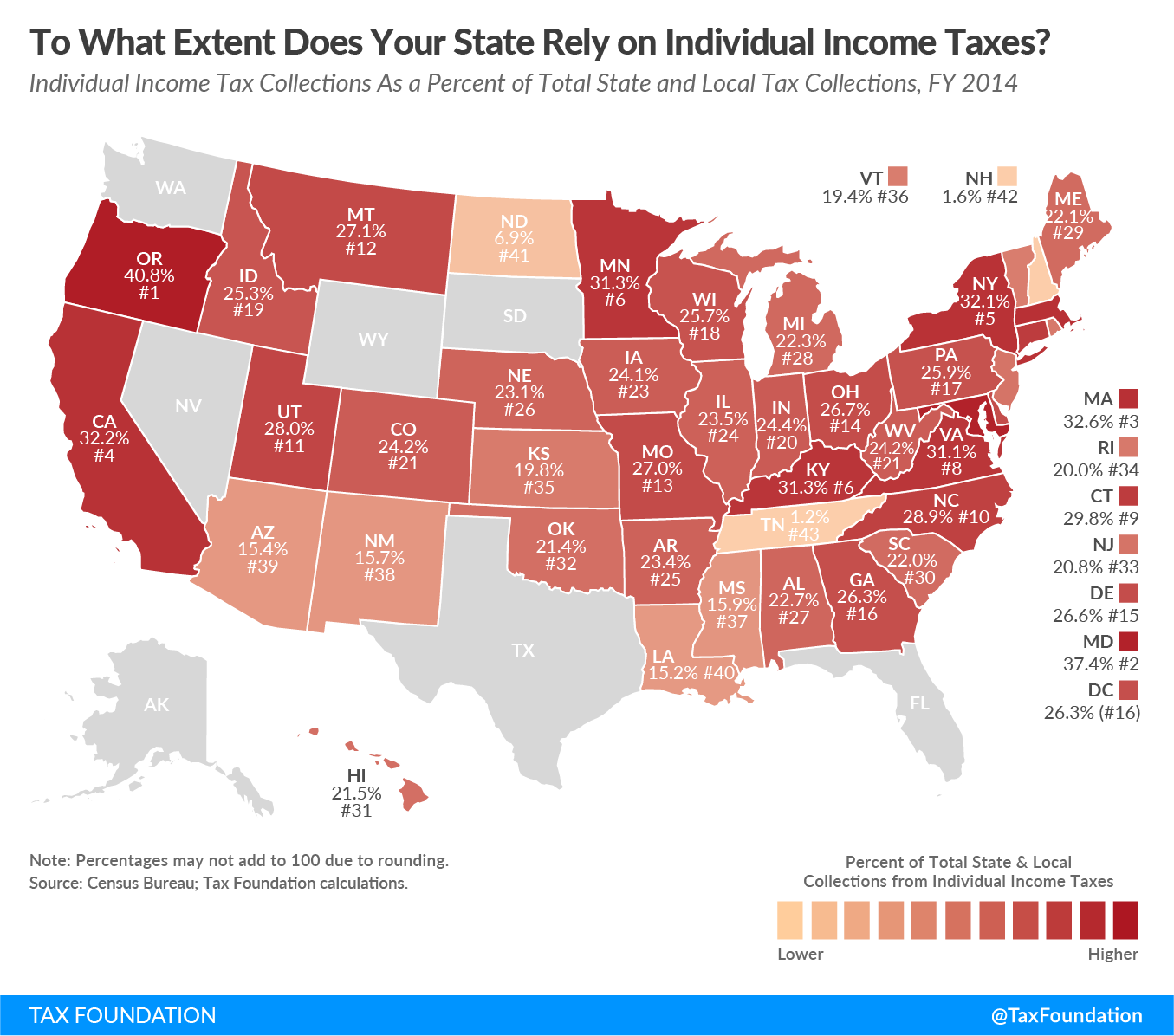
Nevada is one of nine states that currently do not levy a broad-based personal income tax. However, the total "tax burden" varies significantly when property and sales taxes are factored in.
| Feature | Nevada | California | Texas | Florida |
|---|---|---|---|---|
| Personal Income Tax | 0% | 1% – 13.3% | 0% | 0% |
| Corporate Income Tax | None (Commerce Tax) | 8.84% | None (Franchise Tax) | 5.5% |
| State Sales Tax Base | 6.85% (plus local) | 7.25% (plus local) | 6.25% (plus local) | 6.0% (plus local) |
| Property Tax (Avg. Effective) | ~0.55% | ~0.75% | ~1.74% | ~0.91% |
| Social Security Tax | None | None | None | None |
Note: Data reflects typical 2026 estimates; local assessments may vary by county and municipality.
Impact on Retirement and Investment Income
For retirees, Nevada is an exceptionally attractive location because it does not tax any form of retirement income. This includes Social Security benefits, private pensions, 401(k) distributions, and IRAs. In states with an income tax, a retiree might lose 5% to 10% of their annual "paycheck" to the state government. In Nevada, that money stays in the retiree’s pocket.
Similarly, investors benefit from the lack of a state capital gains tax. If you sell a stock, a piece of real estate (that is not your primary residence), or a business, you will still owe federal capital gains tax to the IRS, but you will owe $0 to the State of Nevada. For someone selling a business for several million dollars, moving to Nevada prior to the sale can result in six-figure or even seven-figure tax savings.
Common Pitfalls and Considerations
While the "no income tax" headline is appealing, there are nuances that taxpayers must navigate to avoid unexpected liabilities or legal issues.
1. Federal Taxes Still Apply
It is a common misconception among young professionals that "no income tax" means "no taxes." You are still required to pay federal income tax, Social Security, and Medicare taxes to the federal government. Nevada’s benefits only apply to the state portion of your tax bill.
2. The "Exit Tax" and Statutory Residency
If you are moving from a state like California, be aware of their "statutory residency" rules. If you continue to earn money from a source within your old state (such as a rental property or a business located there), that state will likely still tax that specific portion of your income, even if you live in Nevada.
3. Higher Costs of Living in Specific Hubs
While you save on taxes, the cost of housing in Nevada—particularly in Summerlin (Las Vegas) or Incline Village (Lake Tahoe)—has risen significantly through 2026. Prospective residents must weigh the tax savings against the potential increase in mortgage or rent costs in these highly desirable areas.
4. Modified Business Tax (MBT)
Business owners should be aware of the Modified Business Tax, which is a payroll tax levied on most businesses in Nevada. If you have employees, you will pay a percentage of their gross wages (above a certain threshold) to the state. This is an employer-paid tax and does not come out of the employee's paycheck, but it is a factor in the overall cost of doing business in Nevada.
Frequently Asked Questions
Does Nevada have a corporate income tax? No, Nevada does not have a corporate income tax. However, it does have a Commerce Tax on businesses with Nevada gross revenue over $4 million, and a Modified Business Tax (MBT) based on payroll. This makes it a very competitive state for business headquarters, provided the company understands the gross-receipts-based nature of the Commerce Tax.
Is property tax high in Nevada because there is no income tax? Surprisingly, no. Nevada has some of the lowest property tax rates in the country, largely due to a "tax abatement" law that caps the amount a property tax bill can increase each year (usually 3% for owner-occupied residences). This makes it significantly more affordable than other no-income-tax states like Texas or New Hampshire, where property taxes are often quite high to compensate for the lack of income tax.
Do I have to file a state tax return in Nevada? No. Because there is no state income tax, there is no state income tax filing requirement for individuals. This saves residents both time and the professional fees associated with preparing a state return. You only need to file your federal return with the IRS.
What is the "Live Entertainment Tax" (LET)? The Live Entertainment Tax is another way Nevada generates revenue without taxing income. It is a 9% tax applied to the admission charges for live entertainment events (concerts, shows, sporting events) at venues with a certain capacity. Like the gaming tax, this is largely paid by tourists and visitors.
How does Nevada handle inheritance or estate taxes? As of 2026, Nevada does not have an inheritance tax or an estate tax. This makes it a top-tier jurisdiction for estate planning. Combined with Nevada’s unique "Asset Protection Trust" laws, the state is widely considered one of the best places in the United States for preserving multi-generational wealth.
Final Recommendation for Prospective Residents
If you are considering a move to Nevada to take advantage of its tax-free status in 2026, your first step should be a thorough "nexus" analysis. If your income is derived from remote work for a company in a high-tax state, or if you own businesses in multiple jurisdictions, consult with a tax professional who specializes in multi-state residency. While Nevada will not tax you, your former state may attempt to claim you as a resident if you do not sever ties completely. Ensure your "paper trail"—from your driver's license to your voter registration—is firmly planted in Nevada at least six months before a major taxable event.
Image Gallery