Brigitta von Trapp: The Observant Heart of The Sound of Music
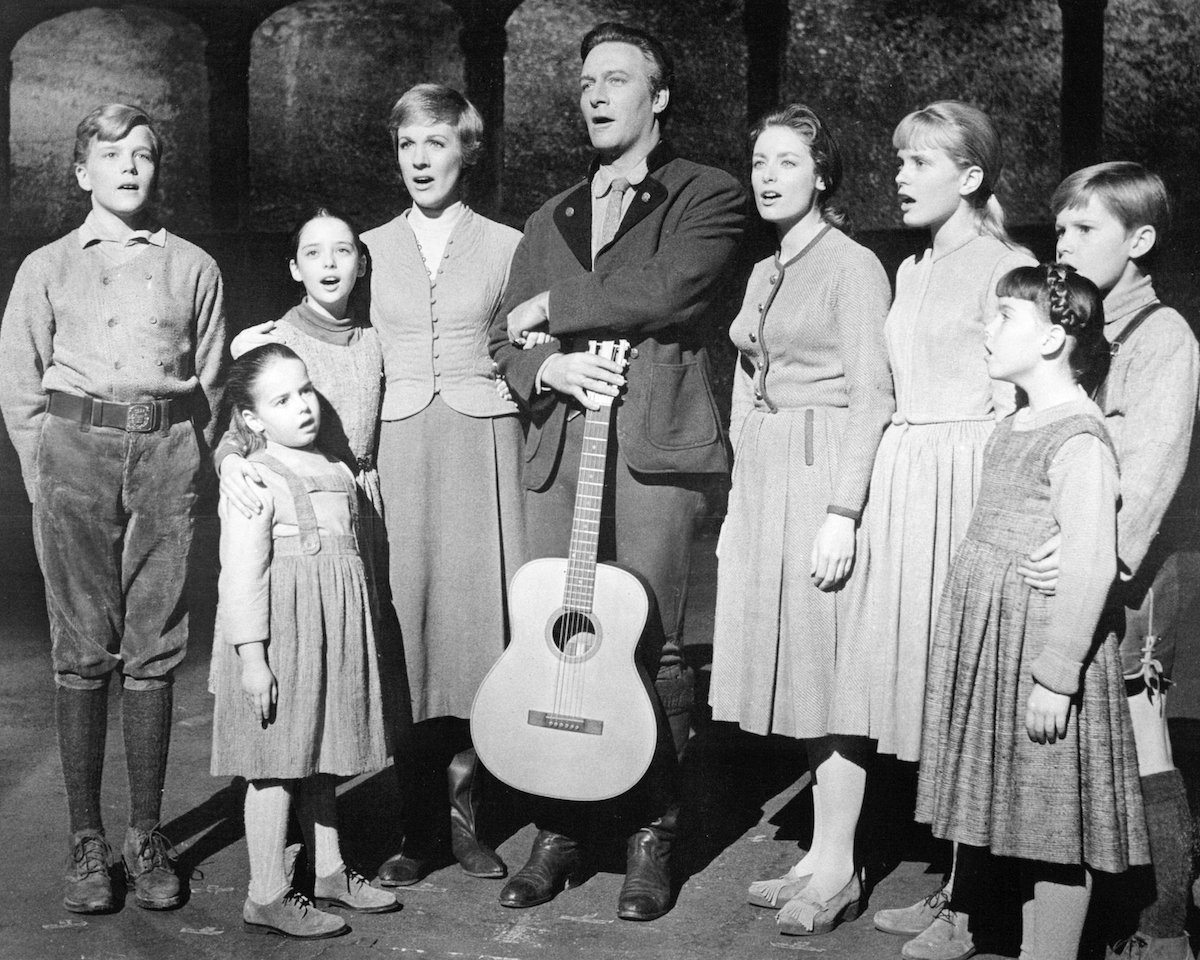
Brigitta von Trapp is the ten-year-old daughter in the von Trapp family, known as the most observant and intellectually curious of the seven siblings. In the 1965 film, she is famously portrayed by Angela Cartwright, serving as the "tr...
Brigitta von Trapp is the ten-year-old daughter in the von Trapp family, known as the most observant and intellectually curious of the seven siblings. In the 1965 film, she is famously portrayed by Angela Cartwright, serving as the "truth-teller" who first identifies the growing romantic feelings between Maria and Captain von Trapp.
Contents
The character of Brigitta occupies a unique space in The Sound of Music. While the older children deal with the complexities of young adulthood and the younger ones provide charm and innocence, Brigitta acts as the bridge—a child who notices everything and possesses the courage to speak the truth, even when it is uncomfortable for the adults around her. As of 2026, the legacy of this character continues to resonate with audiences who appreciate her wit, her sharp eye for detail, and her pivotal role in the narrative's emotional progression.
The Character Profile of Brigitta von Trapp
Brigitta is introduced as the fifth child and third daughter of Captain Georg von Trapp. Within the structured, quasi-military household established by her father following the death of his wife, Brigitta is the one who most quietly resists through intellectual independence rather than outward rebellion. In the script, she is described as being ten years old, a detail that places her at a critical developmental juncture where she is beginning to understand the nuances of adult behavior.
The "Truth-Teller" Narrative Device
One of Brigitta's most significant contributions to the plot occurs during the party scene at the villa. While the adults are caught in a web of social expectations and suppressed emotions, Brigitta observes the chemistry between Maria and the Captain during the Ländler, a traditional Austrian folk dance.
She later tells Maria directly, "I think you’re in love with him." This is not merely a cute observation from a child; it is the catalyst that forces Maria to confront her feelings and eventually flee back to the abbey. Without Brigitta’s intervention, the romantic resolution of the story might have been delayed or remained unacknowledged. This makes her the most psychologically astute member of the family, despite her young age.
Visual Identity and Styling
In the 1965 film, Brigitta’s visual presentation reinforces her character’s personality. Often seen with her nose in a book or carrying one under her arm, she is styled with classic European braids and traditional Austrian dirndls. As the family transitions into their performance costumes—most notably the outfits made from Maria's old bedroom curtains—Brigitta’s attire remains modest but distinct, reflecting her sensible nature.
Angela Cartwright: Bringing Brigitta to Life
While many actresses have played Brigitta on stage and screen, Angela Cartwright’s performance in the 1965 cinematic masterpiece remains the definitive interpretation. Born in Altrincham, Cheshire, England, Cartwright was already a seasoned child actress before joining the cast, having appeared as Linda Williams on The Danny Thomas Show.
The Filming Experience in Salzburg
The production of The Sound of Music was a massive undertaking that required the child actors to spend months on location in Salzburg, Austria. Cartwright has frequently shared in interviews and her own published works how the "seven children" formed a genuine bond that has lasted for decades. By 2026, the surviving cast members have become a symbol of enduring Hollywood friendships, frequently appearing together at reunions and anniversary events.
During the "My Favorite Things" sequence and the "Do-Re-Mi" montage, Cartwright’s background in dance and performance allowed her to keep pace with the demanding choreography of Marc Breaux and Dee Dee Wood. Her performance is characterized by a "knowing" look—a subtle shift in her eyes that suggests she understands more than she is letting on.
Life After the Von Trapps
Following the success of The Sound of Music, Angela Cartwright moved directly into another iconic role as Penny Robinson in the television series Lost in Space. This transition solidified her status as one of the most recognizable faces of the 1960s. In her adult life, Cartwright has become a celebrated artist, photographer, and author, focusing on fine art photography and mixed-media techniques. Her creative evolution mirrors the intellectual curiosity of the character she played as a child.
Fact vs. Fiction: The Real Hedwig von Trapp
While the movie character is named Brigitta, the real-life counterpart was Hedwig von Trapp, born in 1917. The musical takes significant creative liberties with the names, ages, and genders of the real von Trapp children to better suit the narrative structure of a Broadway production.
| Feature | Movie Character: Brigitta | Real Life: Hedwig von Trapp |
|---|---|---|
| Birth Order | 5th Child | 5th Child |
| Age in 1938 | 10 years old | 21 years old |
| Voice Type | Soprano | Alto |
| Primary Interest | Books and Observation | Music and Teaching |
| Post-War Life | Fictionalized escape | Moved to Vermont; taught music |
| Died | N/A | 1972 |
The real Hedwig was much older than her cinematic counterpart at the time of the family's departure from Austria in 1938. After the family immigrated to the United States, Hedwig lived at the Trapp Family Lodge in Stowe, Vermont. She eventually became a teacher and directed the choir at the lodge, maintaining the family's musical heritage until her passing in 1972.
Brigitta’s Role in Iconic Musical Numbers
Brigitta's voice is integral to the "children’s choir" sound that defines the movie’s soundtrack. Her contributions are most notable in the following sequences:
- "So Long, Farewell": This number showcases the children's personalities as they head to bed. Brigitta’s exit involves a polite but brief interaction, reinforcing her more serious, bookish nature compared to the playful antics of Kurt or the sweetness of Gretl.
- "The Sound of Music" (Reprise): When the children sing for the Baroness Schraeder, Brigitta’s harmonies help demonstrate the family's professional-level talent, which Maria has helped refine.
- "The Lonely Goatherd": In the puppet show scene, Brigitta is an active participant in the storytelling, showing that despite her serious demeanor, she possesses a vivid imagination and a love for the theatrical.
The Enduring Legacy of the "Fifth Child"
As we look back from the perspective of 2026, Brigitta von Trapp remains a favorite for fans of the franchise. In many ways, she was ahead of her time; she was a "smart girl" character before that became a common trope in cinema. She didn't rely on being the prettiest or the loudest; she relied on her intellect.
For modern audiences, Brigitta serves as a reminder of the importance of child-led perspectives in storytelling. She is the one who notices the "elephant in the room"—the burgeoning war, the changing dynamics of her father’s heart, and the shift in the family’s future. Her character teaches a subtle lesson about the power of observation and the necessity of speaking one's truth, even when the world around you is in a state of upheaval.
Collectibles and Cultural Impact
Over the years, Brigitta has been immortalized in various forms of memorabilia, including:
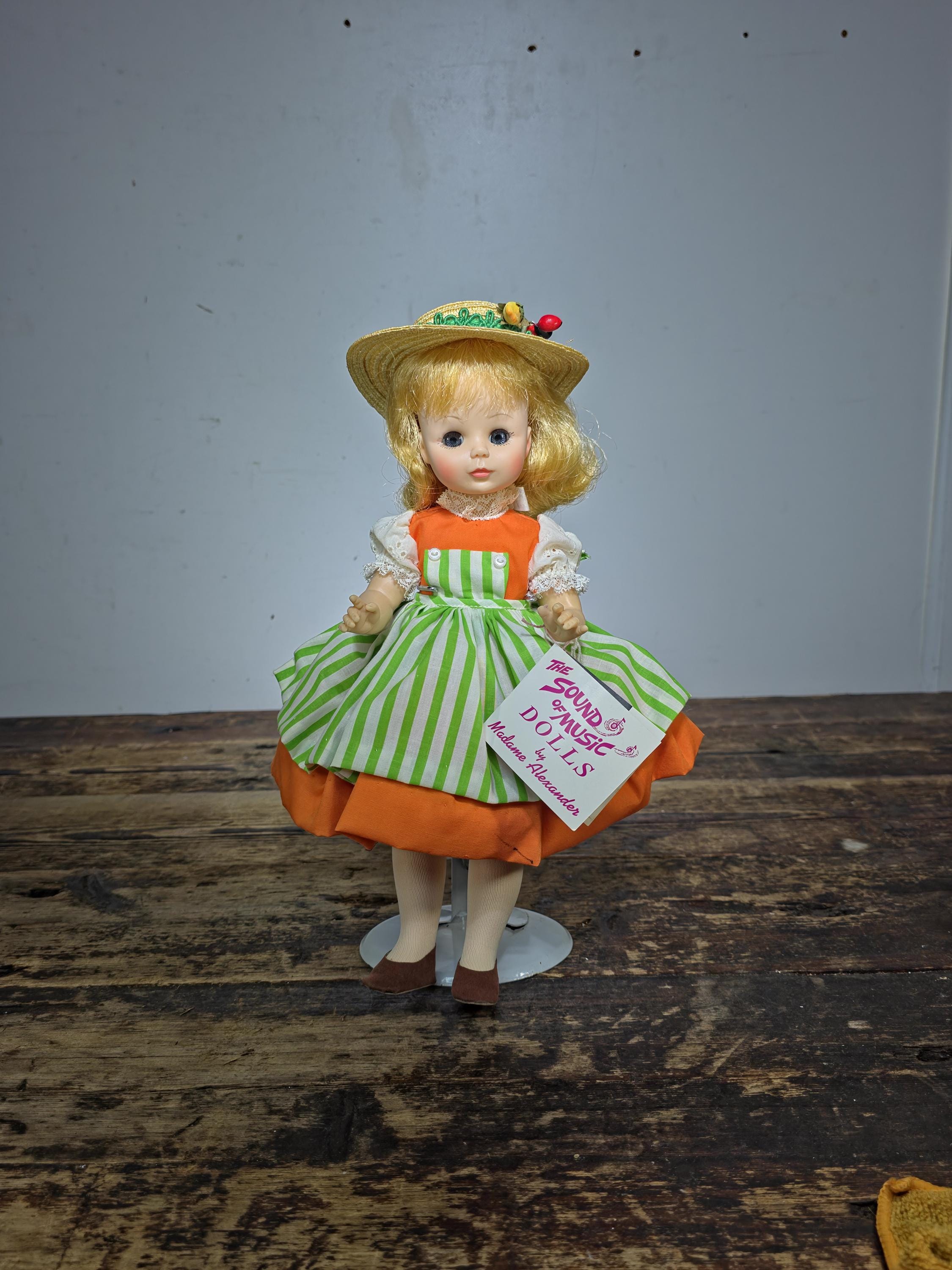
- Madame Alexander Dolls: Highly collectible versions of the von Trapp children in their "curtain" play clothes.
- Behind-the-Scenes Books: Angela Cartwright co-authored The Sound of Music Family Album, which provides an intimate look at the filming process through the eyes of the actors who played the children.
- Anniversary Screenings: Brigitta’s lines, particularly her assessment of Maria’s dress ("It's the ugliest dress I've ever seen!"), continue to elicit laughter and applause during sing-along screenings worldwide.
Frequently Asked Questions
How old is Brigitta supposed to be in the movie?
In the 1965 film, Brigitta explicitly tells Maria that she is ten years old and that Maria’s dress is "the ugliest dress" she has ever seen. This age is consistent with her being the fifth child in the movie's reorganized birth order.
Who played Brigitta in the original Broadway cast?
In the original 1959 Broadway production of The Sound of Music, Brigitta was played by Mary Susan Locke. While the Broadway and film versions share the same character traits, the film’s massive global success has made Angela Cartwright the face most associated with the role.
Was the real Brigitta actually named Hedwig?
Yes. The character of Brigitta is loosely based on Hedwig von Trapp. However, the creators of the musical changed the names and ages of most of the children to avoid confusion and to create a more balanced range of ages for the stage. The real Hedwig was actually in her early 20s when the family left Austria.
What happened to Angela Cartwright after the film?
Angela Cartwright continued a successful acting career, most notably starring in Lost in Space. She later pivoted to a successful career in the arts, becoming an accomplished photographer and author. She remains active in the Sound of Music community and maintains close ties with her on-screen siblings.
Does Brigitta have any solo lines in the songs?
While Brigitta mostly sings as part of the ensemble of children, she has distinct vocal contributions in "Do-Re-Mi" and "So Long, Farewell." Her character is more defined by her spoken dialogue—specifically her intellectual critiques and her observations about the Captain—than by solo vocal performances.
Recommendation for Fans and Researchers
For those interested in the deep history of the von Trapp family and the making of the film, it is highly recommended to visit the Trapp Family Lodge in Stowe, Vermont. The lodge offers history tours that provide a clear distinction between the "Hollywood" version of characters like Brigitta and the real lives of the von Trapp children. Additionally, reading Angela Cartwright’s official website offers a unique look at her photography and her personal reflections on the film’s legacy as it enters its seventh decade of influence.
Image Gallery