Why Celebrity Deaths Affect Public Memory: The Psychology of Collective Mourning
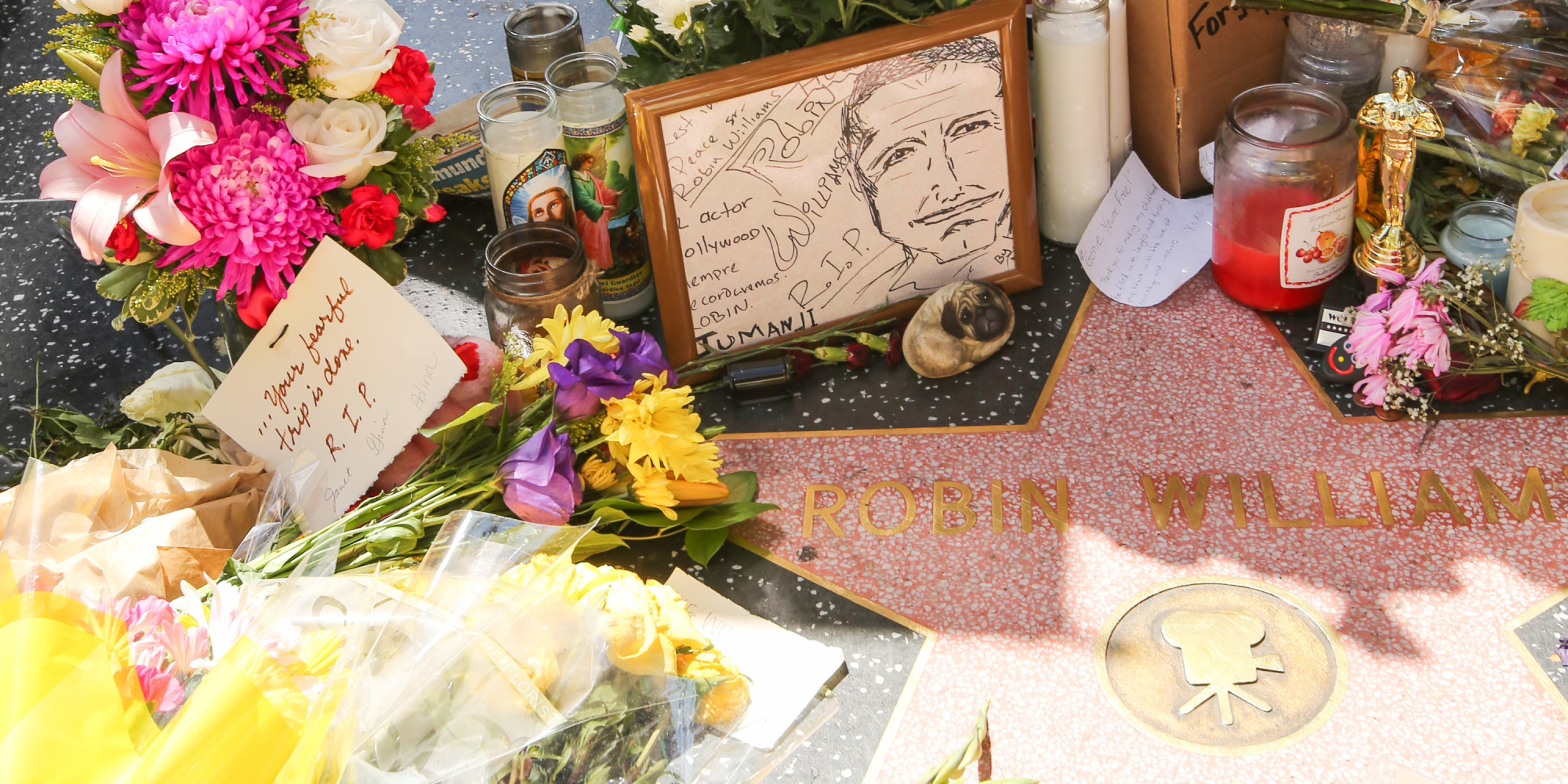
Celebrity deaths affect public memory because these individuals function as cultural anchors, representing specific eras, personal milestones, and shared values. Through parasocial bonds and "flashbulb memories," their passing triggers...
Celebrity deaths affect public memory because these individuals function as cultural anchors, representing specific eras, personal milestones, and shared values. Through parasocial bonds and "flashbulb memories," their passing triggers a collective grieving process that reinforces social identity and preserves the historical narrative of a generation, turning individual loss into a shared cultural event.
Contents
The Foundation of Parasocial Relationships
To understand why the death of a stranger can feel like a personal loss, one must first examine the concept of parasocial relationships. First defined by Donald Horton and Richard Wohl in 1956, these are one-sided psychological bonds formed between an audience and a media figure. In the landscape of 2026, these bonds have only intensified due to the immersive nature of digital media and real-time social interaction.
When a celebrity shares their daily life, struggles, and triumphs through various platforms, the human brain often struggles to distinguish these "one-way" interactions from genuine social connections. The amygdala and the hippocampus—the parts of the brain responsible for emotion and memory—process the death of a celebrity using the same neural pathways as the death of a distant friend or acquaintance. This is not a sign of emotional instability; rather, it is a testament to the brain's capacity for empathy and social mapping.
Because we "consume" celebrities during our most formative or vulnerable moments, they become integrated into our internal narrative. When a musician’s album is the soundtrack to a person’s college years, that musician becomes a co-author of that person’s history. Their death represents the closing of a chapter of the individual’s own life, making the impact on public memory deeply personal and remarkably persistent.
Celebrities as Temporal Anchors in Personal History
Public memory is often organized around "temporal anchors"—specific events that help people place their own lives within the broader stream of time. The death of a significant celebrity serves as a marker that separates "before" and "after." This phenomenon is closely tied to what psychologists call flashbulb memories.
The Mechanics of Flashbulb Memories
A flashbulb memory is a highly detailed, exceptionally vivid "snapshot" of the moment and circumstances in which a piece of surprising and consequential (or emotionally arousing) news was heard. Most people over a certain age can tell you exactly where they were when they heard about the passing of figures like Princess Diana, Michael Jackson, or Kobe Bryant.
These memories stick because they are reinforced by three specific factors:
- Prior Knowledge: The person was already significant in the individual's mental schema.
- Personal Importance: The individual feels a personal connection to the figure’s work or persona.
- Surprise and Emotional Arousal: The sudden nature of the event triggers a surge of stress hormones that "lock" the memory in place.
In the context of public memory, these individual flashbulb memories coalesce into a collective consciousness. When millions of people share the same "where were you" moment, it creates a powerful social glue. This shared experience helps define the identity of a generation, serving as a reference point that can be discussed and revisited for decades.
The Role of Collective Mourning and Social Identity
Collective mourning is a sociological process that allows a community to reaffirm its values and social bonds. When a celebrity dies, the public reaction is rarely just about the individual who passed; it is about the community that remains. By participating in public tributes, vigils, or social media hashtags, individuals affirm their membership in a specific group.
This process transforms a private emotion into a public statement. In 2026, the digital landscape has evolved to provide "permanent" spaces for this collective memory. Online memorials and social media archives act as digital shrines, where public memory is not just stored but actively curated and debated. This curation helps decide which parts of a celebrity's life will be remembered—the art, the scandals, or the humanitarian efforts—thereby shaping the historical legacy that will be passed down to future generations.
The Evolution of Public Grief in the Digital Age
As of 2026, the way public memory is formed has shifted from top-down media narratives to bottom-up digital archives. In the past, a celebrity’s "place in history" was largely determined by newspaper obituaries and television retrospectives. Today, public memory is decentralized.
The persistence of a celebrity's digital footprint ensures that their death does not result in their disappearance from public life. Algorithms continue to recommend their music, films, and interviews, creating a "digital afterlife" that keeps the memory active. This constant re-exposure prevents the "forgetting curve" that typically follows the death of a public figure. However, this also leads to a more fragmented public memory, where different sub-communities may remember the same individual in vastly different ways based on the content they interact with most.
| Aspect of Memory | Impact of Celebrity Death | Long-term Effect on Public |
|---|---|---|
| Autobiographical | Links personal milestones to the figure's career. | Individuals use the death to date-stamp their own lives. |
| Societal | Reaffirms shared cultural values and norms. | Strengthens the social fabric of a specific generation or subculture. |
| Historical | Summarizes the "spirit of the age" (Zeitgeist). | The celebrity becomes a symbol for an entire decade or movement. |
| Neurological | Triggers flashbulb memories through surprise/emotion. | Creates vivid, permanent mental snapshots shared by millions. |
Societal Impact and Policy Shifts
Public memory is not just about nostalgia; it often leads to tangible societal changes. When a celebrity death is linked to a specific cause—such as mental health, substance abuse, or a particular disease—the collective shock can shift public policy and health awareness.
For example, when a beloved figure dies from a preventable condition, there is often a massive spike in public screenings and educational outreach. This "celebrity effect" can lead to increased funding for research and changes in legislation. In these cases, the celebrity’s death is etched into public memory not just as a tragedy, but as a catalyst for progress. The memory becomes "utilitarian," serving as a reminder of a lesson learned or a societal shift achieved.
The Lifecycle of a Celebrity’s Legacy
The transition from "current event" to "public memory" follows a predictable lifecycle:
- The Shock Phase: Characterized by the immediate spread of news and the formation of flashbulb memories.
- The Ritual Phase: Public mourning, funerals, and tribute performances. This is where the community reinforces its bonds.
- The Narrative Phase: Documentaries, biographies, and retrospectives begin to frame the individual’s life story.
- The Iconic Phase: The individual is stripped of their human complexities and becomes a symbol. At this stage, they are no longer just a person; they are a representative of an idea, a style, or an era.
This lifecycle ensures that the impact on public memory is durable. By the time a celebrity reaches the "iconic phase," their influence is independent of their physical existence. They become part of the "cultural repertoire" that people use to express themselves and understand the world.
Frequently Asked Questions
Why do I feel sad when a celebrity I never met dies?
You are likely experiencing the loss of a parasocial relationship. Even if you didn't know them personally, their work, presence, or public persona played a role in your life. Your brain processes this as a loss of a social connection, especially if that celebrity was a constant presence during your formative years or significant life events.
What is a "flashbulb memory" in the context of celebrity deaths?
A flashbulb memory is a vivid, detailed memory of the moment you learned about a shocking event. Because celebrity deaths are often unexpected and emotionally charged, the brain "records" the surroundings, people, and feelings of that moment with high clarity, making it a permanent fixture in your personal and public memory.
How does social media change how we remember celebrities?
Social media creates a "digital afterlife" where the celebrity's content remains accessible and interactive. It allows for decentralized collective mourning, where fans can share personal stories and tributes, ensuring the memory remains active and evolves over time rather than fading away as it might have in the pre-digital era.
Can a celebrity death actually improve public health?
Yes. This is often called the "celebrity effect." When a public figure’s death highlights a specific health issue, it often leads to a significant increase in public awareness, health screenings, and even policy changes. The collective memory of the tragedy serves as a lasting reminder and educational tool for the public.
Why do some celebrity deaths matter more to public memory than others?
The impact depends on the celebrity's cultural reach and the narrative of their life. Figures who represent a specific movement, who died at the height of their influence, or whose death was particularly tragic or symbolic tend to leave a deeper imprint on public memory.
Practical Recommendation for Processing Public Loss
When a significant celebrity death occurs, it is helpful to acknowledge that your feelings of grief are valid and biologically grounded. To healthily integrate this into your own memory, consider participating in a shared activity—such as listening to their work or discussing their impact with friends. This transitions the grief from an isolating experience to a communal one, helping you process the "end of an era" and solidify the positive aspects of their legacy in your personal history.
Image Gallery