Understanding Branded Titles: What a "Wild" Car Title Meaning Explains for Buyers
A "wild" or branded title refers to an official notation on a vehicle's permanent record indicating that the car has suffered significant damage or has a history that affects its value or safety. This permanent "brand" on the title ale...
A "wild" or branded title refers to an official notation on a vehicle's permanent record indicating that the car has suffered significant damage or has a history that affects its value or safety. This permanent "brand" on the title alerts future owners that the vehicle was once declared a total loss, involved in a flood, or had an inaccurate odometer.
Contents
Understanding car title designations is the most critical step in the used vehicle purchasing process. While the term "wild title" is often used colloquially to describe a document that is not "clean," the legal industry refers to these as branded titles. These brands are not merely cosmetic labels; they are legal statuses assigned by state motor vehicle departments (DMV) that permanently alter the car's financial and operational profile. As of 2026, with the increasing complexity of automotive electronics and high repair costs for electric vehicles (EVs), the distinction between a clean title and a branded one has never been more financially significant.
The Anatomy of a Branded Title
Every vehicle starts its life with a "clean title," signifying that the car has never been written off by an insurance company. When a vehicle sustains damage—whether through a collision, fire, or natural disaster—the insurance provider assesses the cost of repairs against the current market value of the car.
If the repair costs exceed a certain percentage of the car's value (typically 70% to 90%, depending on state law), the vehicle is "totaled." Once this happens, the insurance company pays the owner and takes possession of the vehicle. The original clean title is surrendered to the state, and a new title is issued with a brand. This brand acts as a permanent warning to all future buyers.
Why the "Wild" Label Matters in 2026
In the current 2026 automotive market, vehicle valuations remain high, but the cost of specialized parts and sensors has also increased. A car that looks perfectly functional on the outside may have a branded title because its internal computer systems or battery arrays were compromised. The "meaning" behind the brand explains the vehicle’s hidden history, protecting consumers from purchasing a "lemon" or a dangerous machine disguised as a bargain.
Common Types of Title Brands and Their Meanings
Title brands vary by state, but most jurisdictions adhere to a set of standard categories. Understanding the specific brand on a title is essential for determining if a car is worth the investment.
Salvage Titles
A Salvage Title is issued when a vehicle has been damaged to the point that repairs are deemed uneconomical. These vehicles cannot be legally driven on public roads in their current state. In 2026, salvage titles are common for older internal combustion engine (ICE) vehicles and early-model EVs where battery replacement costs exceed the car's residual value.
Rebuilt Titles
A Rebuilt Title (sometimes called a "Prior Salvage" title) is granted to a vehicle that was previously branded as salvage but has since been repaired and passed a state-mandated safety inspection. While these cars are legal to drive, the brand remains on the title forever. It serves as an explanation that the car was once a total loss.
Flood and Water Damage
Water damage is particularly insidious because it often leads to long-term electrical corrosion and mold issues that don't appear immediately. A Flood Title indicates the car was submerged in water to a level that compromised its mechanical or electrical systems. Following the severe weather events of the mid-2020s, flood-branded vehicles have become more prevalent in the secondary market.
Lemon Law Buybacks
If a manufacturer is forced to buy back a vehicle due to persistent, unfixable defects, the title is branded accordingly. This brand explains that the vehicle had a recurring manufacturing flaw, even if that flaw was eventually repaired.
Odometer Rollback
This brand is a legal warning that the vehicle’s mileage is not accurate. Whether due to mechanical failure or intentional fraud, an Odometer Brand means the true wear and tear on the engine and chassis is unknown.
Comparative Overview of Title Brands
The following table summarizes the most frequent title brands encountered in 2026 and their typical impact on vehicle utility and value.
| Brand Type | Severity | Can it be Driven? | Resale Value Impact | Insurance Difficulty |
|---|---|---|---|---|
| Clean | None | Yes | 0% (Baseline) | Easy |
| Salvage | Extreme | No | 50% - 70% loss | Nearly Impossible |
| Rebuilt | Moderate | Yes | 20% - 40% loss | Moderate (Liability only) |
| Flood | High | Yes (if repaired) | 40% - 50% loss | Difficult |
| Lemon | Variable | Yes | 20% - 30% loss | Easy to Moderate |
| Odometer | Legal | Yes | 30% - 50% loss | Moderate |
The Legal and Financial Risks of Branded Titles
Buying a car with a "wild" or branded title is a high-risk, high-reward strategy. While the initial purchase price is significantly lower, the long-term financial implications are profound.
Financing Challenges
Most major banks and credit unions refuse to issue auto loans for branded title vehicles. Lenders view these cars as high-risk collateral because their true market value is difficult to determine. If you are shopping for a branded title car in 2026, you should be prepared to pay in cash or seek specialized "subprime" financing with higher interest rates.
Insurance Complications
Insurance companies are often hesitant to provide comprehensive or collision coverage for rebuilt vehicles. Because it is nearly impossible to determine what damage was "pre-existing" versus what occurred in a new accident, many insurers will only offer liability coverage. Furthermore, even if you find a provider, the payout in the event of a total loss will be significantly lower than that of a clean-titled equivalent.
Resale Limitations
When it comes time to sell or trade in a branded title vehicle, you will face a limited pool of buyers. Most franchise dealerships will not accept branded titles as trade-ins, meaning you will likely have to sell the vehicle to a private party or a specialized "as-is" wholesaler.
How to Verify a Vehicle's Title Status
Never rely solely on a seller’s word regarding the status of a title. Scammers often engage in "title washing," a process where a vehicle is moved to a state with laxer branding laws to "clean" the title. To protect yourself, follow these verification steps:
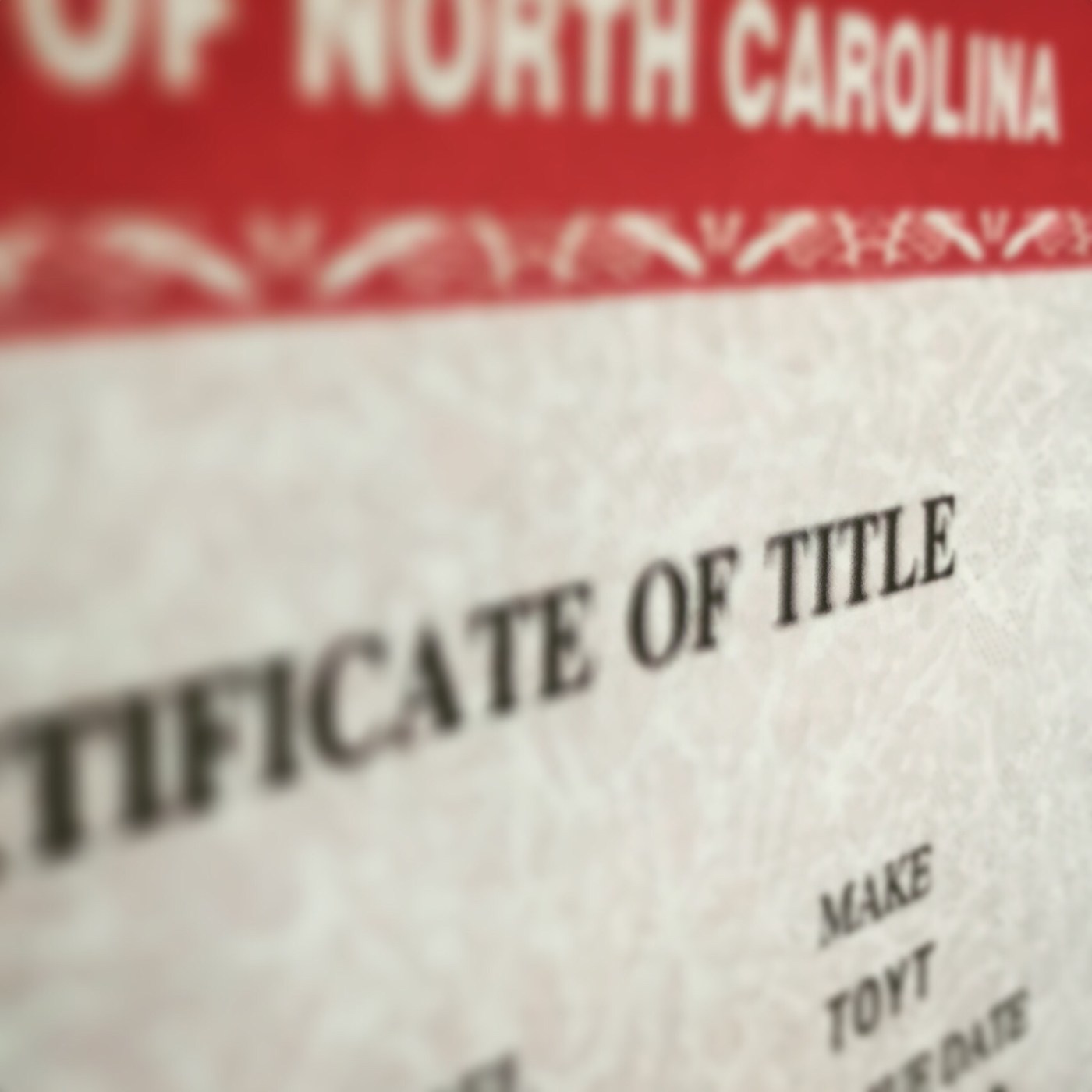
- Check the Physical Title: Look for words like "Salvage," "Rebuilt," "Restored," or "Total Loss" printed in the margins or in a specific "Brands" box on the document.
- Use the NMVTIS: The National Motor Vehicle Title Information System (NMVTIS) is a federal database designed to prevent title fraud. It is the most authoritative source for checking if a vehicle has been branded in any state.
- Run a VIN Report: Services like Carfax or AutoCheck aggregate data from insurance companies, police reports, and service centers. These reports can show if an accident occurred that should have resulted in a brand, even if the title appears clean.
- NICB VINCheck: The National Insurance Crime Bureau (NICB) offers a free tool to see if a car has been reported as a stolen or salvaged vehicle by participating insurance companies.
Technical Inspection: The Only Way to Buy "Wild" Titles
If you are considering a rebuilt title car, a standard "test drive" is insufficient. You must enlist a professional mechanic—preferably one specializing in collision repair—to perform a Pre-Purchase Inspection (PPI).
In 2026, this inspection must include a diagnostic scan of all electronic control modules. Modern vehicles rely on a network of sensors for safety features like Automatic Emergency Braking (AEB) and Lane Keep Assist. In many "rebuilt" cars, these sensors are improperly calibrated or bypassed to save money on repairs. A mechanic will check for structural integrity, ensuring that the vehicle's "crumple zones" haven't been compromised and that the airbags are functional and original.
Frequently Asked Questions
Can a branded title ever be "cleaned"?
Generally, no. Once a brand is legally applied to a VIN by a state agency, it is permanent. While some people attempt "title washing" by moving the car between states, this is a form of fraud. The National Motor Vehicle Title Information System (NMVTIS) was specifically created to stop this practice by tracking the vehicle’s history across state lines.
Is a rebuilt title safe for a family car?
It can be, but only if the repairs were documented and performed by a reputable shop. However, because you cannot always verify the quality of the welds or the integrity of the safety systems, many experts recommend avoiding branded titles for primary family transportation.
Why would a car have a salvage title if it looks perfect?
Insurance companies total vehicles based on a mathematical formula. If a car is older, even a relatively minor accident that triggers the airbags can cost more to fix than the car is worth. Additionally, hail damage can result in a salvage brand even though the mechanical parts of the car are untouched.
Does a "wild" title mean the car was stolen?
Not necessarily, but theft recovery is a common reason for a salvage brand. If a car is stolen and not recovered within a certain timeframe (usually 30 days), the insurance company pays the owner and takes the title. If the car is found later, it is issued a salvage title, even if it has no damage.
Are there any benefits to buying a branded title vehicle?
The primary benefit is cost. You can often purchase a high-end or late-model vehicle for 40% to 50% less than its clean-title market value. For those with mechanical expertise or those looking for a dedicated "track car" or work truck where resale value is not a priority, a branded title can offer significant savings.
Final Recommendation
When navigating the complexities of "wild" or branded titles in 2026, the most important tool at your disposal is documented history. If a seller cannot provide photos of the original damage and receipts for the repairs, walk away. A branded title car is only a bargain if the repairs were done to OEM (Original Equipment Manufacturer) standards. Without proof of quality, the "meaning" behind that title brand is a warning of future financial and safety liabilities. Always prioritize a comprehensive VIN check and a professional mechanical inspection before finalizing any transaction involving a non-clean title.
Image Gallery