Absolute Liability in Workers' Compensation: Legal Principles, Rules, and Exceptions
In workers' compensation law, absolute liability—often analyzed alongside statutory strict liability—mandates that employers are financially responsible for medical expenses and lost wages when an employee suffers a work-related injury...
In workers' compensation law, absolute liability—often analyzed alongside statutory strict liability—mandates that employers are financially responsible for medical expenses and lost wages when an employee suffers a work-related injury, regardless of who was at fault. Under this statutory system, employees do not need to prove employer negligence, and employers cannot rely on traditional common-law defenses to escape liability.
Contents
Disclaimer: This article provides general legal information and analysis for educational purposes only. It does not constitute formal legal advice. Workers' compensation statutes and judicial interpretations vary significantly by jurisdiction. Consult a licensed attorney or state workers' compensation board for specific legal guidance.
The Grand Bargain: Strict and Absolute Liability in Workers' Compensation
To understand absolute liability in workers' compensation, one must look to the legal compromise established during the early 20th century, commonly known as the Grand Bargain. Before modern workers' compensation statutes were enacted, injured workers had to sue their employers under civil tort law. To recover damages, employees were required to prove that the employer's negligence directly caused the injury.
Under common law, employers routinely defeated these lawsuits using three powerful affirmative defenses:
- The Fellow Servant Rule: The employer was not liable if the injury was caused by the negligence of a co-worker.
- Contributory Negligence: If the injured worker contributed even slightly to the accident, recovery was completely barred.
- Assumption of Risk: An employee who accepted a job was presumed to have assumed all inherent risks associated with the work.
The Grand Bargain replaced this fault-based system with a statutory insurance framework. Under this framework, employees traded their right to sue employers in civil court for full compensatory damages (such as pain and suffering) in exchange for swift, predictable benefit payments. In return, employers accepted statutory strict liability—meaning liability attaches automatically upon the occurrence of a qualifying work-related injury, without regard to fault.
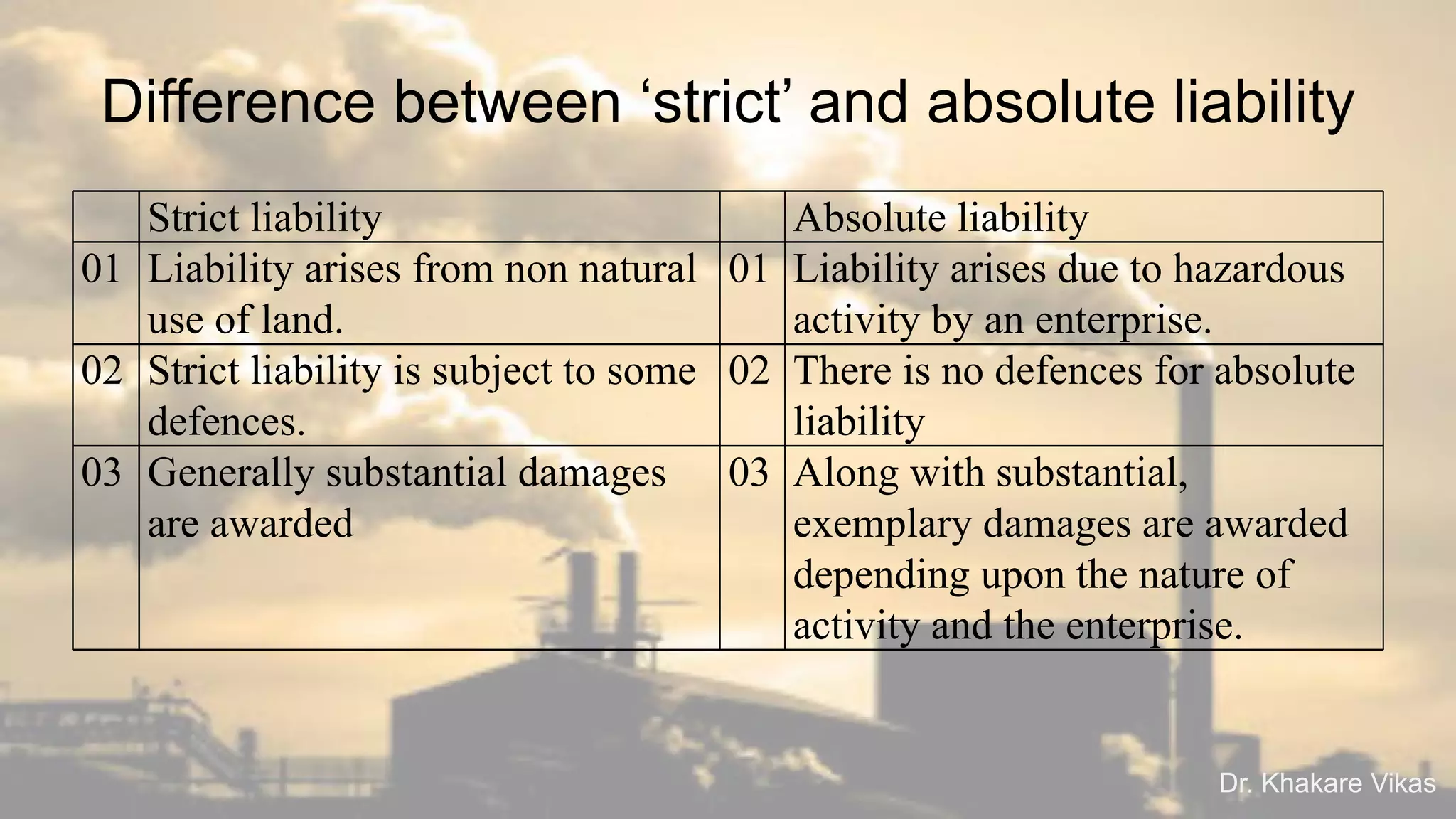
While the terms "strict liability" and "absolute liability" are often used interchangeably in general discourse, legal doctrine makes a subtle distinction:
- Strict Liability (Standard Workers' Compensation): Liability is imposed without proof of employer negligence or fault, but statutory affirmative defenses remain available to the employer (such as proving the employee was intoxicated or intentionally self-inflicted the injury).
- Absolute Liability (Specialized Statutory Contexts): Liability is imposed automatically without fault, and virtually all affirmative defenses are eliminated. This standard arises under specific statutory mandates, such as non-insured employer penalties or specialized labor laws designed to protect workers in ultra-hazardous activities.
For detailed definitions of tort standards, the Legal Information Institute at Cornell Law School provides legal analysis of strict and absolute liability frameworks.
Key Elements Required to Trigger Statutory Compensation
Even under a strict or absolute liability framework, benefits are not awarded automatically for every injury an employee suffers. The injured worker must satisfy specific threshold requirements to trigger statutory coverage:
- Qualifying Employee Status
- Arising Out of Employment (AOE)
- In the Course of Employment (COE)
- Timely Notice & Formal Claim Filing
- Statutory Benefits Granted
1. Employment Relationship
The claimant must be a legal employee at the time of the injury. Independent contractors, gig workers, and certain exempt casual laborers generally fall outside standard workers' compensation coverage unless statutory provisions explicitly extend coverage to them or evidence shows they were misclassified.
2. Arising Out of Employment (AOE)
The injury must originate from a risk connected to or created by the employment conditions. The legal test evaluates whether the working environment, job duties, or employment-related hazards exposed the employee to the risk that caused the harm.
3. In the Course of Employment (COE)
The injury must occur within the time, place, and circumstances of employment. This generally means the incident took place while the employee was performing assigned duties, operating during recognized work hours, or present at an employer-approved work site. Under the Going and Coming Rule, injuries sustained during a routine commute to and from work are generally excluded, subject to exceptions such as business travel or employer-provided transportation.
4. Timely Notice and Filing
Statutory deadlines govern injury reporting. Injured workers must provide written notice of an injury to their employer within state-mandated timeframes (often ranging from 30 to 90 days) and file formal claims with the state workers' compensation agency within the applicable statute of limitations.
Comparing Liability Standards in Employment and Injury Law
The distinction between fault-based tort claims, statutory workers' compensation strict liability, and absolute statutory liability dictates how claims are defended and resolved.
| Liability Standard | Fault / Negligence Required? | Permissible Employer Defenses | Available Remedies | Common Application Context |
|---|---|---|---|---|
| Common Law Negligence (Civil Tort) | Yes — Employee must prove duty, breach, causation, and damages. | Comparative/contributory negligence, assumption of risk, lack of duty. | Full compensatory damages (pain and suffering, economic loss) and potential punitive damages. | Third-party personal injury claims, intentional torts, non-covered entities. |
| Workers' Comp Strict Liability (Standard No-Fault) | No — Fault is irrelevant to establishing liability. | Intoxication, intentional self-harm, initial physical aggressor, off-duty social events. | Statutory medical benefits, temporary/permanent disability indemnity, vocational rehabilitation. | Standard workplace injuries handled through state workers' compensation systems. |
| Absolute Statutory Liability | No — Liability attaches automatically upon violation or incident. | None or extremely limited (e.g., sole proximate cause by worker recalcitrance). | Statutory benefits plus mandatory administrative penalties, or unrestricted civil damages. | Uninsured employers, specialized elevation safety laws (e.g., NY Labor Law §240). |
Specialized Contexts Where Absolute Liability Applies
While general workers' compensation operates as a strict liability system with narrow statutory defenses, absolute liability applies in specific regulatory contexts.
1. Uninsured Employers and Failure to Secure Coverage
States mandate that employers maintain workers' compensation insurance through private carriers, state funds, or authorized self-insurance. When an employer fails to maintain required coverage:
- The statutory exclusive remedy bar is often removed.
- The injured worker may sue the uninsured employer in civil court.
- Statutes in many jurisdictions strip the uninsured employer of common-law defenses (such as contributory negligence or assumption of risk), effectively creating an absolute liability regime in civil court.
- State-administered uninsured employer funds may pay statutory benefits directly to the worker and pursue aggressive recovery, fine assessment, and asset liens against the employer.
2. High-Risk Elevation Safety Laws (e.g., New York Labor Law Section 240)
Certain state laws impose non-delegable, absolute liability on property owners and general contractors for elevation-related workplace injuries. A primary example is New York's Labor Law § 240 (commonly known as the Scaffold Law).
Under this statute, if an employer or contractor fails to provide adequate hoist, scaffold, ladder, or stay protection, and a worker is injured in a fall or hit by a falling object, the owner and contractor are held absolutely liable. Comparative negligence on the part of the worker cannot be used to reduce liability, except in narrow circumstances where the worker's own refusal to use available safety gear was the sole proximate cause of the injury.
3. Occupational Safety Violations and Dual Capacity
When an employer's systemic non-compliance with safety regulations causes severe harm, administrative enforcement and legal liability can escalate. Federal oversight by the Occupational Safety and Health Administration (OSHA) enforces workplace safety standards.
While OSHA violations do not directly create a private federal cause of action, repeated or willful violations can serve as evidence of egregious conduct in state proceedings or statutory proceedings where intentional safety violations increase benefit awards by mandatory percentages (e.g., statutory 50% benefit penalties against employers for safety device omissions).
Permitted Defenses and Operational Exceptions
Under standard statutory strict liability in workers' compensation, fault is excluded from the compensation calculus. However, statutes explicitly outline specific affirmative defenses that allow employers and insurers to contest claims:
Statutory Exceptions:
Intoxication / Substance Abuse
Intentional Self-Harm / Suicide
Initial Physical Aggressor Status
Off-Duty Voluntary Activities
Deviation from Employment Duties
Intoxication and Drug Impairment: If the employer proves that the employee’s intoxication from alcohol or illegal controlled substances was the primary cause of the injury, the claim is typically denied.
Intentional Self-Harm: Injuries deliberately self-inflicted, or suicide attempts, are excluded from statutory protection.
Initial Physical Aggressor: If an employee initiates a physical altercation at work over personal disputes unrelated to job duties, injuries sustained during the fight are generally non-compensable.
Off-Duty Voluntary Social Events: Participation in voluntary company picnics, athletic leagues, or recreational events outside regular work duties generally falls outside statutory coverage.
Substantial Work Deviation: If an employee steps outside the scope of employment to engage in personal activities unrelated to job functions (such as unauthorized joyriding on equipment), coverage may be denied.
Procedural Steps for Claims Handling
Navigating a workers' compensation claim involving strict or absolute liability requires strict adherence to administrative procedures.
For Injured Workers
- Seek Immediate Medical Attention: Obtain emergency medical care and inform treating physicians that the injury occurred at work.
- Provide Written Notice: Notify the supervisor or employer in writing within the state-mandated timeframe (typically within 30 days of the injury or diagnosis).
- File Formal Claim: Submit the required claim application to the state workers' compensation board or commission. The federal administrative structure for covered federal employees is managed by the U.S. Department of Labor Office of Workers' Compensation Programs (OWCP).
- Maintain Documentation: Keep copies of medical records, work restriction notes, incident reports, and wage statements.
For Employers and Risk Managers
- Maintain Active Insurance Coverage: Verify continuous compliance with state insurance coverage mandates to prevent stripping of exclusive remedy protections.
- Report the Incident: File the First Report of Injury (FROI) with the state board and insurance carrier within statutory deadlines.
- Investigate Promptly: Gather physical evidence, examine safety equipment, record witness statements, and preserve video surveillance.
- Implement OSHA-Compliant Protocols: Maintain equipment and safety barriers to minimize exposure to elevated risks and statutory penalties.
Frequently Asked Questions
Does an employee lose workers' compensation benefits if their own mistake caused the workplace accident?
No. Standard workers' compensation operates on a strict liability, no-fault basis. Even if an employee acted carelessly or made a mistake that led to the accident, they remain entitled to medical coverage and wage-loss benefits, provided the injury arose out of and occurred in the course of employment.
What is the primary difference between strict liability and absolute liability in workers' compensation law?
Strict liability removes the requirement to prove employer negligence while preserving a narrow set of statutory affirmative defenses for the employer (e.g., proving employee intoxication). Absolute liability eliminates virtually all affirmative defenses, imposing liability on the responsible party automatically once the statutory violation or injury occurs.
Can an injured worker file a civil lawsuit against their employer under absolute liability?
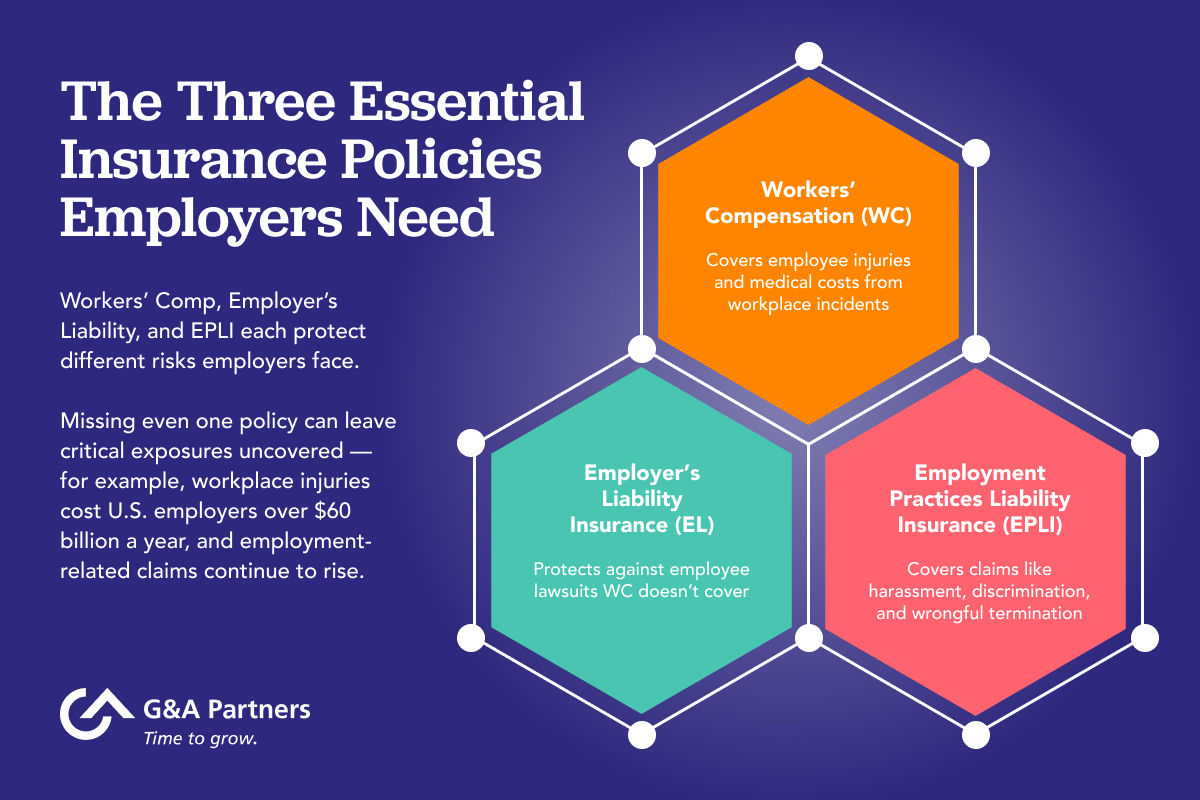
Generally, no. The exclusive remedy doctrine prevents employees from suing their employer in civil court for work-related injuries, restricting recovery to statutory workers' compensation benefits. However, exceptions apply if the employer failed to secure required workers' compensation insurance, committed an intentional physical assault, or violated specific statutory liability laws.
What happens if an employer does not carry mandatory workers' compensation insurance?
An uninsured employer loses the protection of the exclusive remedy doctrine in many jurisdictions. The injured worker can file a civil tort suit where the employer is stripped of traditional defenses, or seek recovery through state uninsured employer funds. Employers also face criminal fines, administrative penalties, stop-work orders, and personal financial liability for corporate officers.
How does absolute liability impact third-party personal injury lawsuits?
If a worker is injured on the job due to a defective machine or the negligence of a non-employer third party (such as a subcontractor on a job site), the worker can receive statutory workers' compensation benefits while simultaneously bringing a third-party civil lawsuit against the negligent entity. The workers' compensation insurer generally holds a statutory lien against any civil recovery to prevent double recovery.
Next Steps for Employers and Risk Professionals
To manage legal exposure under strict and absolute liability frameworks, organizations and risk managers should execute a proactive compliance strategy:
- Audit Insurance Policy Coverage: Regularly review payroll classifications, state registrations, and active policy terms with licensed brokers to ensure no coverage gaps exist across operational jurisdictions.
- Enforce Strict Safety Protocols: Conduct routine safety inspections and equipment maintenance, focusing on high-exposure activities such as fall protection, confined space entry, and heavy machinery operation.
- Standardize Incident Response: Establish written reporting protocols for immediate injury notification, medical triage, and evidence preservation to protect statutory rights and meet administrative filing deadlines.
Image Gallery