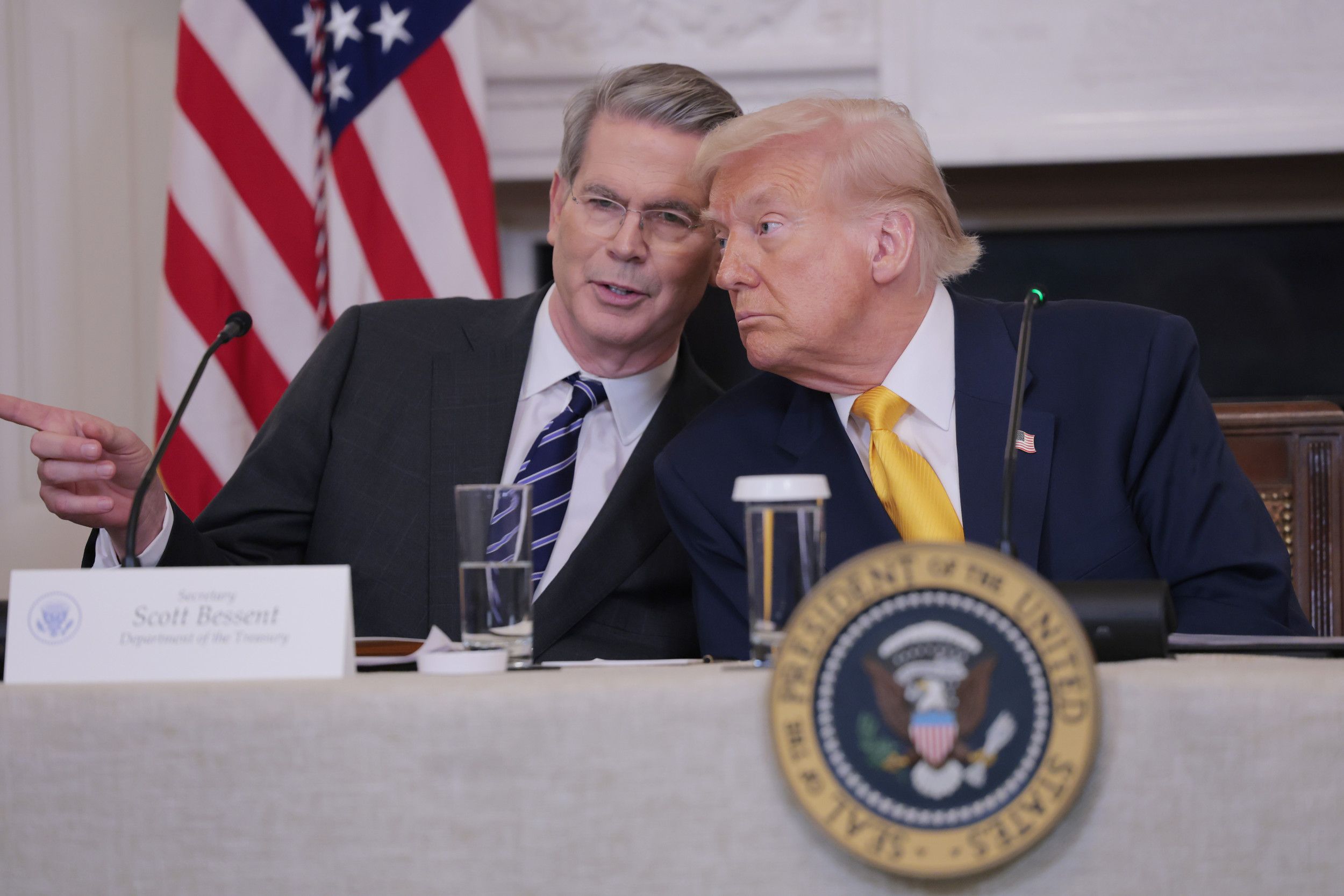
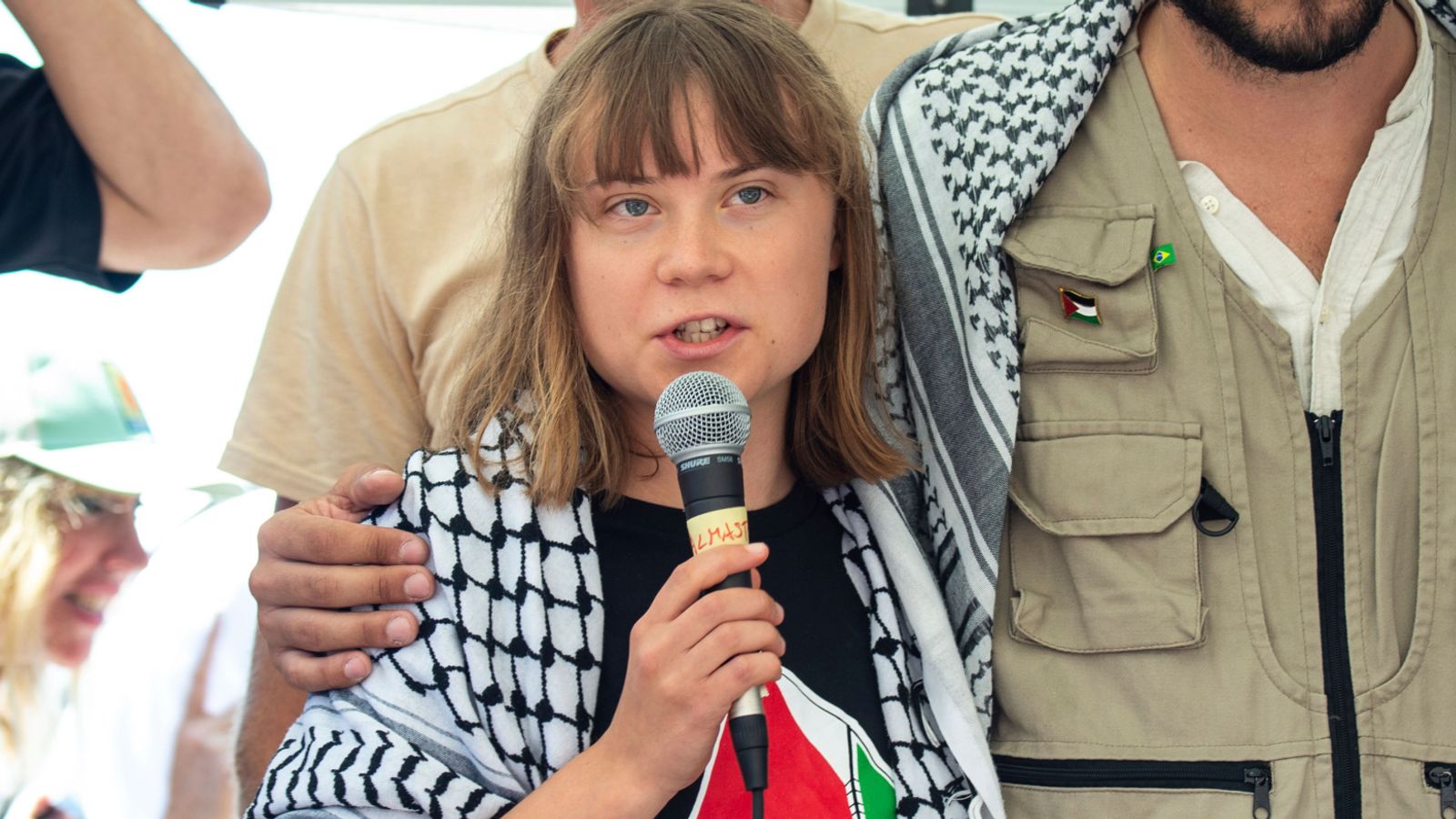
Why the Trump Thunberg Clash Matters
The clash between Donald Trump and Greta Thunberg matters because it serves as the definitive ideological proxy for the 21st-century battle over climate policy, generational equity, and the role of scientific expertise in governance. I...
The clash between Donald Trump and Greta Thunberg matters because it serves as the definitive ideological proxy for the 21st-century battle over climate policy, generational equity, and the role of scientific expertise in governance. It crystalized the divide between industrial-era nationalism and globalist environmental activism, transforming a complex scientific debate into a visceral cultural conflict.
Contents
The Intersection of Two Worldviews
To understand why the friction between Donald Trump and Greta Thunberg remains a focal point of political analysis in 2026, one must look past the social media barbs and examine the fundamental philosophies at play. On one side stood the 45th President of the United States, representing a populist, "America First" approach to economics that prioritized fossil fuel deregulation and immediate GDP growth. On the other stood a Swedish teenager who became the face of a global youth movement, demanding an immediate cessation of carbon-intensive "business as usual" to prevent ecological collapse.
This was not merely a disagreement over policy; it was a clash of temporalities. Trump’s rhetoric focused on the "here and now"—the protection of current industries, the preservation of traditional manufacturing jobs, and the maintenance of mid-20th-century energy dominance. Thunberg’s rhetoric focused on the "then and there"—the looming shadow of 2030, 2050, and the world her generation would inherit. By framing the climate crisis as a moral failure of the older generation, Thunberg challenged the very legitimacy of the economic structures Trump sought to uphold.
A Timeline of Symbolic Confrontations
The clash reached its zenith during two major international gatherings: the 2019 United Nations Climate Action Summit and the 2020 World Economic Forum in Davos. These events provided the visual and rhetorical evidence that would fuel global debate for years.
The 2019 UN Climate Action Summit
In September 2019, Greta Thunberg delivered her famous "How Dare You" speech at the United Nations in New York. Shortly after, a brief video clip went viral showing Thunberg’s intense, unblinking glare at Trump as he entered the building. This "glare" became an instant cultural icon, representing the silent fury of youth directed at perceived institutional indifference. Trump responded on social media, ironically describing her as a "very happy young girl looking forward to a bright and wonderful future," a move widely interpreted as patronizing.
The 2020 Davos Forum
The conflict intensified in Davos, Switzerland. Trump used his keynote address to dismiss "the perennial prophets of doom" and "the heirs of yesterday's foolish fortune-tellers," an obvious reference to Thunberg and her supporters. Thunberg responded by stating that "our house is still on fire," arguing that "empty words and promises" were no longer sufficient. This back-and-forth at the world's most prestigious gathering of economic elites highlighted that climate change had become the central fault line in global capitalism.
The Role of Social Media and Public Perception
The Trump-Thunberg clash was one of the first major geopolitical conflicts to be fought and narrated largely through social media memes and bio-line updates. This was significant because it bypassed traditional diplomatic channels, allowing both figures to speak directly to their bases.
When Trump tweeted that Thunberg should "work on her Anger Management problem" and "go to a good old fashioned movie with a friend," Thunberg responded by changing her Twitter (now X) biography to: "A teenager working on her anger management problem. Currently chilling and watching a good old fashioned movie with a friend." This tactic of "reclaiming the insult" became a hallmark of Gen Z activism, proving that the tools of digital mockery, which Trump had mastered to win the 2016 election, could be turned against him by a younger generation.
Why the Clash Matters for Scientific Communication
The conflict highlighted a crisis in how scientific data is communicated and received. Trump often framed climate science as a matter of opinion or a "hoax" designed to undermine American competitiveness. Thunberg, conversely, frequently stated, "I don’t want you to listen to me, I want you to listen to the scientists."
This dynamic forced a polarization of scientific authority. In the eyes of many, the debate stopped being about parts per million (PPM) of CO2 and started being about which leader you trusted. This polarization has had lasting effects through 2026, making it increasingly difficult to pass bipartisan environmental legislation in the United States, as climate policy became tied to personal and cultural identity rather than objective data.
Comparative Framework: Two Visions for the Future
The following table summarizes the key distinctions between the two platforms and how they approached global governance during the height of their public friction.
| Feature | Donald Trump's Approach | Greta Thunberg's Approach |
|---|---|---|
| Primary Goal | American energy independence and GDP growth. | Immediate global reduction of carbon emissions. |
| View of Science | Skeptical of international climate models and IPCC. | Absolute adherence to "unite behind the science." |
| Economic Logic | Deregulation and fossil fuel investment. | Systemic change and "Green New Deal" principles. |
| Key Demographic | Industrial workers, traditionalists, nationalists. | Students, Gen Z, environmentalists, globalists. |
| Rhetorical Style | Hyperbolic, nickname-driven, populist. | Urgent, moralistic, blunt, and direct. |
| Geopolitical Stance | Withdrawal from the Paris Agreement. | Global cooperation and radical accountability. |
The Impact on Global Policy and Youth Mobilization
The lasting importance of this clash lies in its role as a catalyst for youth mobilization. Thunberg’s "Fridays for Future" movement was arguably accelerated by Trump’s opposition. The presence of a high-profile "antagonist" gave the climate movement a clear target, which helped in organizing protests that involved millions of participants worldwide.
Furthermore, the clash influenced corporate behavior. As the debate moved from the fringes of environmentalism to the center of the world stage in Davos, major financial institutions began to face unprecedented pressure from young activists and shareholders. This pressure eventually led to the widespread adoption of Environmental, Social, and Governance (ESG) criteria, as companies realized that being on the "wrong side" of the climate debate—represented by the Trumpian rejection of climate science—posed a significant brand risk.
Generational Equity and the "Moral" Argument
Thunberg’s contribution to the clash was the introduction of "generational betrayal" as a political narrative. She argued that the older generation’s refusal to act was a theft of the future. This shifted the climate conversation from a technical or economic issue to a moral one.
Trump’s response—framing Thunberg as a "pawn" of elite globalists or as someone being manipulated—was an attempt to delegitimize the moral weight of her message. By 2026, it is clear that this moral framing won significant ground among younger voters, who increasingly view climate change as the primary human rights issue of their time. The clash matters because it forced the world to decide whether climate change is a matter of national sovereignty or a collective human obligation.
Frequently Asked Questions
Did Donald Trump and Greta Thunberg ever have a formal meeting?
No, the two figures never held a formal meeting or engaged in a direct debate. Their interaction was limited to seeing each other in passing at the UN and the World Economic Forum, and their public communication occurred almost exclusively through social media and press conferences. This lack of direct dialogue served to further highlight the vast ideological gulf between them.
Why was the "glare" at the UN so significant?
The "glare" became significant because it was a spontaneous, non-verbal moment that captured the tension between two conflicting worldviews. It required no translation and resonated across cultural and linguistic barriers, symbolizing the "eye-to-eye" confrontation between youth and power that defined the late 2010s and early 2020s.
How did this clash affect the Paris Climate Agreement?
While the clash itself did not change the law, it provided the cultural backdrop for the U.S. withdrawal and subsequent re-entry into the Paris Agreement. Trump’s skepticism was the driving force behind the 2017 announcement to withdraw, while Thunberg’s movement provided the popular mandate and public pressure for the Biden administration to rejoin on day one in 2021.
What has been the long-term impact on political rhetoric?
The clash established a template for how climate issues are debated in 2026. It moved the conversation away from "is climate change happening?" toward "what is our moral obligation to act?" and "who should pay for the transition?" It also normalized the use of social media as a primary tool for high-stakes environmental diplomacy.
Why did Trump focus on Thunberg’s personality rather than her data?
Focusing on personality is a common populist strategy used to minimize the influence of critics. By labeling Thunberg as "angry" or "happy," Trump attempted to frame her as an emotional child rather than a credible advocate for scientific data. This strategy aimed to reassure his base that the climate movement was driven by emotion rather than economic or scientific reality.
Moving Forward: The Legacy of the Conflict
The Trump-Thunberg clash was a pivotal moment in the 21st century because it forced the public to choose between two irreconcilable paths. In 2026, the resonance of this conflict is still felt in the "Green vs. Growth" debates that dominate international summits. To understand current climate politics, one must recognize that this was never just about a president and a teenager; it was about the world deciding whose future it was willing to protect.
For those looking to understand the current political landscape, the primary next action is to examine how current leaders balance these two competing interests: the immediate economic needs of the present and the ecological survival of the future. The polarization sparked by this clash serves as a warning of how difficult it is to find common ground once an issue becomes a core part of cultural identity.
Image Gallery