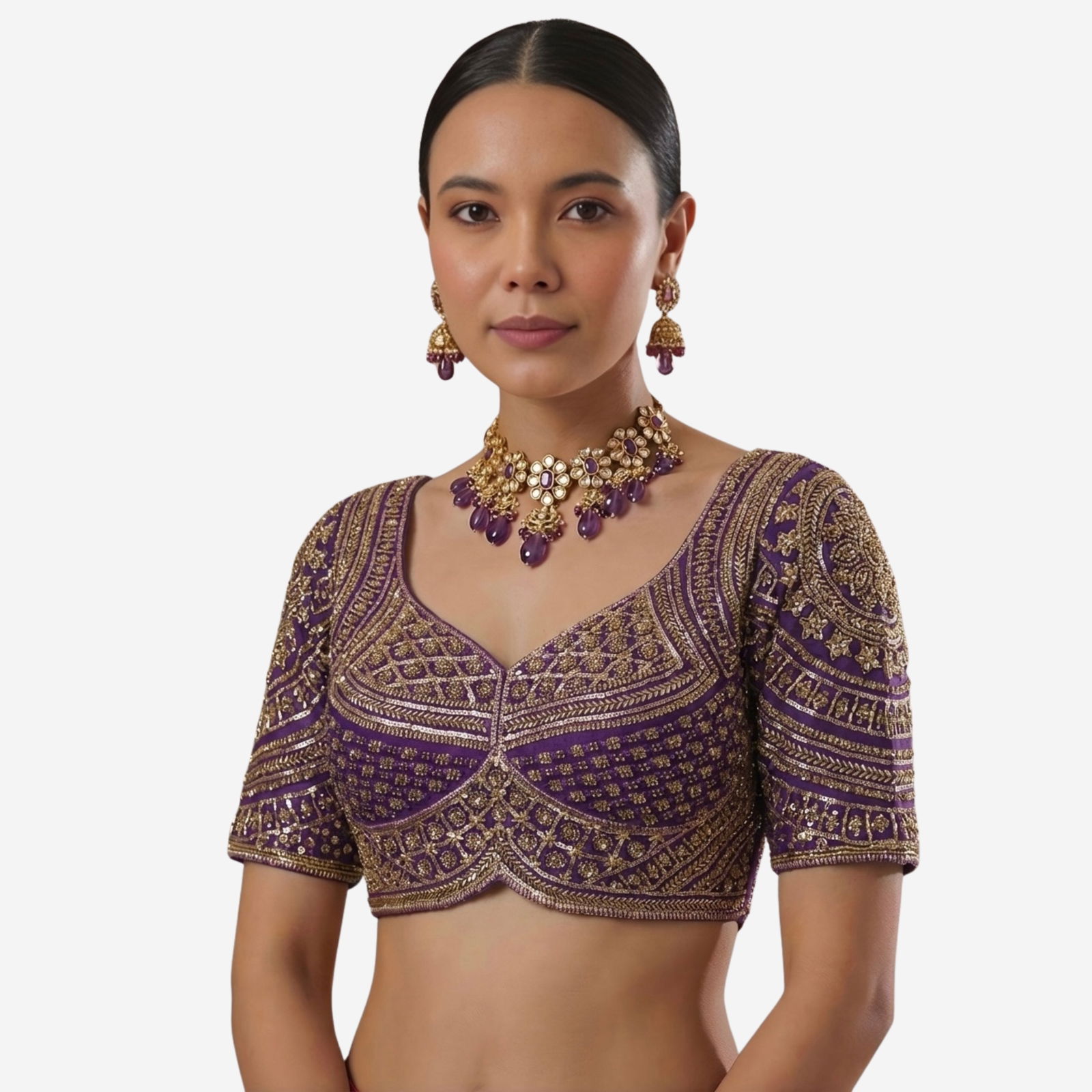
The Full Neck Blouse Explained: Design, Styling, and Structural Mechanics
The full neck blouse is a traditional and contemporary upper-garment featuring a high, enclosing neckline that covers the collarbones and base of the neck, offering structured elegance, enhanced coverage, and versatile pairing options...
The full neck blouse is a traditional and contemporary upper-garment featuring a high, enclosing neckline that covers the collarbones and base of the neck, offering structured elegance, enhanced coverage, and versatile pairing options for both ethnic and western outfits.
Contents
Introduction to the Full Neck Blouse
The full neck blouse has established itself as a staple across diverse sartorial traditions, bridging the gap between modest design and high fashion. Unlike sweetheart, scoop, or V-neck variants that expose the collarbones and décolletage, the full neck blouse extends upward to frame the neck entirely or partially. This design choice influences not only the visual aesthetic of an ensemble but also the structural requirements of tailoring, fabric selection, and accessory coordination.
Understanding the full neck blouse requires examining its structural variations, fabric dynamics, tailoring prerequisites, and how it compares to alternative necklines. Whether integrated into a traditional six-yard ensemble or adapted as a structured standalone top, this garment demands careful consideration of fit, proportion, and posture.
Core Anatomy and Variations of Full Neck Designs
What distinguishes a full neck blouse from other high-neck variants is the precise geometry of the front and back panels. Rather than a simple circular cutout, the pattern drafting relies on shoulder seams that extend closer to the neck base, eliminating the traditional neckline drop. Within this category, several distinct styles emerge based on closure placement, collar integration, and transparency.
Stand-Up Collars and Mandarin Styles
The Mandarin or band collar full neck blouse incorporates a stiffened strip of fabric standing vertically from the neckline. This variant relies on internal interfacing to maintain its shape against the throat. It is frequently paired with a front or back keyhole cutout to balance structural rigidity with breathability and visual relief.
Illusion Necklines and Sheer Overlays
Modern interpretations frequently utilize illusion netting or lace overlays. A sweetheart or scoop-neck inner bodice provides structural support, while a sheer fabric layer extends upward to form a full neck silhouette. This approach maintains the visual illusion of a high-necked garment while utilizing lighter, breathable materials across the upper chest and shoulders.
Boat Neck and High-Boat Hybrid Variations
While a traditional boat neck runs horizontally across the collarbones, high-boat hybrids raise the horizontal line toward the throat. This style creates a sleek, minimalist aesthetic that works exceptionally well with structured handlooms like Kanjeevaram or Chanderi silk.
Fabric Selection and Structural Mechanics
Because a full neck blouse sits close to the face and neck, fabric behavior directly dictates comfort and drape. Poorly chosen textiles can bunch, wrinkle, or restrict head movement. Tailors evaluate tensile strength, stiffness, and breathability when recommending materials for high-neck patterns.
| Fabric Type | Structural Behavior | Ideal Styling Application |
|---|---|---|
| Raw Silk / Kanjeevaram | Holds shape rigidly; creates sharp lines | Traditional weddings, formal receptions |
| Georgette / Chiffon | Fluid, drapes softly; requires lining | Layered illusion styles, summer wear |
| Velvet | Heavy, plush; absorbs light | Evening events, cooler climates |
| Cotton / Linen | Crisp, breathable; softens with washing | Daily ethnic wear, office attire |
Interfacing and Lining Requirements
Unlike deep-neck blouses that rely primarily on underbust bands and shoulder straps for support, full neck blouses anchor themselves around the neck and shoulders. Consequently, incorporating high-quality fusible interfacing along the neckline and shoulder seams is critical. Without proper reinforcement, the collar or high neckline tends to slouch, collapsing inward and creating unwanted wrinkles across the chest.
Closure Placement and Fastening Mechanics
Fasteners—whether concealed zippers, fabric potli buttons, or metal hooks—are typically placed at the back or shoulder seam of a full neck blouse. Placing a zipper down the center-back ensures a seamless front panel, allowing uninterrupted embroidery or print motifs to take center stage. Tailors must ensure that back closures are fitted with precision to prevent gaping when the wearer moves or sits.
Tailoring Prerequisites and Measurement Precision
Achieving an immaculate fit for a full neck blouse requires measurements that go beyond standard bust and waist sizing. Because the neckline has no give, minor miscalculations in neck circumference or shoulder slope will result in noticeable discomfort or gaping fabric.
Key Measurement Points
- Neck Circumference: Measured loosely around the base of the neck where the garment sits.
- Shoulder Slope: Essential for ensuring the high-neck band rests evenly against the skin without digging into the trapezius muscles.
- Armhole Depth (Armscye): Must be drafted with ergonomic ease to prevent chafing, as high-neck patterns inherently restrict upper body mobility if cut too tightly.
- Apex Placement: Ensures the bust darts align correctly with the body's natural contours, preventing the front panel from pulling upward.
Common Fitting Mistakes to Avoid
A frequent error in drafting full neck patterns is failing to account for forward shoulder posture. If a pattern assumes an upright military stance when the wearer has a natural forward curve, the back neckline will pull away from the neck while the front chokes the throat. Experienced tailors introduce small shoulder darts or adjust the back-to-front balance to accommodate natural posture.
Styling and Accessory Coordination
Styling a full neck blouse requires a shift in how jewelry, hair, and outer drapes are managed. Because the neckline eliminates traditional chest real estate, conventional necklace placement must be rethought.
Jewelry Selection
- Chokers: Placed directly above or below the high collar, depending on the neckline's height.
- Long Pendants: Layered chains extending below the bustline create a vertical focal point that elongates the torso.
- Earrings: Statement jhumkas, chandbalis, or dramatic chandeliers draw attention upward, compensating for the absence of collarbone jewelry.
Saree Draping and Dupatta Management
When pairing a full neck blouse with a saree, pleating the pallu neatly across one shoulder maintains a clean, architectural silhouette. If the blouse features heavy embroidery or zardozi work along the collar, pinning the pallu to fall behind the shoulder—allowing the entire front neck design to remain visible—is a common stylistic choice. For lehengas or salwar kameez sets, dupattas can be draped loosely over one arm or worn as a cape to showcase the blouse's upper structure.
Practical Comparison: Full Neck vs. Deep-Neck Blouses
Choosing between a full neck blouse and a deep-neck alternative involves balancing aesthetic preferences, climatic conditions, and occasion requirements.
| Feature | Full Neck Blouse | Deep-Neck Blouse |
|---|---|---|
| Coverage | High; covers collarbones | Low to moderate; exposes chest |
| Climate Suitability | Best for cooler/air-conditioned venues | Ideal for warm climates |
| Accessory Focus | Earrings, long chains, rings | Chokers, short necklaces |
| Perceived Style | Formal, regal, modest | Fluid, traditional, dramatic |
| Tailoring Complexity | High precision required for neck/shoulders | Focuses primarily on bust fit |
Frequently Asked Questions
Can a full neck blouse be worn by all body types?
Yes. While individuals with shorter necks or broader shoulders are sometimes advised to opt for styles with keyhole cutouts or V-extensions to create a lengthening vertical line, proper tailoring can adapt a full neck design to flatter any silhouette.
What is the best way to prevent a high-neck collar from wrinkling?
Using medium-weight fusible interfacing inside the collar band provides the necessary rigidity. Additionally, ensuring that the shoulder seams match the wearer's exact slope prevents the fabric from buckling under tension.
Are full neck blouses suitable for hot summer weather?
They can be, provided the fabric is breathable. Choosing lightweight cottons, linens, or sheer illusion nets prevents heat entrapment while retaining the structural elegance of the high neckline.
How do I style my hair with a full neck blouse?
Updos, high buns, and sleek ponytails complement full neck blouses by exposing the collar architecture and back design. Loose hair falling over the neckline can obscure delicate embroidery or create a bulky appearance.
Can ready-made full neck blouses be easily altered?
Altering the neckline of a ready-made full neck blouse is difficult because the front and back panels are already cut and finished. However, taking in side seams or adjusting shoulder lengths is straightforward for an experienced tailor.
Conclusion and Next Actions
The full neck blouse remains a sophisticated choice for those seeking structured elegance, modesty, and distinctive tailoring. By prioritizing precise neck and shoulder measurements, selecting appropriate textiles like raw silk or breathable cotton, and pairing the garment with complementary earrings and hairstyles, you can achieve a polished and balanced look. Before commissioning or purchasing a full neck blouse, consult with a professional tailor regarding your specific posture and fabric preferences to ensure optimal comfort and fit.
Image Gallery