What Your Body Will Look Like After Weight Loss: A Complete Physiological and Aesthetic Guide
After weight loss, your body will appear smaller overall, but its precise shape depends on starting weight, total fat reduction, muscle mass retention, age, and genetics. While losing weight reduces internal visceral fat and improves c...
After weight loss, your body will appear smaller overall, but its precise shape depends on starting weight, total fat reduction, muscle mass retention, age, and genetics. While losing weight reduces internal visceral fat and improves contour, significant weight loss can reveal loose skin, reduced facial volume, and altered body proportions. Preserving muscle through strength training helps create a firm, structured appearance.
Contents
Medical Disclaimer: This article is provided for informational and educational purposes only and does not constitute professional medical, nutritional, or surgical advice. Individual physiological responses to weight loss vary substantially based on genetics, health status, and age. Always consult a qualified healthcare provider or board-certified surgeon before making major changes to your diet, exercise regimen, or medical care.
Understanding How Weight Loss Changes Body Shape
When the body enters an energy deficit, it mobilizes stored triglycerides from adipocytes (fat cells) to convert them into usable fuel. Crucially, fat cells do not disappear during weight loss; rather, they shrink in volume as their lipid contents are oxidized. Where your body extracts this fat first is dictated primarily by genetics, hormonal balances, and tissue type, rather than targeted exercises.
| Adipose Tissue Type | Characteristics |
|---|---|
| 1. Visceral Fat (Deep abdominal, surrounds internal organs) | Rapidly mobilized during caloric deficitDrastically reduces waist circumference and health risks |
| 2. Subcutaneous Fat (Under the skin, visible aesthetic layer) | Mobilized more slowly and unevenlyDetermines final outline, skin drape, and surface texture |
Because fat depletion occurs systemically rather than locally, spot reduction is a biological impossibility. The body mobilizes fat stores from regions with high beta-adrenergic receptor density more quickly than from areas with high alpha-2 receptor density. Consequently, areas like the face, neck, and upper chest often show visual changes first, whereas stubborn subcutaneous fat in the lower abdomen, hips, and thighs takes longer to diminish.
The Role of Skin Elasticity and Loose Skin
One of the most persistent concerns regarding physical appearance after weight loss is excess or sagging skin. The skin is a dynamic organ composed of collagen fibers, which provide structural support, and elastin fibers, which allow the skin to stretch and snap back into place.
- Prolonged Tissue Expansion (Obesity)
- Overstretched Skin Matrix
- Damaged collagen networks
- Fractured elastin fibers
- Rapid Depletion of Underlying Fat
- Excess / Sagging Skin (Inability of skin to retract around smaller volume)
When body tissue expands during weight gain, the dermis stretches to accommodate the increased volume. If the skin remains stretched for an extended period, the collagen and elastin matrix becomes damaged or permanently degraded. When underlying fat stores are subsequently depleted through weight loss, the skin may lack the elastic recoil necessary to conform tightly to the smaller body frame.
Key factors that determine whether skin will retract or remain loose include:
- Total Weight Lost: Individuals losing 20 to 30 pounds generally experience minimal loose skin, as the dermis can easily adapt. Those losing 80 to 100 pounds or more frequently experience surplus tissue folds.
- Duration of Overweight Status: The longer the skin has been stretched over expanded fat stores, the more damage the elastin fibers sustain, reducing natural recoil capacity.
- Age: Collagen production naturally declines as human beings age. Younger skin possesses greater cellular turnover and elasticity compared to older skin.
- Genetics and Lifestyle: Factors such as smoking status, chronic sun exposure (photodamage), hydration levels, and genetic collagen architecture significantly influence how well skin rebounds.
Muscle Mass vs. Fat Mass: The Science of Tone
The visual outcome of weight loss depends heavily on body composition—specifically the ratio of lean muscle mass to fat mass. Losing weight simply through calorie restriction without physical training often leads to the loss of both skeletal muscle and fat tissue.
When skeletal muscle is sacrificed alongside fat, the resulting physical appearance is often characterized as "skinny fat." In this scenario, the individual reaches a lower overall body weight, but their body lacks structural firmness, contour, and athletic definition because there is insufficient muscle tissue underneath the skin to create shape.
Conversely, engaging in progressive resistance training while maintaining adequate dietary protein preserves or builds underlying skeletal muscle. Muscle tissue acts as a structural scaffold under the dermis. By occupying volume directly beneath the subcutaneous layer, preserved muscle fills out skin folds, creates defined curves, improves posture, and increases resting metabolic rate.
For guidance on baseline daily dietary guidelines and physical activity recommendations, reference the U.S. Department of Agriculture Dietary Guidelines.
Specific Body Changes by Region
Weight loss affects distinct anatomic regions in unique ways due to varying tissue density, muscle attachment points, and skin thickness.
- Regional Physical Changes
- Face & Neck
- Sharp jaw
- Sunken cheeks (sometimes)
- Chest & Torso
- Exposed collarbone
- Softer tissue in breast area
- Midsection & Waist
- Reduced waist
- Potential "apron" fold (panniculus)
- Glutes & Limbs
- Flattened glute shape
- Loose inner thigh skin
- Face & Neck
Face and Neck
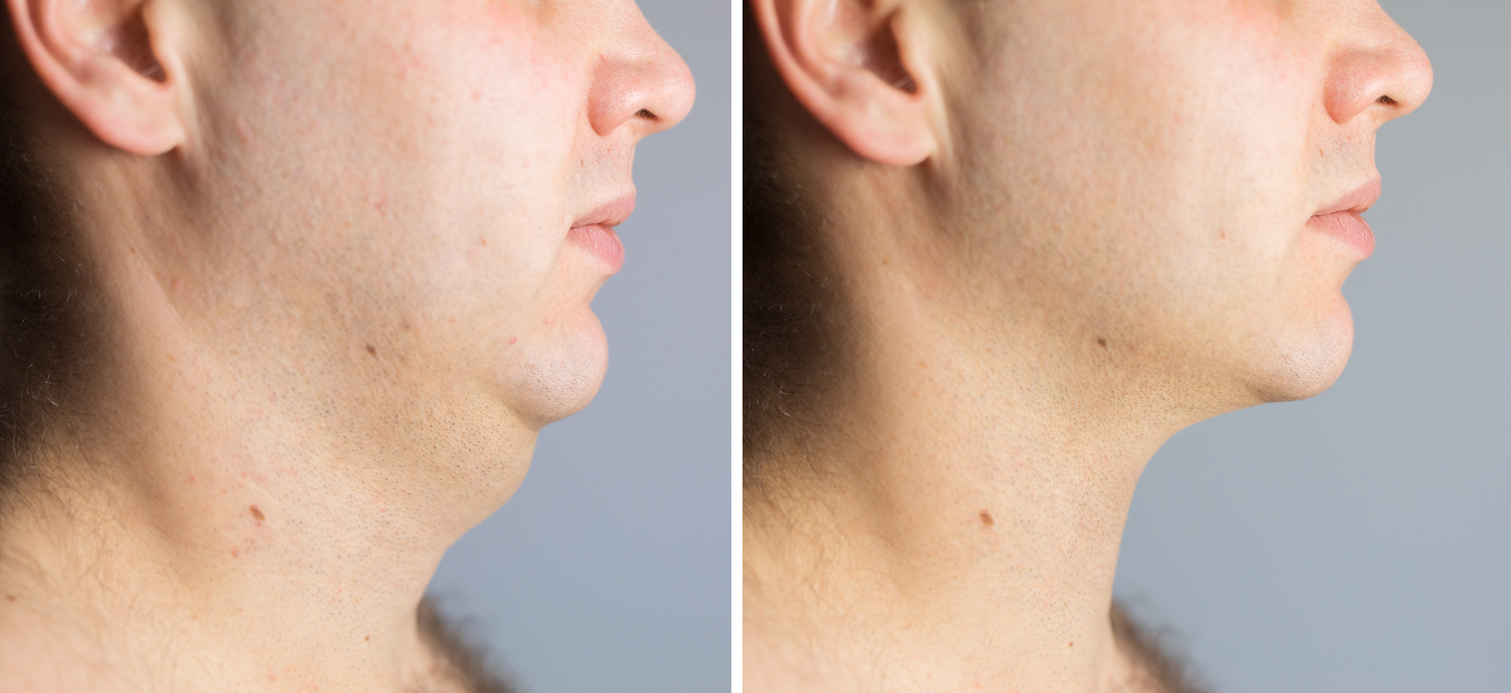
The face contains numerous superficial fat pads that contribute to a youthful, rounded profile. As fat is lost, facial contours become sharper, exposing the underlying bone structure of the cheekbones and jawline. Submental fat under the chin decreases, defining the neck. However, rapid or extreme weight loss in older adults can cause midface hollows, deeper nasolabial folds, and temporary facial sagging due to sudden loss of superficial volume.
Chest and Upper Body
In both men and women, the chest area loses volume early in the weight loss process. Collarbones, ribs, and scapular outlines become more pronounced. For women, breast tissue consists of both adipose fat and glandular tissue; as adipose tissue decreases, breast size decreases, and skin laxity may cause a change in breast positioning or fullness. In men, losing chest fat reduces the appearance of gynecomastia-like fat deposits, revealing the pectoral muscle contours beneath.
Abdomen and Waist
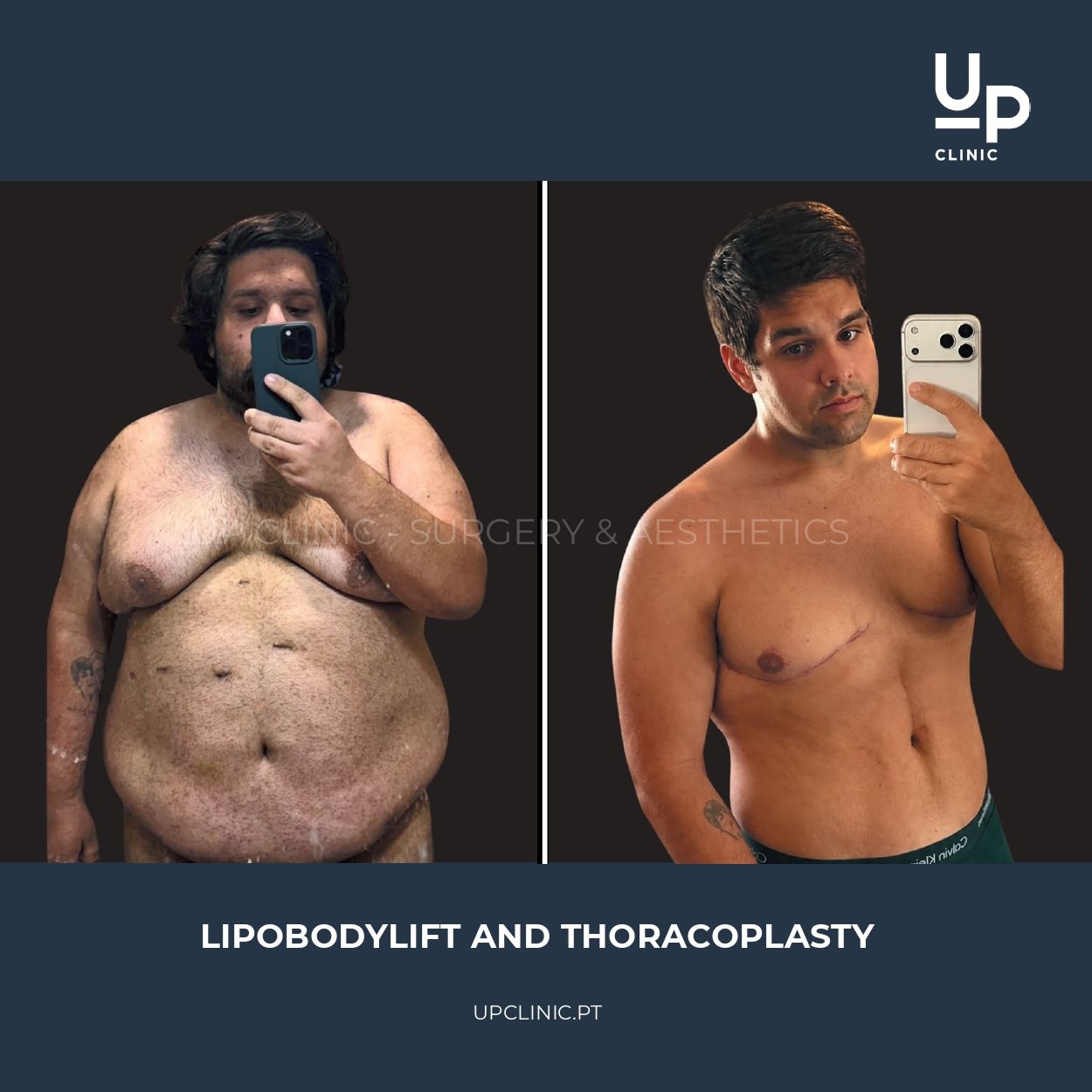
Visceral fat around internal organs empties rapidly, leading to a substantial decrease in waist circumference and abdominal projection. However, the lower abdomen is the most common site for stubborn subcutaneous fat and excess loose skin. Following massive weight loss, skin in this region may form a drooping fold known medically as a panniculus or abdominal apron, which may obscure the underlying rectus abdominis muscles regardless of body fat percentage.
Glutes, Thighs, and Arms
The gluteal region consists largely of muscle (gluteus maximus, medius, and minimus) covered by a thick layer of subcutaneous fat. If fat is lost without active glute hypertrophy training, the buttocks can appear flat or droopy. The inner thighs and upper triceps area are particularly prone to skin laxity, often presenting as thin, crepe-like skin folds that hang when arms or legs are extended horizontally.
Distinguishing Loose Skin from Residual Subcutaneous Fat
Many individuals confuse remaining subcutaneous fat with loose skin, leading to frustration when continued dieting fails to flatten an area. Distinguishing between the two is vital for setting realistic goals and selecting appropriate management strategies.
To perform a basic assessment, use the "pinch test" on the affected tissue:
- Loose Skin Only: When pinched, the fold of tissue feels extremely thin—similar to the skin on the back of your hand. It lacks a thick, spongy middle layer and may appear wrinkled or crepe-like when relaxed.
- Subcutaneous Fat Layer: When pinched, the tissue feels thick, pliable, or soft, with a palpable layer of tissue between the fingers (similar to a pinch on the upper outer thigh). If a thick layer remains, body fat is still present under the skin, and further body recomposition may alter the area's shape.
Determinants of Post-Weight-Loss Physical Appearance
The following matrix outlines the primary biological and behavioral variables that dictate physical appearance following weight loss, along with their physiological mechanisms and optimal management strategies.
| Determinant | Impact on Appearance | Underlying Physiological Mechanism | Management Strategy |
|---|---|---|---|
| Total Fat Volume Lost | High impact on loose skin probability | Extreme volume reduction leaves stretched dermal collagen without structural support | Aim for sustainable loss rates; evaluate surgical body contouring if excess skin exceeds 50+ lbs of loss |
| Preserved Muscle Mass | Critical factor for "toned" aesthetics | Muscle tissue provides firm underlying contour and structural integrity beneath skin | Perform progressive resistance training 3–5 times weekly; consume adequate protein |
| Age and Dermal Elasticity | High influence on skin retraction speed | Natural degradation of dermal elastin fibers and slower collagen synthesis rate | Maintain consistent hydration, practice sun protection, and allow 12–18 months for natural skin remodeling |
| Rate of Weight Loss | Moderate impact on skin adaptivity | Rapid loss outpaces the skin’s biological remodeling timeline, increasing temporary sag | Maintain a moderate caloric deficit resulting in 1 to 2 pounds of weight loss per week |
| Distribution of Fat (Genetics) | Determines shape changes by region | Android (apple) vs. gynoid (pear) genetic signaling controls fat cell receptor distribution | Focus on overall body recomposition rather than attempting regional targeted reduction |
Evidence-Based Strategies to Optimize Body Shape
While genetics and age establish baseline constraints, specific behavioral strategies maximize muscular definition, support skin health, and refine overall physical appearance during and after weight loss.
- Optimizing Post-Weight-Loss Body Composition
- Resistance Training
- Compound lifts
- Hypertrophy focus
- Progressive load
- Targeted Nutrition
- High protein (1.6–2.2g/kg)
- Micronutrient support
- Dermal Remodeling
- Moderate rate loss
- Proper hydration
- 12–18 mo. patience
- Resistance Training
1. Progressive Resistance Training
Engaging in resistance exercise (weightlifting, bodyweight training, or machine exercises) is the most effective non-surgical tool for shaping your physique post-weight-loss. Hypertrophy training stimulates muscle protein synthesis, enlarging muscle fiber diameter. Focus on multi-joint compound movements such as squats, deadlifts, chest presses, and rows, which engage large muscle groups and provide widespread structural support under the skin.
2. Protein Intake and Micronutrient Support
Maintaining elevated protein intake during calorie restriction prevents muscle tissue breakdown (catabolism). Clinical guidelines commonly recommend consuming 1.6 to 2.2 grams of protein per kilogram of total body weight per day during weight loss phases. Additionally, dietary micronutrients such as Vitamin C, Zinc, and copper act as key cofactors in endogenous collagen synthesis, supporting tissue repair and skin health.
3. Adopt a Moderate Pace of Weight Loss
Rapid weight loss driven by severe starvation diets often leads to disproportionate muscle loss and gives skin insufficient time to adapt. Losing weight at a rate of 1 to 2 pounds (0.5 to 0.9 kg) per week—as recommended by public health organizations such as the Centers for Disease Control and Prevention (CDC)—allows the dermal matrix more time to adapt gradually to changing body volume.
4. Understand Non-Surgical vs. Surgical Solutions
For minor skin laxity, non-invasive treatments utilizing radiofrequency, microneedling, or laser therapies can stimulate mild dermal collagen contraction over several months. However, for severe, high-volume skin aprons following massive weight loss (such as post-bariatric surgery), surgical procedures remain the primary definitive solution.
Common body contouring procedures managed by board-certified plastic surgeons include:
- Abdominoplasty (Tummy Tuck): Removes excess abdominal skin and fat while tightening underlying abdominal fascia.
- Panniculectomy: Specifically excises the hanging lower abdominal apron without full muscle tightening.
- Brachioplasty: Removes redundant hanging skin from the underside of the upper arm.
- Thighplasty: Resects excess medial thigh skin to refine leg contour.
For detailed clinical criteria regarding reconstructive body contouring options, consult the official resources provided by the American Society of Plastic Surgeons.
Frequently Asked Questions
Will loose skin go away on its own after weight loss?
Loose skin can retract to some degree over time, but complete recovery depends on skin elasticity, age, total weight lost, and genetics. After reaching a stable weight, your skin will naturally remodel and adapt over the course of 12 to 18 months. Moderate laxity may improve significantly, whereas severe tissue overstretching following massive weight loss typically requires surgical excision for complete removal.
Why does my face look older or hollowed after losing weight?
Facial youthfulness relies heavily on deep and superficial fat pads that cushion the facial structure. When you lose body fat, these facial fat pads shrink, which can accentuate cheekbone contours but may also lead to hollow cheeks, deeper smile lines, or mild sagging skin around the jawline. Over time, facial skin adapts somewhat, and gaining a small amount of targeted muscle mass across the body or consulting a dermatologist for non-surgical aesthetic evaluation can help address severe volume loss.
How long should I wait after weight loss before considering body contouring surgery?
Most plastic surgeons recommend maintaining a stable, goal weight for at least 6 to 12 months before undergoing surgical body contouring procedures like abdominoplasty or brachioplasty. Weight stability ensures that your nutritional status has normalized, reduces surgical complications, and prevents future weight fluctuations from compromising surgical results.
Can collagen supplements fix loose skin after weight loss?
Collagen peptides supply the amino acids (such as glycine, proline, and hydroxyproline) necessary for skin repair, and some clinical trials show minor improvements in skin hydration and dermal density. However, dietary collagen supplements cannot repair broken or severely damaged elastin fibers resulting from massive weight loss. They act as nutritional support rather than a standalone cure for structural loose skin.
Why does my lower stomach still look round even after reaching my goal weight?
A remaining abdominal curve is typically caused by one of three issues: persistent subcutaneous fat, loose hanging skin, or abdominal wall laxity (such as diastasis recti, where the rectus abdominis muscles have separated). Using the pinch test can differentiate between fat and skin, while a physical examination by a physician can evaluate underlying muscular structure or visceral fat levels.
Practical Recommendations for Managing Your Body Transformation
To achieve a balanced, healthy physical outcome during your weight loss process, implement these structured next steps:
- Shift Focus to Body Composition: Do not rely solely on the bathroom scale. Track progress using body measurements, photos, structural performance in the gym, and body composition scans (such as DEXA or bioelectrical impedance).
- Prioritize Strength Training Early: Begin progressive resistance training at least 3 days per week from the start of your weight loss process to maximize lean tissue preservation and build structural frame definition.
- Optimize Daily Nutrition: Target a daily protein intake of 1.6–2.2g per kilogram of body weight, drink adequate water, and eat a nutrient-dense diet rich in micronutrients to support collagen synthesis.
- Allow a Dermal Adaptation Window: Once you reach your target weight, maintain it for 12 to 18 months. Give your skin adequate time to remodel naturally before seeking invasive cosmetic procedures.
- Seek Professional Guidance: Work alongside registered dietitians, certified exercise specialists, and board-certified physicians to tailor your plan safely to your unique anatomy and health profile.
Image Gallery