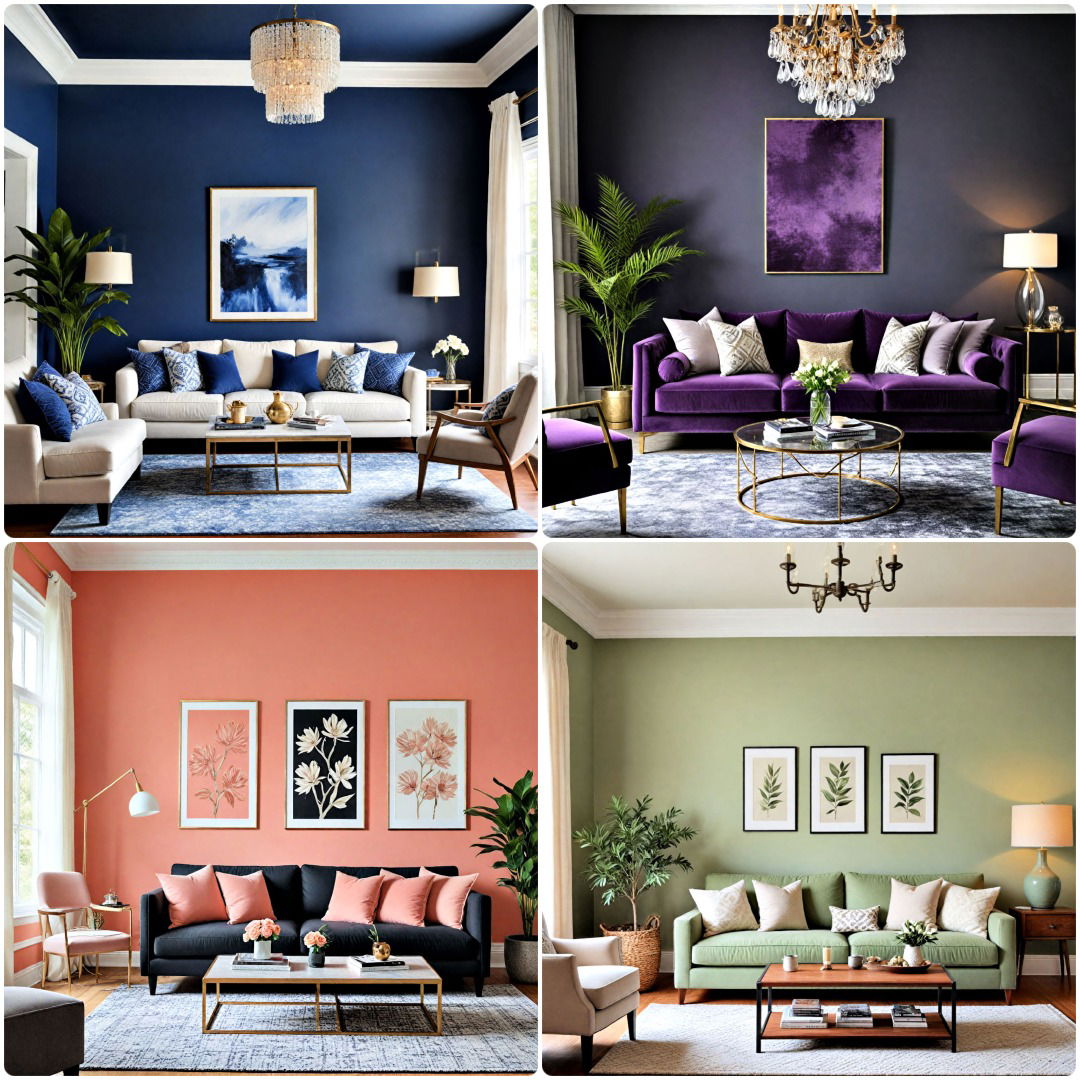
i rp paint the smart choice for modern homes
Choosing the right paint for a contemporary home involves balancing aesthetic versatility, durability, and health considerations. I RP paint has emerged as a practical option for modern residential spaces, offering formulations designe...
Choosing the right paint for a contemporary home involves balancing aesthetic versatility, durability, and health considerations. I RP paint has emerged as a practical option for modern residential spaces, offering formulations designed to withstand daily wear while maintaining a clean finish across diverse architectural styles.
Contents
Modern architectural design emphasizes clean lines, minimalist aesthetics, and functional spaces that adapt to the demands of contemporary living. Selecting finishes for these environments requires more than just choosing a pleasant color; it involves evaluating how coatings interact with interior lighting, indoor air quality, and the physical stresses of active households. I RP paint has garnered attention from homeowners and interior designers alike for its balanced performance profile. By addressing both the visual and structural demands of modern housing, this coating option provides a reliable pathway to achieving a polished, long-lasting interior and exterior aesthetic.
Understanding the Evolution of Modern Home Finishes
The requirements for residential coatings have shifted significantly over the past few decades. Older formulations often prioritized ease of application over environmental safety or long-term durability, frequently releasing high levels of volatile organic compounds (VOCs) into the living space. Modern homes, by contrast, are built to be tightly sealed for energy efficiency, making indoor air quality a paramount concern.
Coatings like I RP paint are engineered to meet these stricter environmental and performance standards. They utilize advanced resin technologies that allow the paint film to cure more evenly, reducing surface imperfections and providing a smoother touch. This evolution ensures that walls can resist scuffing, moisture, and fading without compromising the health of the indoor environment. Furthermore, the development of sophisticated color-matching and pigment dispersion techniques means that modern finishes retain their original hue even when exposed to intense natural light streaming through large, contemporary windows.
Key Characteristics of Contemporary Paint Formulations
To appreciate why certain coatings stand out in modern construction, it is helpful to examine their underlying composition. Advanced architectural finishes typically incorporate several core components:
- Modified Acrylic Resins: Provide superior adhesion and flexibility, allowing the paint to expand and contract with temperature fluctuations without cracking.
- Low-VOC and Zero-VOC Additives: Minimize chemical odors and harmful emissions during and after application, ensuring rapid re-occupancy of rooms.
- Microbial Resistance Agents: Prevent mold and mildew growth in moisture-prone areas such as kitchens, bathrooms, and utility spaces.
- Advanced Pigment Loadings: Deliver high opacity, reducing the number of coats required to achieve full coverage over contrasting base colors.
Aesthetic Versatility and Lighting Interaction
Modern interior design relies heavily on light, shadow, and spatial continuity. Open-plan layouts mean that walls in one room are frequently visible from another, requiring a cohesive color strategy and consistent sheen level throughout the living space.
I RP paint offers a balanced range of sheens—from ultra-matte to soft satin and durable semi-gloss—that interact predictably with both natural daylight and artificial LED lighting. Matte finishes, for example, absorb light rather than reflecting it, which helps to mask minor drywall imperfections and creates a velvety, high-end appearance in living rooms and bedrooms. Conversely, satin and semi-gloss formulations provide enough surface reflection to bounce light into darker hallways while offering the washability required in high-traffic zones.
Comparing Common Paint Sheens and Applications
| Sheen Level | Light Reflectivity | Primary Applications | Maintenance & Durability |
|---|---|---|---|
| Matte / Flat | Lowest (under 5%) | Ceilings, low-traffic bedrooms | Low scrubbability; ideal for hiding surface flaws |
| Eggshell | Low (10-25%) | Living rooms, dining rooms, studies | Moderate washability; soft luster |
| Satin | Medium (25-35%) | Hallways, children's rooms, foyers | Good durability; easy to clean with mild soap |
| Semi-Gloss | High (35-70%) | Trim, doors, kitchens, bathrooms | High moisture resistance; highly durable |
Practical Performance and Durability in Active Households
A modern home is a dynamic space where walls face frequent contact from furniture, pets, children, and daily foot traffic. Performance under pressure is therefore a critical metric when evaluating any residential coating.
Coatings evaluated under standard industry testing protocols demonstrate that high-quality acrylic formulations maintain their structural integrity through repeated cleaning cycles. When evaluating I RP paint for high-use areas, professionals look at scrub resistance, stain-blocking capabilities, and color retention. A resilient paint film prevents oils from human hands and household spills from penetrating the underlying drywall or plaster, making routine maintenance straightforward.
Application Prerequisites and Surface Preparation
Achieving professional results with modern architectural coatings requires rigorous surface preparation. Even the most advanced paint will fail prematurely if applied to a compromised substrate. Homeowners and contractors should follow a systematic preparation workflow:
- Inspection and Repair: Examine walls for cracks, nail pops, and water stains. Fill imperfections with a high-grade spackle or joint compound, and sand smooth once cured.
- Cleaning: Wash surfaces to remove dust, grease, and residual oils. A mild detergent solution followed by a clean water rinse ensures optimal adhesion.
- Priming: Apply a specialized primer tailored to the substrate—such as a bonding primer for glossy surfaces or a stain-blocking primer over water damage.
- Environmental Control: Ensure ambient temperatures remain within the manufacturer's recommended range (typically 50°F to 85°F) with moderate humidity levels during application and curing.
Cost Considerations and Long-Term Value
While initial material costs represent a significant portion of any painting project, looking strictly at the price per gallon can be misleading. Premium architectural coatings often require fewer coats to achieve complete coverage, reducing both labor time and total material volume.
Furthermore, durability directly influences lifecycle costs. A lower-quality paint may require reapplication every two to three years due to fading, chalking, or staining, whereas a resilient formulation maintains its protective and aesthetic qualities over a much longer timeframe. Factoring in the labor savings associated with less frequent maintenance establishes why investing in a reliable product like I RP paint represents a sound financial choice for property owners.
Frequently Asked Questions
What makes I RP paint suitable for modern home interiors?
I RP paint is formulated to meet the demands of contemporary architecture by combining low-VOC emission profiles with high durability and color stability. Its balanced resin structure allows it to withstand daily wear while maintaining a consistent finish across large, open-plan living spaces.
Does I RP paint require a specialized primer before application?
While the paint possesses strong adhesion properties, the need for a primer depends on the condition of the substrate. Unpainted drywall, repaired patches, glossy surfaces, and areas with severe stains always require an appropriate primer to ensure uniform absorption and long-term bonding.
How does this paint perform in high-moisture areas like bathrooms?
When selected in the appropriate satin or semi-gloss sheen, these formulations include moisture-resistant and antimicrobial additives that inhibit mold and mildew growth, making them well-suited for spaces exposed to humidity and frequent cleaning.
Are low-VOC formulations safe for immediate home re-occupancy?
Yes, low-VOC and zero-VOC architectural coatings significantly reduce the concentration of airborne chemical irritants during and after the painting process. This allows rooms to be safely re-entered much faster than was possible with traditional oil-based paints.
How many coats are typically required for full coverage?
Due to high pigment concentration and solid opacity, most applications require two coats over a properly primed surface to achieve true color depth and uniform protection, especially when transitioning between contrasting colors.
Conclusion
Selecting a residential coating involves weighing aesthetics, environmental health, and long-term durability. By offering low-emission formulations, reliable washability, and consistent aesthetic performance across various lighting conditions, I RP paint provides a dependable solution for contemporary living spaces. Proper surface preparation and correct sheen selection ensure that these coatings protect and enhance the home environment for years to come.
Image Gallery