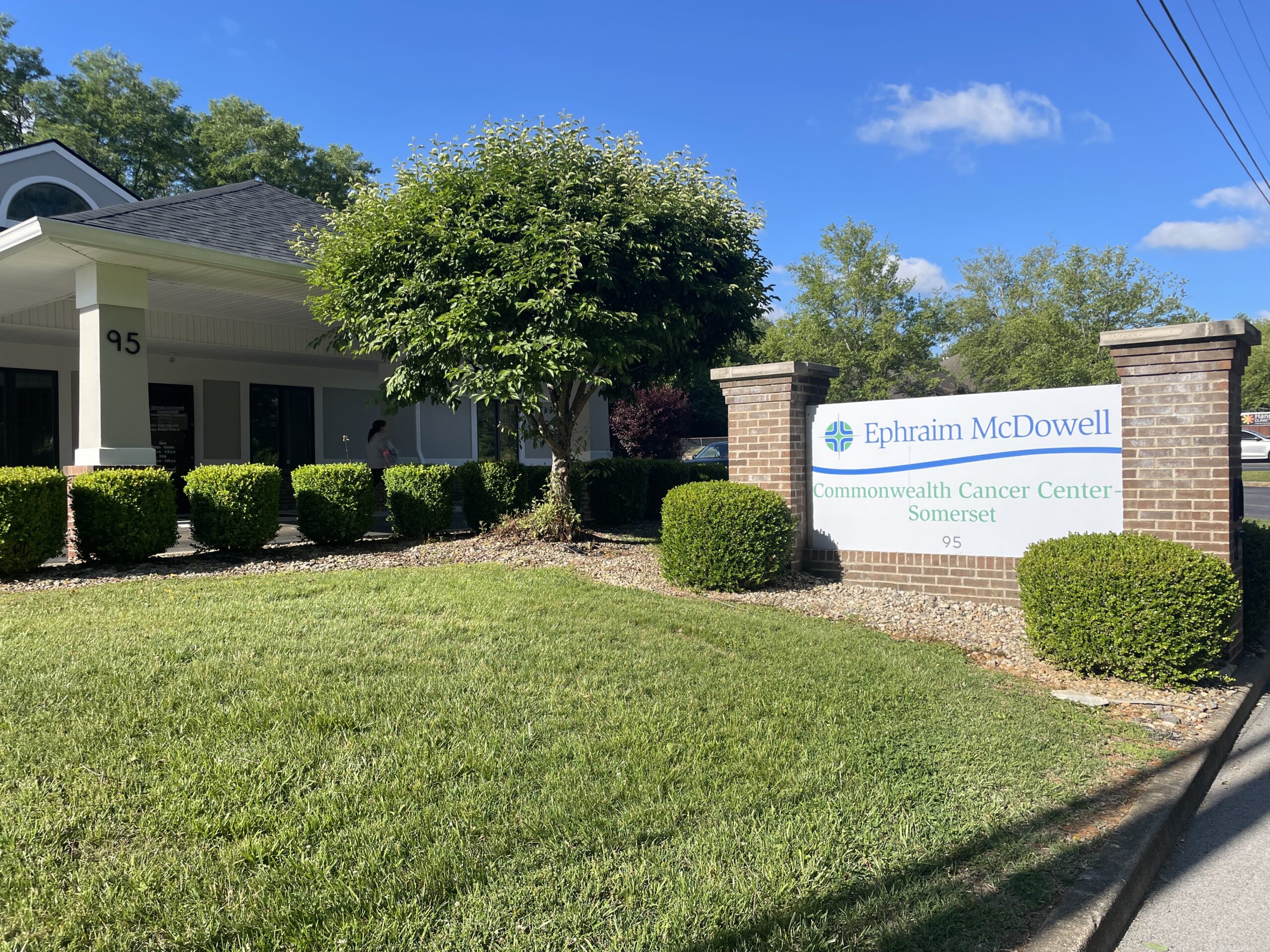
Understanding the Commonwealth Insurance Center: Purpose, Services, and Operational Structure
The Commonwealth Insurance Center is a specialized operational hub or organizational entity associated with insurance administration, regulatory oversight, or commercial coverage services. Depending on the specific regional jurisdictio...
The Commonwealth Insurance Center is a specialized operational hub or organizational entity associated with insurance administration, regulatory oversight, or commercial coverage services. Depending on the specific regional jurisdiction, it typically functions as a central resource for policyholders, businesses, and regulatory compliance within state or commonwealth-managed insurance frameworks.
Contents
Introduction to the Commonwealth Insurance Center
Navigating the landscape of insurance regulation, state-backed funds, and commercial coverage requires an understanding of the administrative bodies that oversee these sectors. The term "Commonwealth Insurance Center" usually points toward specialized state-administered offices, commercial headquarters, or historical institutions managing public or private insurance portfolios within commonwealth jurisdictions (such as Pennsylvania, Virginia, Massachusetts, or Kentucky).
Because insurance regulations vary significantly by jurisdiction, establishing the precise context of a Commonwealth Insurance Center requires examining its specific statutory authority, administrative scope, and target audience. Whether it serves as a regulatory department handling consumer complaints and licensing, or as a centralized private enterprise managing large-scale commercial lines, understanding its core functions helps policyholders and businesses navigate compliance, claims, and coverage options effectively.
Core Functions and Administrative Scope
Insurance centers operating under a commonwealth designation typically carry out essential administrative, regulatory, or operational mandates. While private entities may adopt similar branding, public-sector equivalents generally operate under state departments of insurance or specialized quasi-governmental pools.
Regulatory Oversight and Consumer Protection
In many jurisdictions, an office bearing this title plays a direct or indirect role in enforcing state insurance codes. Key responsibilities in this domain include:
- Licensing and Credentialing: Processing applications and renewals for insurance agents, brokers, and adjusting agencies.
- Consumer Advocacy: Investigating policyholder grievances, handling disputes regarding claim denials, and ensuring fair market practices.
- Market Conduct Examinations: Auditing insurers to verify compliance with statutory solvency requirements, rate filings, and underwriting guidelines.
Commercial and Public-Sector Coverage Management
When the center functions as a corporate entity or specialized underwriting pool, its primary focus shifts toward specific risk classes. These may include workers' compensation funds for public employees, high-risk property pools, or comprehensive liability programs for municipal entities.
| Operational Focus | Primary Function | Target Audience | Key Regulatory Body |
|---|---|---|---|
| Regulatory & Licensing | Enforcing insurance statutes and agent compliance | Consumers, agents, brokers | State Department of Insurance |
| Assigned Risk Pools | Providing coverage for hard-to-insure risks | High-risk drivers, employers | State Insurance Commissioner |
| Commercial Enterprise | Underwriting specialized business lines | Corporations, contractors | Private Board of Directors / SEC |
Navigating Services and Resources for Policyholders
For individuals and business owners interacting with a Commonwealth Insurance Center, knowing how to access services efficiently minimizes administrative delays. Depending on whether the entity is public or private, the engagement process follows distinct protocols.
Accessing Public Regulatory Portals
When dealing with a state-run or commonwealth-affiliated regulatory office, users typically interact with digital portals designed for transparency and compliance verification.
- License Verification: Consumers and employers can verify the active status and disciplinary history of licensed insurance producers.
- Complaint Submission: Formal mechanisms exist for filing grievances against carriers or agents suspected of unfair settlement practices.
- Public Rate Filings: Accessing database tools to review approved rate changes for auto, home, and health insurance lines.
Commercial Engagement and Underwriting Protocols
If the center operates as a private commercial insurance provider, the workflow mirrors traditional corporate underwriting. Prospective insureds must submit detailed loss runs, financial statements, and operational profiles to secure quotes for specialized lines such as professional liability or commercial property coverage.
Eligibility, Requirements, and Compliance
Compliance is the cornerstone of any interaction with an insurance administrative or underwriting center. Meeting specific statutory or contractual thresholds is mandatory for maintaining good standing.
Statutory Compliance for Licensed Professionals
Insurance agents, brokers, and corporate entities operating within commonwealth jurisdictions must adhere to rigorous continuing education (CE) requirements and financial responsibility mandates. Failure to maintain active errors and omissions (E&O) coverage or failure to remit premium trust funds promptly can result in immediate administrative action by the regulatory authority.
Policyholder Obligations
For those receiving coverage through an assigned risk pool or specialized commonwealth program, compliance involves strict adherence to premium payment schedules, accurate disclosure of risk characteristics during the underwriting phase, and prompt reporting of any material changes in operational scope or loss history.
| Requirement Type | Target Group | Frequency / Timeline | Consequence of Non-Compliance |
|---|---|---|---|
| License Renewal | Producers & Adjusters | Biennial (varies by state) | Expiration of authority to practice |
| Premium Reporting | Commercial Insureds | Annual payroll/sales audit | Retroactive premium adjustments |
| Loss Notification | All Policyholders | Immediate / Within 48 hours | Potential denial of claim coverage |
Common Challenges and Troubleshooting
Navigating insurance bureaucracy often presents hurdles for consumers and business operators alike. Identifying common pain points allows stakeholders to resolve disputes more efficiently.
Resolving Claim Disputed Denials
When a claim is contested by an insurer managed through or regulated by a commonwealth entity, policyholders possess statutory rights to appeal. The process generally requires:
- Reviewing the specific policy exclusion cited in the denial letter.
- Gathering independent expert opinions, contractor estimates, or medical evaluations.
- Submitting a formal appeal through internal company channels before escalating the matter to the state insurance department's consumer services division.
Addressing Licensing Delays
For professionals experiencing bottlenecks in license processing, delays are frequently caused by incomplete background checks, missing fingerprint documentation, or unverified education credits. Utilizing the state's designated electronic producer licensing system (such as the National Insurance Producer Registry) typically accelerates verification.
Frequently Asked Questions
What is the primary purpose of a Commonwealth Insurance Center?
The primary purpose depends on its organizational structure, but it generally involves either regulating insurance market conduct within a specific commonwealth jurisdiction or providing specialized commercial underwriting and risk-management services.
How do I verify if an insurance agent is licensed through this center?
You can verify licensing status by accessing the official online lookup portal of the state’s department of insurance or regulatory division associated with the commonwealth in question. Always cross-reference license numbers directly through official government databases.
Can a commonwealth insurance office force a company to pay a claim?
Regulatory offices cannot act as a court of law to compel payment, but they can investigate market conduct violations, mediate disputes, and penalize insurers that engage in unfair claim settlement practices.
What should I do if my insurance complaint is ignored?
If an insurer fails to respond within statutory timeframes, you can escalate the grievance by filing a formal complaint with the state insurance commissioner's office, providing all relevant documentation, correspondence, and policy details.
Practical Next Steps
To ensure proper compliance and optimal coverage management, stakeholders should first verify whether the specific Commonwealth Insurance Center they are interacting with is a regulatory body or a commercial enterprise. Review your current policy documents, verify agent credentials through official state registries, and consult qualified legal or financial professionals before finalizing major commercial coverage decisions or filing formal regulatory appeals.
Image Gallery