Understanding What Happens After an Insurance Company Processes a Cash Value Payout
When a policyholder requests a cash value payout from a permanent life insurance policy—such as whole life or universal life—the insurance company initiates a series of administrative, financial, and legal steps to adjust or terminate...
When a policyholder requests a cash value payout from a permanent life insurance policy—such as whole life or universal life—the insurance company initiates a series of administrative, financial, and legal steps to adjust or terminate the contract. The insurance company must verify the request, calculate the exact surrender value, reconcile outstanding loans, and update the policy status to reflect the distribution of funds.
Contents
The specific actions taken by the insurer depend largely on whether you have requested a partial withdrawal or a full surrender of the policy. Because permanent life insurance combines a death benefit with a tax-advantaged savings component, the movement of this cash value significantly alters the long-term risk profile of the contract and the company's liability.
The Administrative Workflow: From Request to Disbursement
Once a formal request is submitted, the insurance company acts as a steward of the contractual agreement, ensuring that the withdrawal complies with state insurance regulations and the specific terms outlined in your policy documents.
1. Verification and Compliance Review
The process begins with an internal audit of the request. The insurer reviews the policy status to confirm that the premiums are current and that there are no legal encumbrances, such as irrevocable beneficiary designations or court-ordered liens. If the policy is being used as collateral for a commercial loan, the insurer may require a release from the lender before releasing any funds.
2. Calculation of Net Surrender Value
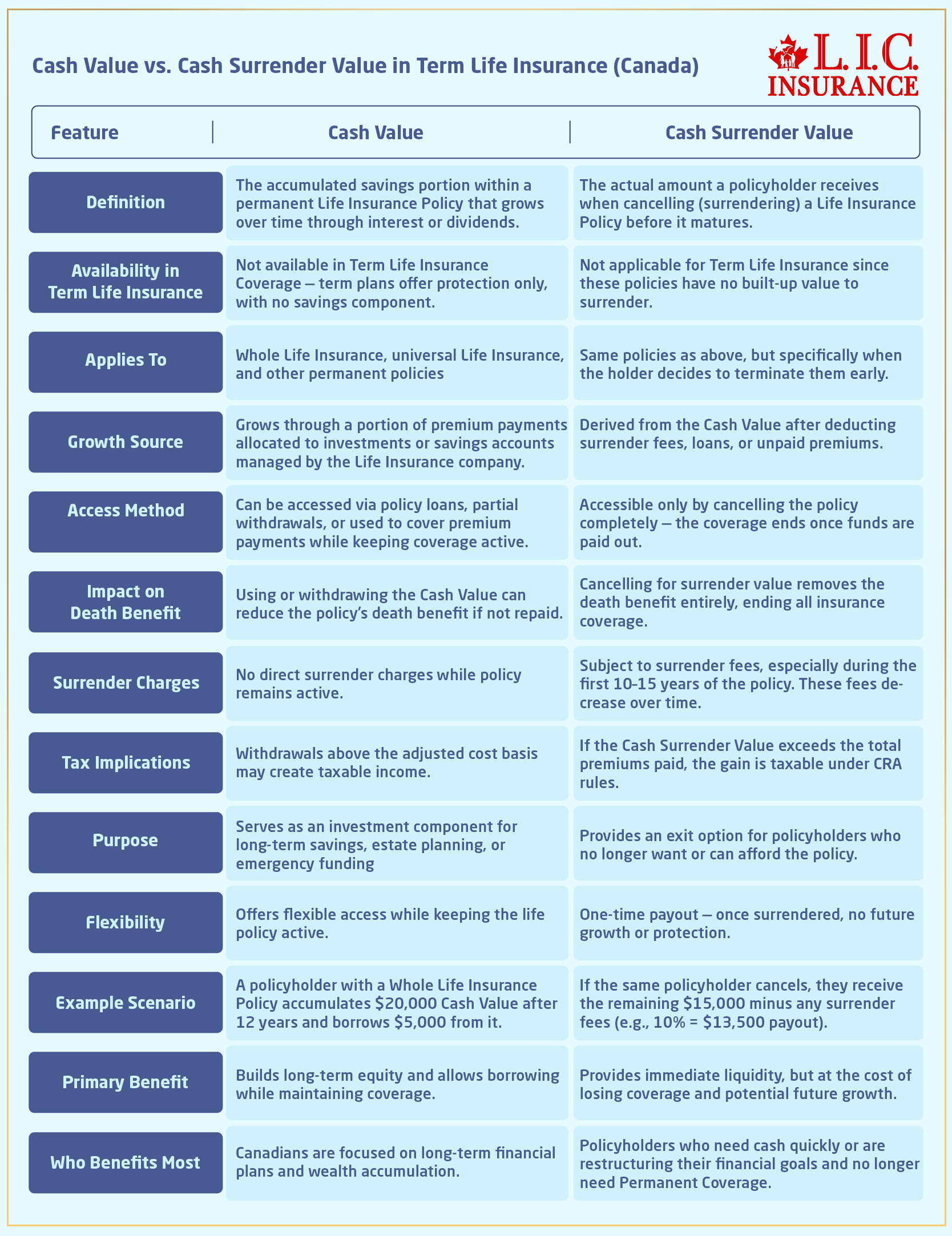
The "cash value" listed on a statement is not always the amount paid to the policyholder. The insurer calculates the Net Surrender Value, which is the total accumulated cash value minus:
- Surrender Charges: Fees for early termination or withdrawals, which typically scale down over a period of years (often 10–15 years after policy inception).
- Outstanding Policy Loans: If you have borrowed against the policy, the insurer deducts the principal and any accrued interest before disbursement.
- Pro-rata Premiums: If the policy is terminated mid-cycle, the insurer may adjust for prepaid premiums.
3. Tax Reporting and Withholding
Insurance companies are required by law to report certain distributions to tax authorities. If the payout represents "gain" (the amount received in excess of your "cost basis," which is typically the sum of premiums paid), the insurer must process the appropriate tax forms, such as the IRS Form 1099-R in the United States. Depending on the jurisdiction and the nature of the withdrawal, the insurer may be required to withhold a portion of the payment for income tax purposes unless the policyholder provides a specific election to opt out, where legally permitted.
Full Surrender vs. Partial Withdrawal
The trajectory of your policy changes dramatically depending on whether you are seeking a withdrawal or terminating the contract entirely.
Full Surrender
In a full surrender, the insurer marks the policy as "terminated" or "lapsed by request." The following steps occur:
- Coverage Cessation: The death benefit is immediately canceled. From the insurer’s perspective, their actuarial risk obligation ends the moment the surrender is processed.
- Final Statement: The company issues a closing statement summarizing the final payout, any tax reporting, and the effective date of termination.
- Irreversibility: In almost all standard contracts, once a full surrender is processed, the policy cannot be reinstated. The policyholder forfeits any future rights to the original premium rates or death benefit guarantees.
Partial Withdrawal
A partial withdrawal allows the policy to remain in force. The insurer must recalculate the remaining death benefit, as the withdrawal of cash value reduces the internal reserves that support the insurance coverage.
- Benefit Adjustment: The insurer reduces the death benefit proportionally to the amount withdrawn.
- Ongoing Obligations: The policyholder must continue to pay premiums if the policy is not "paid-up" to keep the coverage active.
Comparative Overview of Cash Value Actions
| Feature | Partial Withdrawal | Full Surrender |
|---|---|---|
| Policy Status | Remains active | Terminated |
| Death Benefit | Reduced | Eliminated |
| Tax Impact | Taxed on gains exceeding basis | Taxed on gains exceeding basis |
| Future Premiums | Generally required | Cease |
| Reinstatement | N/A | Typically not allowed |
Impact on Policyholder Benefits and Future Obligations
It is essential to understand that cash value is not "extra" money sitting in a vault; it is a calculated reserve against the future death benefit. When an insurer pays out this value, they are effectively paying you a portion of your future death benefit early.
If you are considering a withdrawal, consult your annual policy statement. This document typically contains a table showing the projected surrender values for the current and future years. If you find the surrender charges are still high, delaying your request by a few months or years could significantly increase the net amount you receive.
Furthermore, if your policy is a "Universal Life" contract, the insurer performs a "lapse test" after a withdrawal. If the remaining cash value is insufficient to cover the monthly cost of insurance and administrative expenses, the insurer may issue a notice that the policy is at risk of lapsing unless additional premiums are paid.
Common Considerations and Troubleshooting
If you do not receive your funds within the expected timeframe, or if you believe the calculation of your payout is incorrect, follow these systematic steps:
- Request a Detailed Breakdown: Contact the insurer’s policyholder services department and ask for a "Calculation Statement" or "Surrender Illustration." This document should clearly list the gross cash value, surrender penalties, and loan deductions.
- Verify the "Cost Basis": Always track your cumulative premiums paid. If the insurance company calculates taxes based on a lower cost basis than you have verified, you may be overpaying on your tax liability.
- Check for Restricted Access: Ensure no "market value adjustments" (MVA) apply. Some policies, particularly those with fixed-account options, impose an MVA if interest rates have risen significantly since the policy was issued, which can further reduce your payout.
Frequently Asked Questions
Will the insurance company notify my beneficiaries when I surrender the policy?
No. Insurance companies maintain strict privacy protocols regarding policy status. Unless you have explicitly granted third-party authorization or the policy requires a beneficiary's signature for surrender (common in certain jurisdictions or community property states), your beneficiaries will not be notified by the insurer.
Can I change my mind after submitting a surrender request?
Once a surrender request is processed and the funds are disbursed, the contract is legally terminated. If the request is still "pending" in the insurer's system, you may be able to cancel it by contacting their customer service department immediately, though this is not guaranteed.
Does a payout affect my future insurability?
The act of surrendering a policy does not affect your medical insurability for future policies. However, if you intend to replace the coverage, remember that any new policy will be priced based on your age and health status as of 2026. This is often significantly more expensive than the original premiums on an older policy.
What happens to the dividends I was receiving?
If you hold a participating whole life policy, dividends are part of the accumulated cash value. Once the policy is surrendered, you forfeit all rights to future dividends, and the final payout will include any declared but unpaid dividends as of the date of termination.
Is the cash value payout considered taxable income?
Generally, you are only taxed on the amount that exceeds your "investment in the contract" (total premiums paid minus dividends received). If you withdraw less than your total premiums paid, the payout is typically considered a tax-free return of principal. Consult a tax professional regarding your specific financial situation.
Practical Next Steps
If you are currently evaluating a cash value payout, your first action should be to request a "Surrender Illustration" from your insurer. This document provides a personalized projection of exactly how much cash you will receive after all deductions and charges. Before moving forward, compare this amount against the potential loss of the death benefit to ensure this decision aligns with your long-term financial objectives. If you find the surrender charges are prohibitive, consider requesting a policy loan instead, which allows you to access capital without triggering the permanent termination of your insurance coverage.
Image Gallery