Are Pink Lady Apples Similar to Honeycrisp: A 2026 Produce Comparison
When consumers stand in front of the produce aisle evaluating crisp, sweet-tart apple varieties, the comparison between Pink Lady and Honeycrisp frequently dictates the final selection. While both cultivars dominate modern apple consum...
When consumers stand in front of the produce aisle evaluating crisp, sweet-tart apple varieties, the comparison between Pink Lady and Honeycrisp frequently dictates the final selection. While both cultivars dominate modern apple consumption trends for their distinct crunch and balanced flavor profiles, they originate from entirely different botanical lineages, regional growing climates, and post-harvest storage behaviors. Understanding how Pink Lady apples measure up against Honeycrisp requires a detailed look into their physical characteristics, flavor chemistry, structural integrity, and culinary applications.
Contents
Botanical Background and Cultivar Origins
The Honeycrisp apple was developed by the Minnesota Agricultural Experiment Station's Horticultural Research Center at the University of Minnesota, specifically bred to withstand harsh northern winters while delivering an unprecedented crisp texture. Released publicly in 1991, Honeycrisp is a cross between the 'Keepsake' and an unreleased experimental variety designated as MN 1627. Its release revolutionized consumer expectations for apple texture, setting a new benchmark for large cell size and juiciness.
Conversely, the Pink Lady—legally trademarked as Cripps Pink—was bred in 1973 by John Cripps at the Department of Agriculture in Western Australia. It is a cross between the Golden Delicious and the Australian native Lady Williams. Requiring a long, warm growing season to fully mature, Pink Lady thrives in high-sunlight regions like Western Australia, Washington State, and parts of California. This fundamental divergence in climate requirements means that while Honeycrisp is optimized for cold-climate resilience, Pink Lady demands intense solar radiation and extended hang-time on the tree to develop its characteristic pink blush and complex sugar-acid balance.
Flavor Profiles and Sugar-Acid Chemistry
The sensory experience of biting into an apple is governed primarily by the ratio of soluble solids (sugars like fructose and sucrose) to titratable acidity (primarily malic acid), alongside volatile aromatic compounds.
- Honeycrisp Flavor Dynamics: Honeycrisp leans toward a sub-acid, exceptionally balanced profile. It delivers an immediate rush of clean, sweet juice followed by a mild, refreshing tartness that does not linger aggressively on the palate. Its aromatic profile is clean and pear-like, making it universally appealing across diverse consumer demographics.
- Pink Lady Flavor Dynamics: Pink Lady presents a much more assertive flavor profile characterized by a pronounced sweet-tart punch. It boasts higher overall acidity balanced by a high sugar content, resulting in a vibrant, effervescent, and slightly tangy aftertaste. Consumers sensitive to acidic fruit often perceive Pink Lady as sharper and more intense than Honeycrisp.
Structural Comparison: Texture, Cell Size, and Firmness
Texture is the defining metric for both cultivars, though the physical mechanics of their crunch differ significantly.
- Cell Rupture and Juice Release: Honeycrisp owes its fame to exceptionally large parenchymal cells. When bitten, these cells rupture rather than cleave, releasing a flood of juice inside the mouth. However, this delicate cellular structure also makes Honeycrisp susceptible to internal breakdown (bruising and mealy texture) if mishandled or stored improperly.
- Density and Crispness: Pink Lady features smaller, tightly packed cells encapsulated in a tougher, waxier skin. It offers a denser, snappier bite that requires more jaw force than a Honeycrisp. Because of its dense cell matrix, a Pink Lady retains its crispness much longer in ambient or refrigerated storage without turning mealy.
Comprehensive Comparison Matrix
| Feature / Metric | Honeycrisp | Pink Lady (Cripps Pink) |
|---|---|---|
| Parentage | Keepsake x MN 1627 | Golden Delicious x Lady Williams |
| Origin | Minnesota, United States | Western Australia |
| Primary Harvest Window | Early to Mid-Fall (September – October) | Late Fall (October – November) |
| Flavor Profile | Sub-acid, sweet, mild, clean | High sugar, high acid, sharp, tangy |
| Texture Mechanics | Large cells, extremely juicy, tender crunch | Dense cells, firm snap, exceptionally crisp |
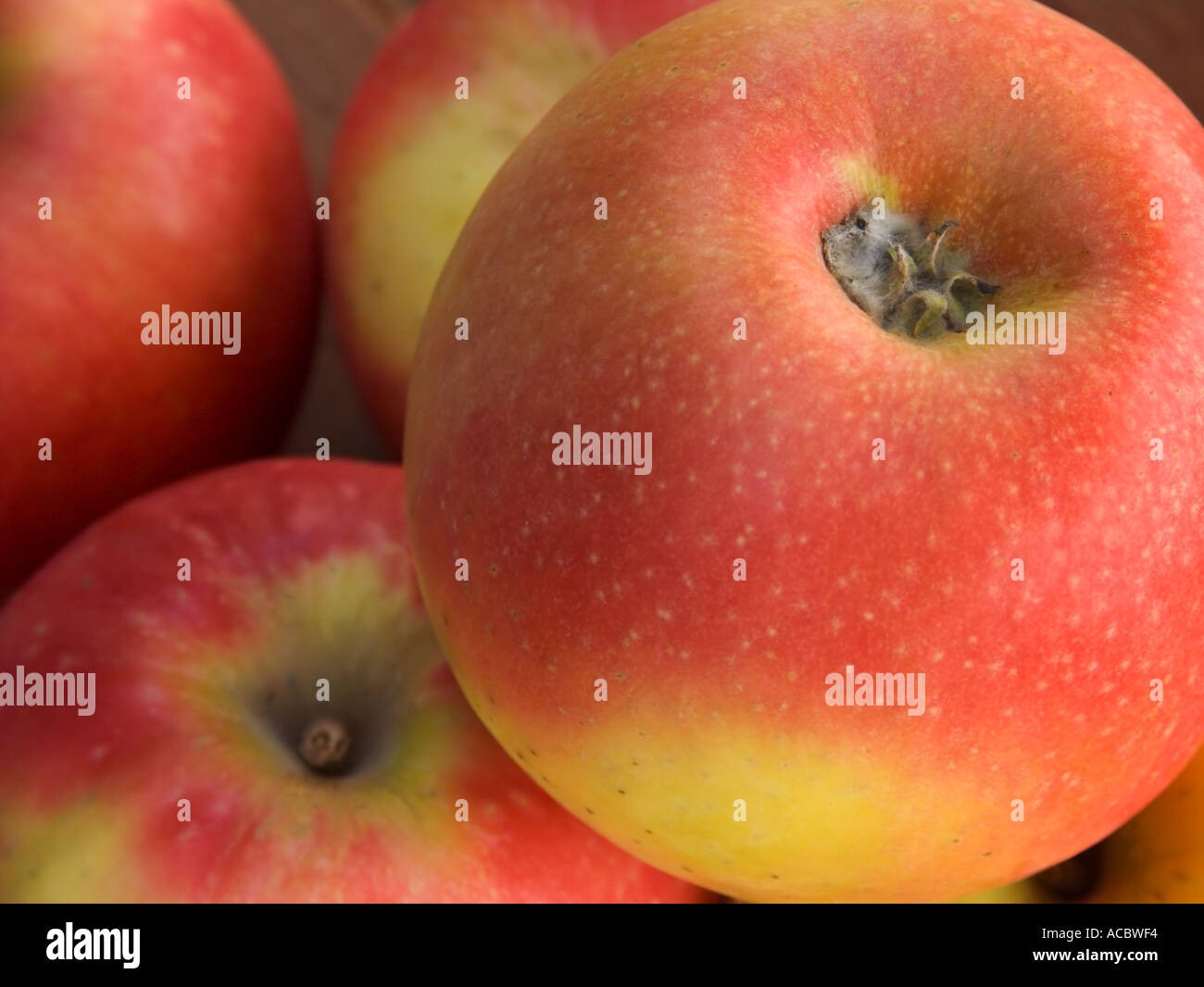
| Skin Characteristics | Mottled red-orange over yellow background | Vibrant fluorescent pink blush over greenish-yellow |
| Storage Longevity | Moderate (prone to internal breakdown over time) | Exceptional (retains firmness for months) |
| Browning Resistance | Moderate browning rate upon slicing | Slower browning rate compared to Honeycrisp |
Culinary Applications: Baking, Slicing, and Sauce Making
Kitchen performance separates these two apples when subjected to thermal processing and slicing for preservation.
Fresh Eating and Charcuterie Boards
Both varieties excel in raw preparations, but they serve different aesthetic and functional roles. Sliced Honeycrisp provides maximum juiciness for salads and cheese pairings, though its rapid oxidation requires an acid wash (such as lemon juice) to maintain visual appeal. Pink Lady slices resist browning slightly better due to denser flesh and higher acidity, while their vibrant pink skin adds visual contrast to fruit platters.
Baking and Thermal Stability
When evaluated for pies, tarts, and crisps, their structural differences become critical:
- Honeycrisp in Baking: Honeycrisp tends to break down and soften significantly under high heat. While it yields a tender filling, it can easily turn mushy if over-baked, making it less ideal for traditional pies unless blended with firmer cooking apples like Granny Smith.
- Pink Lady in Baking: Pink Lady maintains its structural integrity remarkably well during baking. The dense cell walls prevent the slices from collapsing into mush, allowing them to hold a distinct shape and pleasant firmness within pies and baked tarts while balancing added sugars with its natural acidity.
Advantages and Disadvantages
Evaluating the practical realities of purchasing and storing these cultivars highlights distinct trade-offs for consumers and culinary professionals.
Honeycrisp Pros and Cons
- Pros: Unmatched juiciness, delicate tender-crisp texture, universal appeal for fresh snacking, and wide availability.
- Cons: Premium price point, highly susceptible to bruising during transit, shorter shelf life, and tendency to become mealy if stored past peak ripeness.
Pink Lady Pros and Cons
- Pros: Exceptional storage life, vibrant sweet-tart complexity, excellent performance in baking without losing shape, and superior resistance to bruising.
- Cons: Sharper acidity can be too intense for sensitive palates, tougher skin texture, and availability can fluctuate seasonally depending on import cycles from the Southern Hemisphere.
Step-by-Step Guide to Selecting and Storing Premium Apples
Maximizing the culinary potential of either variety requires proper selection at the market and disciplined post-purchase storage management.
- Evaluate Physical Weight: Pick up the apple and assess its heft. A heavier apple indicates higher water content and firmer, fresher cells rather than a mealy, dehydrated interior.
- Inspect Skin Integrity and Color: For Honeycrisp, look for a mottled red finish over a creamy yellow background, avoiding dull or uniformly green specimens. For Pink Lady, seek a deep, vibrant pink blush; avoid completely green apples, which indicate premature harvesting and a lack of proper sugar development.
- Check Stem and Calyx: Ensure the stem is intact and firmly attached, and check that the basin at the base of the fruit shows no signs of fungal decay or water-core breakdown.
- Optimize Refrigeration Storage: Store both varieties in the crisper drawer of a refrigerator set between 32°F and 35°F (0°C to 1.5°C) with high humidity. Keep apples away from ethylene-sensitive vegetables, as apples naturally release ethylene gas that accelerates ripening and decay in surrounding produce.
- Inspect Weekly: Sort through stored apples regularly. Remove any bruised or softening fruit immediately to prevent ethylene cross-contamination from spoiling the entire batch.
Frequently Asked Questions
Are Pink Lady and Honeycrisp apples related?
No, they share no direct lineage or parent varieties. Honeycrisp descends from northern cold-hardy breeding programs in the United States, while Pink Lady originates from warm-climate Australian breeding lines involving Golden Delicious and Lady Williams.
Which apple lasts longer in storage?
Pink Lady apples generally maintain their structural firmness and crisp texture much longer than Honeycrisp apples. While Honeycrisp can develop internal breakdown or mealy textures after extended cold storage, Pink Lady retains its crisp bite and vibrant flavor profile for months.
Can Pink Lady apples substitute for Honeycrisp in recipes?
Yes, though you may need to adjust added sugars. Because Pink Lady possesses a higher acid content than Honeycrisp, recipes utilizing baked Pink Ladies might require slightly more sweetener to balance the tartness.
Do both varieties taste equally sweet?
No, Honeycrisp offers a milder, sweeter, and more neutral flavor profile, whereas Pink Lady delivers a sharper, more complex sweet-tart punch characterized by pronounced acidity.
Which apple is better for baking pies?
Pink Lady is generally superior for baking because its dense cellular structure prevents it from collapsing into mush under heat, allowing the slices to retain their shape and texture inside a pie crust.
Expert Selection and Purchasing Recommendations
When navigating the produce department, align your purchase with your immediate culinary goals. Choose Honeycrisp when prioritizing maximum juiciness for fresh eating, snacking, and immediate consumption. Select Pink Lady when you require long storage life, excellent resistance to bruising, and a vibrant sweet-tart flavor profile that performs exceptionally well in both fresh salads and baked pastries. Inspect each fruit for firmness and vibrant skin coloration to guarantee optimal quality and crunch.
Image Gallery