Understanding the Citi Double Cash Foreign Transaction Fee
The Citi Double Cash® Card charges a 3% foreign transaction fee on every purchase made outside the United States or processed through a foreign bank. While the card is highly regarded for its 2% cash-back rate (1% when you buy, plus 1%...
The Citi Double Cash® Card charges a 3% foreign transaction fee on every purchase made outside the United States or processed through a foreign bank. While the card is highly regarded for its 2% cash-back rate (1% when you buy, plus 1% as you pay), this fee effectively negates your rewards and adds an extra cost to international spending.
Contents
For many cardholders, the Citi Double Cash® Card is a "staple" in their wallet, often serving as the primary tool for domestic daily expenses. Its simplicity—earning a flat rate on everything—is its greatest strength. However, that simplicity hits a significant hurdle once you cross international borders or shop on websites based outside the U.S. In 2026, as global e-commerce and international travel remain central to many lifestyles, understanding the specific mechanics of this 3% surcharge is essential for maximizing your financial efficiency.
What Exactly Is the Citi Double Cash Foreign Transaction Fee?
A foreign transaction fee (FX fee) is a surcharge imposed by a credit card issuer on transactions that occur outside the country of the card's origin. For the Citi Double Cash® Card, this fee is currently set at 3% of the transaction amount after it has been converted into U.S. dollars.
This fee is not unique to Citi; many "entry-level" or "no-annual-fee" cash-back cards implement similar charges. However, because the Double Cash card is marketed as a high-value rewards tool, the 3% fee creates a mathematical deficit for the user. When you earn 2% back but pay a 3% fee, you are effectively paying a 1% premium to use your card abroad, rather than earning a reward.
The fee is typically broken down into two components behind the scenes:
- Network Fee: Mastercard (the network for the Double Cash card) charges a small percentage (usually around 1%) to handle the currency conversion.
- Issuer Surcharge: Citi adds an additional percentage to cover the administrative costs and risks associated with international processing.
On your billing statement, these are usually bundled into a single line item labeled "Foreign Transaction Fee" or included in the adjusted total of the transaction itself.
How the 3% Fee Impacts Your Purchases
To understand the real-world impact, it is helpful to look at the math behind a typical international purchase. Because the Citi Double Cash card earns rewards in two stages, the timing of your "net loss" can be confusing.
Imagine you are on vacation in London and spend the equivalent of $1,000 USD on a hotel stay.
- Initial Transaction: $1,000.
- Foreign Transaction Fee (3%): $30.00.
- Total Charged to Statement: $1,030.00.
- Rewards Earned (Stage 1 - Purchase): $10.00 (1% of $1,000).
- Rewards Earned (Stage 2 - Payment): $10.00 (1% of $1,000 as you pay the bill).
- Total Rewards: $20.00.
- Net Cost to You: $10.00 ($30 fee minus $20 rewards).
In this scenario, you haven't earned cash back; you have paid Citi $10 for the privilege of using the card for that hotel stay. If you had used a card with no foreign transaction fees, you would have kept that $20 in rewards and avoided the $30 fee entirely, representing a $50 swing in value on a single $1,000 purchase.
When Does the Fee Apply? (It’s Not Just for Travel)
A common misconception is that the foreign transaction fee only applies when you are physically standing on foreign soil. In the modern digital economy, many "domestic" transactions are actually processed internationally.
1. Physical Travel Abroad
Any purchase made at a brick-and-mortar merchant outside the 50 United States, the District of Columbia, and Puerto Rico will trigger the 3% fee. This includes restaurants, hotels, and local transport.
2. Online International Merchants
If you buy products from a website based in the United Kingdom, China, or Canada, the transaction may be processed by a foreign bank. Even if the website displays prices in U.S. Dollars (USD), Citi may still apply the 3% fee if the merchant's acquiring bank is located outside the U.S.
3. Services with Foreign Headquarters
Some digital services, such as specialized software subscriptions or international airline tickets booked through the carrier’s primary site, may process payments in their home country. Always check the "terms of sale" or the location of the company's payment processor if you are unsure.
Comparison: Citi Double Cash vs. Competitor Cards
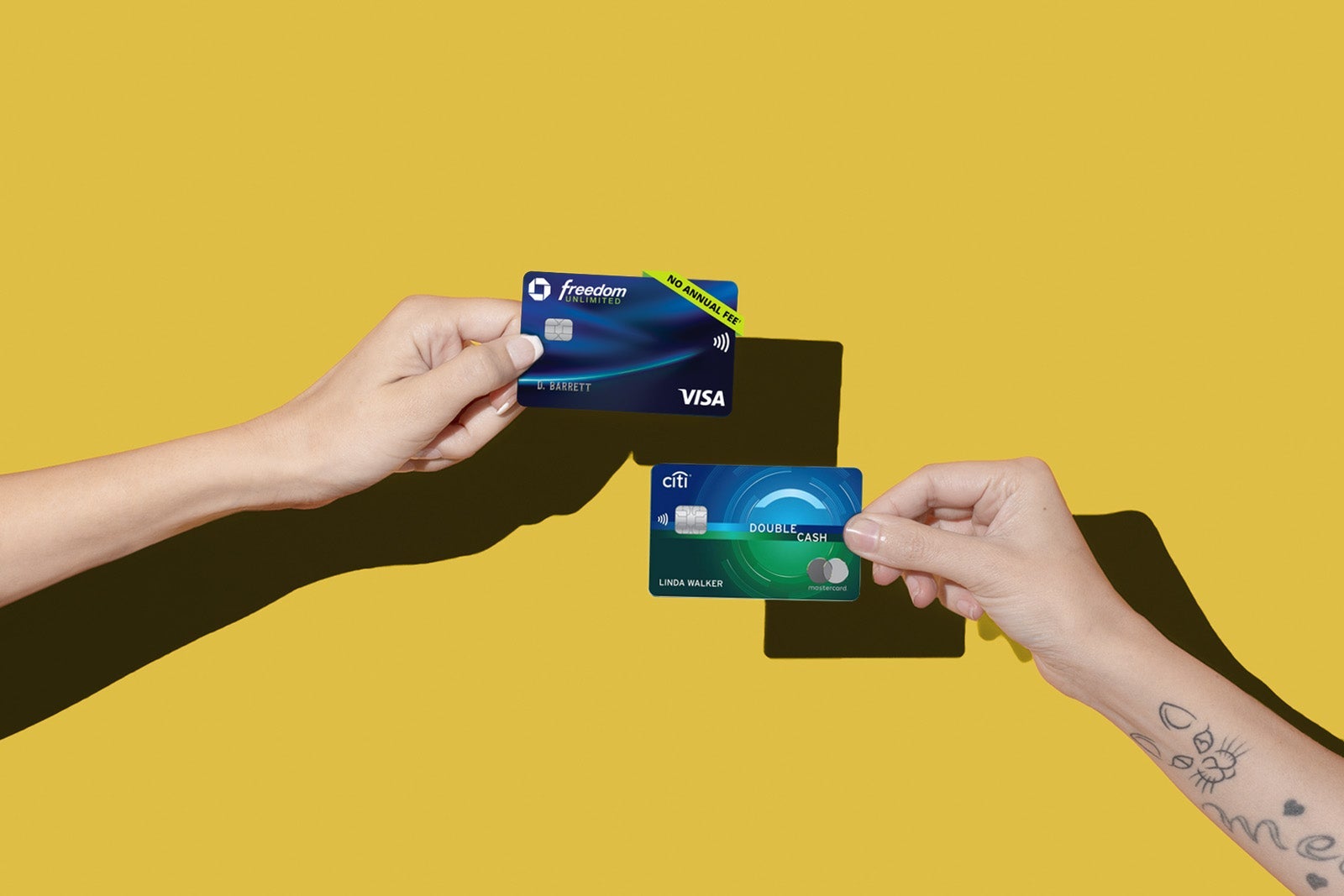
When choosing which card to use for international expenses, it is vital to compare the Citi Double Cash against other popular options in the 2026 market.
| Card Name | Foreign Transaction Fee | Rewards Rate | Annual Fee |
|---|---|---|---|
| Citi Double Cash® | 3% | 2% (1% + 1%) | $0 |
| Capital One Quicksilver | 0% | 1.5% | $0 |
| Wells Fargo Autograph | 0% | 3x points on travel/dining | $0 |
| Citi Premier® Card | 0% | 3x points on various categories | $95 |
| Chase Sapphire Preferred® | 0% | 2x points on travel | $95 |
| Bank of America® Travel Rewards | 0% | 1.5 points per $1 | $0 |
As shown in the table, the Citi Double Cash is one of the few high-tier cash-back cards that maintains the 3% fee. This is a strategic trade-off: Citi offers one of the highest flat-rate rewards for domestic use in exchange for charging fees on international usage.
The Trap of Dynamic Currency Conversion (DCC)
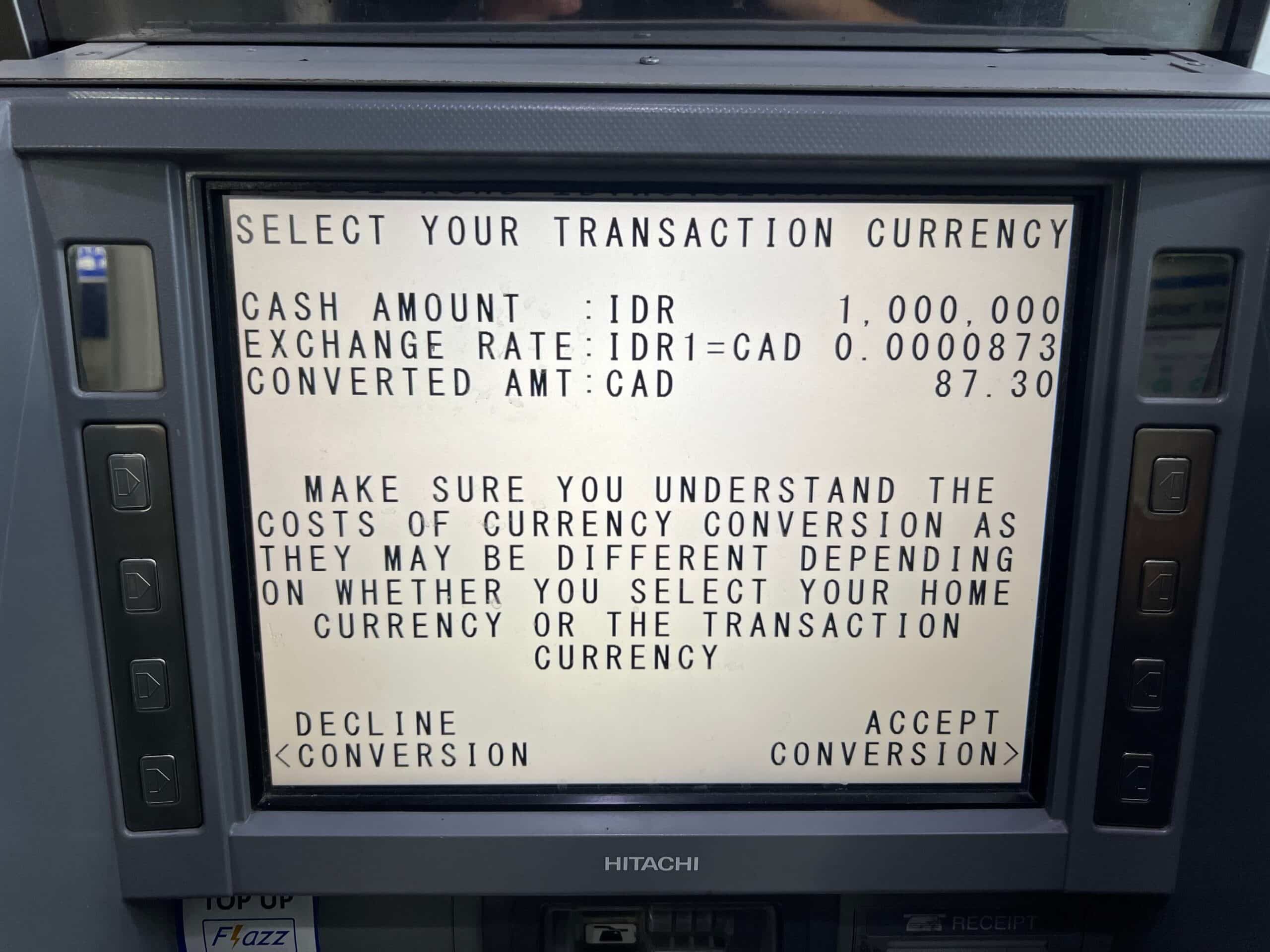
When using your Citi Double Cash card abroad, you may encounter a "courtesy" offered by a merchant: the option to pay in U.S. Dollars instead of the local currency. This is known as Dynamic Currency Conversion (DCC).
While it might seem helpful to see the exact dollar amount on the keypad, DCC is almost always a bad deal.
- Poor Exchange Rates: The merchant or their processor sets the exchange rate for DCC, and it is consistently worse than the official Mastercard rate.
- The Double Charge: Even if you choose to pay in USD via DCC, the transaction is still considered "foreign" because it is processed by a foreign bank. Citi will still charge you the 3% foreign transaction fee on top of the merchant's inflated exchange rate.
To minimize costs, always choose to pay in the local currency (e.g., Euros, Yen, or Pounds). This ensures you get the competitive Mastercard conversion rate, even though you will still be subject to the 3% Citi fee.
Why Does Citi Charge This Fee?
From an institutional perspective, the foreign transaction fee serves two purposes. First, it covers the cost of currency fluctuation. When a transaction is made in a foreign currency, the bank takes on a small amount of risk between the time the transaction is authorized and the time it is settled.
Second, it is a matter of product segmentation. Citi offers other cards, such as the Citi Premier® Card or the Costco Anywhere Visa® Card by Citi, which do not have foreign transaction fees. By keeping the fee on the Double Cash card, Citi encourages frequent travelers to move toward their travel-centric or premium card products, many of which carry an annual fee.
Expert Strategies for Citi Cardholders
If the Citi Double Cash is your primary card, you don't necessarily need to cancel it. Instead, you should adopt a "dual-card strategy" for 2026.
- Domestic Use: Continue using the Citi Double Cash for all U.S.-based purchases to maximize your 2% cash back.
- International/Online Foreign Use: Apply for a secondary card that specifically advertises No Foreign Transaction Fees. Many no-annual-fee cards from issuers like Capital One or Discover offer this feature.
- Use Digital Wallets: While Apple Pay and Google Pay make transactions easier, they do not bypass the foreign transaction fee. If your Citi Double Cash is the underlying card in your digital wallet, the 3% fee still applies to international taps.
Frequently Asked Questions
Does the Citi Double Cash ever waive the foreign transaction fee?
No. Unlike some premium cards that might waive fees during promotional periods, the 3% foreign transaction fee is a standard part of the Citi Double Cash Cardmember Agreement. It is not something that can be waived by calling customer service after a purchase has been made.
Is the fee 3% of the local currency or 3% of the USD amount?
The fee is calculated as 3% of the U.S. Dollar amount after the currency has been converted by Mastercard. For example, if you spend 100 Euros and Mastercard converts that to $110 USD, the 3% fee is calculated based on the $110.
What happens to the fee if I return a foreign purchase?
If you return an item purchased abroad, you will typically get the original purchase price (in the foreign currency) refunded. However, the foreign transaction fee is often non-refundable. Furthermore, because exchange rates fluctuate daily, the USD value of your refund might be slightly different from the USD value of the original charge.
Does the fee apply to purchases in U.S. territories?
Generally, transactions made in Puerto Rico, the U.S. Virgin Islands, Guam, and the Northern Mariana Islands are not considered foreign transactions for U.S.-based Citi cards. However, it is always wise to monitor your statement for any "unintended" fees when traveling to these regions.
Can I see the foreign transaction fee before I pay my bill?
Yes. Most Citi cardholders using the mobile app or online portal in 2026 can see "Pending" transactions. While the pending amount might only show the base conversion, the final posted transaction will include the 3% surcharge as a separate line item or an adjusted total.
Practical Recommendation
If you are planning a trip outside the United States or frequently shop on international websites, do not use the Citi Double Cash Card as your primary payment method for those specific expenses. The 3% fee is a high price to pay for a card that only gives you 2% back. Instead, keep the Double Cash for your domestic "catch-all" spending and carry a dedicated travel card with 0% foreign transaction fees to handle your global needs. This ensures that every dollar (or Euro) you spend actually contributes to your rewards balance rather than being eroded by avoidable fees.
Image Gallery