Identifying the Best PCOS Hair Removal Cream: Efficacy, Safety, and Skin Health Considerations
Managing excess hair growth, clinically referred to as hirsutism, is a common challenge for those living with Polycystic Ovary Syndrome (PCOS). While hormonal management is the primary long-term strategy, many individuals seek immediat...
Managing excess hair growth, clinically referred to as hirsutism, is a common challenge for those living with Polycystic Ovary Syndrome (PCOS). While hormonal management is the primary long-term strategy, many individuals seek immediate, topical solutions. Chemical depilatory creams offer a non-invasive, accessible method for hair removal, though their suitability depends on individual skin sensitivity and the specific physiological nature of PCOS-related hair growth.
Contents
Understanding Hirsutism in the Context of PCOS
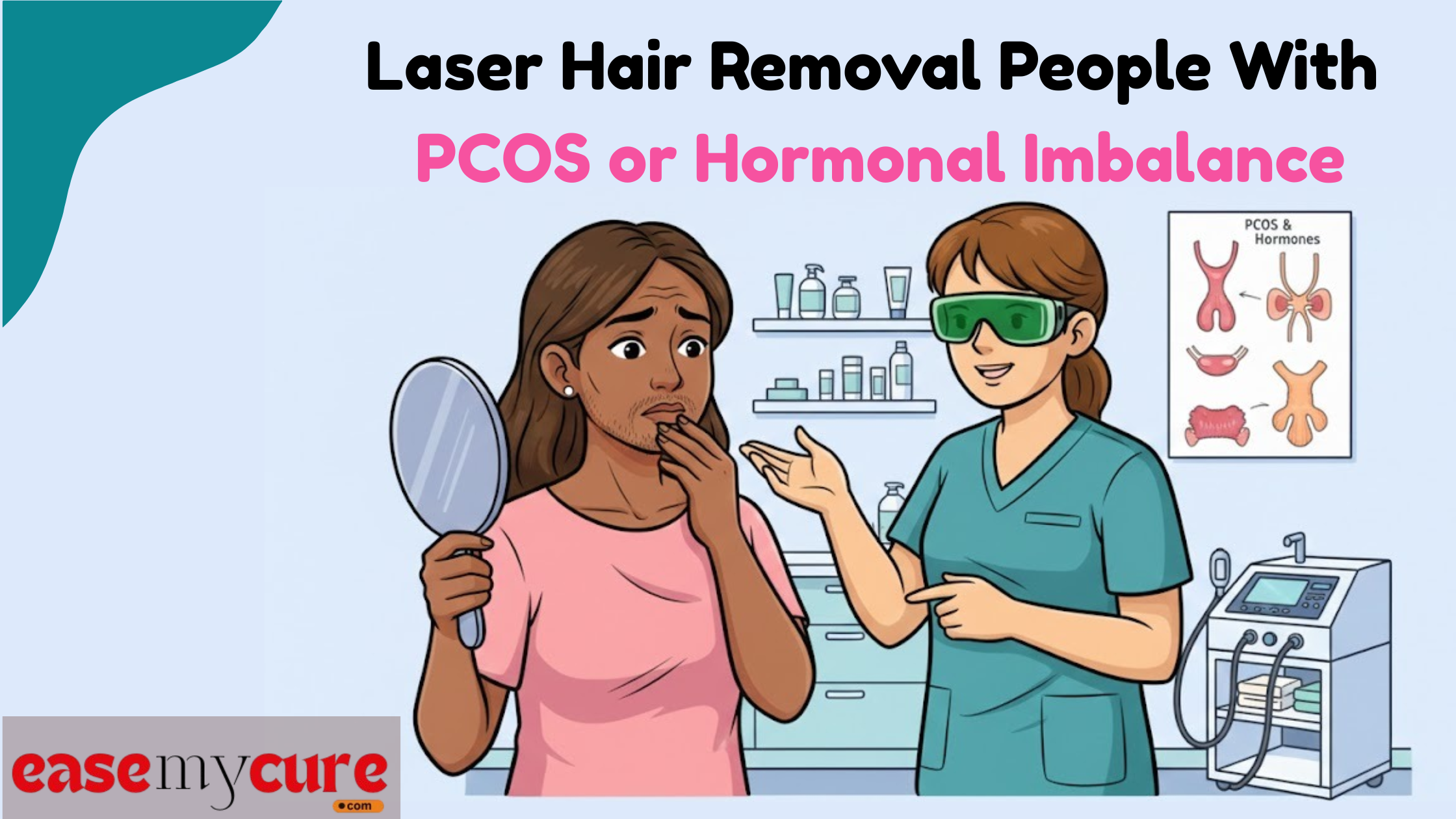
PCOS often results in elevated levels of androgens—hormones that contribute to the development of coarse, dark hair in areas typically associated with male-pattern growth, such as the face, chest, and back. Unlike vellus hair (peach fuzz), androgen-stimulated hair is thicker and possesses a deeper root structure.
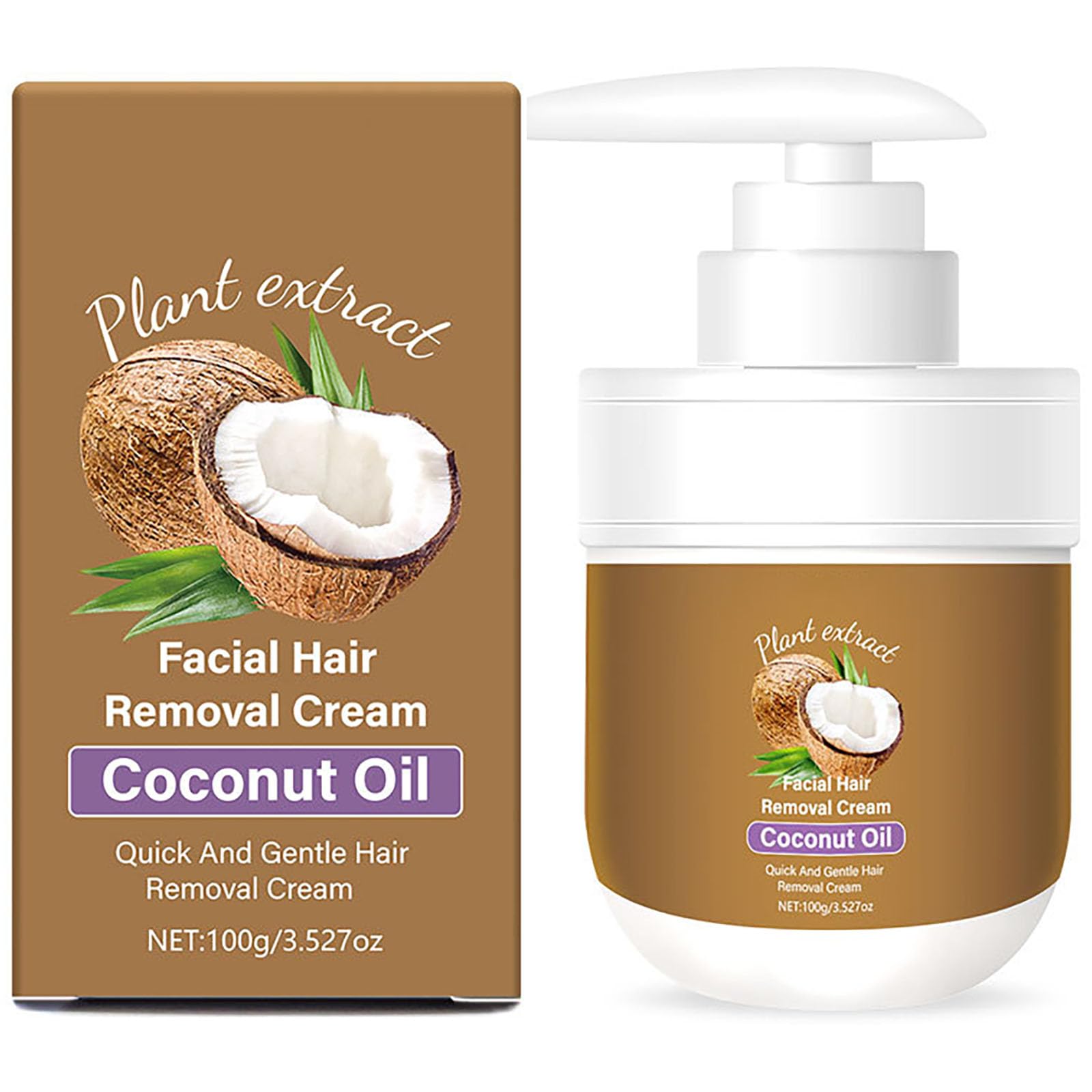
When searching for the best hair removal cream for PCOS, it is critical to recognize that these products do not alter hormonal imbalances. They function by chemically breaking down the keratin protein structure of the hair shaft, allowing the hair to be wiped away from the skin’s surface. Because PCOS hair is often denser and more resilient, selecting a formula that balances chemical strength with skin-soothing ingredients is essential to prevent irritation, especially on sensitive facial skin.
Evaluating Topical Depilatory Options
Not all hair removal creams are created equal. For those with PCOS, the "best" product is usually defined by a balance between speed, effectiveness on coarse hair, and the presence of humectants or soothing agents like aloe vera, vitamin E, or shea butter.
Criteria for Selection
- Formulation Depth: Look for creams explicitly labeled for facial use or for sensitive skin. Facial-grade formulas are generally pH-balanced to minimize the risk of chemical burns on delicate tissues.
- Ingredient Safety: Avoid products with high concentrations of aggressive fragrances or alcohols, which can exacerbate the dryness often associated with hormonal fluctuations in PCOS patients.
- Patch Testing: Because PCOS can influence skin barrier health and increase sensitivity, a 24-hour patch test is non-negotiable.
- Processing Time: Products that act quickly are generally preferable to minimize the duration of contact between the chemical agents and the skin.
Comparison of Hair Removal Approaches
While depilatory creams are popular, they should be weighed against alternative methods commonly used by individuals with PCOS.
| Method | Mechanism | Typical Duration | Suitability for PCOS |
|---|---|---|---|
| Depilatory Cream | Chemical dissolution | 3–7 days | High (easy access/DIY) |
| Shaving | Mechanical cutting | 1–3 days | Moderate (risk of ingrowns) |
| Waxing | Physical extraction | 2–4 weeks | Low (can cause follicular irritation) |
| Laser/IPL | Light-based reduction | Semi-permanent | High (targets follicle directly) |
Practical Guidance for Application and Skin Protection
To achieve the best results with depilatory creams, proper preparation and aftercare are vital. The skin must be clean and free of heavy oils or makeup before application.
- Preparation: Gently cleanse the area with lukewarm water. Pat dry—do not rub—to avoid creating micro-tears in the skin that could sting upon contact with the cream.
- Application: Apply a uniform, thick layer over the targeted area. Do not massage the product into the skin; simply cover the hair.
- Timing: Use a timer. Exceeding the manufacturer’s recommended duration—even by one or two minutes—significantly increases the risk of chemical dermatitis.
- Removal: Use a damp, soft cloth or a spatula to remove the cream in a circular motion. Rinse the area thoroughly with cool water to ensure all chemical residue is neutralized.
- Post-Treatment: Apply a fragrance-free, hypoallergenic moisturizer immediately after drying the skin to restore the natural moisture barrier.
Addressing Common Complications
Because PCOS often involves insulin resistance, some individuals experience higher levels of skin inflammation or slow-healing skin. If you notice persistent redness, burning, or a rash, discontinue use immediately. Do not apply depilatory creams over broken skin, sunburns, or areas affected by active acne—a common skin condition associated with PCOS.
For those finding that hair grows back with increased coarseness or that topical creams are causing frequent irritation, consult a dermatologist or endocrinologist. They may discuss prescription-strength topical eflornithine hydrochloride cream. Unlike over-the-counter depilatories, this medication is designed to slow the growth rate of facial hair by inhibiting an enzyme in the hair follicle, making it a targeted medical intervention for PCOS-related hirsutism.
Frequently Asked Questions
Are depilatory creams safe for daily use on the face? Most manufacturers advise against daily use. Frequent application can disrupt the skin's lipid barrier, leading to chronic redness and sensitivity. Use them only as directed, typically once or twice a week, to allow the skin time to recover.
Do these creams cause hair to grow back thicker? No. This is a common misconception. Hair removal creams remove hair at the surface, leaving a blunt tip. As the hair regrows, this blunt edge may feel coarser than the natural, tapered end of an un-shaved hair, creating the illusion of thicker growth.
Can I use the same cream for my legs and my face? It is generally not recommended. Formulas designed for legs are often too harsh for the delicate, thinner skin of the face. Always choose a product specifically formulated for the area you intend to treat.
How long should I wait between hair removal sessions? Wait at least 48 to 72 hours between sessions to prevent irritation. If you have active breakouts or sensitive skin, wait until the skin is fully healed before applying any chemical treatment.
Does insurance cover prescription hair reduction? Some insurance plans may cover FDA-approved treatments for hirsutism if deemed medically necessary by a specialist. Consult your healthcare provider and verify your specific plan’s coverage for dermatological procedures or prescriptions.
Final Recommendation
When navigating the best options for PCOS-related hair removal, prioritize your skin’s health by starting with sensitive-skin-specific depilatories and maintaining a strict patching and testing protocol. If over-the-counter creams prove ineffective or cause irritation, pivot to professional consultations to explore FDA-approved medical alternatives like eflornithine, which address the biological cycle of hair growth rather than just the surface-level result.
Image Gallery