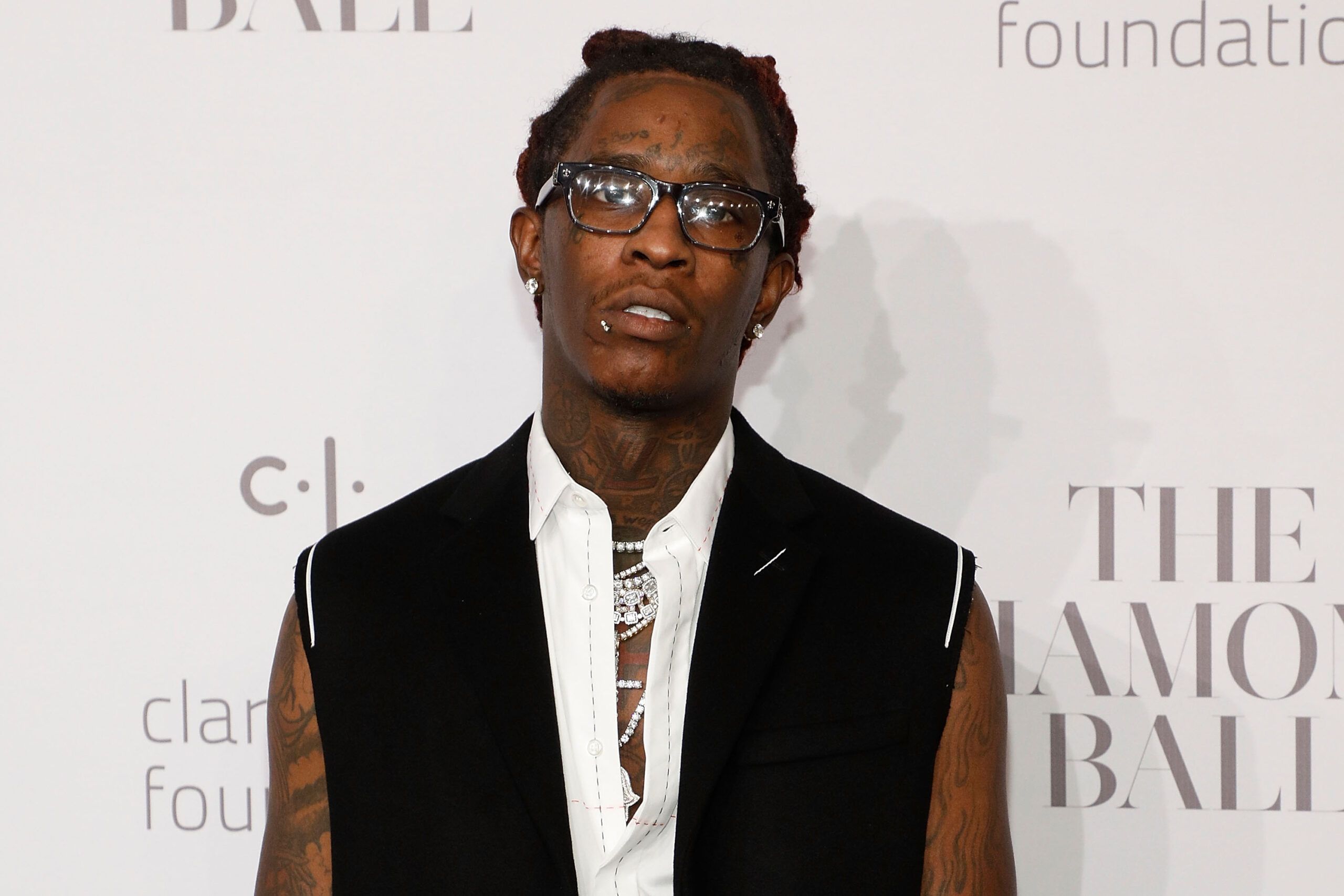
Does Young Thug Own YSL Records? A Look into the Corporate Structure of Young Stoner Life
Young Thug, born Jeffery Lamar Williams, founded the record label Young Stoner Life (YSL) in 2016, functioning as its founder and principal executive. While he remains the face and primary catalyst of the label, YSL operates as an impr...
Young Thug, born Jeffery Lamar Williams, founded the record label Young Stoner Life (YSL) in 2016, functioning as its founder and principal executive. While he remains the face and primary catalyst of the label, YSL operates as an imprint under the umbrella of 300 Entertainment, meaning Thug holds a leadership and ownership stake within the label's corporate structure rather than total independent autonomy over every global distribution asset.
Contents
The Origins and Corporate Identity of YSL Records
To understand the ownership dynamics of YSL, it is necessary to distinguish between the brand and the legal distribution entity. Young Thug launched YSL Records as a subsidiary imprint. In the music industry, an "imprint" is a brand name under which records are released, but which is typically managed and distributed by a larger parent company. In this case, that parent company is 300 Entertainment.
When Young Thug established YSL, his goal was to create a platform for artists who shared his creative vision. The label became a cornerstone of the Atlanta hip-hop scene, signing notable acts such as Gunna, Lil Keed, and Yak Gotti. From a corporate standpoint, Young Thug acts as the label’s visionary leader. His ownership interest is rooted in his position as the founder and his contractual relationship with 300 Entertainment, which handles the logistical and financial heavy lifting—such as marketing, global distribution, and radio promotion—that an independent startup would struggle to manage alone.
The Role of 300 Entertainment
300 Entertainment, founded by industry veterans including Lyor Cohen, Kevin Liles, and Todd Moscowitz, serves as the primary distributor and corporate backer for YSL. This partnership model is common in modern music; it allows the artist to focus on A&R (Artists and Repertoire) and creative development while leveraging the institutional infrastructure of a major label distributor. Consequently, YSL is not a standalone, self-distributed corporation in the same way an entirely independent label (like one self-funded by an artist without a distributor) would be.
Ownership vs. Leadership: Clarifying Executive Roles
In public discourse, there is often confusion regarding what it means for an artist to "own" a label. Ownership can take several forms: full equity, a joint venture partnership, or an executive salary-plus-royalty deal. Young Thug’s involvement in YSL is widely categorized as a joint venture and executive leadership role.
As the founder, Young Thug holds significant influence over the label’s roster and sonic direction. His signature is required for major signings, and he is deeply involved in the collaborative process of projects like the Slime Language series. However, he is not the sole owner in a vacuum. The legal and financial obligations of the label are shared with the parent entity, 300 Entertainment. This means that while Thug has a vested interest in the label’s profitability and the success of its artists, the "ownership" is structured through a contract that governs how profits are split between the artist-founder and the corporate partners.
Table: Structure of YSL Records and Related Entities
| Component | Nature of Involvement |
|---|---|
| Founder | Young Thug (Jeffery Lamar Williams) |
| Parent/Distributor | 300 Entertainment |
| Operational Focus | A&R, Artist Development, Music Production |
| Financial Logistics | Marketing, Global Distribution, Legal/Admin |
| Corporate Status | Imprint / Joint Venture |
The Evolution of the YSL Brand
Since its inception in 2016, YSL has evolved from a local Atlanta collective into a nationally recognized powerhouse. The "YSL" name is used in two primary ways: as a record label (Young Stoner Life Records) and as a fashion/lifestyle brand. The duality of this branding is intentional and reinforces the idea that the label is an extension of Young Thug’s personal identity.
Throughout the 2020s, the label cemented its legacy through the success of Slime Language 2, which debuted at the top of the Billboard 200. This milestone underscored the strength of the label’s "squad" mentality, where Thug leveraged his own star power to catapult his signees into the mainstream. The label’s growth demonstrated that even if Thug does not hold 100% of the equity in every aspect of the company, his leadership was the primary driver of its valuation and market presence.
Legal and Contractual Complexities
The music industry is notorious for complex contract law, and YSL is no exception. Because the label is a subsidiary, the legal protections and obligations are divided. Artists signed to YSL enter into agreements that typically involve both the imprint (YSL) and the parent distributor (300 Entertainment).
For the reader interested in the business side of hip-hop, it is essential to understand that "owning" a label rarely means the individual controls the underlying mechanical licenses or the master recordings in perpetuity without corporate input. Most high-profile artist-led labels are structured as joint ventures where the artist-founder trades a portion of total control for the resources required to scale an artist's career globally. This is not a sign of limited power, but rather a standard operational strategy used by successful music moguls to mitigate risk.
Frequently Asked Questions
Is YSL Records an independent label?
No, YSL Records is not an independent label. It is an imprint that operates as a joint venture with 300 Entertainment. While Young Thug leads the label creatively, it relies on the infrastructure of 300 Entertainment for distribution, legal support, and large-scale operations.
Did Young Thug start YSL by himself?
Young Thug is the primary founder and the face of the label. The creation of the label was part of his transition from a recording artist into an executive role, allowing him to curate a roster of talent that fit the specific aesthetic and sound he pioneered.
What is the relationship between YSL and 300 Entertainment?
300 Entertainment acts as the parent distributor for YSL. They provide the logistical framework—such as funding, marketing, and radio promotion—that allows YSL to operate on a commercial scale. In return, the two entities share in the profits generated by the music released under the YSL brand.
Does Young Thug make money from the artists signed to YSL?
Yes, as the label head, Young Thug participates in the financial success of the artists signed to YSL. This is standard in the music industry; label executives receive a share of the revenue generated by their signees in exchange for the investment, guidance, and industry connections provided by the label.
Recommendations for Further Industry Analysis
For those interested in the intricacies of how record labels function, researching "Joint Venture Agreements in the Music Industry" can provide deeper context on the legal frameworks used by artists like Young Thug. Understanding the distinction between an imprint and a standalone label is crucial for anyone analyzing the business side of modern hip-hop.
If you are looking to track the growth of YSL or similar entities, the best practice is to monitor official press releases from 300 Entertainment or industry databases that track copyright and label registrations. As of 2026, YSL remains an active, significant force in the industry, reflecting the enduring legacy of the creative ecosystem Young Thug built.
Image Gallery