Colin Hay Height: Physical Stature, Personal Background, and Artistic Legacy
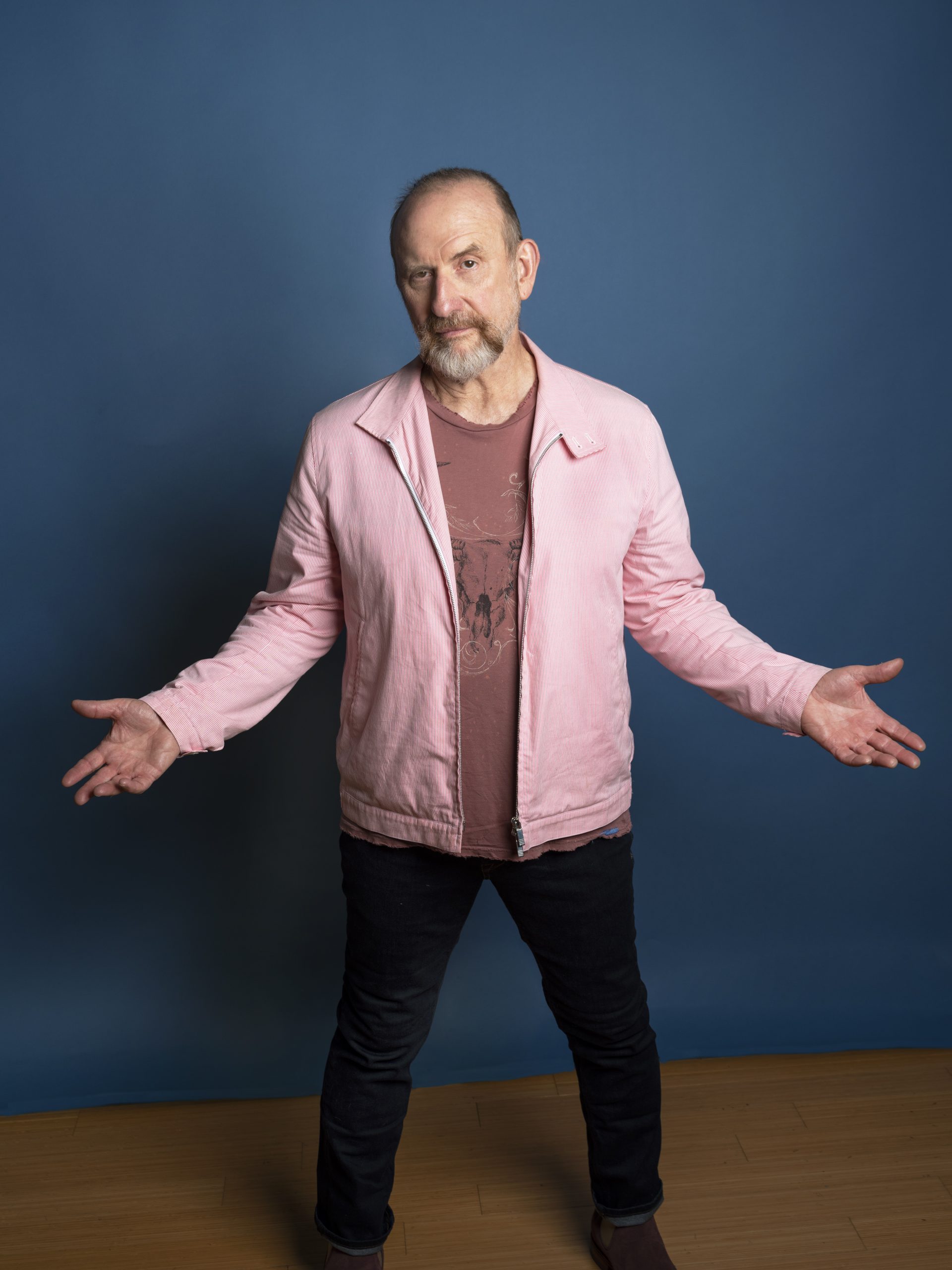
Colin Hay stands approximately 5 feet 10 inches tall (about 178 cm). Best known as the distinctive Scottish-Australian frontman of the iconic 1980s new wave band Men at Work, Hay's physical presence on stage has always been secondary t...
Colin Hay stands approximately 5 feet 10 inches tall (about 178 cm). Best known as the distinctive Scottish-Australian frontman of the iconic 1980s new wave band Men at Work, Hay's physical presence on stage has always been secondary to his towering vocal range, acoustic guitar mastery, and sharp, self-deprecating wit. While celebrity measurements frequently attract public curiosity, understanding the man behind classic anthems like "Down Under" and "Who Can It Be Now?" requires looking past physical statistics to examine his enduring impact on contemporary music, his enduring touring career, and his multifaceted artistic evolution.
Contents
Physical Stature and Public Persona in Rock History
In the landscape of rock and roll, a performer's physical dimensions rarely dictate their commercial success or cultural footprint, yet fans often display a persistent fascination with details like height, weight, and background. Colin Hay’s height of 5 feet 10 inches places him right around the average stature for adult males. During the height of Men at Work's global dominance in the early 1980s, Hay cut a lean, energetic figure under the stage lights, often outfitted in the minimalist, casual attire typical of the era's post-punk and new wave movements.
Unlike rock frontmen who rely on towering physical intimidation or theatrical pyrotechnics, Hay’s stage presence has always relied on intimacy, storytelling, and an unmistakable vocal timbre. His stature allowed him to move fluidly across stages of all sizes, from intimate folk listening rooms to massive outdoor festival grounds. Over decades of touring, his physical presentation has evolved naturally, transitioning from the youthful, sharp-featured pop star of the 1980s to a distinguished, silver-haired troubadour whose engaging stage banter remains a hallmark of his live performances.
Early Life, Migration, and Musical Roots
To understand Colin Hay, one must examine his formative years, which deeply shaped his artistic identity. Born on December 29, 1953, in Saltcoats, Scotland, Hay spent his early childhood immersed in a musical environment. His parents ran a music shop, exposing him to a diverse array of instruments, records, and musical styles from a very young age. This foundational exposure instilled in him a deep appreciation for melody, lyricism, and the acoustic guitar, which would eventually become his primary songwriting tool.
In 1967, when Hay was fourteen years old, his family made a life-altering decision to emigrate from Scotland to Melbourne, Australia. This cultural displacement—moving from a tight-knit Scottish coastal town to the sprawling suburbs of Melbourne—provided a rich well of emotional themes that would later surface in his songwriting. Navigating two distinct cultures gave Hay a unique perspective on identity, belonging, and displacement. These themes subtly informed the lyrical undertones of Men at Work's biggest hits, blending sharp social observation with catchy, infectious pop hooks.
The Rise of Men at Work and Global Stardom
Colin Hay’s professional trajectory shifted dramatically in 1979 when he co-founded Men at Work alongside guitarist Ron Strykert. The band quickly built a devoted following in the vibrant Melbourne pub circuit before securing a record deal with CBS Records. Their 1981 debut studio album, Business as Usual, became an international phenomenon, capturing the zeitgeist of early 1980s alternative pop.
Driven by inescapable singles like "Who Can It Be Now?" and "Down Under," Business as Usual made chart history by simultaneously topping the Billboard 200 and the Australian albums chart—a rare feat for an international debut at the time. Hay’s soaring, emotive vocals and distinct phrasing gave the band an instantly recognizable sonic identity.
| Album Title | Release Year | RIAA Certification | Peak Billboard 200 Position |
|---|---|---|---|
| Business as Usual | 1981 | 6× Platinum | 1 |
| Cargo | 1983 | 2× Platinum | 3 |
| Two Hearts | 1985 | Gold | 50 |
Despite achieving multi-platinum success and earning a Grammy Award for Best New Artist in 1983, the intense pressure of global touring and internal creative frictions led to the band's dissolution by 1986. While many artists struggle to find an identity outside their initial blockbuster band, Hay viewed the split as an opportunity to carve out an independent, sustainable musical path.
Solo Career and Artistic Renaissance
Following the breakup of Men at Work, Colin Hay embarked on an extensive solo career that prioritized artistic integrity over commercial pop trends. Operating largely independently, he established his own label, Lazy Eye Records, giving him total creative control over his output. Over the subsequent decades, Hay released a steady stream of critically acclaimed solo albums, including Looking for Jack (1987), Wayfaring Sons (1990), Peaks & Valleys (1992), and Going Somewhere (2000).
His solo work showcased a maturation in his songwriting, shifting away from synth-heavy new wave toward organic folk-rock, alt-country, and intimate acoustic balladry. Critics frequently praised his lyrical depth, which balanced melancholic reflection with characteristic wit. During this period, Hay also forged a close creative partnership with actor and director Zach Braff, who became a prominent champion of Hay's music. Braff featured multiple tracks from Hay's solo catalog—such as "Waiting for My Real Life to Begin" and "I Don't Miss You" (featuring Colin Hay)—in prominent television shows like Scrubs and films like Garden State. This unexpected cultural crossover introduced Hay’s catalog to an entirely new generation of listeners, cementing his status as a respected cult figure and independent artist.
Touring, Collaborations, and Ongoing Legacy
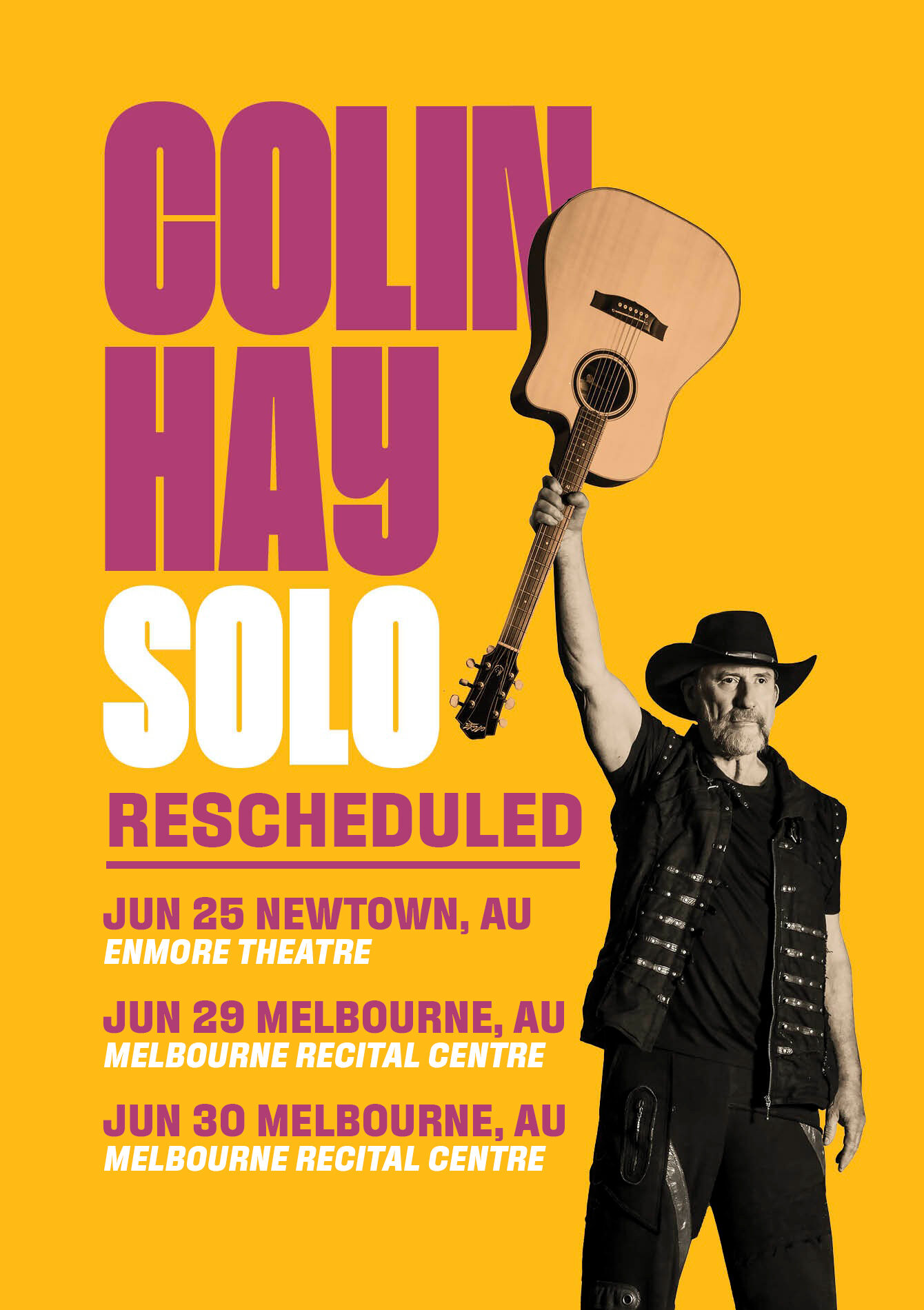
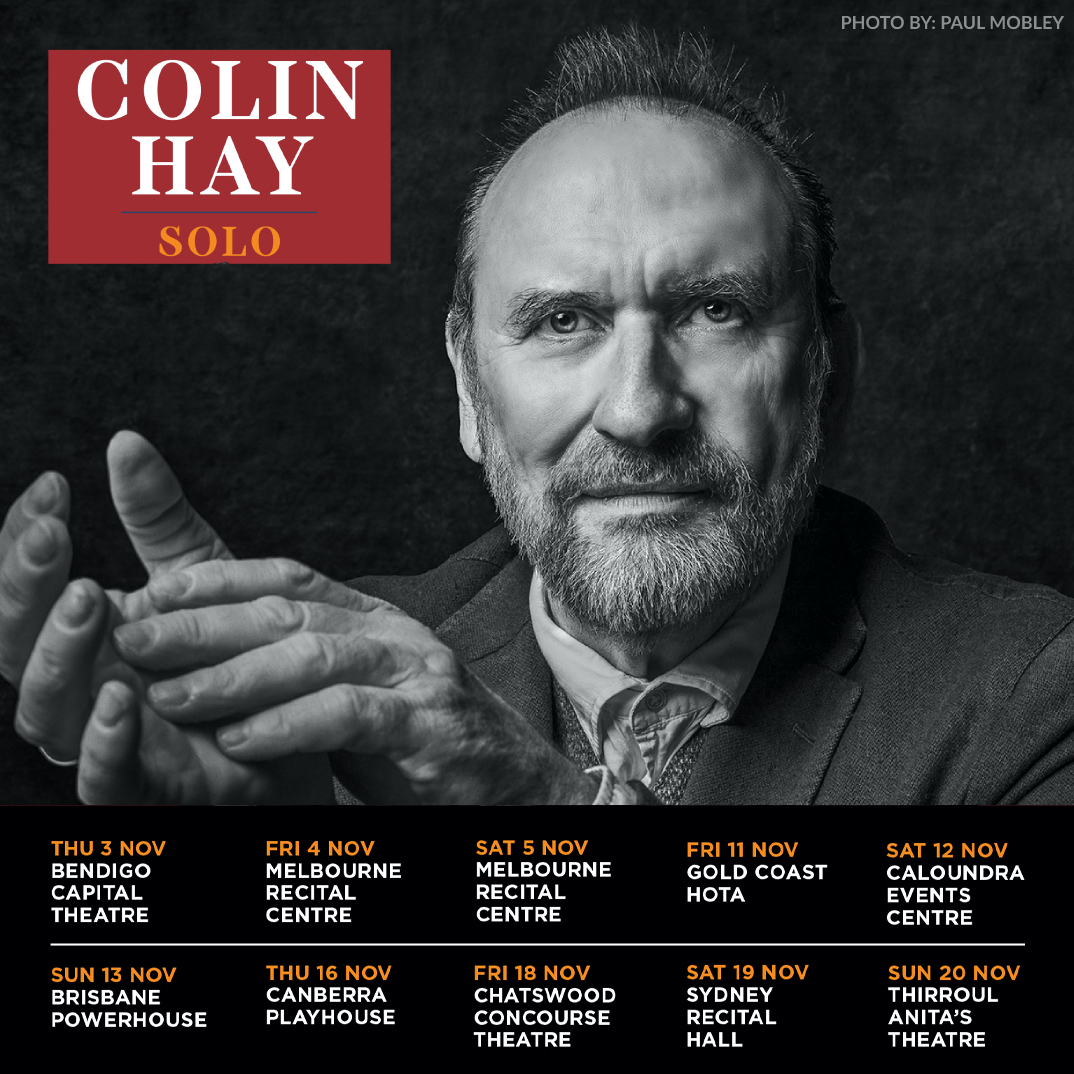
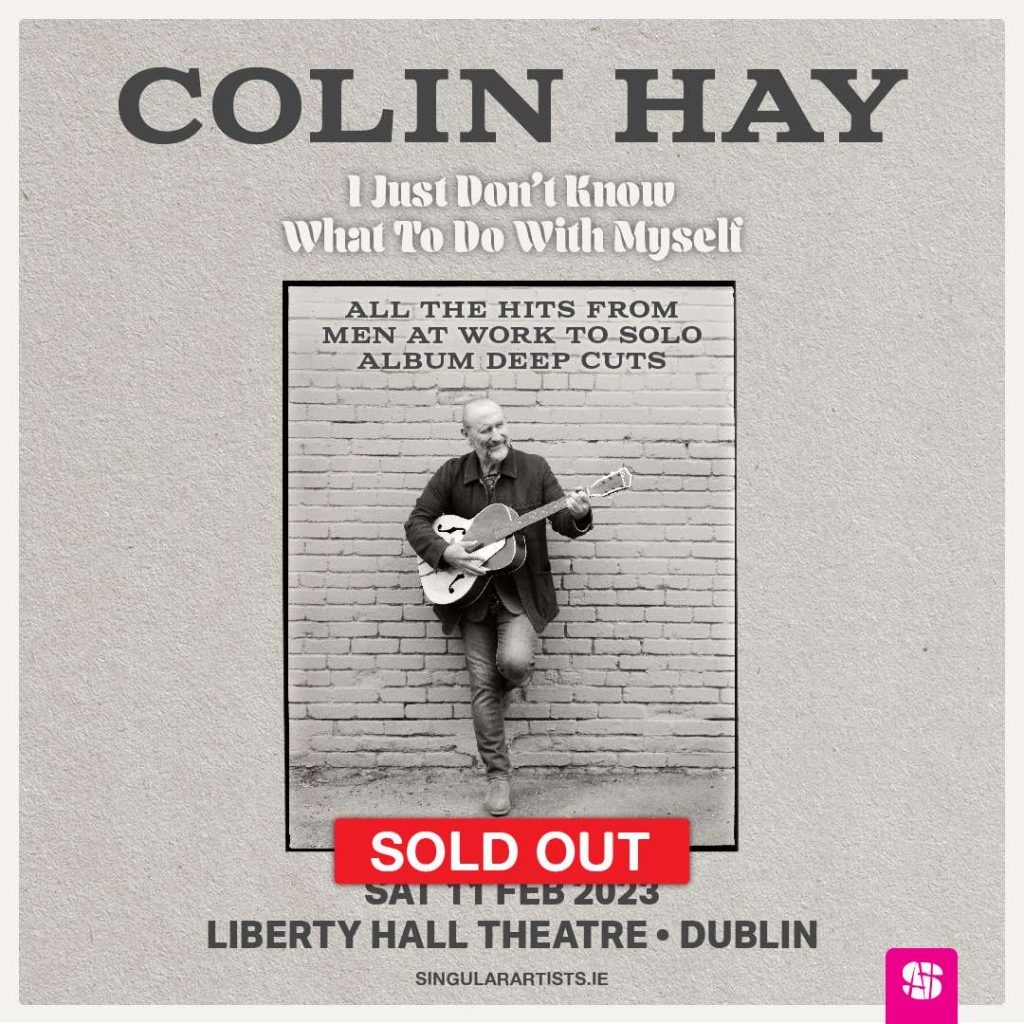
In the 21st century, Colin Hay transitioned into a relentless, highly respected touring artist. Whether performing solo acoustic shows—where his performance style blends songs with humorous, self-reflective stand-up comedy—or touring with an ensemble cast of talented backing musicians, Hay commands the stage with effortless authority. He also spent several years touring as a featured vocalist with Ringo Starr & His All-Starr Band, a testament to his enduring reputation among rock royalty as a premier singer and songwriter.
Hay’s longevity in the music industry offers a masterclass in independent career management. By eschewing the treadmill of chasing mainstream chart hits and instead focusing on authentic songwriting, intimate live performances, and direct fan engagement, he built a fiercely loyal global audience. His work demonstrates that an artist's legacy is measured not by physical attributes or temporary chart peaks, but by the emotional resonance of their catalog and their resilience in the face of shifting industry landscapes.
Frequently Asked Questions
How tall is Colin Hay?
Colin Hay is approximately 5 feet 10 inches tall (178 cm). While his physical stature is average, his stage presence and vocal range have made him a towering figure in Australian rock and new wave history.
What is Colin Hay best known for?
He is best known as the lead singer and songwriter of the 1980s band Men at Work, which achieved global chart success with hits like "Down Under," "Who Can It Be Now?", and "Overkill." He has also maintained a prolific, critically acclaimed solo career spanning several decades.
Is Colin Hay still touring and releasing music?
Yes, Colin Hay remains an active recording and touring artist. He regularly tours internationally, performing both solo acoustic shows and ensemble dates, and continues to release well-received independent solo albums.
How did Colin Hay get his start in music?
Hay grew up in Saltcoats, Scotland, where his parents ran a music shop. After his family emigrated to Melbourne, Australia, in 1967, he immersed himself in the local music scene, eventually co-founding Men at Work in 1979.
What role did Zach Braff play in Colin Hay's career resurgence?
Actor and director Zach Braff featured Colin Hay’s solo music extensively in his television series Scrubs and his feature film Garden State. This exposure introduced Hay's independent solo catalog to a younger demographic, driving a significant surge in his modern fanbase.
Practical Recommendation
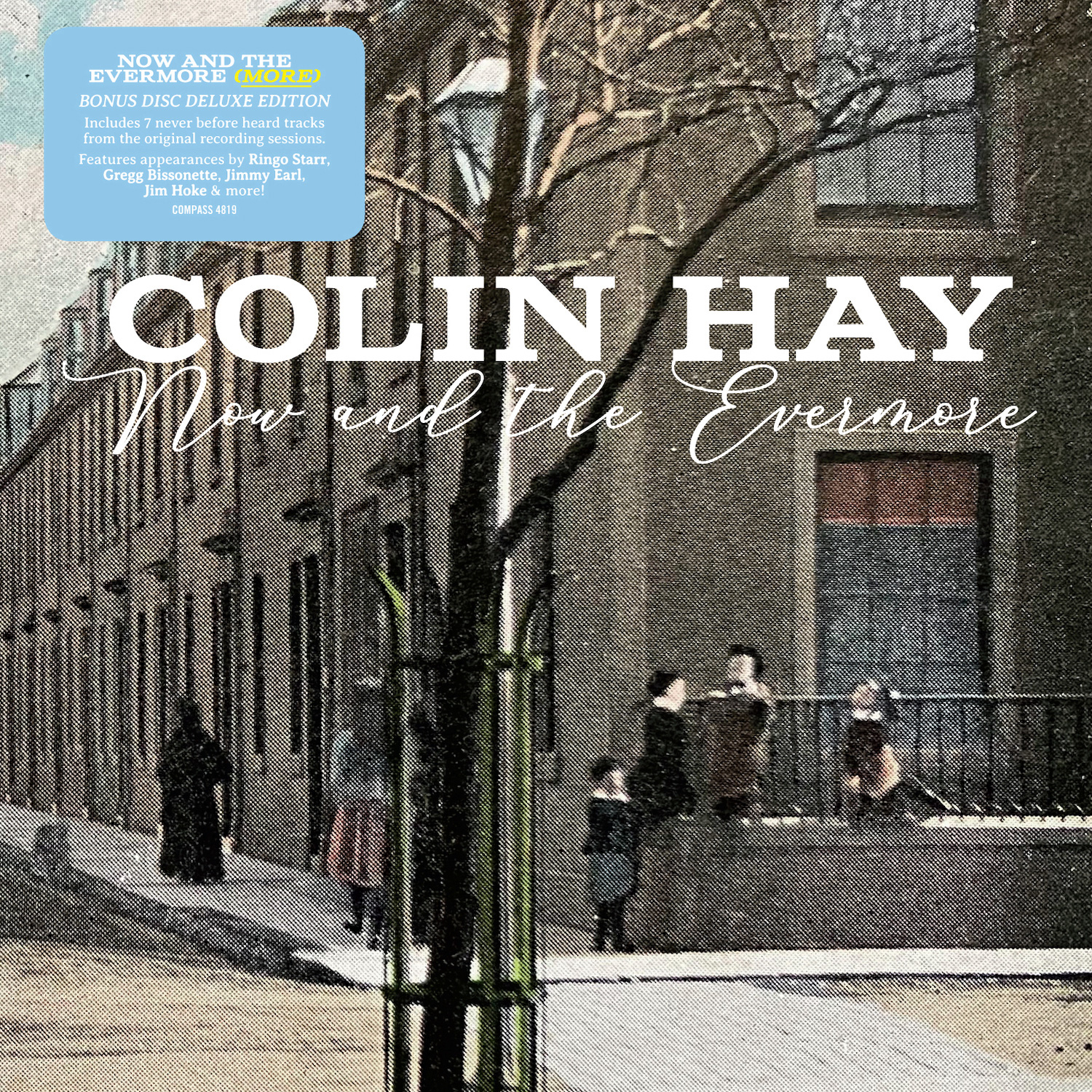
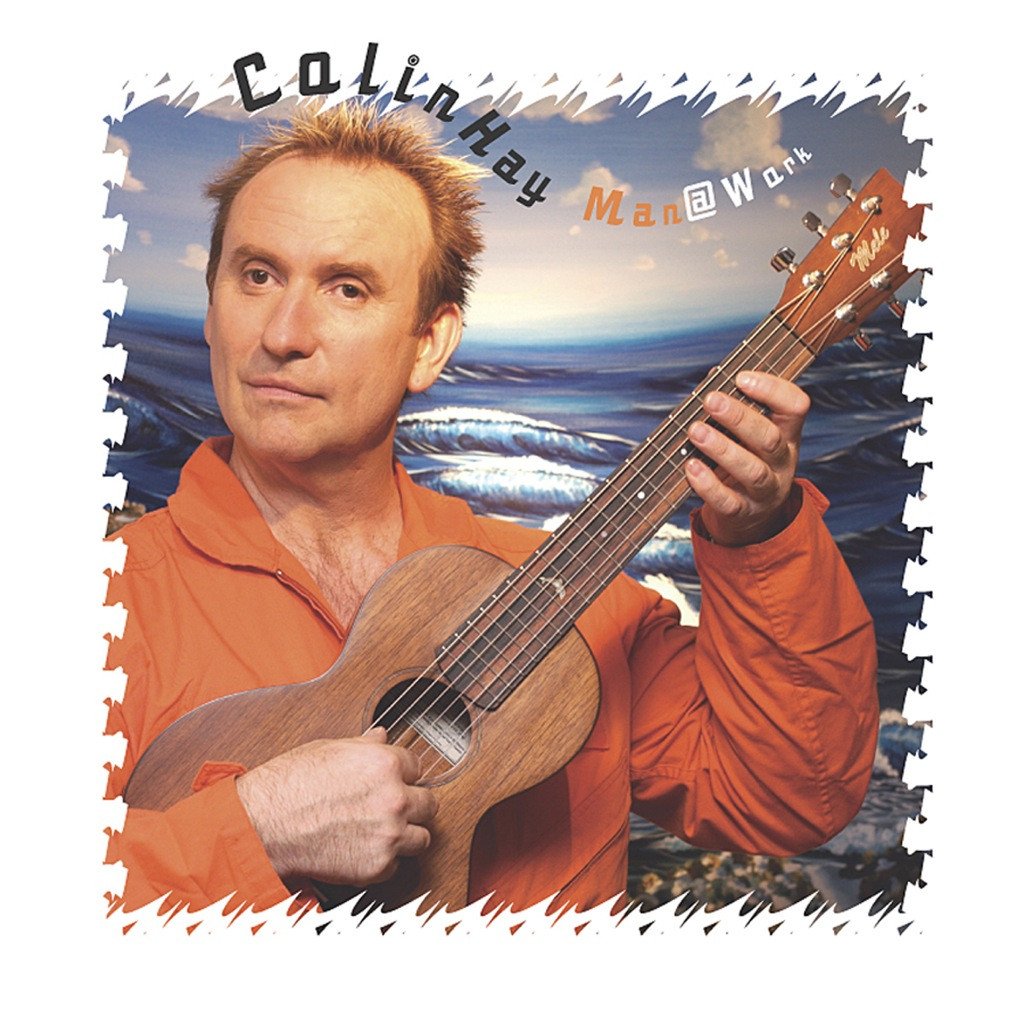
For listeners looking to explore Colin Hay beyond his well-known radio hits with Men at Work, start with his 2003 solo album Man @ Work or his 2001 release Going Somewhere. These records highlight his strengths as an acoustic storyteller, showcasing the lyrical wit and melodic craftsmanship that define his mature musical catalog.
Image Gallery