Why Nadal and Federer Crying on the Court Defined a Generation of Tennis
The sight of Rafael Nadal and Roger Federer crying on the court at the 2022 Laver Cup remains one of the most poignant moments in sports history. Occurring after Federer’s final professional match, the display of raw emotion symbolized...
The sight of Rafael Nadal and Roger Federer crying on the court at the 2022 Laver Cup remains one of the most poignant moments in sports history. Occurring after Federer’s final professional match, the display of raw emotion symbolized the end of a transformative rivalry and the deep, mutual respect shared between two icons of the game.
Contents
The Context: The 2022 Laver Cup in London
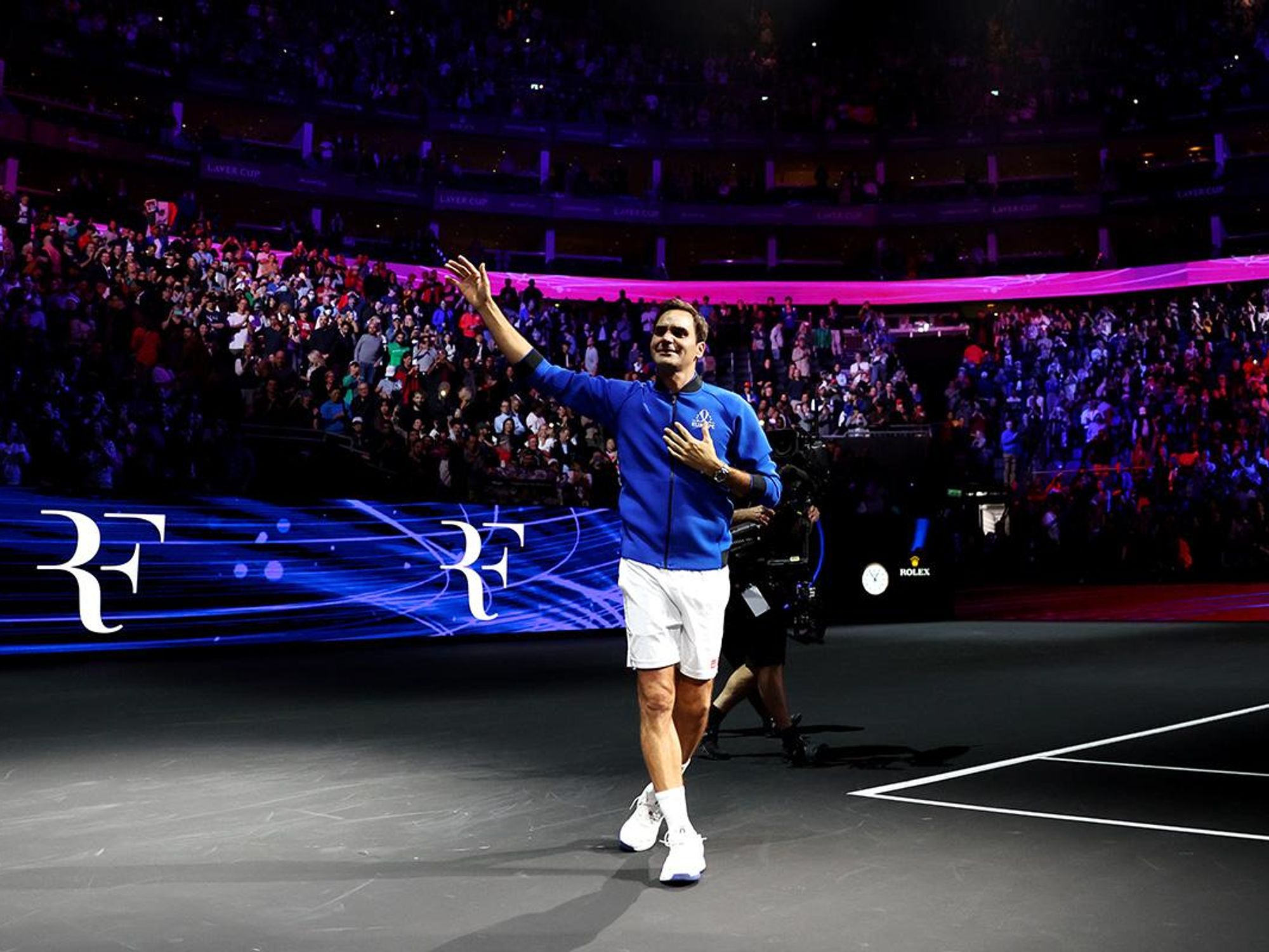
To understand why the image of Nadal and Federer crying on the court resonated so deeply across the globe, one must revisit the specific circumstances of September 23, 2022. The setting was The O2 Arena in London, hosting the fifth edition of the Laver Cup, a team competition that pits Team Europe against Team World.
Roger Federer, then 41, had been sidelined for over a year following multiple knee surgeries. His announcement of retirement just days before the tournament turned the event into a global vigil for his legendary career. Federer chose the Laver Cup—an event he helped create—to be his final stage. Crucially, he requested to play his final match not as a singles competitor, but as a doubles partner alongside his greatest rival, Rafael Nadal.
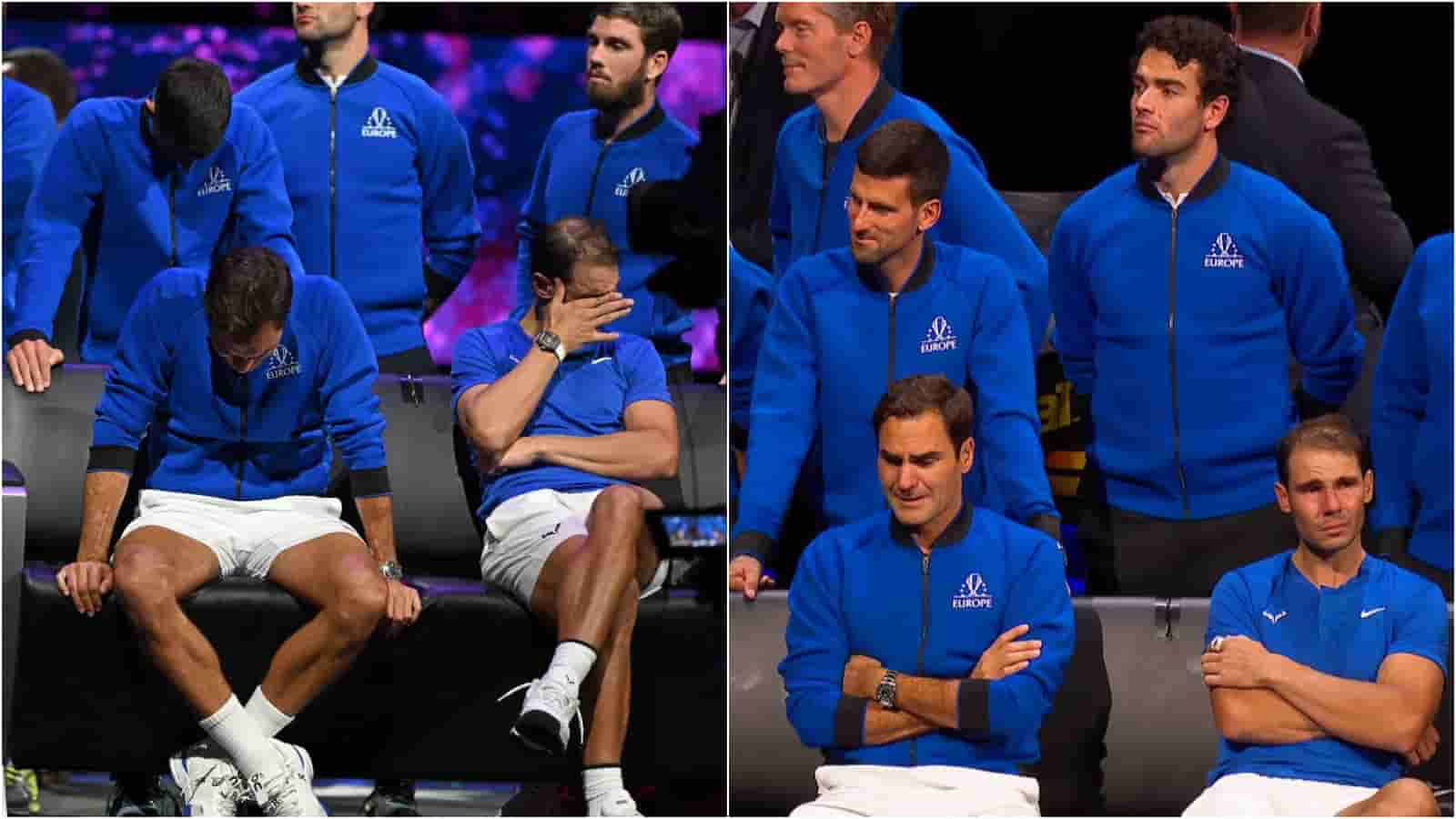
The atmosphere in London was electric yet somber. The presence of the "Big Four"—Federer, Nadal, Novak Djokovic, and Andy Murray—on the same bench represented a final gathering of the most dominant era in men’s tennis. As the doubles match against Jack Sock and Frances Tiafoe progressed into the late hours of the night, the realization that Federer’s professional journey was minutes from concluding became palpable.
The Match: A Technical and Emotional Finale
The doubles match itself was a masterclass in nostalgia and high-stakes tension. Despite Federer’s limited mobility and Nadal’s own physical struggles, the duo—affectionately known as "Fedal"—displayed the shot-making brilliance that had defined their careers. Federer even managed a rare shot that traveled through the narrow gap where the net attaches to the post, a moment of technical wizardry that briefly lightened the heavy atmosphere.
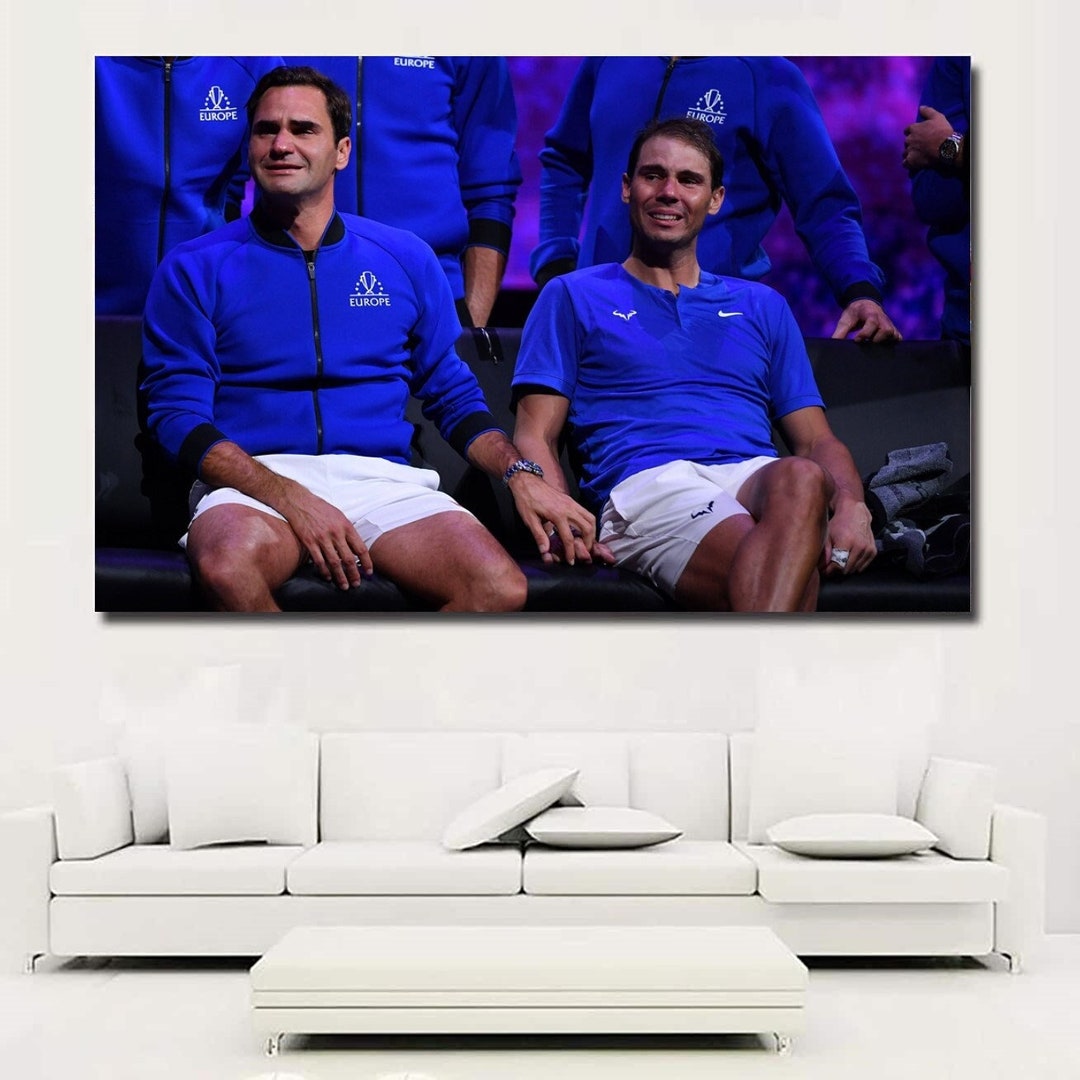
The match ended in a narrow defeat for the European pair, with Sock and Tiafoe winning 4-6, 7-6 (2), 11-9. However, the scoreline was secondary to what followed. As the final point was called, the sport transitioned from a competition into a celebration of a legacy. The post-match ceremony featured a video tribute and a performance by singer Ellie Goulding. It was during these moments that the cameras captured the now-iconic image: Federer and Nadal sitting side-by-side on the player bench, both weeping uncontrollably, briefly holding hands as the weight of the moment overwhelmed them.
Analyzing the Emotional Weight: Why Nadal Cried
One of the most frequently asked questions regarding that night is why Rafael Nadal was so visibly distraught, perhaps even more than Federer himself. From the vantage point of 2026, looking back at the conclusion of both their prime years, the reasons are multifaceted:
- The End of a Shared Journey: Nadal and Federer played against each other 40 times in professional matches. Their careers were so inextricably linked that the retirement of one felt like the loss of a part of the other. Nadal articulated this himself, stating that when Federer left the tour, a significant part of his own life was leaving as well.
- Mutual Respect Over Rivalry: Their relationship evolved from a fierce, sometimes icy competition in the mid-2000s to a genuine friendship. They pushed each other to heights that neither might have reached alone. Nadal's tears were a tribute to the standard Federer set.
- The Mirror of Mortality: Seeing Federer succumb to age and injury was a stark reminder for Nadal of his own professional mortality. At that moment, Nadal was also battling chronic foot issues and abdominal tears, making Federer’s departure a mirror for his own eventual exit from the sport.
The "Fedal" Rivalry: A Career Comparison
The crying on the court was the emotional payoff of nearly two decades of elite competition. The technical depth of their rivalry is best understood through their career statistics and the way their playing styles clashed—Federer’s effortless grace and offensive variety versus Nadal’s relentless intensity and heavy topspin.
As of their final match together, the statistical landscape of their careers showcased two distinct paths to greatness:
| Metric | Roger Federer | Rafael Nadal |
|---|---|---|
| Grand Slam Titles | 20 | 22 |
| ATP Singles Titles | 103 | 92 |
| Weeks at No. 1 | 310 | 209 |
| Head-to-Head Record | 16 | 24 |
| Olympic Medals | Gold (Doubles), Silver (Singles) | Gold (Singles), Gold (Doubles) |
| Wimbledon Titles | 8 | 2 |
| French Open Titles | 1 | 14 |
| Hard Court Titles | 71 | 25 |
These statistics, curated by the ATP Tour, illustrate how they dominated different surfaces, yet met in the middle to produce some of the most celebrated matches in history, most notably the 2008 Wimbledon final.
The Significance of the Hand-Holding Image
The image of Nadal and Federer holding hands while crying became a cultural touchstone that extended far beyond the sport of tennis. In an era where "toxic masculinity" was a frequent topic of discussion, the sight of two of the world’s most successful and "tough" athletes showing such vulnerability was revolutionary.
It demonstrated that peak competitiveness does not preclude deep affection. Their bond redefined sportsmanship for a new generation of players. For fans watching in 2026, that moment is often cited as the definitive end of the "Golden Era" of tennis. While players like Carlos Alcaraz and Jannik Sinner have since risen to dominance, the emotional depth of the Federer-Nadal era remains unique.
The Technical Transition: From the Big Three to a New Era
Following the events in London, the tennis world began a rapid transition. Federer’s departure was the first domino to fall among the "Big Three." While Novak Djokovic continued to compete at an elite level well into the mid-2020s, the 2022 Laver Cup marked the point where the focus of the sport shifted from the dominance of the old guard to the uncertainty of the future.
Technically, the game has changed since Federer and Nadal's peak. The heavy reliance on baseline power and extreme fitness—qualities Nadal perfected—has merged with the all-court versatility that Federer championed. However, the psychological component they brought to the court—the "aura" of invincibility coupled with extreme humility—is something that analysts in 2026 still use as the benchmark for greatness.
FAQs: Understanding the Moment
Why were Nadal and Federer crying together?
They were crying because the match marked Roger Federer's retirement from professional tennis. Having been rivals for 18 years, they developed a profound friendship. Nadal expressed that Federer’s departure felt like a part of his own career and identity was ending, leading to a shared emotional breakdown on the court.
Did Federer and Nadal win their final match together?
No, they lost to the American pair of Jack Sock and Frances Tiafoe. The final score was 4-6, 7-6 (2), 11-9 in favor of Team World. Despite the loss, the match is remembered almost exclusively for the post-match retirement ceremony and the emotional reactions of the players.
What did Federer say during his retirement speech?
Federer emphasized that he was "happy, not sad" and that it felt like a celebration. He thanked his wife, Mirka, his team, and his rivals. He specifically noted how special it was to have Nadal, Djokovic, and Murray there by his side, stating, "It's been a perfect journey. I would do it all over again."
Is the photo of them holding hands real?
Yes, the photo is real. It was captured by Getty Images photographer Ella Ling. It shows a brief moment where the two athletes reached for each other's hands while seated on the bench during the tribute ceremony, a gesture that symbolized their mutual support during an overwhelming emotional experience.
How did the tennis world react to this moment?
The reaction was universally emotional. Social media saw an outpouring of tributes from athletes in all sports, including Virat Kohli, LeBron James, and Serena Williams. Most commentators noted that the image of the two legends crying represented the ultimate level of sportsmanship and the end of the most significant era in tennis history.
Practical Legacy: What Fans Can Learn
The 2022 Laver Cup serves as a masterclass in how to conclude a professional legacy. For athletes and fans alike, the takeaway from Nadal and Federer crying on the court is the importance of relationships over accolades. While their trophy cabinets are among the most decorated in history, it was their human connection that left the most lasting impact on the sport.
As we look at the landscape of tennis in 2026, the "Fedal" era stands as a reminder that the greatest rivalries are built on a foundation of respect. Fans looking to relive this moment can find full replays of the ceremony through the official Laver Cup YouTube channel or ATP media archives.
Image Gallery