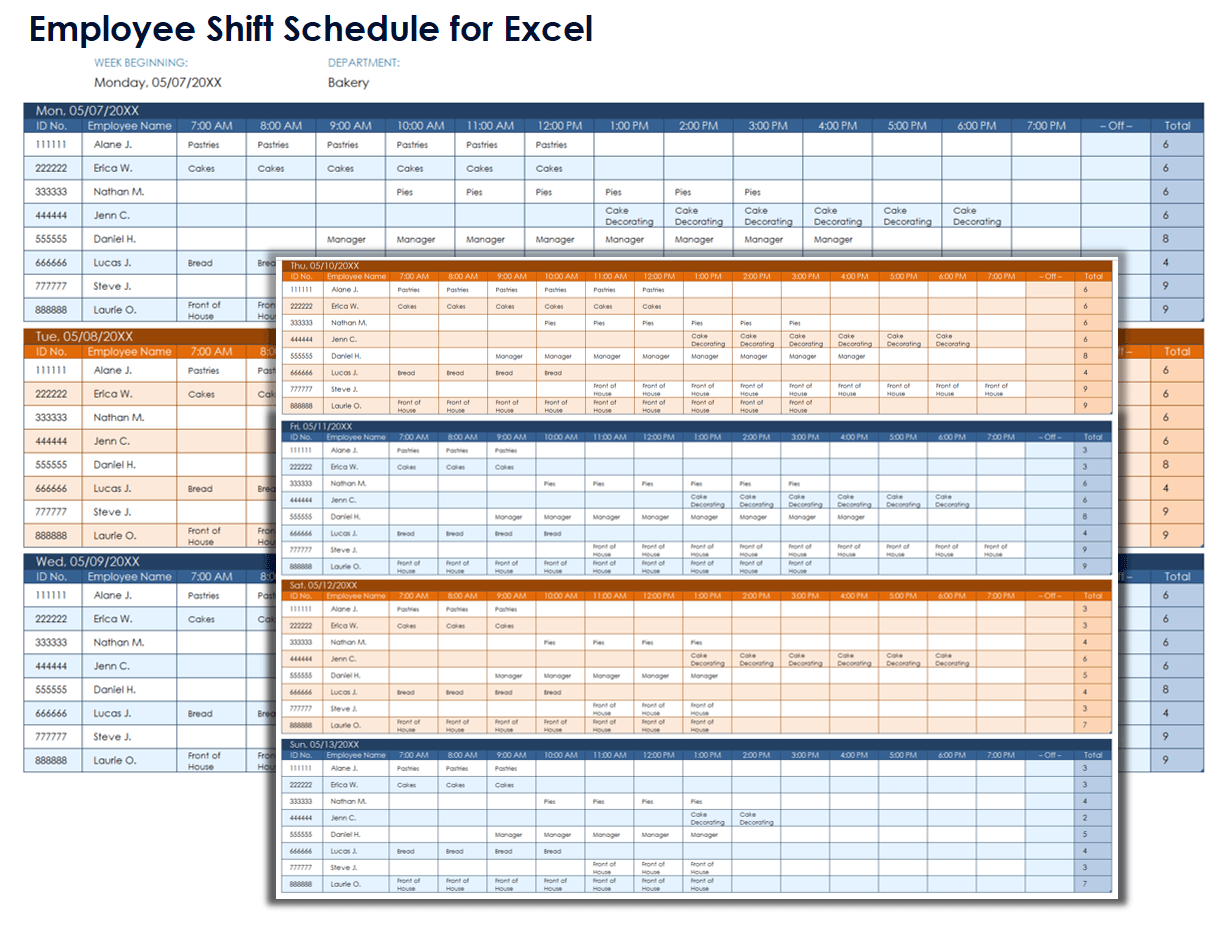
Designing a Staff Work Schedule Balancing Predictability and Flexibility
Balancing predictability and flexibility in a staff work schedule requires matching operational needs with employee preferences through core scheduling rules, core hours, advance notice windows, and structured shift-trading policies. T...
Balancing predictability and flexibility in a staff work schedule requires matching operational needs with employee preferences through core scheduling rules, core hours, advance notice windows, and structured shift-trading policies. This operational balance stabilizes workforce retention, reduces fatigue, and ensures continuous service coverage across fluctuating demand cycles.
Contents
Managing a workforce requires aligning organizational productivity with individual well-being. Modern organizations face increasing pressure to abandon rigid fixed-shift models while avoiding the chaos of completely ad-hoc rostering. When companies design a staff work schedule balancing predictability and flexibility, they address two competing human desires: the need for reliable income and personal time planning, and the desire for autonomy to manage life events outside of work. Achieving this equilibrium is no longer just an HR perk; it is a foundational operational strategy that directly impacts turnover, morale, and service delivery.
Understanding the Core Tension: Predictability Versus Flexibility
The modern workplace demands agility. Customer demand surges, supply chains fluctuate, and unexpected project bottlenecks emerge. To meet these shifts, employers naturally lean toward flexible scheduling, often utilizing on-call shifts, just-in-time scheduling, and last-minute shift changes. However, when pushed to an extreme, hyper-flexibility transfers all operational risk onto the employee. Workers lose the ability to schedule childcare, pursue education, or maintain a healthy sleep cycle.
Conversely, rigid predictability offers stability but fails to accommodate the human realities of illness, family emergencies, and changing lifestyle requirements. Fixed schedules can cause resentment among employees who feel micromanaged or unable to handle routine personal obligations during standard business hours.
Resolving this tension involves viewing predictability and flexibility not as opposing ends of a spectrum, but as complementary tools. Predictability provides the structural anchor—such as published shift blocks and guaranteed minimum hours—while flexibility introduces localized variance, allowing employees to swap, drop, or adjust shifts within safe operational boundaries.
The Operational Benefits of a Balanced Scheduling Model
Organizations that successfully implement a balanced work schedule experience measurable improvements in both employee sentiment and bottom-line metrics. Understanding these benefits helps justify the administrative effort required to build sophisticated rostering frameworks.
- Reduced Turnover and Burnout: Chronic schedule unpredictability is a primary driver of employee turnover, particularly in hourly and shift-based industries. Providing advance notice and stable hours fosters trust and lowers stress.
- Enhanced Productivity and Engagement: Employees who feel respected and accommodated are more engaged. When workers have a voice in their schedules, absenteeism and tardiness rates drop significantly.
- Optimized Labor Costs: Balanced schedules prevent both overstaffing during lulls and understaffing during peaks. By analyzing historical data, managers can forecast demand and deploy staff efficiently.
- Employer Brand Enhancement: In a competitive labor market, offering a predictable yet flexible work arrangement serves as a powerful recruitment differentiator.
Key Frameworks for Blending Predictability and Flexibility
To turn theory into practice, organizations must adopt specific scheduling architectures. No single model fits every industry, but several proven frameworks consistently deliver results across retail, healthcare, hospitality, and corporate environments.
Core Hours and Flextime
In office and hybrid environments, establishing "core hours"—such as 10:00 AM to 3:00 PM when everyone must be available—combined with flexible start and end windows allows employees to manage commutes and personal obligations without compromising team collaboration.
Shift-Bidding and Preference-Based Scheduling
Instead of top-down assignments, managers can publish open shifts well in advance. Employees bid on shifts that match their preferences. This introduces high flexibility for workers while ensuring all slots are filled voluntarily.
Advance Notice Legislation and Self-Imposed Standards
Many jurisdictions have introduced " Fair Workweek" laws requiring schedules to be published 14 days in advance. Even where not legally mandated, adopting a strict two-week notice window establishes baseline predictability. Last-minute changes should trigger penalty pay or require mutual consent, discouraging careless managerial planning.
Step-by-Step Implementation Strategy
Transitioning from a chaotic or rigid scheduling system to a balanced model requires a deliberate, phased approach. Managers must avoid changing everything at once to prevent operational disruption.
[Analyze Historical Data] ➔ [Establish Baseline Rules] ➔ [Deploy Scheduling Software] ➔ [Gather Employee Feedback]
- Audit Current Scheduling Patterns: Review past attendance, peak demand hours, and overtime costs to identify where predictability is lacking and where flexibility is most desperately needed.
- Define Non-Negotiable Operational Constraints: List minimum staffing levels, compliance rules, and critical coverage windows that cannot be compromised under any flexible policy.
- Draft Clear Scheduling Policies: Document rules regarding advance notice periods, shift-trading protocols, core hours, and maximum consecutive workdays.
- Involve Staff in the Design Process: Conduct surveys or focus groups to understand what employees value most—whether it is advance notice, the ability to work remotely, or predictable weekends.
- Pilot the New System: Test the balanced schedule in a single department or location for 30 to 60 days before rolling it out organization-wide.
- Review and Refine: Analyze post-pilot metrics, including labor costs, employee satisfaction scores, and shift-fill rates, making adjustments as needed.
Comparing Traditional Scheduling Versus Balanced Models
To visualize the operational differences, consider how traditional models stack up against a balanced scheduling framework across key performance indicators.
| Evaluation Metric | Traditional Rigid Scheduling | Traditional Ad-Hoc Flexibility | Balanced Predictable-Flexible Model |
|---|---|---|---|
| Notice Period | Fixed (Often monthly) | Short-notice / On-demand | Standardized (Minimum 14 days) |
| Employee Control | None to minimal | High, but volatile | Controlled flexibility within guardrails |
| Turnover Rate | Moderate to High | Very High | Low to Moderate |
| Overtime Costs | Predictable, sometimes bloated | Unpredictable and volatile | Optimized through forecasting |
| Admin Complexity | Low | High (Constant firefighting) | Moderate (Upfront setup, smooth execution) |
Leveraging Technology to Maintain the Balance
Manually tracking shift preferences, availability updates, and compliance rules is nearly impossible for organizations with more than a few dozen employees. Modern workforce management (WFM) software automates the heavy lifting.
When selecting scheduling technology, look for features that support balance:
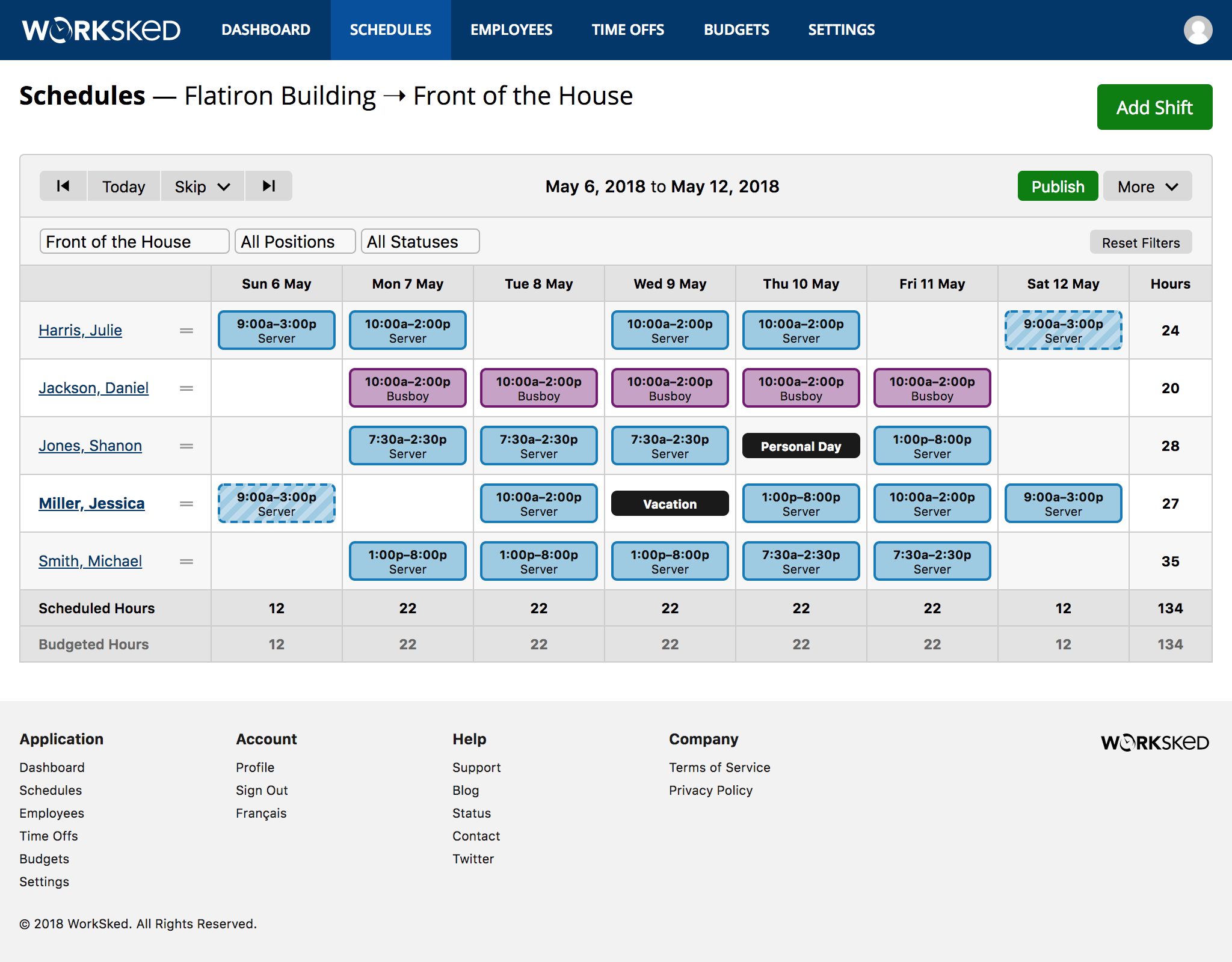
- Self-Service Mobile Apps: Allow employees to view schedules, request time off, and swap shifts directly from their phones.
- Automated Constraint Checking: Ensure that automated scheduling suggestions do not violate labor laws, maximum hour caps, or mandatory rest periods between shifts.
- Fairness Algorithms: Ensure that undesirable shifts (such as weekend or closing shifts) are distributed equitably among qualified staff members rather than assigned arbitrarily.
Common Pitfalls and How to Avoid Them
Even with the best intentions, organizations often stumble when implementing flexible-predictable schedules. Recognizing these traps prevents costly mistakes.
- Favouritism in Shift Assignment: If managers manually approve shift trades or desirable schedules without transparent rules, accusations of favoritism destroy team morale. Solution: Use software-enforced rules and transparent bidding logs.
- Underestimating Training Needs: Managers accustomed to top-down command-and-control scheduling may struggle with collaborative rostering. Solution: Train supervisors on the strategic value of schedule stability and conflict resolution.
- Neglecting Part-Time and Hourly Workers: Flexibility initiatives often skew toward salaried office workers while ignoring frontline staff. Solution: Ensure shift-bidding and advance notice policies apply equitably to all tiers of the workforce.
Frequently Asked Questions
What is the ideal advance notice window for a staff work schedule?
Industry standards and emerging labor regulations generally point to a minimum of 14 days advance notice. This window provides employees enough time to arrange personal logistics, childcare, and rest periods while still allowing organizations reasonable visibility into short-term operational forecasts.
How can small businesses implement flexibility without increasing labor costs?
Small businesses can utilize cross-training so that employees can cover multiple roles. This allows for fluid shift-swapping among existing staff without needing to call in expensive overtime labor or external temporary workers to cover unexpected absences.
What should an employer do when an employee repeatedly cancels flexible shifts?
Establish clear, documented attendance policies that distinguish between guaranteed core shifts and flexible or voluntary picks. While penalties should not apply to emergency absences on voluntary shifts, chronic unreliability in picking up and dropping optional shifts should restrict an employee's access to self-scheduling privileges.
Can predictive scheduling laws affect my business?
Yes, depending on your geographic location and industry (such as retail, food service, or hospitality in certain cities and states), predictive scheduling legislation may legally mandate advance notice penalties or predictable pay for on-call shifts. Review local labor codes before finalizing scheduling policies.
How do I handle conflicting requests for the same time off or shift?
Establish a transparent, objective hierarchy for approvals. Common methods include a first-come, first-served queue, rotating priority cycles based on seniority, or a point-based system where employees spend earned credits to secure preferred time off.
Final Recommendation
To achieve a sustainable staff work schedule balancing predictability and flexibility, start by auditing your current notice timelines and establishing a firm two-week baseline for published rosters. Layer on structured self-service shift-swapping and core hours to grant employees autonomy without sacrificing operational coverage. Prioritize transparency, leverage workforce management software to enforce equity, and treat scheduling as a core driver of organizational culture and retention.
Image Gallery