Understanding the Bud: Botany, Anatomy, and Functional Significance
In botany, a bud is an undeveloped or embryonic shoot that normally occurs in the axil of a leaf or at the tip of a stem. Once formed, a bud may remain in a state of dormancy for some time, or it may form a shoot immediately. In the co...
In botany, a bud is an undeveloped or embryonic shoot that normally occurs in the axil of a leaf or at the tip of a stem. Once formed, a bud may remain in a state of dormancy for some time, or it may form a shoot immediately. In the context of horticulture and specific crops like cannabis, "the bud" refers to the flower or inflorescence of the plant, which contains the highest concentration of active compounds.
Contents
While the term "bud" is frequently used in consumer electronics to describe wireless earbuds or in the beverage industry as a shorthand for specific beer brands, its primary biological and technical meaning describes a critical stage of plant development. Whether it is a dormant winter bud on an oak tree or a resinous flower on a hemp plant, the bud represents the future growth and reproductive potential of the organism.
The Botanical Fundamentals of a Bud
To understand what a bud is, one must first look at the vegetative anatomy of a vascular plant. A bud is essentially a highly condensed, immature stem. It consists of a growing point, known as the apical meristem, surrounded by a series of overlapping, immature leaves or bracts. These structures protect the delicate growing tissue from environmental stressors such as desiccation, cold, and mechanical damage.
The Role of the Meristem
The heart of any bud is the meristematic tissue. These are undifferentiated cells capable of rapid division. In 2026, advanced genomic mapping continues to show how specific hormonal signals—primarily auxins and cytokinins—dictate whether these cells will develop into a new branch, a leaf, or a flower. The meristem is the "engine room" of the plant, ensuring that growth can resume as soon as environmental conditions, such as temperature and light duration, become favorable.
Protection and Dormancy
In temperate climates, many plants produce "resting buds" or "winter buds." These are often covered by tough, waterproof scales called cataphylls. These scales are modified leaves that protect the embryonic parts during the winter months. As spring approaches and sap begins to flow, the internal pressure and cell expansion cause these scales to fall away, allowing the new growth to emerge. This process is a fundamental aspect of the deciduous life cycle.
Classification of Buds by Location and Function
Buds are not uniform; they are classified based on where they appear on the plant and what they are destined to become. Understanding these distinctions is vital for pruning, grafting, and general horticulture.
Positional Classification
- Terminal Buds: Located at the apex (tip) of a stem. These are responsible for the primary upward or outward growth of the plant, a phenomenon known as apical dominance.
- Axillary Buds: Also called lateral buds, these develop in the axil—the angle between a leaf stalk and the stem. They have the potential to form side branches or flowers.
- Adventitious Buds: These appear in unusual places, such as on roots or the middle of a leaf. They often form in response to injury, allowing the plant to regenerate lost biomass.
Functional Classification
- Vegetative Buds: These contain the embryonic structures for leaves and stems. Their primary goal is to increase the plant's photosynthetic surface area.
- Reproductive (Floral) Buds: These contain the embryonic parts of a flower or an entire inflorescence.
- Mixed Buds: These unique structures contain the precursors for both leaves and flowers on the same embryonic shoot.
The Anatomy of the Cannabis Bud
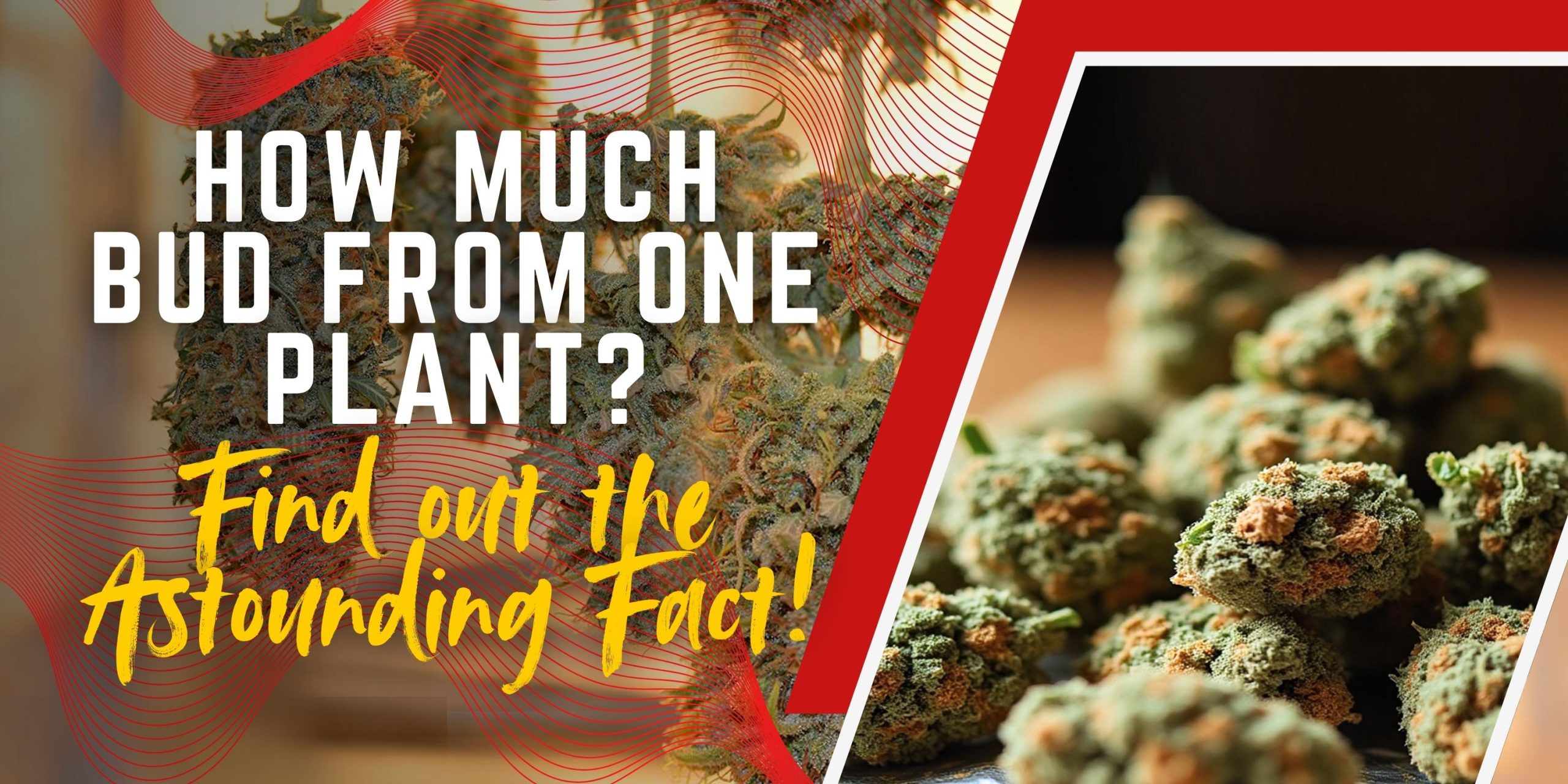
In modern discourse, "the bud" is most often a reference to the harvested flower of the Cannabis sativa or Cannabis indica plant. In this specific niche, the bud is not just a botanical structure but a complex chemical factory. Understanding its anatomy is crucial for producers, researchers, and consumers alike.
The Inflorescence Structure
A cannabis bud is technically an inflorescence, a cluster of many small flowers. The structure is composed of several distinct parts:
- Calyx and Bract: The bract is a small, leaf-like structure that surrounds the reproductive parts. While often confused with the calyx, the bract is the green, tear-shaped "leaf" that makes up the bulk of the bud's mass.
- Pistils and Stigmas: These are the reproductive organs of the female plant. The stigmas are the hair-like strands that emerge from the bracts. They often start white and turn orange, red, or brown as the plant matures.
- Sugar Leaves: These are small leaves that grow within and around the flower clusters. They are usually coated in resin and are distinct from the larger "fan leaves" used for photosynthesis.
Trichomes: The Resin Glands
The most significant feature of a mature cannabis bud is the presence of trichomes. These are microscopic, crystal-like outgrowths that cover the surface of the flower and sugar leaves. Trichomes serve several biological purposes, including protecting the plant from UV radiation and deterring herbivores with bitter tastes and sticky textures.
From a human perspective, trichomes are the primary source of cannabinoids (like THC and CBD) and terpenes (aromatic compounds). In 2026, extraction technologies focus almost exclusively on isolating these glandular heads to create concentrates and medicines.
Factors Affecting Bud Development and Quality
Whether growing fruit trees or medicinal herbs, the quality of "the bud" depends on a variety of environmental and genetic factors. Plant physiology is highly sensitive to the surrounding atmosphere.
Photoperiodism
Many plants are photoperiod-sensitive, meaning their transition from vegetative growth to budding is triggered by changes in the length of the night. Short-day plants require a specific period of uninterrupted darkness to begin forming reproductive buds. If this dark period is interrupted by light pollution, the "budding" process can be stalled or reversed, leading to stunted yields or hermaphoroditism.
Nutrient Requirements
During the budding phase, a plant's nutritional needs shift significantly. While nitrogen is essential for leaf growth, the formation of buds requires higher levels of phosphorus and potassium. These elements support cell division in the meristem and the synthesis of complex carbohydrates and oils within the flower structure.
Environmental Stressors
High heat or low humidity can cause buds to become "airy" or "larf-like," meaning they lack density. Conversely, excessive humidity during the late stages of budding can lead to Botrytis cinerea, commonly known as bud rot. This fungal pathogen can destroy an entire harvest by attacking the dense, moist interior of the flower cluster where airflow is limited.
Comparing Types of Buds and Their Uses
The following table outlines the differences between common botanical buds and their primary characteristics as understood in both traditional botany and modern agriculture.
| Bud Type | Primary Location | Key Characteristic | Typical Use/Significance |
|---|---|---|---|
| Winter Bud | Stem tips/nodes | Protected by hard scales | Survival of perennial plants through winter. |
| Cannabis Bud | Top of female plant | High trichome density | Medicinal and recreational consumption. |
| Clove (Spice) | Flower stalks | Dried unopened floral bud | Culinary spice and essential oil source. |
| Cabbage/Brussels Sprout | Central or lateral stem | Enlarged vegetative bud | Food source (vegetable). |
| Broccoli | Terminal stem | Immature floral cluster | High-nutrient food source. |
| Axillary Bud | Leaf axils | Dormant until pruned | Used in "topping" to increase plant bushiness. |
Why the Bud Matters in 2026
As of 2026, the study of bud development (gemmology) has moved beyond simple observation into high-precision agriculture. In the forestry sector, the health of terminal buds is used as a leading indicator of climate resilience in replanted woodlands. In the pharmaceutical sector, the "bud" remains the gold standard for botanical raw materials because it represents the peak concentration of secondary metabolites.
Furthermore, the term has become a focal point in legal and regulatory frameworks. Distinguishing between a "vegetative" plant and a "flowering" (budding) plant is often the legal line that defines tax brackets and security requirements for commercial cultivators.
Frequently Asked Questions
What is the difference between a bud and a flower?
A bud is the precursor to a flower. It is the embryonic stage where the floral parts are still enclosed and protected. Once the bud "breaks" and the petals or reproductive organs expand and become visible, it is classified as a flower. In some plants, like broccoli or cloves, we consume the bud before it ever reaches the flower stage.
Can you tell a plant's health by its buds?
Yes. Bud health is an excellent diagnostic tool. For example, "bud blast" occurs when a plant drops its buds prematurely due to stress, such as sudden temperature changes or lack of water. Additionally, the color and turgidity (firmness) of a bud can indicate nutrient deficiencies or the presence of microscopic pests like mites.
What are "latent buds"?
Latent buds are axillary buds that remain dormant for many years. They are often buried under the bark of a tree. They only grow if the main stem is damaged or removed, serving as a biological backup system. This is why a tree can often sprout new leaves from its trunk after a major limb is cut off.
Why do some buds have a sticky coating?
The stickiness is usually due to resins or exudates produced by trichomes or glands. This coating serves to prevent water loss, protect the embryonic tissue from freezing, and trap or repel insects. In species like the Balsam Poplar, these resins have been used historically in traditional salves and medicines.
Final Recommendations for Enthusiasts and Cultivators
To maximize the potential of any budding plant, focus on the transition period. For those in horticulture, this means monitoring the "stretch" phase where the plant rapidly expands before the buds set. Ensure that airflow is optimized to prevent stagnant pockets of moisture, and calibrate your nutrient profile to favor phosphorus as soon as the first embryonic flowers appear. For those interested in botany, observing the "bud break" in early spring provides a masterclass in biological resilience and the power of cellular expansion.
Image Gallery