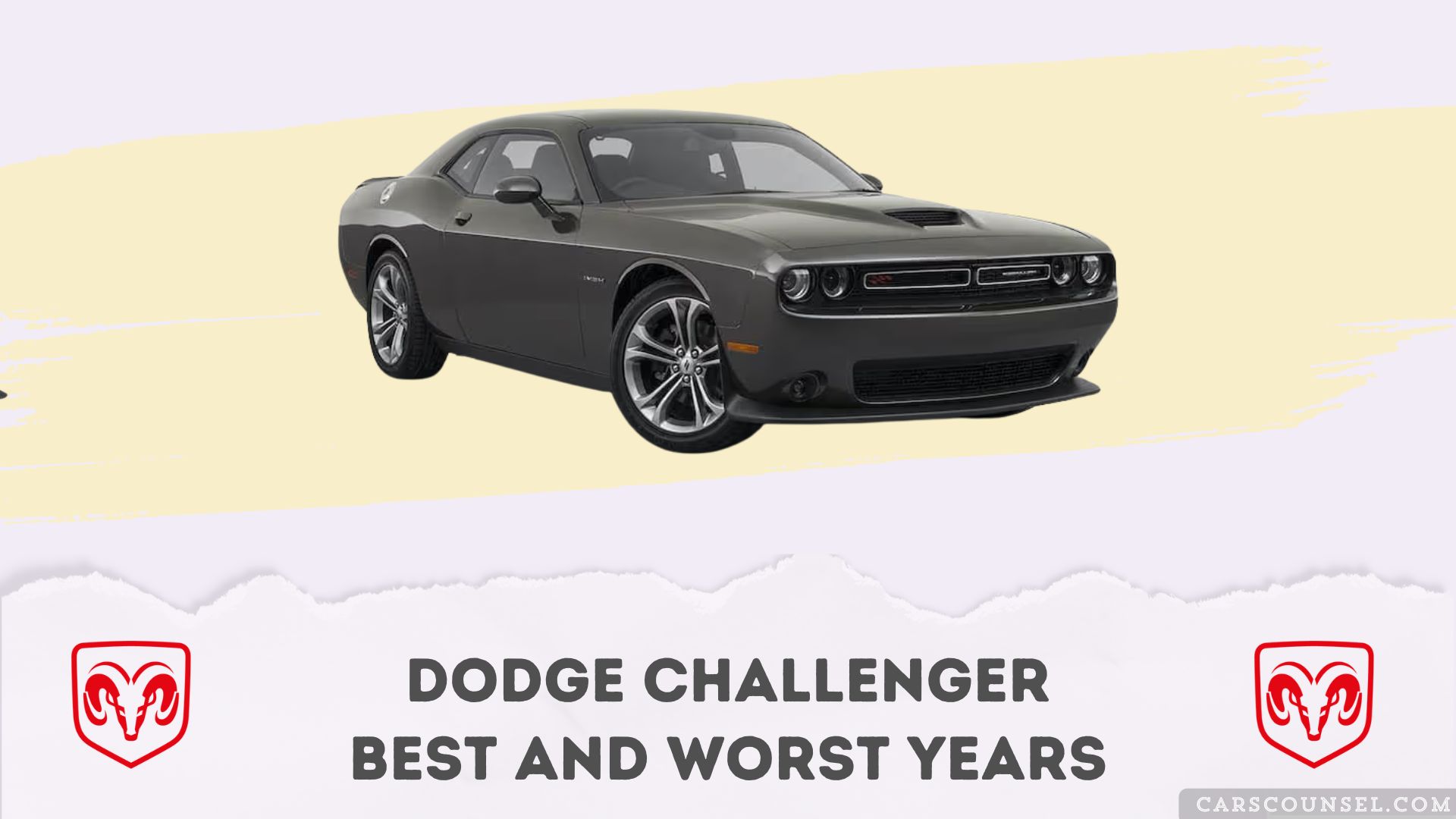
4-Year Verdict: Which Dodge Challenger Wins the Long-Term Ownership Test?
After evaluating four full years of real-world ownership data, routine maintenance expenses, depreciation curves, and daily usability across the trim lineup, the Dodge Challenger R/T Scat Pack (392 6.4L V8) emerges as the overall winne...
After evaluating four full years of real-world ownership data, routine maintenance expenses, depreciation curves, and daily usability across the trim lineup, the Dodge Challenger R/T Scat Pack (392 6.4L V8) emerges as the overall winner. It offers the optimal balance of explosive naturally aspirated performance, iconic muscle car sound, strong resale value retention, and manageable long-term maintenance costs.
Contents
The 4-Year Ownership Lens: Evaluating the Modern Dodge Challenger Lineup
The Dodge Challenger built its legendary reputation on classic muscle car styling, spacious interior comfort, and a wide array of powertrain choices ranging from practical V6 engines to supercharged V8 monsters. With production of the third-generation L-platform Challenger concluding at the Brampton Assembly Plant in late 2023, evaluating these vehicles over a four-year ownership horizon provides buyers with accurate, real-world data regarding long-term reliability, total cost of ownership (TCO), and functional durability.
A short test drive around a dealership lot reveals raw acceleration and exhaust notes, but a four-year ownership cycle exposes the practical realities of owning a Challenger. Over 48 months of regular driving—typically spanning 40,000 to 50,000 miles—key factors such as tire consumption, brake wear on performance trims, insurance premiums, component longevity, and resale value depreciation become the primary metrics of satisfaction.
Evaluating a modern Challenger over four years requires segmenting the lineup into four distinct operational tiers:
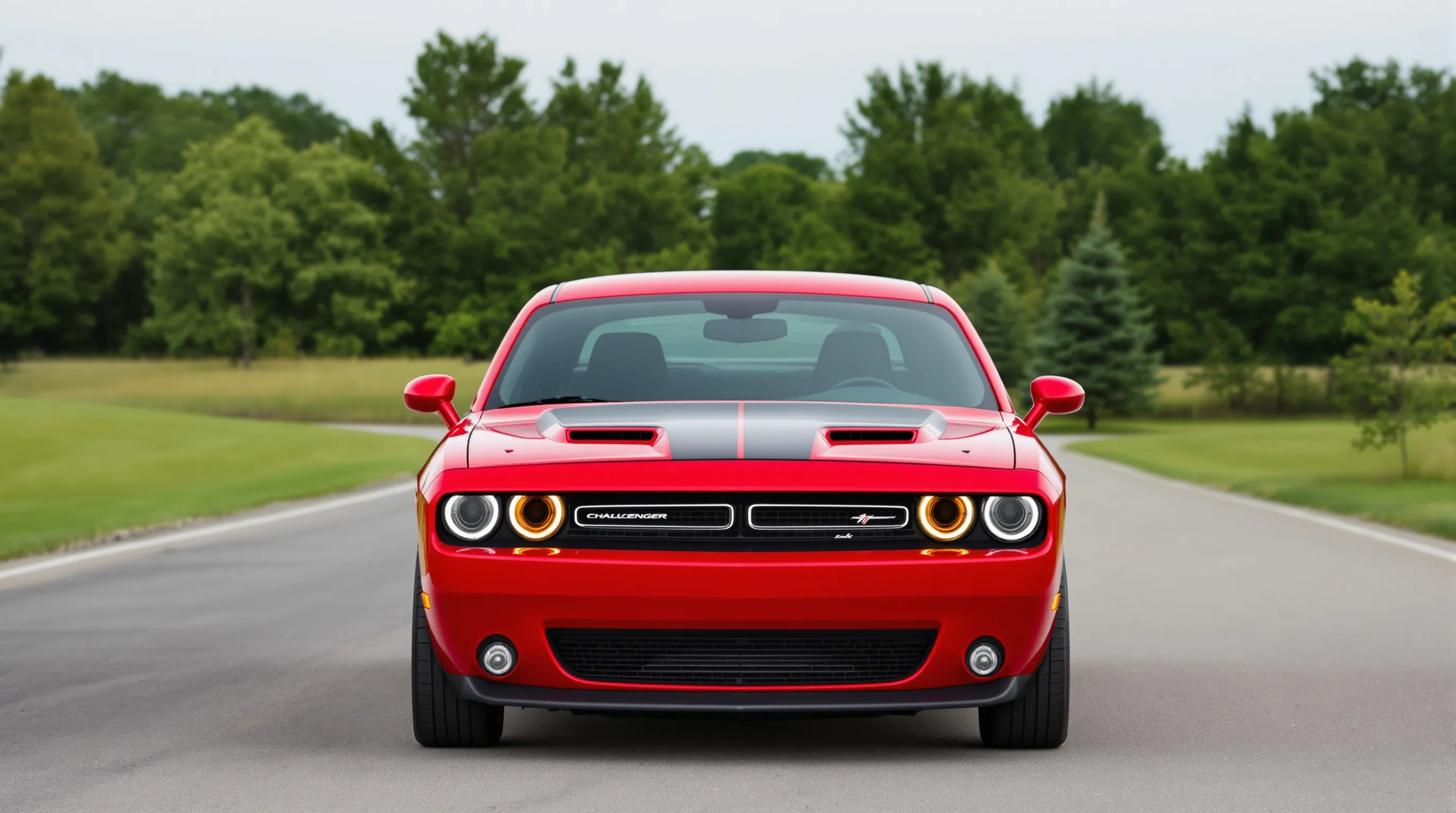
- The Entry & All-Weather Tier: SXT and GT (3.6L Pentastar V6)
- The Classic V8 Entry Tier: R/T (5.7L HEMI V8)
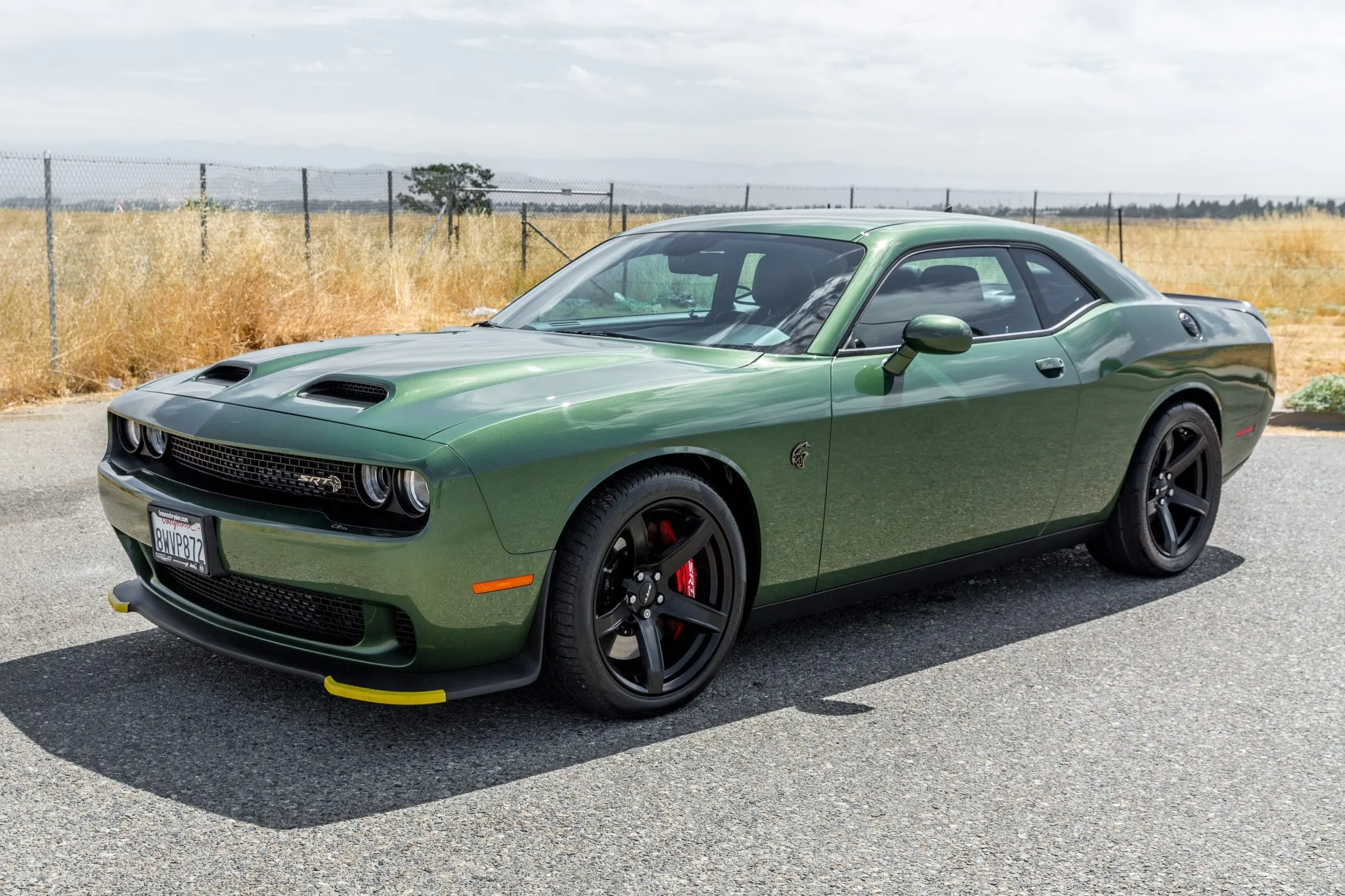
- The Naturally Aspirated Performance Tier: R/T Scat Pack (6.4L / 392 HEMI V8)
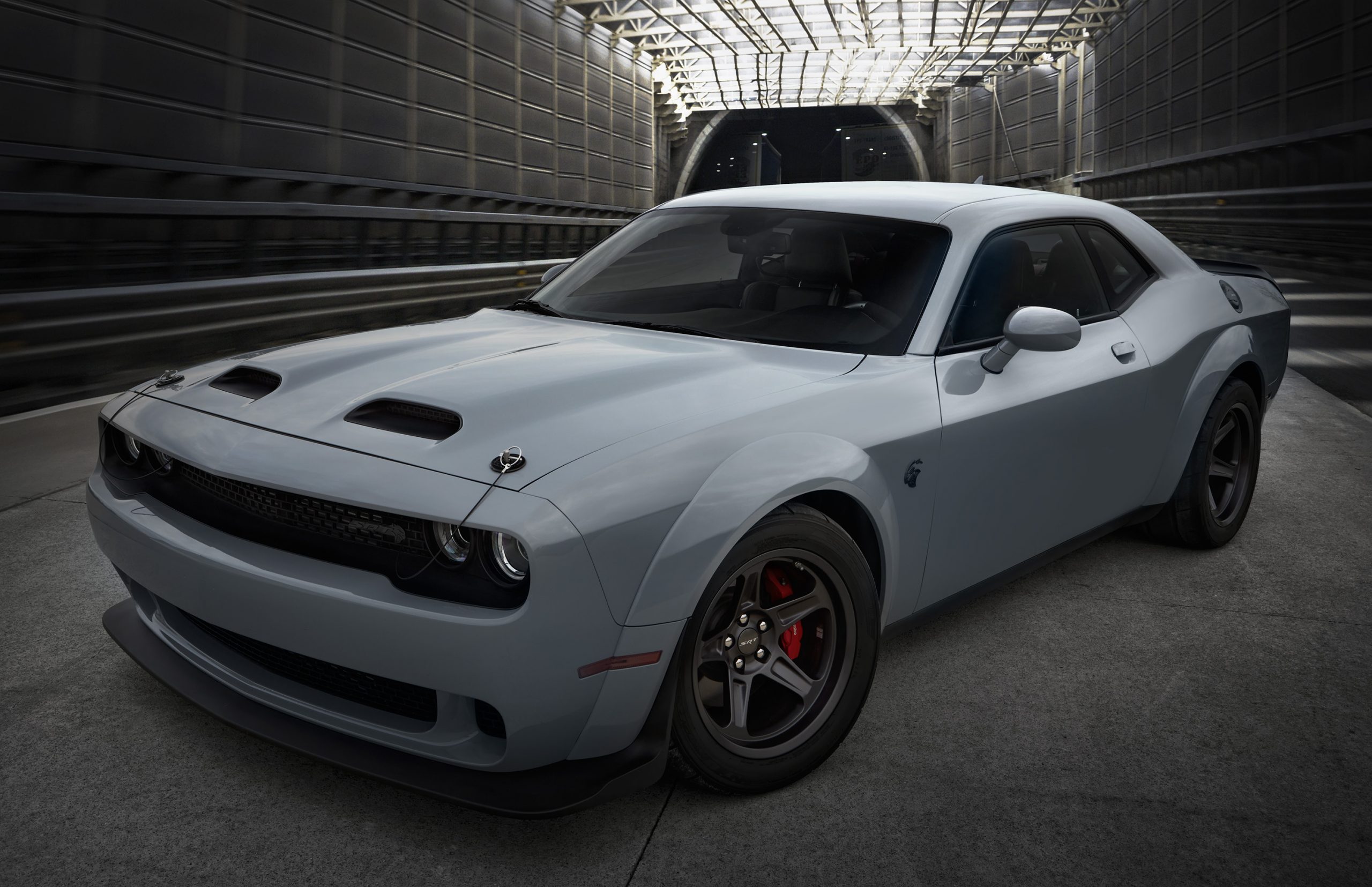
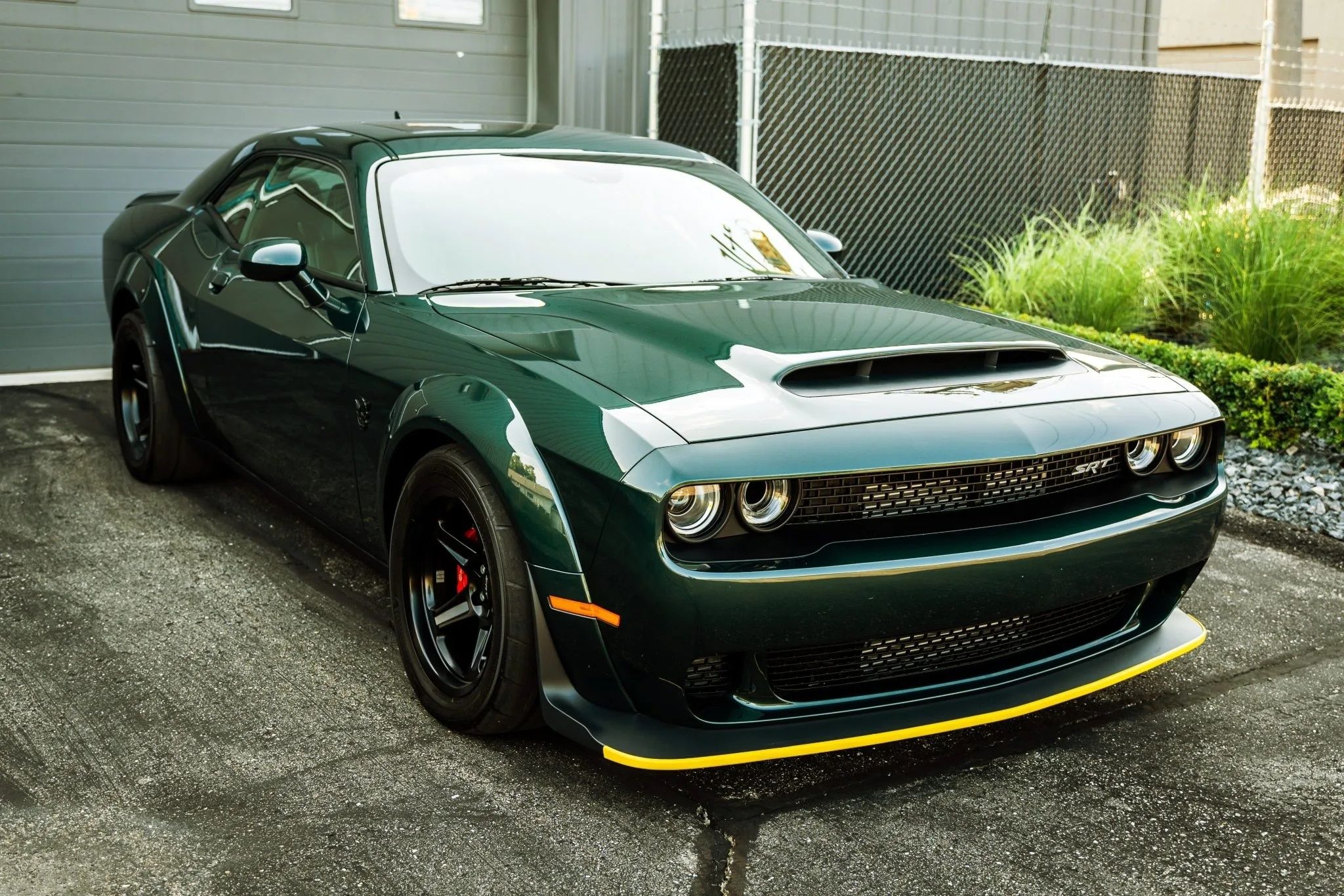
- The Supercharged Supercar Tier: SRT Hellcat (6.2L Supercharged HEMI V8)
Trims on the Test Bench: V6 vs. 5.7L HEMI vs. 392 Scat Pack vs. SRT Hellcat
To determine which Dodge Challenger wins over a four-year period, each major trim level must be judged on its specific mechanical attributes, performance envelope, and ownership trade-offs.
| SXT / GT (3.6L Pentastar V6) | R/T (5.7L HEMI V8) | R/T Scat Pack (6.4L HEMI V8) | SRT Hellcat (6.2L Supercharged V8) |
|---|---|---|---|
| - 303 hp / 268 lb-ft- Available AWD (GT/SXT)- Daily Utility & Efficiency | - 372-375 hp / 400-410 lb-ft- Classic V8 Exhaust Rumble- Budget-Friendly V8 Entry | - 485 hp / 475 lb-ft- High-Performance Brembo Brakes- Sweet-Spot Enthusiast Value | - 717+ hp / 656+ lb-ft- Track-Grade Cooling & Suspension- Premier Collector & Super-Muscle Vehicle |
Dodge Challenger SXT & GT (3.6L Pentastar V6)
The SXT and GT models serve as the foundational trims, powered by Chrysler's ubiquitous 3.6-liter Pentastar V6 mated to a ZF-sourced TorqueFlite eight-speed automatic transmission. Generating 303 horsepower, this engine delivers respectable highway passability and operational efficiency.
- 4-Year Strengths: Low insurance premiums, regular 87-octane fuel compatibility, affordable replacement tires (18-inch or standard 20-inch all-season fitments), and available all-wheel-drive (AWD) on select configurations.
- 4-Year Limitations: Lacks the classic V8 muscle car exhaust cadence; higher initial depreciation percentages compared to desirable V8 variants on the used market.
Dodge Challenger R/T (5.7L HEMI V8)
The R/T represents the historic gateway into V8 muscle car ownership. Featuring the 5.7-liter HEMI V8, it produces 372 horsepower with the eight-speed automatic or 375 horsepower when optioned with the Tremec TR-6060 six-speed manual transmission.
- 4-Year Strengths: Access to authentic V8 exhaust tones, proven pushrod engine architecture, compatible with mid-grade (89-octane) fuel, and significantly lower brake and tire replacement costs compared to 392 or Hellcat variants.
- 4-Year Limitations: Moderate performance ceiling; factory suspension exhibits noticeable body roll during aggressive cornering compared to Scat Pack models.
Dodge Challenger R/T Scat Pack (6.4L / 392 HEMI V8)
The R/T Scat Pack houses the naturally aspirated 3.64-inch stroke, 6.4-liter (392 cubic-inch) Apache HEMI V8, outputting 485 horsepower and 475 lb-ft of torque. Available in standard or Widebody configurations, it incorporates four-piston (or optional six-piston) Brembo brakes and launch control systems.
- 4-Year Strengths: Outstanding acceleration (0–60 mph in roughly 4.2 seconds), aggressive muscle car acoustics, exceptional residual value retention, and comprehensive performance pages built into the Uconnect infotainment system.
- 4-Year Limitations: Requires premium (91+ octane) fuel, higher insurance premiums for drivers under 25, and increased brake wear/replacement costs.
Dodge Challenger SRT Hellcat (6.2L Supercharged HEMI V8)
Occupying the apex tier, the SRT Hellcat utilizes a supercharged 6.2-liter HEMI V8 delivering 717 horsepower (or up to 797+ hp in Redeye trim). Featuring heavy-duty driveline components, upgraded charge-air cooling, and massive six-piston front Brembo calipers, it is a street-legal drag-strip vehicle.
- 4-Year Strengths: Unrivaled straight-line performance, iconic supercharger whine, long-term collector potential, and heavy-duty drivetrain components built to handle immense torque.
- 4-Year Limitations: High total cost of ownership; extreme tire degradation (rear tires often require replacement every 10,000–12,000 miles under spirited use), severe insurance rates, and high city fuel consumption.
4-Year Total Cost of Ownership (TCO) & Performance Comparison
Long-term vehicle ownership depends heavily on ongoing operational expenses beyond the original purchase price. The following matrix details the key four-year cost drivers and performance metrics across all four main Challenger configurations.
| Trim / Engine | Engine Specs & Transmission | 4-Year Tire & Brake Expense | Fuel Requirement & Avg MPG | 4-Year Insurance Risk Profile | Relative Resale Retention (4-Yr) |
|---|---|---|---|---|---|
| SXT / GT (3.6L V6) | 303 hp / 268 lb-ft8-Speed Automatic | Low ($800 – $1,200) | 87 Octane23 MPG combined | Standard / Low | Average (55% – 60%) |
| R/T (5.7L V8) | 372–375 hp / 400–410 lb-ft6-Speed Manual / 8-Speed Auto | Moderate ($1,200 – $1,800) | 89 Octane recommended19 MPG combined | Moderate | Strong (62% – 67%) |
| R/T Scat Pack (6.4L V8) | 485 hp / 475 lb-ft6-Speed Manual / 8-Speed Auto | High ($2,200 – $3,500) | 91+ Octane required17 MPG combined | Moderate – High | Excellent (68% – 74%) |
| SRT Hellcat (6.2L SC V8) | 717+ hp / 656+ lb-ft6-Speed Manual / 8-Speed Auto | Very High ($4,000 – $6,500+) | 91+ Octane required14 MPG combined | High – Very High | Exceptional (75% – 82%+) |
Key Durability and Maintenance Insights After 4 Years
Over four years of operation, specific mechanical trends and wear items emerge across the L-platform Challenger chassis. Understanding these potential maintenance focus areas helps prospective buyers budget accurately.
| V6 Pentastar Engine | 5.7L & 6.4L HEMI V8 Systems | SRT Supercharged Drivetrain |
|---|---|---|
| - Oil Filter Housing Sealing- Rocker Arm Bearing Inspection | - MDS / Lifter Valve Wear- Water Pump Assembly Seals | - Differential Bushings- High-Heat Thermal Fluids |
Pentastar V6 Wear Items (SXT / GT)
The 3.6-liter Pentastar V6 is structurally robust, but long-term owners should watch for oil filter adapter housing leaks. The housing is positioned in the engine valley beneath the intake manifold; over time, oil cooler seals can harden and seep fluid. Replacing this assembly with an updated unit resolves the issue. Additionally, high-mileage V6 engines can exhibit rocker arm needle bearing wear, manifested as a light ticking noise from the cylinder heads.
HEMI V8 Lifter & MDS Considerations (5.7L & 6.4L)
Both the 5.7-liter and 6.4-liter HEMI V8s utilize Multi-Displacement Systems (MDS) on automatic transmission models to deactivate four cylinders under light throttle conditions. Extended idle times can limit top-end oil flow to the hydraulic roller lifters. Owners who follow strict oil change intervals using high-quality synthetic lubricants (5W-20 for 5.7L auto, 0W-40 for 6.4L) rarely encounter lifter failure.
Water pumps on HEMI engines also represent a routine service item, frequently showing shaft seal weeping between 40,000 and 60,000 miles.
Suspension and Braking Components
The Challenger’s curb weight (ranging from ~3,800 lbs on V6 models to over 4,400 lbs on Hellcat Widebody models) places significant demand on chassis wear items:
- Brake Wear: Standard single-piston and dual-piston calipers on SXT and R/T models offer low replacement costs. Scat Pack and Hellcat models equipped with Brembo setups deliver exceptional stopping power but require higher replacement costs for two-piece front rotors and high-friction pads.
- Rear Differential Bushings: Heavy acceleration launches in V8 models stress the rear differential mount bushings. Inspecting these rubber bushings for cracking or fluid leakage during annual service prevents rear axle wheel-hop issues.
Financial Breakdown: Resale Value, Insurance, and Running Costs
A four-year ownership evaluation is incomplete without considering the non-mechanical financial factors that impact overall ownership satisfaction.
| Insurance Premium Impact | Fuel Costs (40,000 Miles) | Depreciation Curve Trend |
|---|---|---|
| - V6: Lowest overall rate- Scat Pack: Moderate-High- Hellcat: Highest theft/risk | - V6: ~$6,500 (87 Octane)- Scat Pack: ~$10,500 (91 Oct)- Hellcat: ~$13,000+ (91 Oct) | - V6: Standard curve- Scat Pack: Strong stability- Hellcat: Collector retention |
Resale Value & Depreciation
Because Dodge discontinued the ICE Challenger generation after 2023, high-displacement V8 models have experienced strong residual value retention. The R/T Scat Pack and SRT Hellcat hold their value significantly better than average performance cars. The V6 SXT and GT follow traditional vehicle depreciation curves, while the 5.7L R/T sits in the middle, benefiting from steady demand among entry-level V8 enthusiasts.
Insurance Expenses
Insurance costs vary widely across the trim ladder. Insurance carriers factor in power-to-weight ratio, vehicle theft statistics, and repair complexity:
- SXT / GT: Classified as standard two-door coupes (or all-wheel-drive passenger vehicles), commanding lower premiums.
- R/T & Scat Pack: Categorized as sports cars; premiums increase by 20% to 45% over V6 models depending on driver history and location.
- SRT Hellcat: Carries high insurance rates due to severe theft risk and high potential repair claims in physical damage coverage. Comprehensive security measures (such as neutral-strap covers and aftermarket immobilizers) are recommended for long-term ownership.
Category Winners: Deciding Which Dodge Challenger Wins for Your Needs
While the R/T Scat Pack earns the overall title of best long-term ownership proposition, selecting the right Challenger depends on individual priorities and driving requirements.
| BEST DAILY DRIVER / ALL-WEATHER | BEST OVERALL ENTHUSIAST VALUE | BEST INVESTMENT / HIGH SPEED |
|---|---|---|
| Winner: Challenger GT AWD- Practical winter traction- Low daily operating expense | Winner: R/T Scat Pack 392- 485 hp naturally aspirated- Peak resale value retention | Winner: SRT Hellcat- Iconic 700+ hp performance- Long-term collector status |
1. Best Daily Driver & Winter Vehicle: Dodge Challenger GT AWD
- Why It Wins: Incorporates the front-axle disconnect all-wheel-drive system paired with the 3.6L Pentastar V6. It delivers true four-season capability in snow-belt regions while offering the spacious cabin and wide-stance presence of a muscle car without high fuel and tire costs.
2. Best Overall Value & Performance Winner: Dodge Challenger R/T Scat Pack
- Why It Wins: The Scat Pack hits the ideal middle ground for muscle car ownership. Its 485-horsepower naturally aspirated 392 HEMI delivers explosive power without the extreme thermal management, high insurance premiums, and high maintenance costs of a supercharged engine. Combined with strong resale value, it is the clear winner of this 4-year verdict test.
3. Best Entry-Level V8 Muscle: Dodge Challenger R/T (5.7L)
- Why It Wins: Perfect for buyers who want the classic V8 rumble, simple maintenance routines, and lower initial purchase prices. It runs on mid-grade fuel, uses standard brake hardware, and provides an accessible, enjoyable muscle car experience.
4. Best Performance & Investment Pick: Dodge Challenger SRT Hellcat
- Why It Wins: For buyers prioritizing performance and long-term collector value over practical running costs, the Hellcat is unmatched. While maintenance, fuel, and insurance expenses are high over four years, its iconic status and raw performance offset those operating costs for passionate enthusiasts.
Frequently Asked Questions
Which Dodge Challenger trim holds its value best over 4 years?
The SRT Hellcat variants and R/T Scat Pack models (especially Widebody editions) hold their resale value exceptionally well. Limited-production colors, manual transmission setups, and clean low-mileage examples retain strong secondary market demand following the end of L-platform production.
Is the V6 Dodge Challenger reliable for long-term daily driving?
Yes. The 3.6-liter Pentastar V6 and ZF TorqueFlite eight-speed automatic transmission are proven powertrain components. With regular oil changes and basic fluid services, a V6 Challenger can easily surpass 100,000 to 150,000 miles with minimal unscheduled repairs.
What are the biggest hidden costs of owning a Challenger Scat Pack or Hellcat?
The most significant recurring operational expenses are high-performance replacement tires and Brembo brake service. Rear tires on 392 and Hellcat models wear quickly under spirited driving, and high-performance brake rotors and pads carry premium pricing compared to base trim hardware.
How does fuel economy differ between the 5.7L and 6.4L V8 engines?
In real-world highway driving, both engines achieve similar fuel efficiency (around 23–25 MPG) thanks to the tall eighth-gear ratio in the automatic transmission and cylinder deactivation (MDS). However, city fuel economy drops significantly in the 6.4L Scat Pack (14–15 MPG real-world), and the 6.4L requires 91+ octane premium fuel, whereas the 5.7L runs on 89-octane mid-grade.
Should I choose the 6-speed manual or 8-speed automatic for long-term reliability?
Both options are durable. The Tremec TR-6060 six-speed manual offers engaging driver feedback and simple mechanical serviceability (though clutch replacements are periodically required based on driving style). The ZF-based 8-speed TorqueFlite automatic provides faster shift times, improved fuel economy, and higher launch consistency.
Final Recommendation: Next Steps for Buyers
When shopping for a used or pre-owned Dodge Challenger with a four-year ownership plan in mind, follow these steps to secure the best vehicle:
- Obtain Full Service Records: Ensure previous owners strictly followed 5,000-to-7,500-mile synthetic oil change intervals to protect HEMI valve trains or Pentastar oil housings.
- Inspect Wear Items Pre-Purchase: Check remaining tread depth on rear tires and inspect Brembo brake rotor thickness on Scat Pack and Hellcat models to avoid immediate post-purchase expenses.
- Verify Security Features: Prioritize vehicles equipped with updated factory security enhancements, or factor the cost of an aftermarket immobilizer into your initial budget—especially for Scat Pack and Hellcat trims.
- Select the Right Trim for Your Use Case: Choose the GT AWD if year-round winter commuting is a priority, the R/T 5.7L for casual V8 cruising on a budget, or the R/T Scat Pack for the ultimate long-term combination of muscle car performance, sound, and value retention.
Image Gallery