The Role of a Workers Compensation Attorney in Hartford, CT
Navigating the aftermath of a workplace injury requires understanding your legal rights, filing strict documentation, and managing potential pushback from employers or insurance carriers. In Hartford, Connecticut, a workers' compensati...
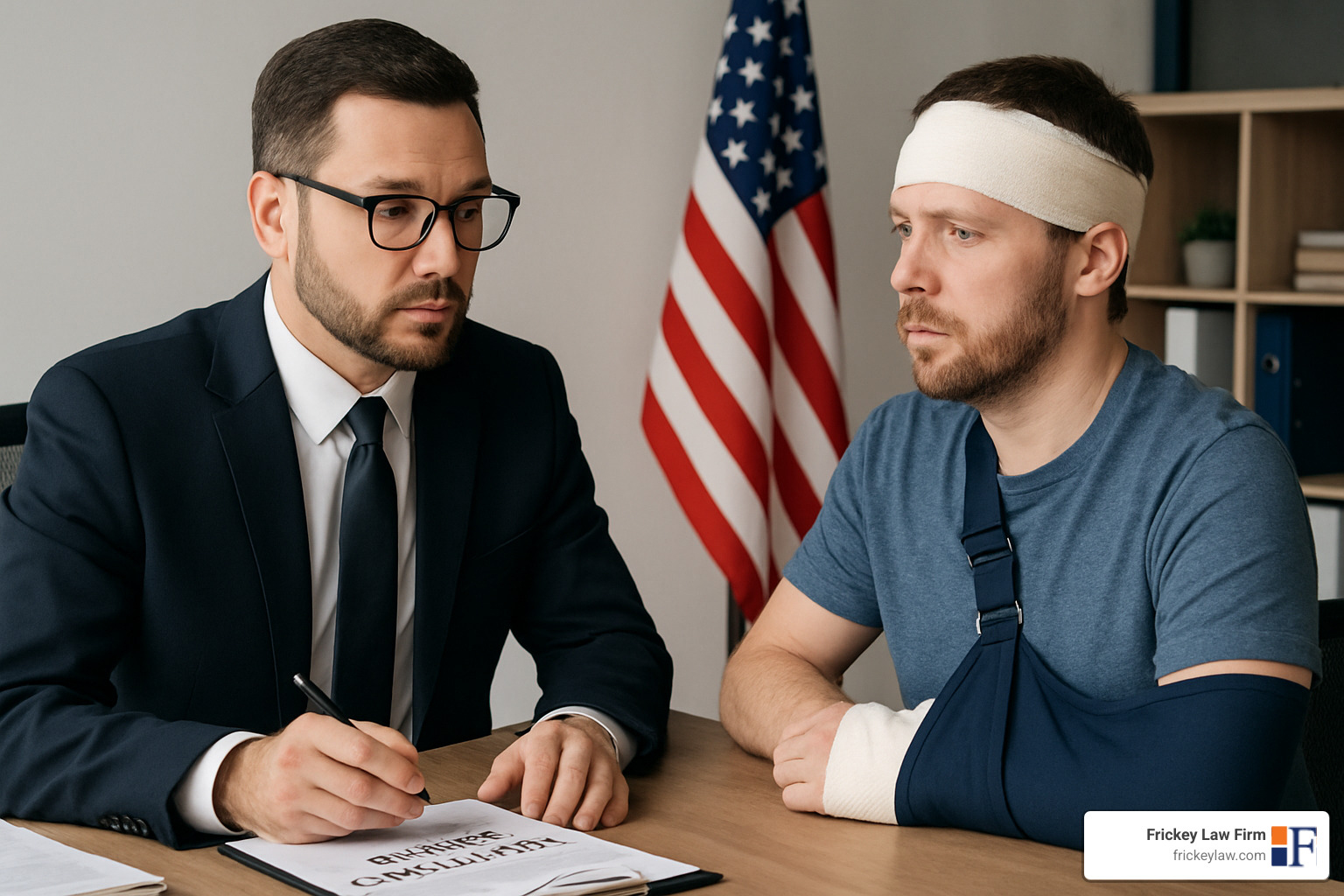
Navigating the aftermath of a workplace injury requires understanding your legal rights, filing strict documentation, and managing potential pushback from employers or insurance carriers. In Hartford, Connecticut, a workers' compensation attorney acts as a crucial advocate who protects an injured employee's right to medical care, temporary wage replacement, and permanent disability benefits under the Connecticut Workers' Compensation Act.
Contents
Understanding the Connecticut Workers' Compensation System
The Connecticut workers' compensation system is designed to provide prompt medical treatment and financial support to employees who suffer job-related injuries or illnesses. Operating on a no-fault basis, the system generally eliminates the need for an employee to prove negligence on the part of their employer. Instead, the injured worker must establish that the injury or illness arose out of and in the course of their employment.
Despite the no-fault framework, securing rightful benefits is rarely automatic. Employers and their commercial insurance carriers frequently contest claims, dispute the extent of a disability, or attempt to minimize payout liabilities. For workers in Hartford, dealing with the Connecticut Workers' Compensation Commission requires strict adherence to procedural rules, statutory deadlines, and medical reporting standards. An experienced local attorney provides the necessary navigational expertise to handle administrative hurdles that frequently overwhelm unrepresented claimants.
Core Responsibilities of a Hartford Workers' Compensation Lawyer
A workers' compensation attorney performs a multifaceted role that extends far beyond courtroom representation. From the moment a client retains counsel, the attorney takes over the administrative, investigative, and adversarial burdens of the claim.
Claim Investigation and Documentation
Establishing a strong foundation for a claim requires gathering comprehensive evidence. Attorneys secure incident reports, witness statements, safety logs, and personnel records. They coordinate closely with medical providers to ensure that treatment notes explicitly connect the injury or occupational disease to workplace duties, closing potential gaps that insurers use to deny coverage.
Managing Communication and Deadlines
Insurers, adjusters, and medical examiners communicate through formal legal channels. Having an attorney handle these interactions prevents injured workers from making inadvertent statements that could compromise their claims. Furthermore, Connecticut law imposes strict timelines for notifying employers, filing Form 30C (Notice of Claim), and requesting formal hearings. Legal counsel ensures these deadlines are met meticulously.
Representation at Informal and Formal Hearings
When disputes arise, the case may proceed through various stages at the Hartford district office of the Workers' Compensation Commission. An attorney represents the claimant during:
- Informal Hearings: Initial sessions before a Workers' Compensation Commissioner to resolve minor disputes regarding medical treatment or temporary benefits.
- Pre-formal Hearings: More structured conferences where formal issues are framed, and additional evidence or independent medical examinations are ordered.
- Formal Hearings: Trial-like proceedings where witnesses testify, expert medical testimony is entered, and the Commissioner issues a legally binding decision.
Common Scenarios Requiring Legal Representation
While minor injuries that require a single doctor's visit and result in no missed work time are occasionally resolved without friction, numerous complex scenarios demand professional legal intervention.
| Scenario | Primary Challenge | Legal Remedy / Attorney Action |
|---|---|---|
| Denied Claims | Insurer rejects liability, claiming the injury occurred outside of work. | File Form 30C, gather supporting medical and witness evidence, and request a hearing. |
| Disputed Medical Treatment | Carrier denies authorization for necessary specialist care or diagnostic testing. | Challenge utilization review decisions and file for emergency informal hearings. |
| Premature Return-to-Work Orders | Employer demands work before the employee is medically cleared. | Obtain physician work-restrictions and enforce temporary total disability benefits. |
| Permanent Partial Disability | Disagreement over the percentage rating of permanent impairment. | Secure independent medical examinations (IMEs) and negotiate fair settlements. |
Maximizing Benefits and Navigating Settlement Negotiations
Securing full compensation involves accounting for all categories of benefits authorized under Connecticut law. Beyond covering reasonable and necessary medical expenses, an injured worker may be entitled to temporary total disability (TTD) or temporary partial disability (TPD) benefits if they experience lost wages or reduced hours.
When maximum medical improvement (MMI) is reached, physicians assign a permanent partial disability rating to the affected body part. Insurers frequently offer low initial settlement figures to close cases quickly. A skilled Hartford attorney evaluates the long-term financial impact of the injury, factoring in future medical needs, vocational retraining, and diminished earning capacity. Armed with this analysis, the attorney negotiates full and final stipulating agreements or-when appropriate-full and final lump-sum settlements, ensuring the client does not prematurely sign away future rights to medical care.
Choosing the Right Legal Counsel in Hartford
Selecting an attorney who understands the local legal landscape of Hartford and the specific administrative tendencies of the Connecticut Workers' Compensation Commission's First District office is critical. Injured workers should seek practitioners who focus heavily or exclusively on workers' compensation law rather than general practice.
Most workers' compensation lawyers in Connecticut operate on a contingency fee basis, regulated strictly by the Workers' Compensation Commissioner. This fee structure means the attorney receives no upfront hourly payment; instead, their fee is a percentage of the benefits secured or settlement achieved, and it must be formally approved by a Commissioner. This arrangement aligns the attorney's financial success directly with the client's recovery outcome.
Frequently Asked Questions
What should I do immediately after a workplace injury in Hartford?
Notify your employer in writing as soon as possible, seek immediate medical attention from an approved provider within your employer’s network if required by your policy, and document all details surrounding the incident. Consulting a workers' compensation attorney early helps ensure your Form 30C is filed correctly.
Can I choose my own doctor for a workers' compensation claim in Connecticut?
Under Connecticut law, employers and insurers often have initial input regarding medical providers through an approved medical clinic or managed care plan. However, employees maintain certain rights to request changes or seek independent medical evaluations under specific statutory conditions. An attorney can guide you through the process of switching authorized physicians if your current care is inadequate.
What happens if my employer fires me for filing a workers' compensation claim?
Connecticut General Statutes Section 31-290a explicitly prohibits employers from discharging or discriminating against any employee because they filed a workers' compensation claim. If retaliatory termination occurs, a specialized attorney can pursue legal action for damages and reinstatement.
How long do I have to file a workers' compensation claim in Hartford?
In Connecticut, you generally must file a written notice of claim (Form 30C) within one year from the date of the accident or within three years from the first manifestation of a symptom for occupational diseases. Missing these statutory deadlines can permanently bar your right to benefits.
Will my workers' compensation case go to trial?
Most workers' compensation disputes are resolved through negotiated settlements or informal hearings before a Commissioner without requiring a full formal trial. However, if liability or the extent of disability remains heavily contested, your attorney must be prepared to litigate the matter fully at a formal hearing.
Next Actions for Injured Workers
If you are facing a denied claim, disputed medical bills, or resistance from an insurance carrier following a workplace accident in Hartford, securing specialized legal guidance is the most effective way to safeguard your financial and physical recovery. Schedule a consultation with an established Hartford workers' compensation attorney to review your documentation, verify your statutory deadlines, and outline a strategic plan tailored to your specific injury.
Image Gallery