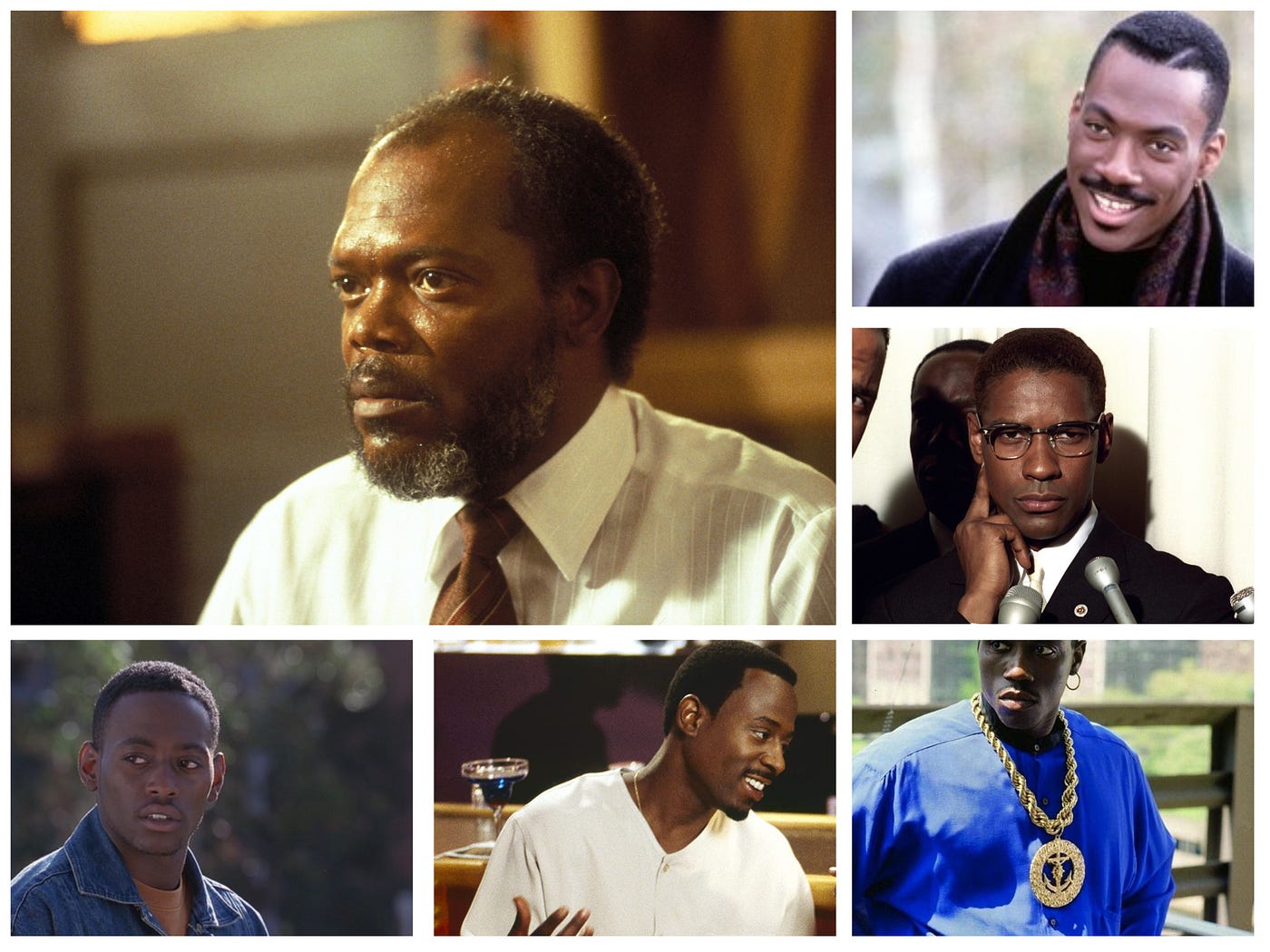
The Defining Era of 90s Film Stars: Icons, Culture, and Cinematic Legacy
The 1990s represented a unique transitional golden age for cinema, bridging the gap between traditional movie-star glamour and the rise of blockbuster franchises. The decade produced a distinct cohort of film stars who defined global p...
The 1990s represented a unique transitional golden age for cinema, bridging the gap between traditional movie-star glamour and the rise of blockbuster franchises. The decade produced a distinct cohort of film stars who defined global pop culture through a mix of high-concept action thrillers, gritty independent dramas, and era-defining romantic comedies.
Contents
The Evolution of Hollywood Stardom in the 1990s
The landscape of Hollywood underwent a seismic shift during the 1990s. The decade opened in the wake of the 1980s blockbuster boom, carrying forward high-octane action heroes while simultaneously giving birth to a new wave of independent cinema. This dual-track industry allowed performers to cultivate unprecedented commercial clout while maintaining artistic credibility through partnerships with visionary auteurs.
During this period, the concept of the global movie star reached its apex. International box office returns began to rival domestic figures, meaning actors like Tom Cruise, Will Smith, and Julia Roberts became recognized faces in nearly every corner of the world. At the same time, the proliferation of entertainment journalism, glossy magazines, and early internet fandom elevated these personalities from traditional actors to pervasive cultural icons.
Defining Categories of 90s Film Stars
To understand the breadth of 1990s cinema, it is helpful to examine the primary archetypes that dominated the box office and critical landscape.
The Action Blockbuster Titans
Action cinema in the 1990s moved away from the muscle-bound, invincible soldiers of the previous decade toward characters with higher vulnerability and emotional stakes.
- Keanu Reeves: Redefined modern action with Speed (1994) and later cemented a legendary sci-fi legacy with The Matrix (1999).
- Will Smith: Transitioned seamlessly from television to box-office royalty with hits like Independence Day (1996) and Men in Black (1997).
- Nicolas Cage: Captured a frantic, unpredictable energy in high-budget action films like The Rock (1996) and Con Air (1997), while winning an Academy Award for Leaving Las Vegas (1995).
The Rom-Com Royalty
The romantic comedy genre experienced its modern commercial peak in the 1990s, driven by charismatic leads who possessed extraordinary comedic timing and relatable charm.
- Julia Roberts: Became America's Sweetheart following Pretty Woman (1990) and sustained unmatched box-office pull throughout the decade with films like My Best Friend's Wedding (1997) and Notting Hill (1999).
- Hugh Grant: Established the quintessential stuttering, charming British archetype through Four Weddings and a Funeral (1994).
- Meg Ryan: Dominated the genre alongside Tom Hanks in chemistry-driven hits like Sleepless in Seattle (1993) and You've Got Mail (1998).
The Indie Darlings and Dramatic Heavyweights
The Sundance Film Festival explosion in the early 1990s created a parallel ecosystem where dramatic actors could achieve massive cultural cachet outside the studio system.
- Ethan Hawke and Winona Ryder: Became the poster children for Generation X disillusionment with Reality Bites (1994).
- Leonardo DiCaprio: Transitioned from acclaimed indie performances like What's Eating Gilbert Grape (1993) to global mega-stardom with Titanic (1997).
- Samuel L. Jackson: Became an omnipresent cinematic force following his powerhouse performance in Quentin Tarantino’s Pulp Fiction (1994).
Comparative Analysis of 90s Star Archetypes
| Archetype | Defining Characteristics | Representative Stars | Peak Box-Office Vehicle |
|---|---|---|---|
| Action Lead | Physicality, global appeal, high-stakes plots | Tom Cruise, Will Smith, Keanu Reeves | Independence Day (1996) |
| Romantic Lead | Charm, relatability, comedic timing | Julia Roberts, Hugh Grant, Meg Ryan | Pretty Woman (1990) |
| Indie / Character Actor | Psychological depth, gritty realism, auteur collaborations | Steve Buscemi, John Turturro, Frances McDormand | Fargo (1996) |
| The Megastar / Dramatist | Critical acclaim combined with blockbuster dominance | Tom Hanks, Brad Pitt, Leonardo DiCaprio | Titanic (1997) |
Financial Realities and Compensation Shifts
The 1990s was famous for the escalation of actor salaries. This era marked the birth of the definitive twenty-million-dollar paycheck per film. Stars like Tom Cruise, Jim Carrey, and Julia Roberts commanded unprecedented sums upfront, often paired with lucrative back-end deals granting them a percentage of gross box office receipts.
This financial model changed how studios greenlit projects. Films were increasingly built around a single marquee name rather than an ensemble or high-concept premise alone. However, toward the end of the decade, rising budgets and inflated star salaries forced studios to reevaluate, paving the way for the intellectual property and franchise-driven models that dominate the contemporary film landscape.
Lasting Cultural Impact and Legacy
The influence of 1990s film stars extends far beyond nostalgic appreciation. They operated in the final era before social media and algorithmic streaming fractured celebrity culture into niche fandoms. Consequently, these actors achieved a monocultural status that modern performers rarely experience.
Furthermore, many of these stars successfully navigated the transition into prestige television, streaming platforms, and independent production companies. Their longevity proves that the training ground of 1990s Hollywood—which demanded both public relations savvy and rigorous screen presence—built enduring careers that continue to shape the entertainment industry.
Frequently Asked Questions
Who were the highest-paid film stars of the 1990s?
Tom Cruise, Jim Carrey, and Arnold Schwarzenegger regularly commanded salaries of $20 million or more per film during this decade. Jim Carrey notably broke industry records by securing $20 million for The Cable Guy (1996), signaling a massive shift in comedy actor compensation.
How did the 1990s independent film movement affect movie stars?
The indie boom launched actors like Johnny Depp, Leonardo DiCaprio, and Gwyneth Paltrow into the spotlight. It allowed performers to balance gritty, low-budget character studies with major studio releases, proving their range and increasing their long-term viability in Hollywood.
Why are 1990s movie stars viewed differently than modern actors?
Stars of the 1990s benefited from a unified media landscape before the rise of social media. Without constant digital access to celebrities' daily lives, movie stars retained an aura of mystery and untouchable glamour that is difficult to replicate in the modern digital era.
What role did romantic comedies play in 1990s stardom?
Romantic comedies served as primary vehicles for building sustained, relatable star power. Actors like Julia Roberts and Meg Ryan utilized the genre to establish profound emotional connections with global audiences, ensuring consistent box-office success across multiple types of projects.
Image Gallery