Auto Insurance in Kalorama, Washington, D.C.: Coverage Requirements, Rates, and Local Considerations
Auto insurance in Kalorama, Washington, D.C., requires navigating District of Columbia insurance mandates alongside the distinct vehicle risks of an historic urban neighborhood. Drivers in Kalorama must maintain minimum liability and u...
Auto insurance in Kalorama, Washington, D.C., requires navigating District of Columbia insurance mandates alongside the distinct vehicle risks of an historic urban neighborhood. Drivers in Kalorama must maintain minimum liability and uninsured motorist coverage while accounting for high vehicle valuations, narrow historic streets, private garaging options, and inter-jurisdictional commutes across the Washington metropolitan area.
Contents
Washington, D.C. Mandatory Auto Insurance Legal Baseline
Vehicles registered in Kalorama fall directly under the regulatory authority of the District of Columbia Department of Insurance, Securities and Banking (DISB) and the District of Columbia Department of Motor Vehicles (DC DMV). D.C. law strictly enforces minimum financial responsibility limits. Operating an uninsured vehicle or allowing policy coverage to lapse results in severe administrative fines, registration suspensions, and potential driver's license revocation.
To meet the legal threshold for operating a motor vehicle in Kalorama, a policy must satisfy three foundational statutory components:
1. Mandatory Liability Coverage
Liability insurance pays for bodily injury and property damage inflicted on third parties when the policyholder is determined to be at fault in an auto accident. The compulsory minimum limits in D.C. are:
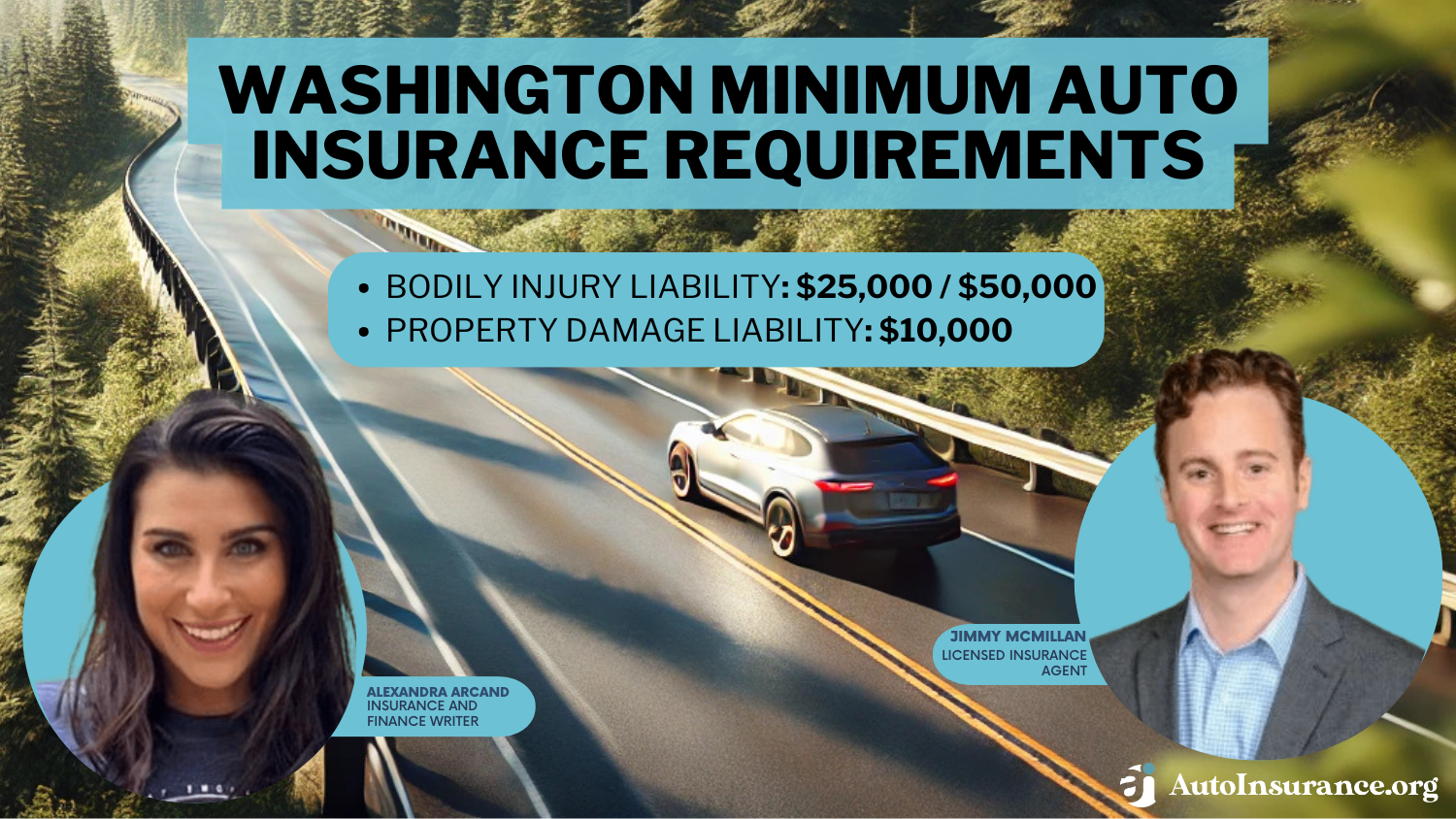
- $25,000 Bodily Injury Liability per person: Covers medical expenses, lost compensation, and legal defense costs for a single individual injured in an accident.
- $50,000 Bodily Injury Liability per accident: The maximum aggregate payout for bodily injuries across all individuals injured in a single occurrence.
- $10,000 Property Damage Liability per accident: Covers physical damage caused to another party's vehicle, private property, or public infrastructure.
2. Mandatory Uninsured Motorist (UM) Coverage
Because a notable percentage of motorists navigating the broader District, Maryland, and Virginia (DMV) region remain uninsured or underinsured, Washington, D.C., mandates statutory Uninsured Motorist protection:
- $25,000 UM Bodily Injury per person
- $50,000 UM Bodily Injury per accident
- $5,000 UM Property Damage per accident: Subject to a legally permitted $200 deductible.
3. Personal Injury Protection (PIP) Options
Washington, D.C., operates under a modified no-fault insurance system regarding Personal Injury Protection. Under D.C. Official Code § 31-2404, insurance carriers must offer PIP coverage to policyholders, but policyholders retain the statutory right to reject PIP in writing.
PIP provides medical benefits, work loss reimbursement, and funeral expense coverage to the policyholder and passengers regardless of fault. However, accepting PIP benefits can limit the insured person's right to sue the third-party at-fault driver unless injuries meet specific statutory severity thresholds (such as permanent impairment, significant disfigurement, or medical expenses exceeding available PIP limits).
Local Risk Factors and Pricing Drivers in Kalorama (Zip Codes 20008 & 20009)
While baseline requirements set the legal floor, insurance carriers compute actual premiums for Kalorama residents using hyper-local risk profiles. Encompassing historic Sheridan-Kalorama and adjacent residential corridors, the neighborhood presents unique underwriting variables compared to suburban markets.
| Risk Factor | Description |
|---|---|
| Urban Density & Narrow Lanes (e.g., Kalorama Rd, Wyoming Ave) | Increased risk of low-speed sideswipes, mirror strikes, and parking scrapes. |
| Vehicle Parking Environment (Off-street vs. Historic Street) | Private attached garage vs. street permit parking alters Comprehensive rates. |
| Mature Tree Canopy Risk (Historic Oak & Elm trees) | Falling limbs/acorns cause severe body/glass damage during seasonal storms. |
| High-Value Vehicle Portfolios (Diplomatic & Luxury Sedans/SUVs) | Exotic, vintage, and high-end EVs demand OEM parts and Agreed Value provisions. |
Street Parking vs. Secured Garaging
Kalorama’s historic architecture features a mix of grand single-family estates with private driveways, detached carriage houses, modern condominiums with underground parking structures, and historic rowhomes reliant on Residential Permit Parking (RPP).
Cars parked along narrow, tree-lined thoroughfares—such as Connecticut Avenue NW, Kalorama Road NW, or Tracy Place NW—face significantly higher statistical exposure to sideswipe collisions, broken side mirrors, hit-and-run fender benders, and falling tree limbs during severe weather. Insurers price Comprehensive and Collision coverage based heavily on whether the vehicle is stored in a locked private garage overnight or parked on public streets.
High-Value Vehicle Density
Kalorama is home to diplomats, international officials, business leaders, and high-net-worth individuals. Consequently, the average replacement value of registered motor vehicles in the 20008 and 20009 zip codes is considerably higher than the national average. When luxury sedans, electric vehicles equipped with complex sensor arrays, and vintage automobiles are involved in claims, repair costs for specialized labor, calibration, and OEM replacement parts rise sharply, directly influencing comprehensive physical damage rates.
Inter-Jurisdictional Traffic and Commuting
Kalorama drivers frequently commute across state lines into Montgomery County, Maryland, or Northern Virginia (Arlington and Fairfax counties). High traffic volumes along major arterials like Rock Creek Parkway, Massachusetts Avenue, and the Key Bridge expose local drivers to regional congestion risks, multi-vehicle pileups, and higher rates of un-insured drivers hailing from surrounding jurisdictions.
Tailoring Auto Insurance Portfolios for High-Net-Worth Protection
Given the substantial net worth of many Kalorama households, relying solely on D.C. statutory minimum limits ($25k/$50k/$10k) leaves personal assets exposed to catastrophic financial liability in severe accidents.
Recommended Coverage Structure
- Standard D.C. Statutory Minimums
- Bodily Injury: $25,000 / $50,000
- Property Damage: $10,000
- UM Limits: $25,000 / $50,000
- PIP: Rejected or $5,000
- Recommended Kalorama High-Net-Worth Structure
- Bodily Injury: $250,000 / $500,000 (or $500k CSL)
- Property Damage: $100,000
- UM/UIM Limits: $250,000 / $500,000
- Personal Umbrella Policy: $1M - $10M+ Overlay
Extended Liability Limits & Combined Single Limits (CSL)
Advisors strongly urge Kalorama residents to purchase liability limits of at least $250,000/$500,000/$100,000 or a $500,000 Combined Single Limit (CSL). A CSL policy provides a single pool of funding that applies flexibly to either bodily injury or property damage per accident, preventing administrative cap limits from triggering out-of-pocket expenses.
Personal Umbrella Liability Integration
For property owners and high-earning professionals in Sheridan-Kalorama, an auto accident exceeding base policy limits can trigger wage garnishments or court judgments against real estate and investment assets. An Umbrella policy provides excess liability protection—typically between $1 million and $10 million—overlaying underlying auto and homeowners policies. Insurers typically require auto policy liability limits to be maximized (e.g., $250k/$500k) before attaching umbrella protection.
Agreed Value vs. Stated Value Coverage for Fine Automobiles
Standard auto policies pay out based on Actual Cash Value (ACV), which factors in vehicle depreciation. For classic cars, collector vehicles, or rare sports cars frequently housed in Kalorama carriage garages, ACV calculations often undervalue the asset. Purchasing an Agreed Value policy guarantees that in the event of a total loss, the insurance provider pays the full agreed contract amount without applying standard market depreciation.
Original Equipment Manufacturer (OEM) Parts Endorsement
Modern luxury vehicles incorporate advanced driver-assistance systems (ADAS), specialized sensors in bumpers, and proprietary glass technology. Standard auto insurance policies often permit body shops to use aftermarket or reconditioned parts. Adding an OEM endorsement ensures that all repairs use factory-certified original parts installed to exact manufacturer standards.
Comparing Auto Insurance Packages in Kalorama, D.C.
Selecting the appropriate coverage requires matching policy structures to your vehicle type, parking conditions, and overall asset risk. The following comparison outlines common policy tiers available in the Washington, D.C. market.
| Coverage Component | Minimum D.C. Statutory Policy | Standard Comprehensive Policy | High-Net-Worth Custom Package |
|---|---|---|---|
| Bodily Injury Liability | $25,000 per person / $50,000 per accident | $100,000 per person / $300,000 per accident | $500,000 Combined Single Limit (CSL) |
| Property Damage Liability | $10,000 per accident | $50,000–$100,000 per accident | Included in $500,000 CSL |
| Uninsured Motorist (UM) | $25k/$50k Bodily Injury; $5k Property Damage | $100k/$300k Bodily Injury; $50k Property Damage | Matches Underlying Liability Limit ($500k) |
| Physical Damage (Comp/Coll) | Not Included (Optional) | Actual Cash Value (ACV) with $500–$1,000 Deductible | Agreed Value / Full OEM Repair Endorsement |
| Personal Injury Protection | Rejected or Minimum Statutory Tier | $10,000–$50,000 Medical Benefit Limit | Primary Medical Coverage + Executive Income Replacement |
| Excess Liability Attachment | Ineligible | Rare (Requires limit increases) | Integrated with $2M–$10M+ Umbrella Policy |
| Target Vehicle / Profile | Older non-commuter vehicles with minimal cash value | Standard domestic/import sedans parked street-side | Luxury, electric, classic, or exotic vehicles garaged off-street |
Premium Optimization Strategies for Kalorama Drivers
While auto insurance rates in high-density urban areas like Washington, D.C. reflect regional traffic risks, policyholders can implement specific strategies to control premium costs without compromising coverage depth:
- Formally Verify Garaging Status: If your vehicle is housed in a secure off-street location, private garage, or residential parking garage, ensure your insurance agent lists the exact garaging code rather than defaulting to street parking status.
- Combine Homeowners and Umbrella Coverages: Bundling auto policies with primary residence homeowners insurance (common in historic Kalorama estates or luxury condos) can yield multi-policy premium discounts of 10% to 20%.
- Utilize Telematics and Low-Mileage Programs: Many Kalorama residents commute via public transportation (such as the Dupont Circle or Woodley Park Metro stations) or work remotely. Telematics programs track actual vehicle usage; driving under 5,000 miles per calendar year often qualifies for significant low-mileage rate reductions.
- Adjust Deductible Structures Strategically: Carrying higher physical damage deductibles—such as $1,000 or $2,500 on Comprehensive and Collision—reduces baseline premium burdens while preserving insurance protection against total losses or severe collisions.
Step-by-Step: Registering and Insuring a Vehicle with D.C. DMV
When purchasing a vehicle, changing insurance carriers, or relocating to Kalorama, drivers must maintain strict compliance with District of Columbia licensing and registration procedures.
D.C. DMV Vehicle Compliance Steps
- STEP 1: Obtain D.C.-compliant insurance meeting statutory DISB minimums.
- STEP 2: Electronic verification transmitted by carrier to D.C. DMV database.
- STEP 3: Complete D.C. Vehicle Safety and Emissions Inspection (if required).
- STEP 4: Submit Title, Proof of D.C. Insurance, and Residency to DMV Service Center.
- STEP 5: Secure D.C. License Plates and Residential Parking Permit (RPP).
Step 1: Secure D.C.-Licensed Insurance Coverage
Before registering a car in Washington, D.C., insurance must be established through a carrier licensed by the District of Columbia DISB. Policies issued in Maryland, Virginia, or other states are not legally recognized for District registration purposes, even if issued by national insurance brands.
Step 2: Electronic Verification with D.C. DMV
Under District regulations, auto insurance carriers electronically transmit policy issuance, cancellations, and coverage modifications directly to the DC DMV database. If an insurance policy lapses, the DMV automatically issues a warning notice followed by insurance failure fines ($150 for the first day of lapse, plus $7 per day up to maximum statutory caps).
Step 3: Vehicle Inspection and Final Registration
Vehicles relocating to D.C. must undergo inspection at the District Inspection Station (located on Half Street SW) for emissions compliance. Once passed, present proof of inspection, D.C. insurance cards, title documents, and proof of Kalorama residency to a DC DMV Service Center to obtain District tags and your Residential Parking Permit (RPP).
Frequently Asked Questions
Is auto insurance legally required to register a car in Kalorama, D.C.?
Yes. The District of Columbia mandates that all motor vehicles registered within D.C. maintain continuous auto liability insurance coverage meeting DISB minimum limits ($25k bodily injury per person, $50k bodily injury per accident, $10k property damage) and uninsured motorist coverage. Driving without valid insurance can lead to severe fines and license suspension.
How does historic street parking in Kalorama affect auto insurance premiums?
Vehicles parked on public streets face higher risks of sideswipes, fallen tree branch damage, glass breakage, and vandalism compared to vehicles stored in private, locked garages. Insurers charge higher Comprehensive and Collision rates for street-parked vehicles. Informing your carrier if you store your car in an off-street driveway or garage can significantly lower premiums.
Should Kalorama residents choose PIP or rely on private health insurance?
While Washington, D.C. requires insurers to offer Personal Injury Protection (PIP), policyholders can opt out in writing. Selecting PIP guarantees prompt reimbursement for medical bills and lost wages regardless of fault, but limits your legal remedies against third parties in minor accidents. Residents with high-quality private health coverage often consult an insurance advisor to decide whether waiving PIP or opting for high liability limits best suits their risk strategy.
What insurance coverage is recommended for high-value and luxury vehicles in Kalorama?
Owners of high-value, exotic, or classic vehicles should consider an Agreed Value policy rather than an Actual Cash Value (ACV) policy, ensuring full value recovery without market depreciation. Additionally, adding an OEM (Original Equipment Manufacturer) parts endorsement guarantees repairs use factory-certified parts, protecting vehicle integrity and resale value.
How does moving from Maryland or Virginia to Kalorama impact car insurance?
Relocating to D.C. requires replacing your previous state insurance policy with a D.C.-compliant policy issued by an insurer licensed in the District. Insurance rates will change to reflect Washington, D.C. legal minimums, local tax structures, zip code risk profiles (20008/20009), and District driving conditions.
Strategic Recommendations for Kalorama Motorists
When evaluating auto insurance coverage in Kalorama, focus on protecting overall financial assets rather than simply satisfying legal minimums:
- Review Umbrella Thresholds: Ensure primary auto liability limits ($250k/$500k or $500k CSL) match the underlying attachment requirements of your personal umbrella policy.
- Audit Garaging Disclosures: Confirm your policy accurately reflects whether your vehicle is housed in a locked garage, private driveway, or street-parked with a D.C. Residential Parking Permit.
- Request OEM and Rental Coverage: Verify that high-value vehicles include OEM parts mandates and realistic daily rental reimbursement limits suitable for luxury loaner vehicles.
- Work with Independent Local Agents: Independent brokers who specialize in the D.C. metro area understand the jurisdictional interplay between D.C., Maryland, and Virginia law, helping tailor coverage to urban high-net-worth exposures.
Disclaimer: This article provides general educational information regarding auto insurance guidelines, legal standards, and local factors in Kalorama, Washington, D.C. It does not constitute formal legal, financial, or licensed insurance advice. Insurance regulations and individual rate factors are subject to change. Consult a licensed insurance professional or legal advisor registered in the District of Columbia for specific policy determinations.
Image Gallery