Understanding What Term Life Insurance Withdrawal Means and How It Works
In standard term life insurance, a "withdrawal" is generally not possible because these policies do not accumulate cash value. Unlike permanent life insurance, term policies are designed strictly to provide a death benefit for a set pe...
In standard term life insurance, a "withdrawal" is generally not possible because these policies do not accumulate cash value. Unlike permanent life insurance, term policies are designed strictly to provide a death benefit for a set period. However, specialized riders like "Return of Premium" or "Living Benefits" may allow for financial recovery or early access under specific conditions.
Contents
The term "withdrawal" in the context of life insurance usually refers to the act of taking money out of a policy's accumulated cash value. While this is a standard feature of permanent policies like whole life or universal life, it is a source of significant confusion for term life policyholders. As we look at the insurance landscape in 2026, understanding the structural limitations and the few exceptions regarding term life insurance "withdrawals" is essential for effective financial planning.
The Structural Difference: Why Standard Term Life Has No Withdrawal Value
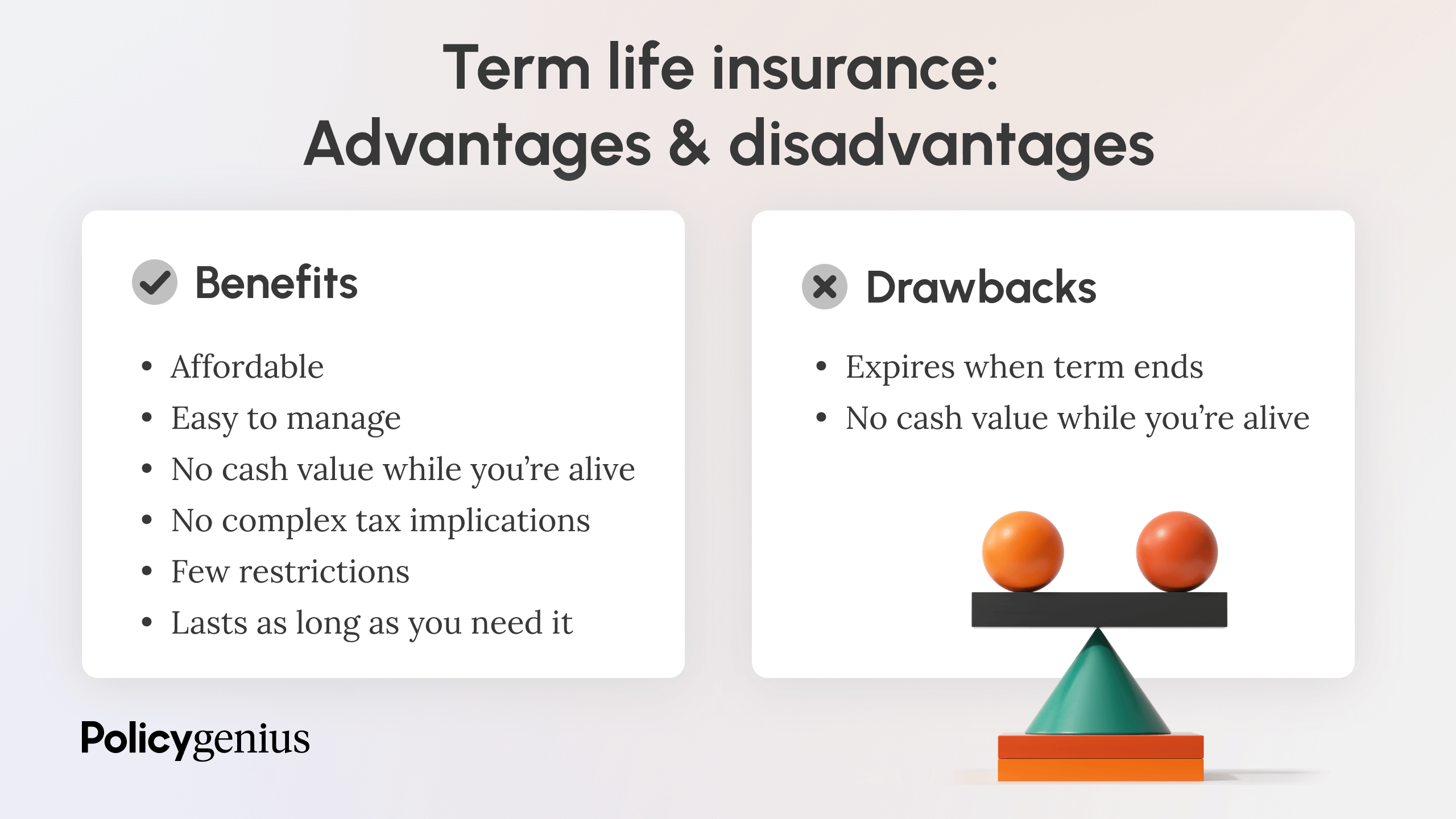
To understand why you typically cannot withdraw money from a term life insurance policy, one must look at the fundamental "pure protection" model of the product. Term life insurance is designed to provide maximum coverage for the lowest possible cost for a specific duration—usually 10, 20, or 30 years.
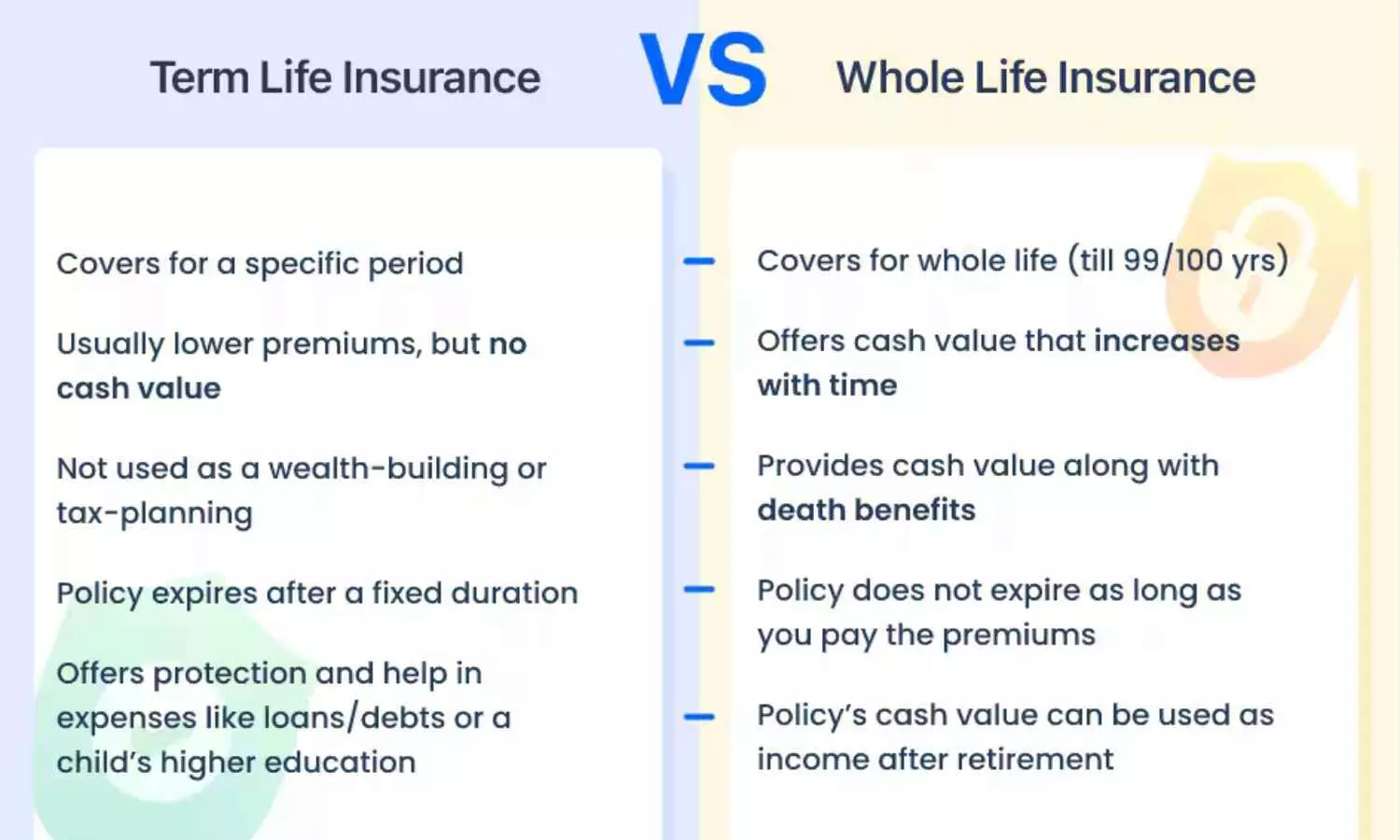
In a standard term policy, your premiums go toward two primary areas: the cost of insurance (the statistical risk of the insurer paying out a death benefit) and the administrative overhead of the insurance company. There is no "savings" or "investment" component built into the premium. Because the policy does not build equity, there is no pool of funds from which a policyholder can draw.
If you stop paying premiums on a standard term policy, the coverage simply ends. There is no residual value or "check in the mail" for the years you held the policy. This is why term insurance is significantly less expensive than permanent insurance; you are paying only for the death benefit protection, not for an accumulating asset.
Misconceptions About Term Life Insurance Withdrawals
Many policyholders confuse the "surrender" of a policy with a "withdrawal." In the world of permanent life insurance, surrendering a policy means canceling it and receiving the accumulated cash value minus any fees. In term life insurance, surrendering the policy means you simply stop paying. There is no cash surrender value to receive.
Another common misconception arises from the "grace period." If a policyholder is facing financial hardship, they may hope to withdraw funds to pay the premium. Since term policies lack cash value, this is not an option. However, most 2026 insurance regulations require a 30- or 31-day grace period during which the policy remains active despite a missed payment.
The Return of Premium (ROP) Exception
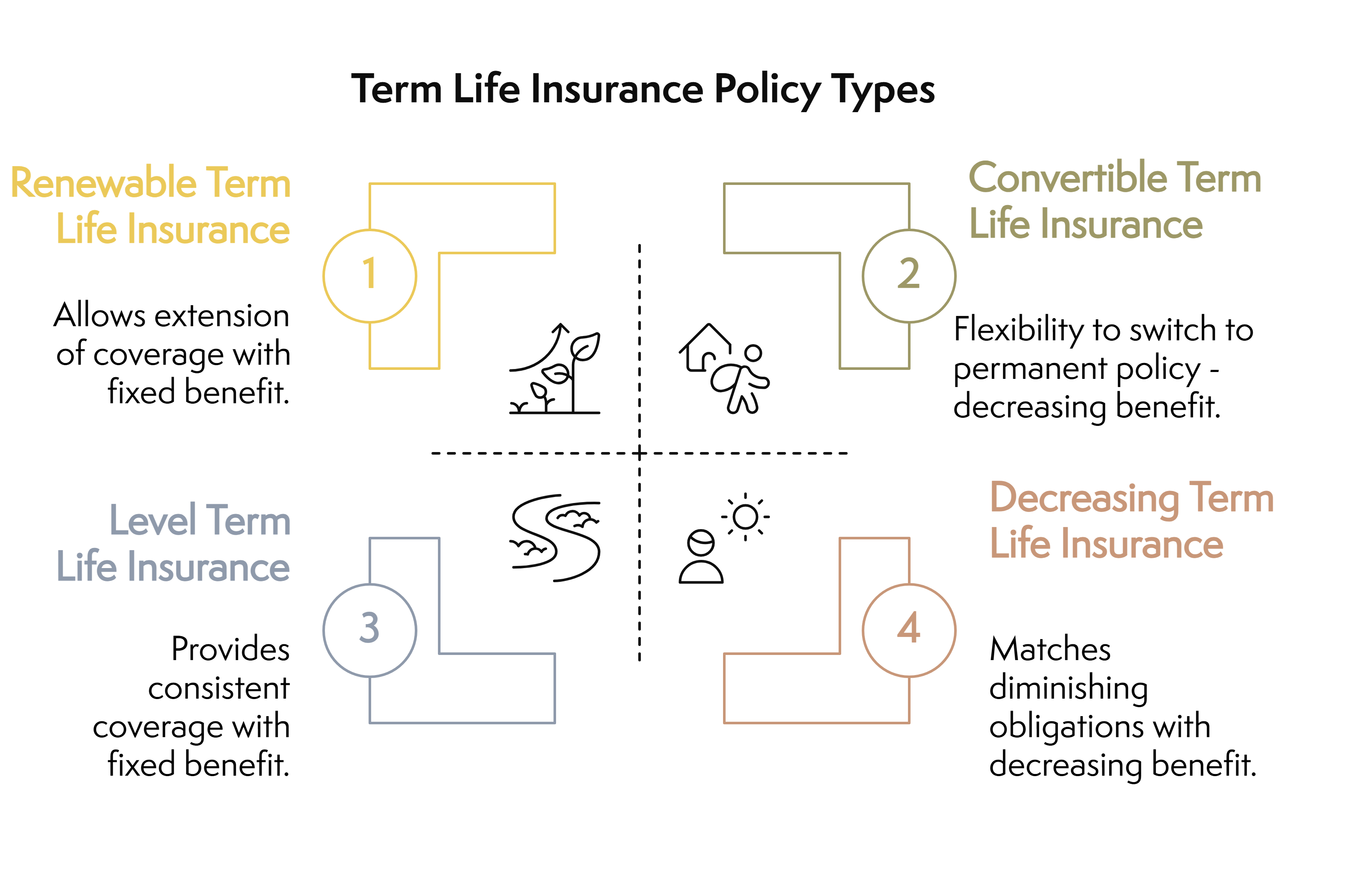
The most significant exception to the "no withdrawal" rule in term insurance is the Return of Premium (ROP) rider or policy type. If you have a Term ROP policy, the "withdrawal" occurs at the end of the term rather than during the coverage period.
How Return of Premium Works
With an ROP policy, if the insured person outlives the term (e.g., the 20-year period ends), the insurance company refunds 100% of the premiums paid during that time. While this isn't a "withdrawal" in the sense of taking money out whenever you need it, it is a way to recover the capital invested in the policy.
The Cost-Benefit Trade-off
It is important to note that ROP policies are substantially more expensive than standard term policies—often costing 20% to 50% more in monthly premiums. Essentially, the insurance company is taking those extra funds, investing them, and using the gains to pay for your coverage while returning your original principal at the end.
Can You Withdraw Early from an ROP Policy?
Most ROP policies do not allow for partial withdrawals during the term. If you cancel the policy early, you may receive a partial refund of premiums, but the "surrender schedule" is usually heavily weighted toward the end of the term. For example, canceling in year 5 of a 20-year ROP policy might result in a very small refund, or none at all, depending on the contract language.
Living Benefits: Accessing the Death Benefit While Alive
While technically an "acceleration" rather than a "withdrawal" of cash value, Living Benefits riders allow policyholders to access a portion of their death benefit while they are still alive. In 2026, these riders have become standard features in many competitive term life products.
Accessing living benefits usually requires a qualifying medical event. These are typically categorized into three areas:
- Terminal Illness: A diagnosis where life expectancy is 12 to 24 months or less.
- Chronic Illness: The inability to perform at least two of the six "Activities of Daily Living" (ADLs), such as bathing, dressing, or eating.
- Critical Illness: Major health events such as a heart attack, stroke, or invasive cancer.
When a policyholder "withdraws" through an accelerated death benefit, the amount taken is deducted from the final death benefit that goes to the beneficiaries. For instance, if you have a $500,000 policy and accelerate $100,000 to cover medical bills, your beneficiaries would receive $400,000 (minus any administrative fees or interest adjustments) upon your passing.
Comparing Withdrawal and Access Features by Policy Type
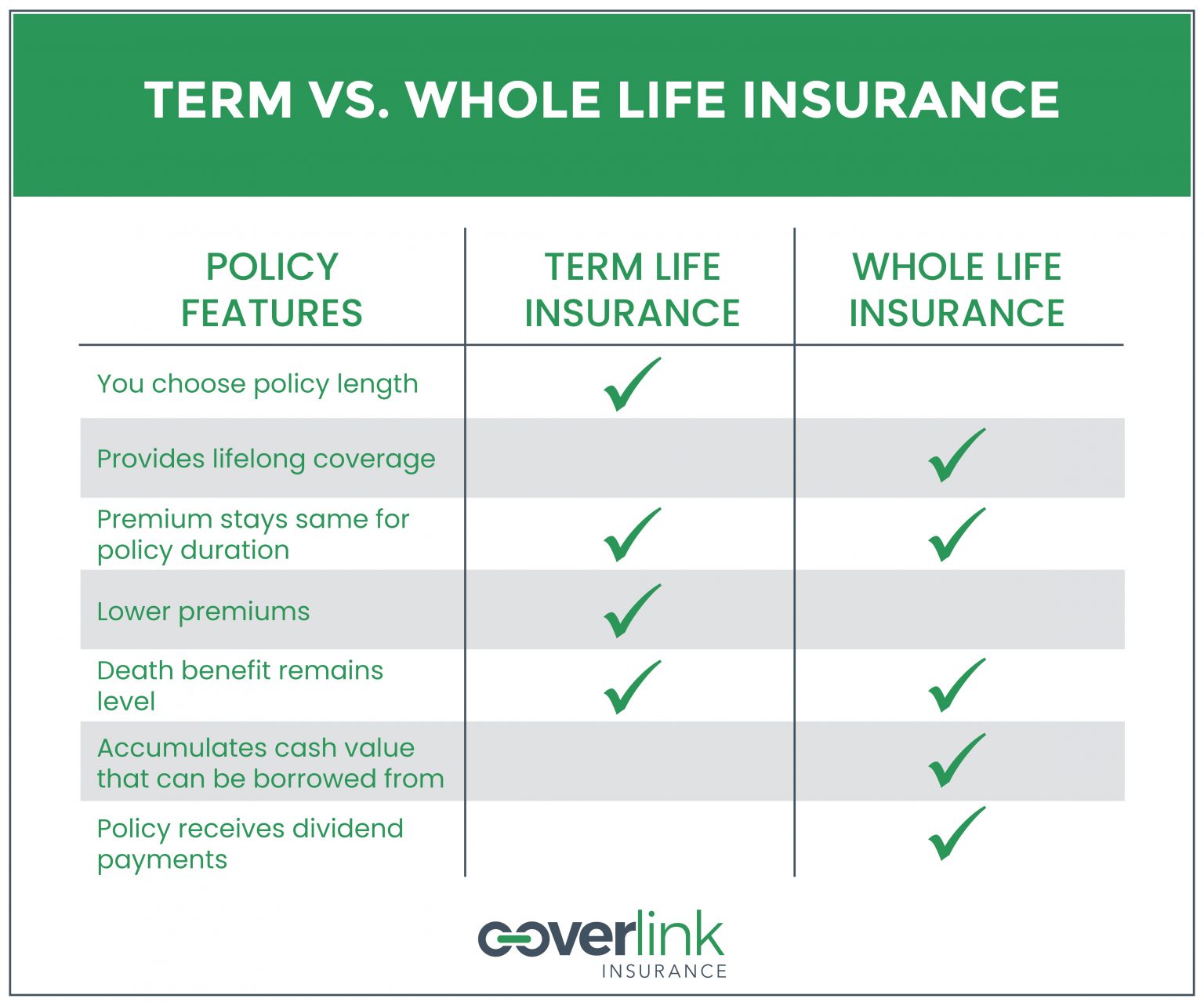
The table below clarifies how different life insurance products handle the concept of withdrawing or accessing funds during the life of the policy.
| Feature | Standard Term Life | Term with Return of Premium (ROP) | Whole/Universal (Permanent) |
|---|---|---|---|
| Cash Value Accumulation | None | None (Refundable Principal Only) | Yes (Builds Equity) |
| Partial Withdrawals | Not Available | Not Available | Available (Reduces Death Benefit) |
| Policy Loans | Not Available | Not Available | Available (Using Cash Value as Collateral) |
| Refund of Premiums | No | Yes (At end of term) | No (Value is based on performance) |
| Living Benefit Access | Optional Rider | Optional Rider | Frequently Included |
| Relative Premium Cost | Lowest | Moderate/High | Highest |
The Conversion Option: Turning "No Value" into "Cash Value"
If you currently hold a term life insurance policy and realize you need a product that allows for withdrawals and cash value accumulation, the Conversion Rider is your most powerful tool.
Most term policies issued in the last decade include a conversion provision. This allows the policyholder to convert their term coverage into a permanent policy (like Whole Life) without undergoing a new medical exam.
Why Convert?
Once the policy is converted to a permanent product, it begins to build cash value. Over time, that cash value grows tax-deferred, and the policyholder gains the ability to take loans or withdrawals against the policy. This is a common strategy for individuals whose financial goals have shifted from simple protection to wealth accumulation or estate planning.
Important Deadlines
Conversion windows are strict. Most companies require you to convert before the end of the term or before you reach a certain age (often 65 or 70). If you miss this window, the option to "upgrade" to a policy with withdrawal capabilities disappears, and you would have to apply for a new permanent policy at your current age and health status.
Tax Implications of Accessing Policy Funds
In the rare instances where you can access money from a term-related product, the tax treatment is generally favorable, but there are nuances to consider.
- Return of Premium: Under current Internal Revenue Service (IRS) guidelines, the refund of premiums from an ROP policy is generally not taxable. This is because the IRS views the refund as a return of your "basis"—money you already paid in after-tax dollars.
- Accelerated Death Benefits: According to Section 101(g) of the Internal Revenue Code, accelerated death benefits paid to a terminally ill or chronically ill individual are generally excluded from gross income, meaning they are tax-free. However, there may be caps on the daily amount for chronic illness benefits.
- Converted Policy Withdrawals: If you convert to a permanent policy and then take a withdrawal, the "FIFO" (First-In, First-Out) rule usually applies. Withdrawals are tax-free up to the amount of premiums paid (the basis). Anything withdrawn above the basis is taxed as ordinary income.
Common Mistakes to Avoid
- Assuming All "Life Insurance" Has Cash Value: Many people buy term insurance thinking it acts like a savings account. It does not. Always verify the "Policy Type" on your declarations page.
- Canceling Too Early on ROP Policies: If you have an ROP policy and cancel it halfway through the term, you may forfeit a significant portion of the premiums you were expecting to get back.
- Ignoring the Conversion Window: If you want a policy with withdrawal features later in life, check your conversion deadline annually.
- Failure to File for Living Benefits: Some policyholders struggle with medical bills while holding a term policy, unaware that their "Living Benefits" rider could provide an immediate "withdrawal" of the death benefit to cover costs.
Professional Advice and Jurisdictional Limits
Insurance regulations vary significantly by jurisdiction. In the United States, insurance is regulated at the state level by entities such as the National Association of Insurance Commissioners (NAIC). The availability of ROP riders and the specific definitions of "living benefits" may differ in states like New York or California compared to others.
Always consult with a licensed insurance professional or a financial advisor before making changes to your policy or attempting to access funds. This article is intended for informational purposes and does not constitute legal, tax, or financial advice.
Frequently Asked Questions
Can I borrow money from my term life insurance policy?
No, you cannot borrow money from a standard term life insurance policy. Policy loans require "cash value" to serve as collateral for the loan. Because term insurance does not build cash value, there is no equity to borrow against. If you need a policy that allows for loans, you would need to convert your term policy to a permanent one or purchase a new whole or universal life policy.
What happens to the money I paid if I cancel my term policy?
In a standard term life insurance policy, the money you paid in premiums is kept by the insurance company to cover the cost of the protection you received while the policy was in force. You do not receive a refund of premiums upon cancellation unless you specifically purchased a "Return of Premium" (ROP) rider. With an ROP rider, you may receive a partial or full refund depending on how long the policy was active.
Is a withdrawal from an accelerated death benefit rider the same as a loan?
No, it is different. A policy loan (available in permanent insurance) must be paid back with interest, or it will be deducted from the death benefit later. An accelerated death benefit "withdrawal" is an advance on the death benefit itself. You do not typically "pay it back," but it permanently reduces the amount your beneficiaries will receive when you pass away. Some companies may charge a one-time administrative fee or apply a discount rate to the accelerated amount.
Can I withdraw the "interest" from my term life policy?
Standard term life insurance policies do not earn interest because they do not have a cash value component. The premiums are not invested in a way that creates an individual account balance for the policyholder. Consequently, there is no interest or investment gain available for withdrawal.
If I have a Return of Premium policy, can I withdraw money after 10 years?
Typically, no. Most Return of Premium (ROP) policies are designed to pay out the refund only at the end of the full term (e.g., after 20 or 30 years). If you cancel at the 10-year mark, the policy language will dictate if any "surrender value" exists. Usually, these schedules are back-loaded, meaning you get very little back if you exit the contract early.
Next Actions for Policyholders
If you are looking for liquidity or "withdrawal" options within your life insurance strategy, take the following steps:
- Review Your Policy Documents: Look for the words "Cash Value," "Return of Premium," or "Accelerated Death Benefit." If these aren't present, your policy likely has no withdrawal value.
- Contact Your Agent: Ask specifically about the "Conversion Options" available to you. Find out the deadline for converting to a permanent policy that builds cash value.
- Check for Riders: Verify if you have "Living Benefits" attached to your term policy. This is the only way to access funds from a standard term policy while alive, and it requires a qualifying medical diagnosis.
- Evaluate Your Needs: If you require a financial vehicle that allows for withdrawals, consider whether the higher cost of a permanent policy or a Term ROP policy aligns with your long-term savings goals.
Image Gallery