Understanding the Impact of Pete the Cat by Eric Litwin
Pete the Cat, created by author Eric Litwin and illustrator James Dean, represents one of the most successful collaborations in contemporary children's literature, characterized by its rhythmic storytelling and simple, optimistic philo...
Pete the Cat, created by author Eric Litwin and illustrator James Dean, represents one of the most successful collaborations in contemporary children's literature, characterized by its rhythmic storytelling and simple, optimistic philosophy. First introduced in 2008 with Pete the Cat: I Love My White Shoes, the series uses repetitive song-based structures to teach early readers and preschoolers how to handle setbacks with a positive, resilient attitude.
Contents
The Origins and Artistic Philosophy
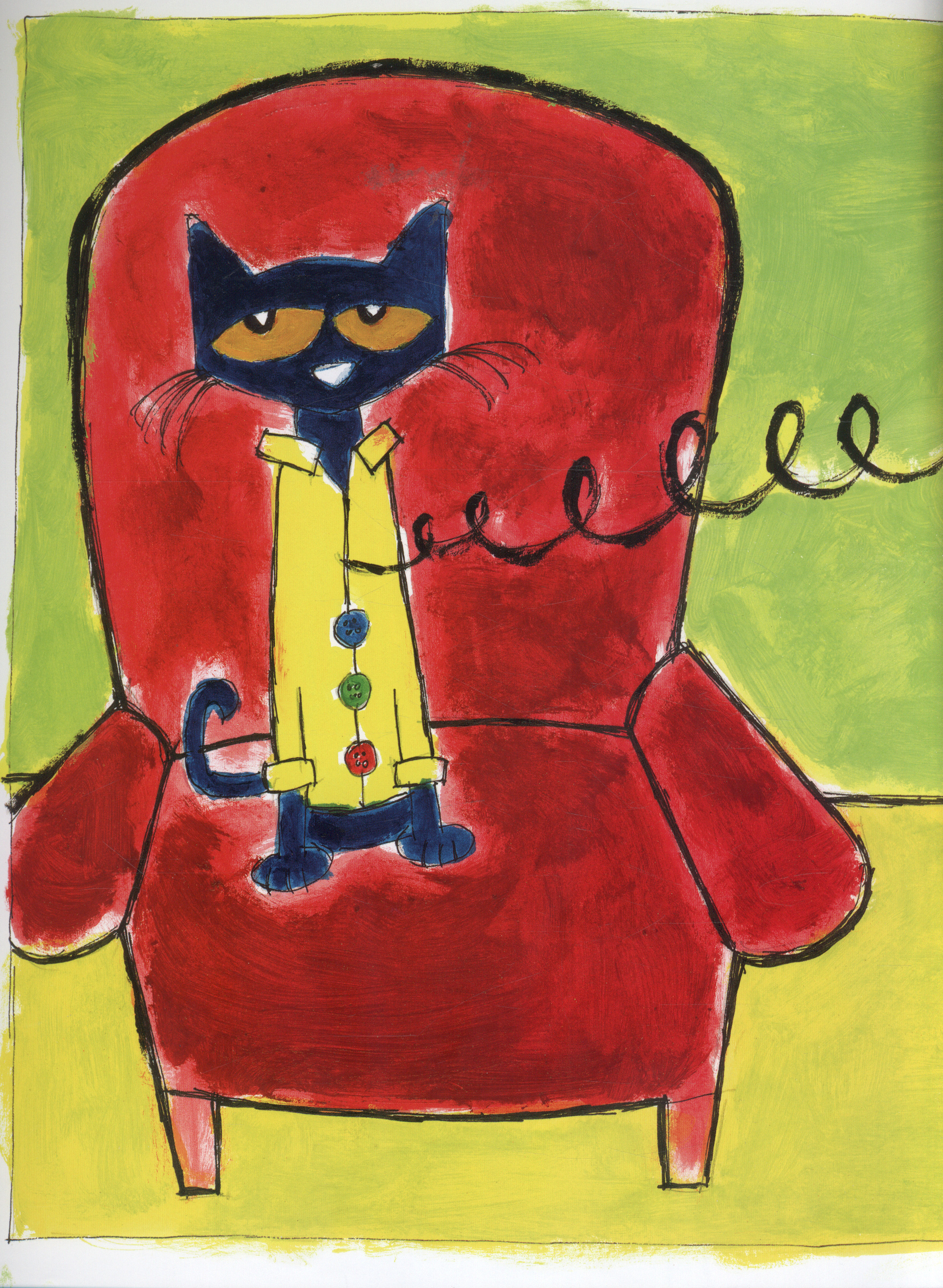
The character of Pete the Cat was not initially developed for mass-market publishing. In 1999, artist James Dean began painting a blue cat named Pete, capturing the feline's laid-back demeanor on canvas. It was not until he collaborated with storyteller and musician Eric Litwin that the character found his narrative voice. Litwin brought a background in early childhood education and interactive performance to the project. By infusing the books with repetitive, song-based refrains, Litwin ensured that the text functioned not just as a story, but as a pedagogical tool for language development.
The primary appeal of the early Litwin-penned books lies in the synergy between visual art and sonic structure. The "cool" persona of Pete serves as an emotional anchor; no matter how messy his shoes become or what color they turn, he keeps moving forward and singing his song. This simple mantra—"It's all good"—became the defining theme for a generation of young readers, bridging the gap between entertainment and emotional resilience training.
The Core Collection: Litwin-Authored Titles
While the Pete the Cat franchise has expanded significantly under the sole authorship of James Dean and his wife Kimberly Dean, the foundational books written by Eric Litwin remain the most critically cited for their rhythmic and educational value. Parents and educators seeking the "classic" Pete experience should look specifically for these titles, which were all published during Litwin’s active tenure with the series:
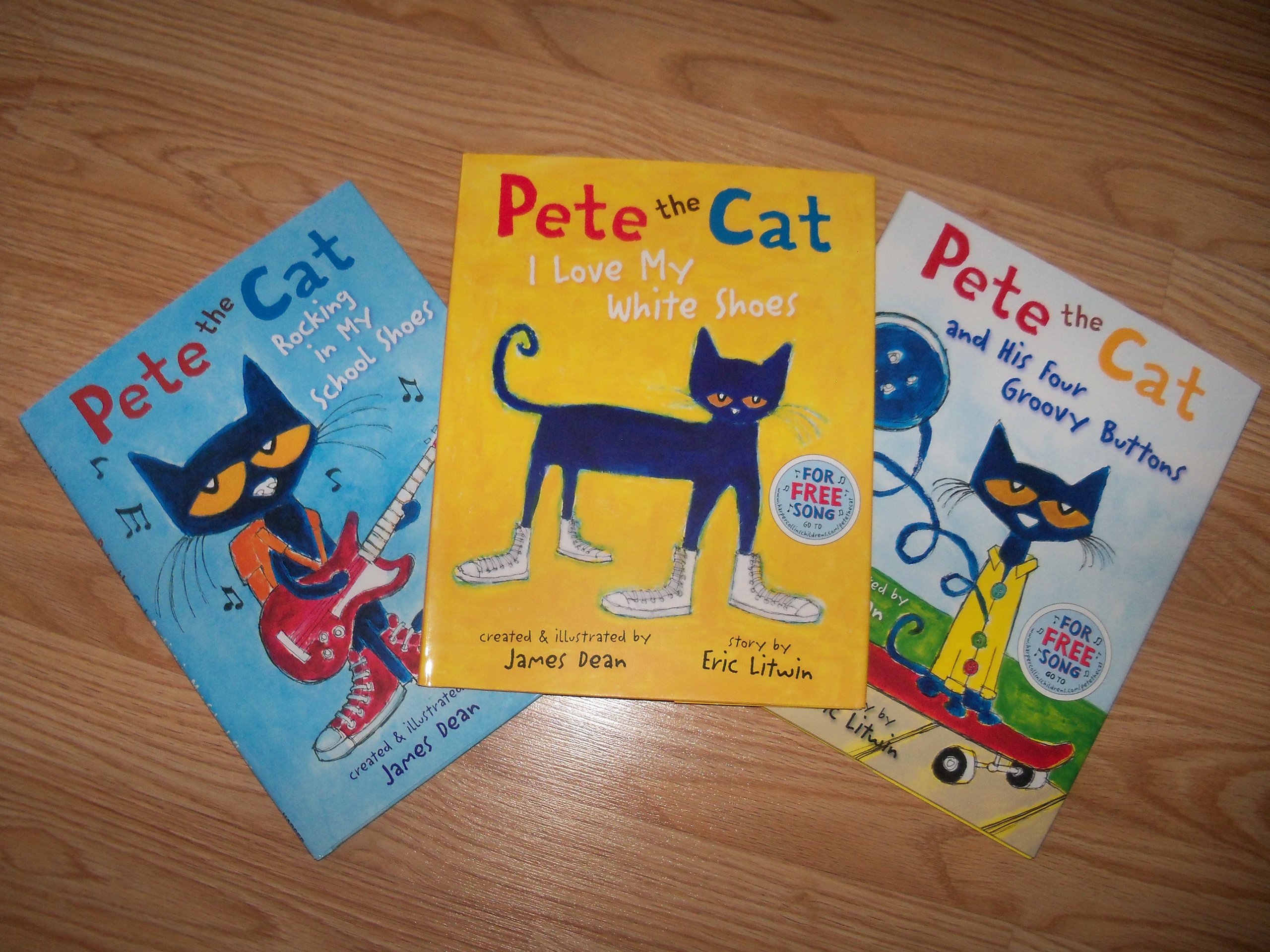
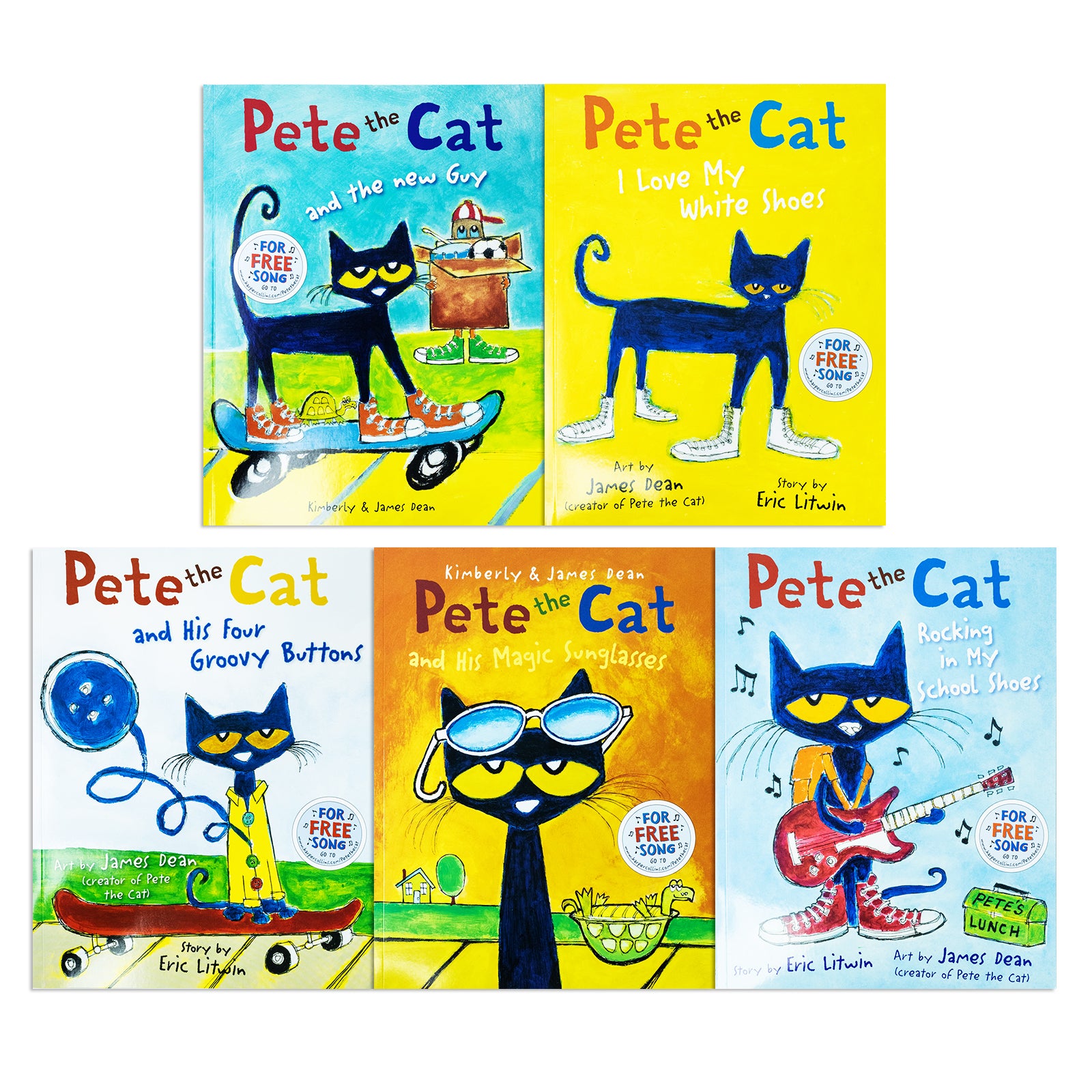
- Pete the Cat: I Love My White Shoes (2008): The debut entry that established the pattern of color-based learning and the "don't worry" mindset.
- Pete the Cat: Rocking in My School Shoes (2011): Focused on navigating the transition into the school environment, specifically highlighting key locations like the library, cafeteria, and playground.
- Pete the Cat and His Four Groovy Buttons (2012): A mathematical introduction to basic subtraction, where Pete loses buttons one by one but remains cheerful.
- Pete the Cat Saves Christmas (2013): A seasonal iteration that emphasizes perseverance and creative problem-solving when faced with a holiday-time obstacle.
Pedagogical Utility and Target Audience
The target audience for these books primarily encompasses children aged three to seven. From a developmental perspective, these books offer specific benefits that extend beyond mere enjoyment. The repetitive nature of the text encourages "emergent literacy," where children begin to predict the next word or phrase in a sentence, building confidence and reading fluency.
Literacy and Numeracy Development
Teachers frequently utilize these books in early childhood curriculum because they integrate cross-disciplinary concepts:
- Sequencing and Prediction: The predictable structure allows children to practice chronological ordering of events.
- Early Mathematics: Specifically in Four Groovy Buttons, the visual representation of objects disappearing provides a tangible introduction to the concept of subtraction and counting backwards.
- Color and Vocabulary: The recurring color motifs and descriptive adjectives support visual recognition and descriptive language acquisition.
- Emotional Regulation: The central theme of coping with change—such as shoes changing colors or buttons popping off—serves as a non-threatening proxy for children to discuss their own frustrations.
Comparison of Early Literacy Tools
When choosing materials for early childhood development, parents and educators often weigh the benefits of interactive storybooks against traditional picture books. The table below outlines the primary advantages of the Litwin-era Pete the Cat books in an educational context.
| Feature | Impact on Development | Educational Value |
|---|---|---|
| Repetitive Refrains | Increases verbal fluency | High (Encourages memorization) |
| Song-based Text | Improves auditory processing | Medium (Engages musical intelligence) |
| Simple Arithmetic | Teaches basic subtraction | High (Visual/Kinesthetic learning) |
| Resilient Protagonist | Develops emotional intelligence | High (Encourages growth mindset) |
Implementation for Parents and Educators
To maximize the value of these books, caregivers should approach them as interactive performances rather than static texts. The original editions published by HarperCollins included audio components (often via a digital code or CD) that allowed children to hear the songs as intended by Eric Litwin. Utilizing these audio assets is highly recommended, as it removes the barrier for parents who may feel self-conscious about their own singing abilities.
When reading to a child, focus on the following:
- Encourage Participation: Pause at the end of a refrain to allow the child to fill in the blank.
- Identify Colors: Use the opportunity in I Love My White Shoes to identify not just the colors, but the objects Pete steps in (e.g., strawberries, blueberries, mud).
- Discuss Feelings: When Pete faces a problem, ask the child how they would feel in that situation and why Pete's reaction of "It's all good" is helpful.
Distinguishing Between Authorship Eras
One common point of confusion for collectors and parents is the shift in authorship. Eric Litwin wrote the first four major books in the series. Following 2013, the publishing trajectory shifted, and James Dean began writing the stories himself, often with his wife, Kimberly Dean. While the visual aesthetic remains identical, readers often note that the rhythm and lyrical flow of the Litwin-era books are distinct. If your goal is to find books with the specific, song-like cadence characteristic of the original series, verify the authorship on the copyright page before purchasing.
Frequently Asked Questions
Are these books still considered appropriate for modern classrooms in 2026? Yes. The themes of resilience and basic numeracy are timeless. Many teachers continue to use these books as standard supplementary materials for kindergarten and first-grade literacy circles.
Should I buy the hardcovers or the board books? Board books are significantly more durable for toddlers (ages 0–3), while the hardcover or paperback versions are better for slightly older children who are beginning to interact with the narrative structure and enjoy the full-page illustrations.
Do I need the audio recordings to enjoy the books? While you do not strictly need them, the books were designed as songs. The audio recordings provide the intended rhythm, which is key to the "interactive" nature of the reading experience.
Are there sequels to the original four books? Yes, there are dozens of Pete the Cat books published since 2013. However, these later books are written by James and Kimberly Dean and may differ in tone and structure from the initial four written by Eric Litwin.
Can these books help children who are struggling with anxiety? While they are not a medical tool, the mantra "It's all good" can be a helpful, simplified cognitive framework for young children to practice when facing minor daily disappointments.
Recommended Next Steps
If you are looking to integrate these books into a home or classroom environment, start by acquiring the foundational four titles. For those interested in the musical aspect, search for the official Pete the Cat audio tracks on major streaming platforms. These tracks often capture the original intended tempo and spirit of Eric Litwin's storytelling, providing a richer experience than reading the text in silence. Ensure that children have physical access to the books while listening, as the correlation between the visual text and the auditory signal is what triggers the strongest literacy gains.
Image Gallery