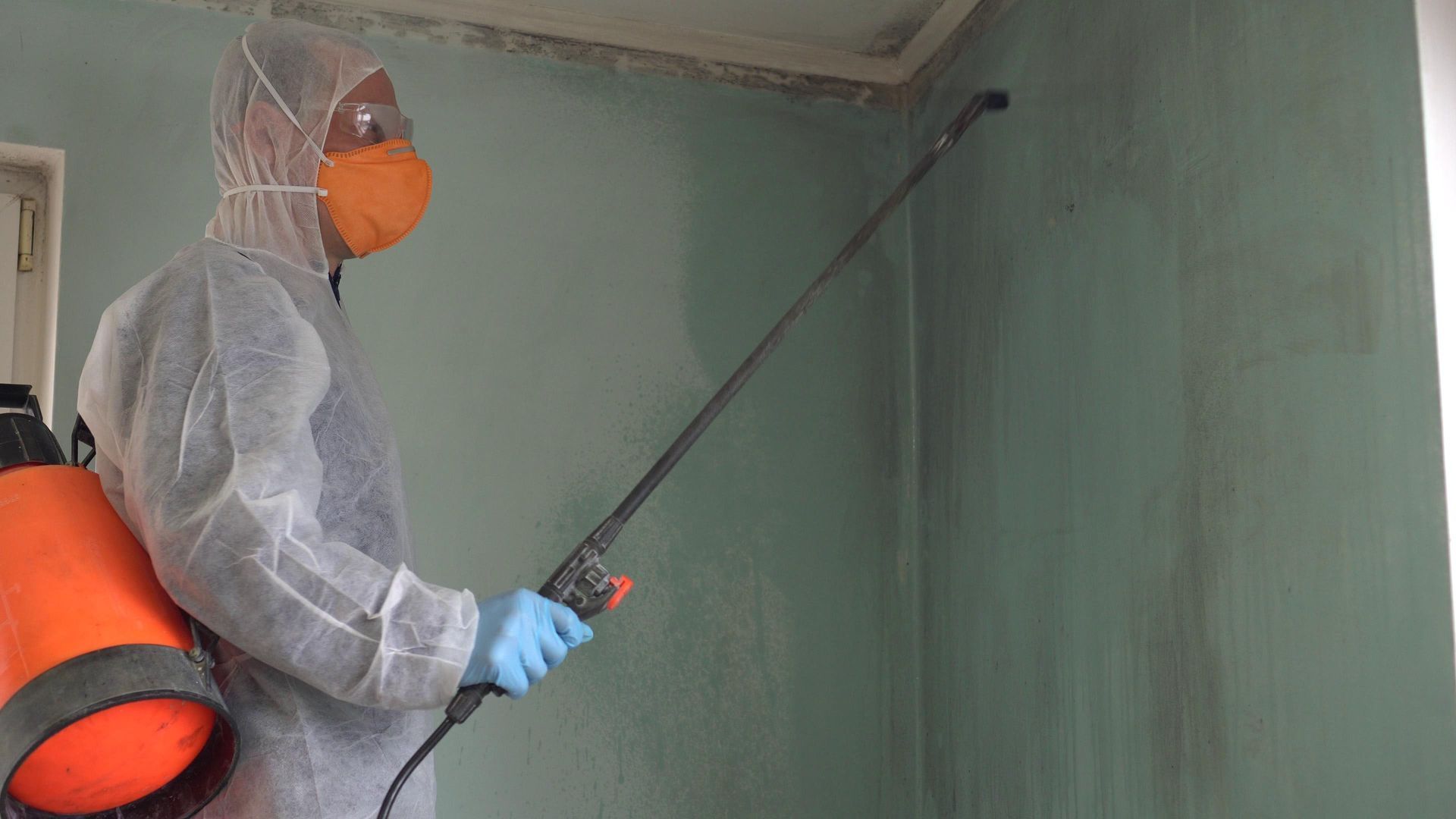
How Professional Mold Remediation for Winter Park Homes Works
Professional mold remediation in Winter Park homes involves a systematic process of identifying moisture sources, containing fungal spores, and physically removing contaminated materials. Given Florida's humid climate, the process prio...
Professional mold remediation in Winter Park homes involves a systematic process of identifying moisture sources, containing fungal spores, and physically removing contaminated materials. Given Florida's humid climate, the process prioritizes structural drying and air filtration to meet IICRC S520 standards, ensuring the environment is restored to a safe, "Condition 1" (normal) status.
Contents
The Specific Vulnerabilities of Winter Park Properties
In 2026, homeowners in Winter Park continue to face unique environmental challenges that necessitate professional mold intervention. The city's geography, characterized by the Winter Park Chain of Lakes and a high water table, creates a perennial humidity issue. Whether you own a historic estate near Rollins College or a modern build in the Via districts, the interplay between outdoor moisture and indoor climate control is the primary driver of mold growth.
Winter Park architecture often features crawl spaces or older building envelopes that lack the vapor barriers found in contemporary construction. When the dew point remains high—common during the long Florida summer and wet autumn months—condensation forms within wall cavities and HVAC systems. Because mold spores are ubiquitous in the Florida atmosphere, they only require 24 to 48 hours of moisture to begin colonizing organic materials like drywall, wood studs, and carpeting. Remediation is not merely about "killing" mold with bleach; it is a mechanical process of removal and environmental stabilization.
The Legal Framework: Florida Licensing and Ethics
Before the physical work begins, it is essential to understand the legal requirements in Florida. Under Florida Statute 468.8411, there is a clear distinction between a Mold Assessor and a Mold Remediator. To prevent conflicts of interest, the person who inspects and tests your home for mold should not be the same person who performs the remediation work on the same project (for areas exceeding 10 square feet).
This "double-check" system ensures that the remediation plan is based on objective data and that the final clearance is verified by an independent third party. When hiring a service in Winter Park, homeowners must verify that the professionals hold active licenses from the Florida Department of Business and Professional Regulation (DBPR).
Phase 1: Professional Assessment and Moisture Mapping
The remediation process begins with a comprehensive assessment. A licensed assessor uses specialized tools to go beyond what is visible to the naked eye. In Winter Park’s older homes, mold often hides behind plaster walls or under wood flooring.
- Moisture Meters: These devices measure the moisture content in various materials. "Pin" meters are used for wood, while "pinless" meters use electromagnetic signals to detect moisture behind tiles or drywall without causing damage.
- Infrared (Thermal) Imaging: Thermal cameras detect temperature differentials. Since evaporative cooling makes damp areas colder than dry ones, these cameras identify hidden leaks or condensation points within the ceiling or walls.
- Air and Surface Sampling: While visible mold is usually sufficient evidence to begin work, air sampling (spore traps) helps determine the "spore load" inside the home compared to the outdoor baseline. This is critical for identifying whether the HVAC system has been compromised.
Phase 2: Containment and Air Pressure Management
Once the scope of work is defined, the remediation team must isolate the affected area. This is the most critical step to prevent cross-contamination. As moldy materials are disturbed, they release millions of microscopic spores into the air. Without proper containment, a small bathroom mold problem can quickly become a whole-house contamination issue.
Remediators construct "critical barriers" using 6-mil fire-retardant polyethylene sheeting. These barriers seal off doorways, vents, and any gaps. High-efficiency particulate air (HEPA) air scrubbers are then deployed to create negative air pressure. This ensures that whenever a door to the containment zone is opened, air is pulled into the workspace rather than pushing contaminated air out into the living areas. The air scrubbers also cycle the air within the containment zone, filtering out spores and fine dust particles during the demolition process.
Phase 3: Physical Removal and HEPA Vacuuming
Contrary to popular belief, spraying mold with biocides or bleach is not an effective remediation strategy. Dead mold spores can be just as allergenic and toxic as live ones. The gold standard for remediation, according to the Institute of Inspection, Cleaning and Restoration Certification (IICRC), is the physical removal of the mold and the materials it has colonized.
- Porous Materials: Drywall, insulation, and carpeting that have been colonized by mold are generally non-salvageable. These are carefully bagged within the containment zone and disposed of.
- Semi-Porous Materials: Items like solid wood studs or masonry can often be cleaned. This involves "HEPA sandwiching": HEPA vacuuming the surface, followed by damp-wiping with an antimicrobial solution, and a final HEPA vacuuming once the surface is dry.
- Abrasive Cleaning: In cases of heavy growth on structural timber, technicians may use wire brushing, sanding, or "media blasting" (using dry ice or baking soda) to remove the outer layer of wood where the mold hyphae (roots) have penetrated.
Phase 4: HVAC System Decontamination
In Central Florida, the air conditioning system is the lungs of the home. If mold is found in one room, there is a high probability that spores have entered the return vents. If the HVAC system itself contains organic dust and moisture, it becomes a breeding ground.
Remediating an HVAC system involves cleaning the evaporator coils, blower motor, and the interior of the air handler unit. If the ductwork is lined with fiberglass (duct board) and becomes moldy, it usually must be replaced, as the porous surface cannot be effectively cleaned. For metal ducts, specialized brushes and negative pressure vacuums are used to remove debris, often followed by the application of an EPA-registered encapsulant to prevent future growth.
Phase 5: Structural Drying and Dehumidification
Removing the mold is useless if the moisture remains. Winter Park homes often require industrial-grade dehumidifiers to bring the relative humidity (RH) down below 50%. Professional-grade LGR (Low Grain Refrigerant) dehumidifiers are used because they can continue to pull moisture from the air even in cooler, drier conditions where standard residential units would fail.
Technicians monitor "drying goals" daily. They check that the "dry standard" of the building materials (the moisture level they should naturally have) is reached. This prevents the "rebound effect," where mold returns a few weeks after the project ends because the subfloor or wall studs were still damp when the new drywall was installed.
Comparing Remediation Approaches
The following table outlines the differences between professional remediation and common (but often ineffective) alternatives for Winter Park properties.
| Feature | Surface Cleaning (DIY) | Professional Remediation | Fogging/Ozone Treatment |
|---|---|---|---|
| Spore Containment | None; spores spread freely. | Negative air pressure & poly-barriers. | None; relies on chemical neutralization. |
| Root Removal | Minimal; hyphae remain in pores. | Physical removal of materials/media blasting. | None; mold remains in place. |
| Moisture Correction | Usually ignored. | Mandatory structural drying. | Often ignored. |
| Verification | Visual only. | Independent Post-Remediation Verification (PRV). | Visual only. |
| Safety Standard | Low; high risk of recurrence. | High; follows IICRC S520. | Moderate to Low; dead spores remain. |
Phase 6: Post-Remediation Verification (PRV)
The final step in the process is the "clearance test." After the remediation is complete but before the containment barriers are removed and the new drywall is installed, an independent mold assessor returns to the property.
The assessor performs a visual inspection to ensure no dust or debris remains and then conducts air sampling. For the home to "pass," the indoor spore counts must be significantly lower than the outdoor samples, and no "target" molds (like Stachybotrys or Chaetomium) should be present. Only after receiving a passing PRV report should the homeowner proceed with the "build-back" phase to restore the aesthetics of the home.
Cost Factors for Winter Park Homes
In 2026, the cost of mold remediation in Winter Park is influenced by several local variables. On average, small-scale remediation (one room) ranges from $2,500 to $5,000, while whole-house projects or those involving extensive HVAC work can exceed $15,000 to $30,000.
- Accessibility: Historic homes in the downtown Winter Park area may have tight crawl spaces or lath-and-plaster walls that require more labor-intensive demolition and cleaning.
- Material Type: Removing mold from a luxury kitchen with stone countertops and custom cabinetry is significantly more expensive than a standard laundry room, as materials must be carefully detached and reset.
- Contamination Level: IICRC defines three levels of contamination. Condition 1 is normal; Condition 2 is settled spores; Condition 3 is actual growth. The higher the condition level, the more aggressive the filtration and cleaning requirements.
Common Pitfalls to Avoid
Homeowners often make the mistake of hiring a general contractor to handle mold. While contractors are excellent at building, they often lack the specialized equipment (like HEPA scrubbers) and training required to manage microscopic contaminants. Another mistake is using "anti-mold" paint over existing growth. Mold can grow through the paint or continue to rot the wood underneath, leading to structural failure over time.
Furthermore, always ensure the remediation company provides a detailed "Scope of Work" document. This should clearly state the methods of containment, the type of filtration used, and the specific antimicrobial agents applied (which must be registered with the U.S. Environmental Protection Agency).
FAQ: Professional Mold Remediation in Winter Park
Can I stay in my home during the mold remediation process? It depends on the location and severity of the mold. If the mold is confined to a single room with a sealed door and separate air filtration, you may be able to stay. However, if the HVAC system is being cleaned or if the mold is in a primary kitchen or bathroom, temporary relocation is often recommended to avoid exposure to noise and debris.
How long does the average remediation project take? Most professional remediation projects in Winter Park take between 3 and 7 days. This includes the time needed for containment setup, demolition, cleaning, and the 24-48 hours required for industrial dehumidifiers to reach drying goals before final testing.
Does homeowners insurance cover mold remediation in Florida? Many Florida policies have a "Mold Limit" (often capped at $10,000) or require a specific endorsement for mold coverage. Coverage typically applies only if the mold resulted from a "sudden and accidental" water discharge, such as a burst pipe. Mold resulting from long-term humidity or lack of maintenance is usually excluded.
Is it necessary to throw away all my furniture if mold is found? Non-porous items (metal, glass, hard plastics) can be cleaned and saved. Semi-porous items (solid wood furniture) can often be saved through HEPA vacuuming and wiping. However, highly porous items like upholstered sofas or mattresses that have significant mold growth are generally discarded because spores can be trapped deep within the foam.
Why is bleach not recommended for mold remediation? The EPA and IICRC do not recommend bleach for mold on porous surfaces. Bleach's ion structure prevents it from penetrating porous materials like wood or drywall, meaning it only "whitens" the surface mold while the water in the bleach actually feeds the roots (hyphae) deeper inside the material.
Next Actions for Homeowners
If you suspect mold growth in your Winter Park home, the first step is to stop the source of moisture. Turn off the water if there is a leak and adjust your AC to maintain humidity below 50%. Your next action should be to contact a licensed mold assessor to create a protocol. Once you have the protocol, solicit bids from licensed remediators who follow IICRC S520 standards. Never proceed with reconstruction until you have a written "clearance" report from an independent third-party inspector.
Image Gallery