Is It OK to Drink Shower Water? Health Risks and Safety Explained
Drinking shower water is generally not recommended due to potential contamination from the water heater, plumbing materials, and bacteria living within the showerhead. While the water entering your home is usually potable, the specific...
Drinking shower water is generally not recommended due to potential contamination from the water heater, plumbing materials, and bacteria living within the showerhead. While the water entering your home is usually potable, the specific path it takes to the shower can introduce lead, sediment, and harmful pathogens like Legionella.
Contents
The Journey of Water: Why the Shower Is Different from the Kitchen
To understand why drinking shower water is risky, one must first distinguish between the water provided by a municipal utility and the water that eventually exits a showerhead. In most developed nations, water treatment plants ensure that water leaving the facility meets strict safety standards for consumption. However, the integrity of that water is subject to the "last mile" of delivery—the pipes, heaters, and fixtures within your own home.
Kitchen taps are typically designed and maintained for the primary purpose of providing drinking water. They are often equipped with aerators that are cleaned more frequently, and many homeowners install secondary filtration systems specifically at the kitchen sink. In contrast, shower systems are designed for high-volume hygiene, not consumption. By 2026, although smart home water monitoring has become more common, the physical infrastructure of most residential plumbing still relies on older materials and storage methods that can degrade water quality.
The primary difference lies in the temperature and the transit route. Kitchen water is usually drawn directly from the cold water main for drinking. Shower water is often a blend of cold water and water that has been sitting in a heater tank, which significantly alters its chemical and biological profile.
The Role of the Water Heater in Water Quality
The water heater is the most significant factor making shower water potentially unsafe for drinking. Most residential homes utilize a tank-based water heater where water is stored and heated over long periods. This environment creates several issues:
Sediment Accumulation and Mineral Buildup
Over time, minerals like calcium and magnesium settle at the bottom of the heater tank. This sediment can harbor bacteria and interact with the inner lining of the tank. While these minerals are generally not toxic in small amounts, the "sludge" at the bottom of a heater can affect the taste, odor, and clarity of the water. In older systems, this sediment can also include rust or particles from a degrading sacrificial anode rod—a component designed to corrode so the tank doesn't.
Bacterial Proliferation
Water heaters provide a warm environment that is ideal for bacterial growth if the temperature is not maintained correctly. To prevent the growth of Legionella bacteria, the Centers for Disease Control and Prevention (CDC) and other health organizations recommend keeping water heaters set to at least 140°F (60°C). However, many households lower this temperature to 120°F (49°C) to prevent scalding and save energy. This lower temperature is within the "danger zone" where pathogens can thrive and multiply.
Stagnation
Water in a shower line may sit stagnant for hours or even days between uses. During this time, any residual chlorine used by the municipality to disinfect the water can dissipate, especially in the warm environment of a bathroom. Without the protective effect of disinfectant, microbes can colonize the interior surfaces of the pipes and the showerhead itself.
Microbial Hazards: Biofilms and Pathogens
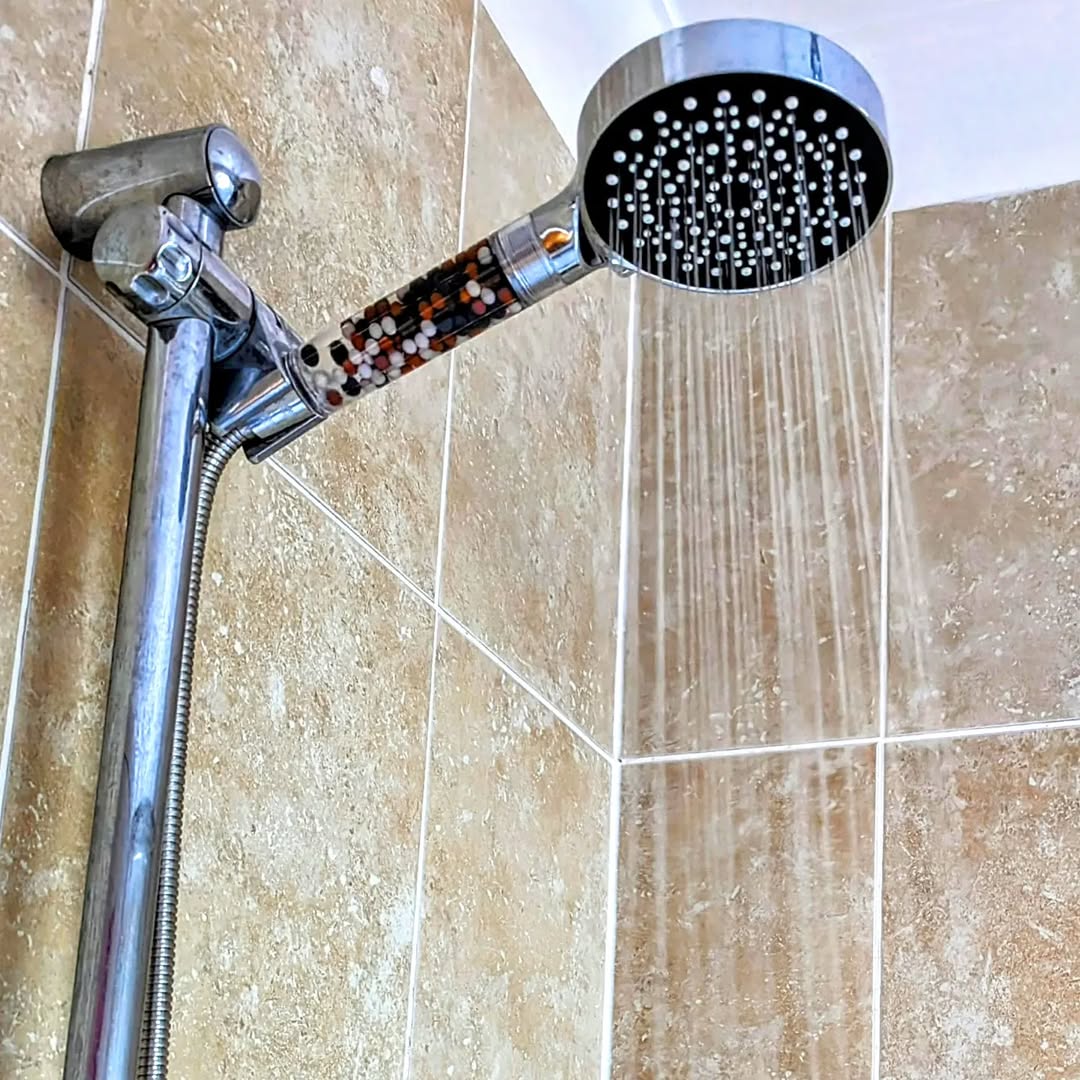
Even if the water in your heater is clean, the showerhead itself acts as a unique micro-ecosystem. The internal structure of a showerhead is complex, featuring many small channels and rubber nozzles that are rarely cleaned internally.
Biofilms are slimy layers of microorganisms that adhere to the internal surfaces of plumbing. These films protect bacteria from the heat and chemicals that would otherwise kill them. Research has shown that showerheads are often colonized by Mycobacterium avium complex (MAC), a group of bacteria related to tuberculosis. While MAC is primarily a respiratory threat when inhaled as a mist, ingesting contaminated water can still pose risks to individuals with compromised immune systems.
The risk of Legionnaires' Disease is also a primary concern. Legionella bacteria are naturally found in water environments but become a health risk when they grow in human-made water systems. While the most common route of infection is inhaling microscopic water droplets (aerosols) produced during a shower, drinking the water can lead to infection if the water is accidentally "aspirated"—meaning it enters the lungs instead of the stomach.
Chemical Leaching and Heavy Metal Concerns
The temperature of the water significantly impacts its ability to dissolve materials. Hot water is a much more effective solvent than cold water, which means it is more likely to leach chemicals and metals from your plumbing system.
Lead and Copper Contamination
In homes built before the late 20th century, lead pipes or lead solder were commonly used. Even in modern homes, "lead-free" brass fixtures can legally contain trace amounts of lead. When hot water sits in these pipes, it leaches lead and copper at a much higher rate than cold water. The Environmental Protection Agency (EPA) explicitly warns against using water from the hot water tap for drinking or cooking because of this increased leaching risk.
Plastic and PEX Leaching
By 2026, many homes have transitioned to PEX (cross-linked polyethylene) or PVC piping. While these materials are generally considered safe, some studies suggest that hot water can cause the leaching of volatile organic compounds (VOCs) or microplastics from certain types of plastic piping, particularly if the installation is relatively new or of lower quality.
Comparing Tap Water Sources in the Home
The following table highlights the differences between various water outlets in a typical residential setting as of 2026.
| Feature | Kitchen Tap (Cold) | Shower (Cold) | Shower (Hot/Warm) |
|---|---|---|---|
| Primary Source | Main Water Line | Main Water Line | Water Heater Tank |
| Bacterial Risk | Very Low | Moderate (Biofilm) | High (Legionella/Sediment) |
| Heavy Metal Risk | Low | Low | High (Leaching) |
| Filtration | Often Filtered | Rarely Filtered | Rarely Filtered |
| Regulatory Target | Human Consumption | Bathing/Hygiene | Bathing/Hygiene |
| Recommended Use | Drinking/Cooking | Hygiene/Rinsing | Hygiene Only |
International Differences: The "Header Tank" Issue
The safety of shower water also depends heavily on your geographic location and the age of the building. In some countries, particularly in older buildings in the United Kingdom and parts of Europe, the hot and cold water in bathrooms may be supplied by a gravity-fed header tank located in the attic.
These tanks are often poorly sealed, allowing dust, debris, insects, or even small rodents to enter. Water stored in these tanks is not considered "wholesome" or potable. If you are in an older building with this type of plumbing, drinking shower water—even the cold water—could lead to immediate gastrointestinal illness. The Health and Safety Executive (HSE) provides guidelines on managing these systems, emphasizing that they should not be used for drinking water.
Accidental Ingestion vs. Intentional Drinking
It is important to distinguish between accidentally swallowing a small amount of water while rinsing your face and intentionally filling a glass to drink.
For a healthy adult, the small amount of water swallowed during a normal shower is unlikely to cause acute illness. The body’s stomach acid is capable of neutralizing many common environmental microbes. However, making a habit of drinking shower water increases cumulative exposure to heavy metals and persistent pathogens. For vulnerable populations—including the elderly, young children, or those with underlying lung or immune conditions—even small amounts of contaminated shower water can be hazardous.
Frequently Asked Questions
1. Can I drink shower water if I have a whole-house filter?
A whole-house filter improves general water quality by removing chlorine and sediment as water enters the home. However, it does not prevent the leaching of metals from pipes after the filter, nor does it stop bacteria from growing in the water heater or the showerhead biofilm. Even with a filter, the showerhead remains a point of potential contamination.
2. Is it safer to drink cold shower water?
Generally, yes. Cold water comes directly from the main and bypasses the water heater, reducing the risk of sediment and heavy metal leaching. However, it still passes through the showerhead, which may contain biofilm. If you must drink from a shower, the cold setting is the "safer" choice, but the kitchen tap is still superior.
3. Does boiling shower water make it safe to drink?
Boiling will kill biological pathogens like Legionella and bacteria found in biofilms. However, boiling does not remove heavy metals like lead or copper. In fact, boiling can slightly increase the concentration of these metals as some of the water evaporates. Boiling should only be used as an emergency measure for biological safety.
4. Why does my shower water smell different than my kitchen water?
The smell is often due to the water heater. A "rotten egg" smell usually indicates the presence of sulfur bacteria or a reacting sacrificial anode rod in the heater tank. Additionally, the steam in a shower aerosolizes chemicals like chlorine, making their scent more noticeable than at a cold tap.
5. Can I use shower water to brush my teeth?
Brushing your teeth with shower water is generally considered safe for healthy individuals, as you are not typically swallowing a significant volume of water. However, if you have a compromised immune system or live in an area with known plumbing issues, using the kitchen tap or filtered water is a safer precaution.
Final Recommendations for Home Safety
To ensure your household remains safe, follow these best practices regarding water consumption and shower maintenance:
- Prioritize the Kitchen: Use the cold water tap from the kitchen for all drinking, cooking, and pet water needs.
- Maintain Water Heater Temps: Keep your water heater set to 140°F (60°C) to inhibit bacterial growth, but install thermostatic mixing valves at the shower to prevent scalding.
- Flush the Lines: If you have been away from home for several days, run your shower for several minutes before getting in to flush out stagnant water and accumulated microbes.
- Clean Your Showerhead: Periodically remove your showerhead and soak it in white vinegar to dissolve mineral deposits and disrupt biofilms.
- Test Your Water: If you live in an older home, use a certified laboratory to test your water for lead, especially if you have considered drinking from various taps.
By understanding that plumbing fixtures are designed for specific purposes, you can avoid unnecessary exposure to contaminants. While a few drops in the shower won't hurt most people, the kitchen tap remains the only intended source for safe hydration.
Image Gallery