Average Net Worth of a 34-Year-Old in the Bay Area: 2026 Benchmarks
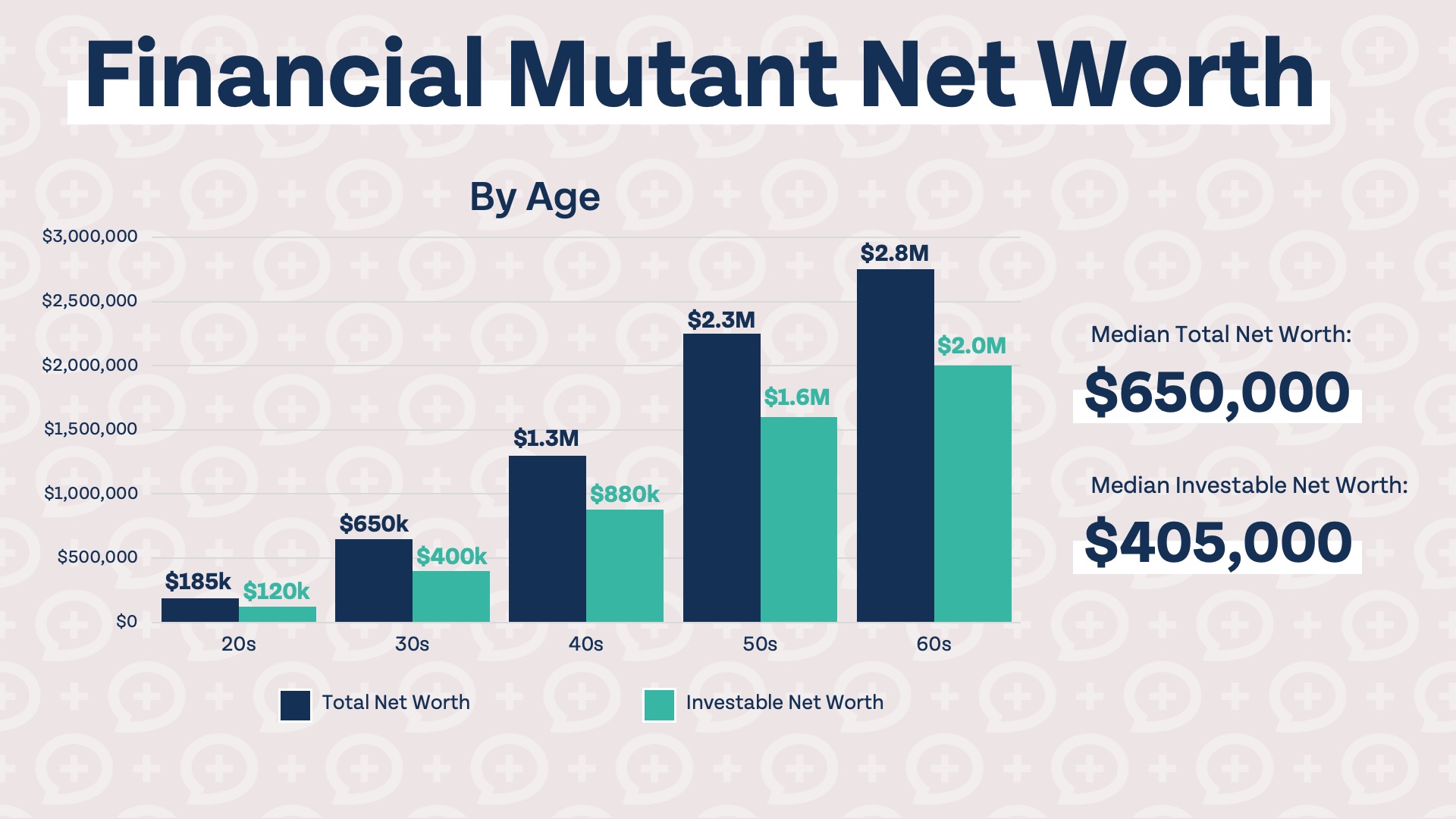
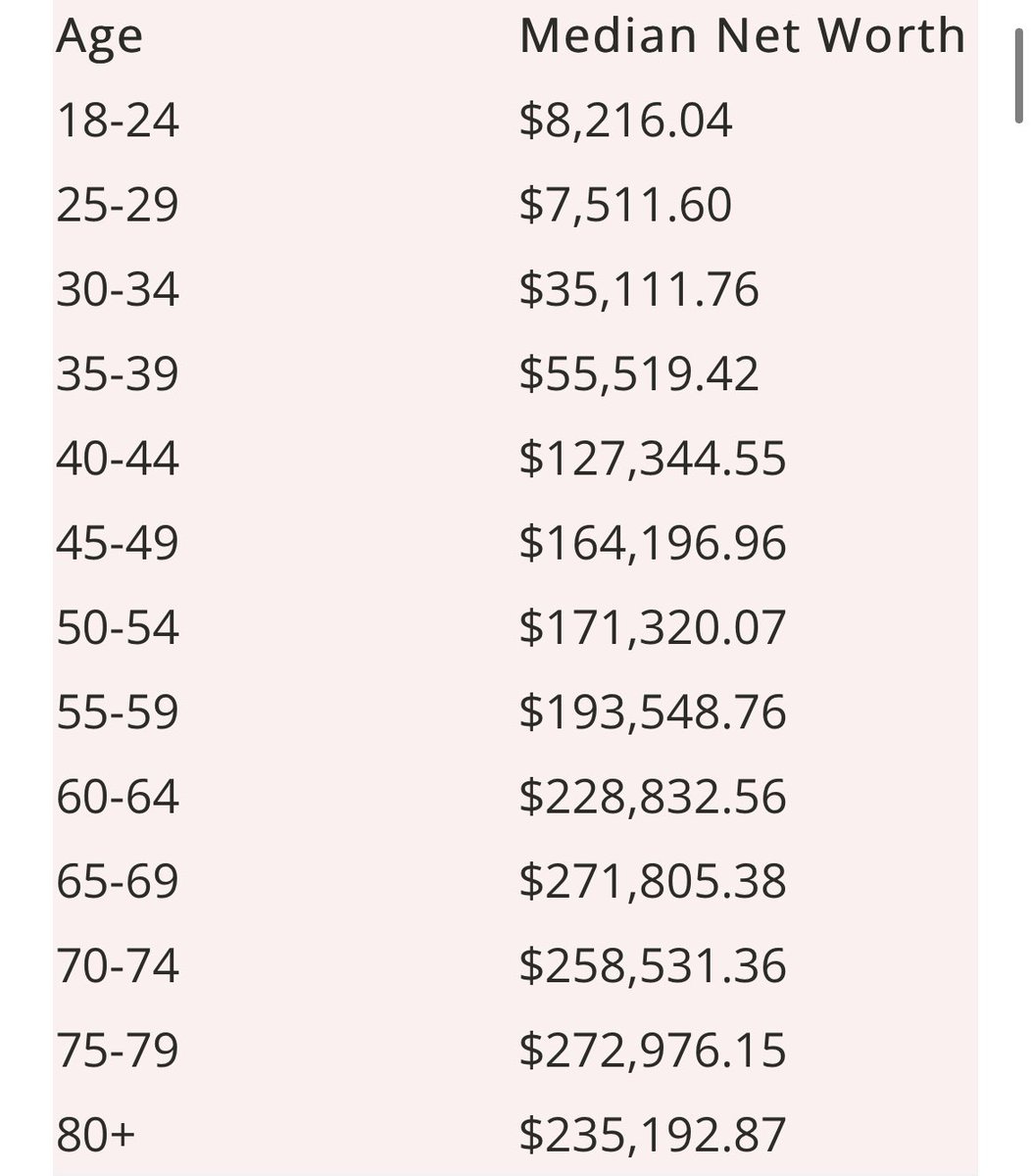
In 2026, the median net worth for a 34-year-old in the San Francisco Bay Area is approximately $195,000 to $255,000, while the average net worth climbs to roughly $580,000. These figures are heavily influenced by high-tech equity compe...
In 2026, the median net worth for a 34-year-old in the San Francisco Bay Area is approximately $195,000 to $255,000, while the average net worth climbs to roughly $580,000. These figures are heavily influenced by high-tech equity compensation, significant real estate appreciation, and a high concentration of dual-income professional households.
Contents
Understanding the Bay Area Financial Landscape in 2026
The San Francisco Bay Area—encompassing San Francisco, San Jose, and the East Bay—remains a global outlier regarding personal finance. By age 34, most professionals are approximately 10 to 12 years into their careers. In this specific geographic corridor, that decade of experience often translates into a financial profile that looks drastically different from the national average.
Several factors contribute to the inflated net worth figures in this region. First, the prevalence of Restricted Stock Units (RSUs) as a standard component of compensation packages in Silicon Valley means that many 34-year-olds have "paper wealth" that has vested over several years. Second, the 2026 housing market, while still expensive, has seen a steady rise in equity for those who managed to enter the market during the lower-rate windows of the early 2020s.
However, it is vital to distinguish between average and median. The average is skewed significantly upward by "mega-earners"—individuals at the director level in Big Tech or early employees of successful startups that went public between 2023 and 2025. The median provides a more realistic "middle-of-the-pack" figure for the average working professional.
The Disparity: Why Averages Are Deceptive in Silicon Valley
In most of the United States, a 34-year-old’s net worth is largely tied to their 401(k) and perhaps a small amount of home equity. In the Bay Area, the distribution is "top-heavy."
- The Tech Influence: A Senior Software Engineer or Product Manager at age 34 in 2026 typically earns a total compensation (TC) package between $350,000 and $500,000. If they have lived frugally, their net worth can easily exceed $1 million.
- The Service and Public Sector Gap: Conversely, teachers, healthcare workers, and service industry professionals of the same age may struggle with a net worth closer to $50,000 or even negative territory if they are carrying high student loans or private debt due to the region's extreme cost of living.
- The "Inheritance" Factor: In 2026, we are seeing the beginning of a significant intergenerational wealth transfer. Some 34-year-olds in the Bay Area have bolstered net worths due to family assistance with home down payments, which in this region can represent a $200,000 to $400,000 head start.
Key Components of Net Worth for 34-Year-Olds
To understand how these numbers are reached, we must break down the typical asset allocation for a mid-30s professional in the region.
Real Estate Equity
For those who own property, equity is the largest driver of net worth. Even with the higher interest rates seen in the mid-2020s, property values in Palo Alto, Mountain View, and San Francisco have remained resilient. A 34-year-old who purchased a $1.2 million condo in 2021 with 20% down may now see that property valued at $1.5 million, contributing $500,000+ to their net worth once the remaining mortgage is subtracted.
Retirement Accounts (401k and IRA)
A professional who has maximized their 401(k) contributions since age 22, with a standard employer match, would likely have between $300,000 and $450,000 in retirement assets by age 34, assuming a standard 7-8% annual market return. In the Bay Area, "Mega Backdoor Roth" contributions are common among high earners, often doubling these projections.
Brokerage Accounts and RSUs
This is the "X-factor" of the Bay Area. Restricted Stock Units are taxed as ordinary income upon vesting, but many professionals hold the remaining shares. For employees at companies like NVIDIA, Apple, or Google, the stock growth over the last five years (2021–2026) has been a primary engine of wealth. It is not uncommon for a 34-year-old in tech to hold $200,000 to $600,000 in liquid or semi-liquid brokerage assets.
2026 Financial Benchmarks: Bay Area vs. National
The following table illustrates the stark contrast between a 34-year-old in the Bay Area and the broader United States landscape as of 2026.
| Metric | Bay Area (Median) | Bay Area (Top 10%) | National Average (U.S.) |
|---|---|---|---|
| Total Net Worth | $225,000 | $1,200,000+ | $105,000 |
| Liquid Assets (Cash/Stocks) | $85,000 | $450,000 | $18,000 |
| Retirement Balances | $110,000 | $350,000 | $45,000 |
| Home Equity | $30,000* | $400,000 | $42,000 |
| Annual Household Income | $165,000 | $450,000+ | $78,000 |
*Note: The median home equity is lower than the top 10% because a large portion of the median population in the Bay Area remains renters at age 34.
The "Cost of Living" Tax on Net Worth
While the net worth figures in the Bay Area are high, they must be viewed through the lens of purchasing power. A $250,000 net worth in San Francisco does not provide the same lifestyle or security as it would in Indianapolis or Charlotte.
In 2026, the "burn rate" for a 34-year-old is significant. Rent for a one-bedroom apartment averages $3,800–$4,500. For those with children, childcare costs in the Bay Area have peaked at approximately $3,000 per month per child. Consequently, while the assets on the balance sheet look impressive, the liquidity and disposable income are often constrained. This phenomenon is frequently referred to as being "Bay Area Poor"—having a high net worth on paper but feeling financial pressure in daily life.
Strategies for Increasing Net Worth in Your Mid-30s
If you find yourself below these 2026 benchmarks, several regional-specific strategies can accelerate wealth accumulation:
- Optimizing the RSU Sell Strategy: Many professionals hold their company stock out of inertia. In 2026, financial advisors generally recommend selling RSUs upon vesting to diversify into low-cost index funds, reducing the "single-stock risk" inherent in tech careers.
- The Mega Backdoor Roth: If your employer's 401(k) plan allows after-tax contributions and in-service distributions, you can potentially shield up to $69,000 (2024 limits, adjusted higher by 2026) per year from future taxes. This is a primary tool for the Bay Area's top 10%.
- Geographic Arbitrage: With remote work becoming more structured but still prevalent in 2026, some professionals maintain their Bay Area salaries while living in lower-cost peripheral zones like Sacramento or the Central Valley, allowing for a much higher savings rate.
- Tax Loss Harvesting: Given the volatility of the tech sector, actively managing capital gains and losses is essential in California, which has some of the highest state income tax rates in the nation.
Frequently Asked Questions
Is a $500,000 net worth "good" for a 34-year-old in San Francisco?
Yes. While it may feel average in certain social circles (especially in tech), a $500,000 net worth puts an individual well above the regional median. It provides a solid foundation for home ownership or a comfortable retirement, though it is not yet "wealthy" by local standards where a modest single-family home often costs $1.5 million.
How do student loans affect the average net worth in this region?
Significantly. Many Bay Area professionals hold advanced degrees (MBA, JD, MD, or PhD). In 2026, it is common for a 34-year-old to still owe $50,000 to $150,000 in student debt. Because net worth is assets minus liabilities, high-earners often have "hollow" net worths for the first decade of their careers while they pay down high-interest education debt.
Does "Net Worth" include my company’s unvested options?
Technically, no. Standard accounting for net worth only includes vested assets. Unvested RSUs or stock options are considered "contingent wealth." Including unvested options in your personal calculations can be dangerous, as a job loss or a market downturn could erase those figures instantly.
Why is the median so much lower than the average?
The average is pulled upward by a small percentage of multi-millionaires. In a region with thousands of early employees at companies like OpenAI, SpaceX, or Anthropic, the "average" becomes an unrealistic target for the 90% of the population who are salaried employees without massive equity windfalls.
Should I count my car in my net worth?
While a car is an asset, it is a depreciating one. Most financial planners in the Bay Area suggest excluding vehicles from net worth calculations unless the vehicle is a rare collectible. For most, the car's value is offset by its rapid depreciation and maintenance costs.
Actionable Recommendation
For a 34-year-old in the Bay Area, the most effective way to track progress is not by comparing yourself to the "average," but by monitoring your Savings Rate. In a high-inflation, high-cost environment like 2026, aiming to save 25% to 35% of your gross income (including 401k and RSUs) is the gold standard for reaching the top decile of net worth by age 40. Focus on automating your RSU sales and maximizing tax-advantaged accounts to ensure your high income actually translates into long-term wealth.
Image Gallery