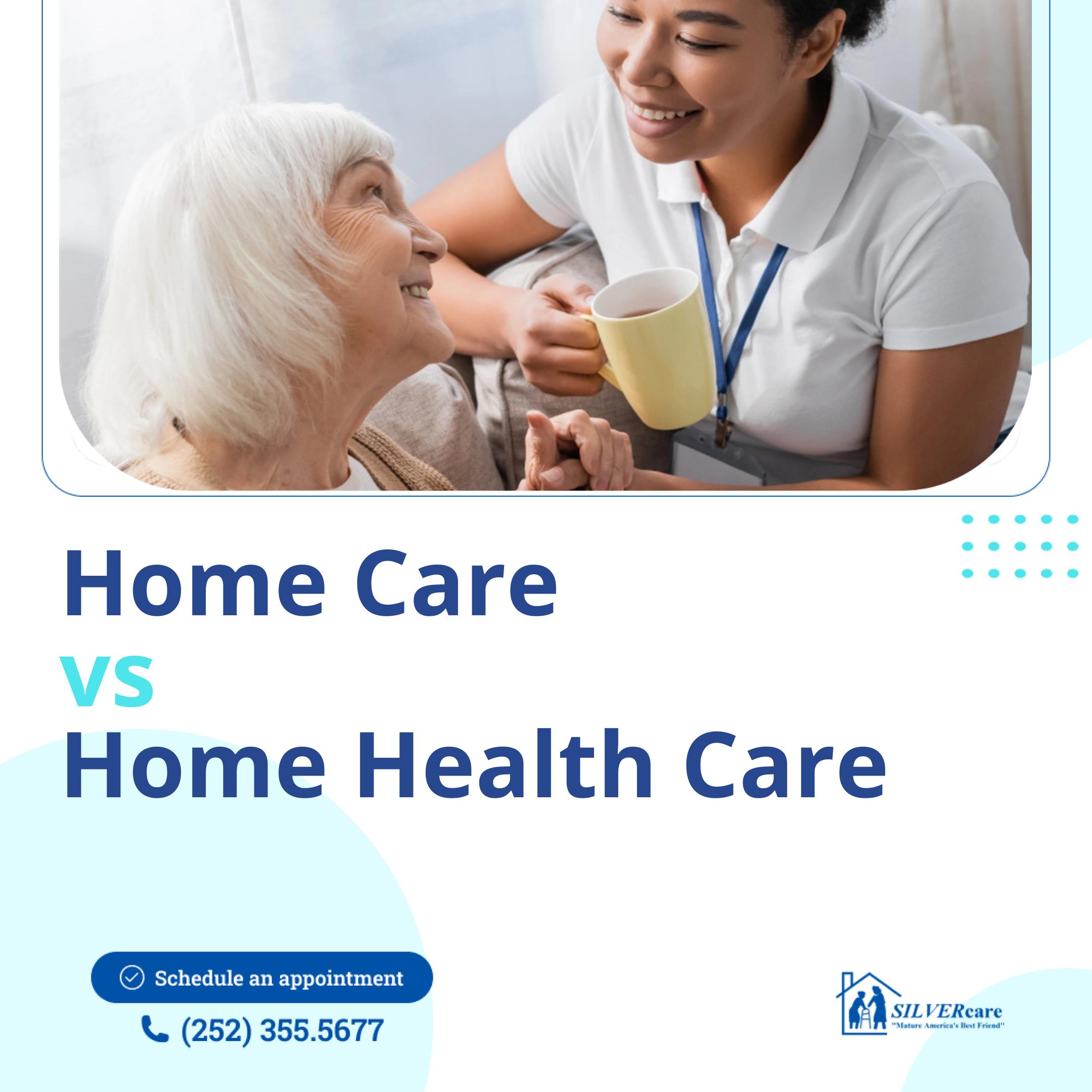
Understanding Hallmark Home Health Care Services: A Guide to Clinical and Supportive Care
Hallmark Home Health Care services provide skilled medical assistance and therapeutic support directly to patients within their own homes. These services are designed to bridge the gap between hospital discharge and full recovery, or t...
Hallmark Home Health Care services provide skilled medical assistance and therapeutic support directly to patients within their own homes. These services are designed to bridge the gap between hospital discharge and full recovery, or to provide ongoing management for chronic conditions, allowing individuals to receive professional care without the necessity of a permanent facility stay. Understanding these services requires clarity on clinical eligibility, the scope of professional interventions, and the distinction between medical home health care and non-medical home care.
Contents
Home health care is defined by its clinical nature; it is prescribed by a physician and delivered by licensed professionals such as registered nurses, physical therapists, and speech-language pathologists. When considering Hallmark Home Health Care, patients and their families should view the service as a transition-of-care model. It focuses on stabilizing health metrics, wound care management, rehabilitation, and the education of family caregivers to ensure patient safety post-hospitalization. The service typically operates under strict adherence to state licensing boards and Medicare or private insurance coverage requirements, which mandate that the patient must be under the care of a doctor and considered "homebound" to qualify for coverage.
The Role of Skilled Clinical Professionals
At the core of Hallmark Home Health Care services are the clinical professionals who facilitate medical treatment in a residential setting. Unlike private-duty aides who assist with daily living activities like bathing or cooking, home health professionals manage the medical complexities of recovery.
Registered Nurses (RNs) and Licensed Practical Nurses (LPNs)
Nursing staff are the primary point of contact for clinical oversight. Their duties often include medication management, where they help patients organize and understand complex drug regimens to avoid adverse interactions. They also perform wound care for surgical sites or chronic ulcers, monitor vital signs, and provide disease-specific education for conditions such as diabetes or heart failure. By performing regular assessments, nurses can identify subtle changes in a patient’s health before they escalate into an emergency that would necessitate hospital readmission.
Physical, Occupational, and Speech Therapists
Rehabilitation is a cornerstone of home health. Physical therapists (PTs) work to restore mobility, strength, and balance, often through structured exercise programs designed to prevent falls. Occupational therapists (OTs) focus on the activities of daily living (ADLs), helping patients modify their home environment to safely perform tasks like dressing, grooming, or navigating stairs. Speech-language pathologists (SLPs) assist those with swallowing disorders (dysphagia) or cognitive-communication impairments, ensuring that patients can safely consume nutrition and communicate their needs effectively.
Eligibility and The "Homebound" Requirement
To access Hallmark Home Health Care services, patients must meet specific eligibility criteria, most notably the "homebound" status. This term is frequently misunderstood. Being homebound does not mean the patient is completely bedridden; rather, it signifies that leaving the home requires a taxing effort.
Under standard regulatory frameworks, a patient is considered homebound if:
- They require the aid of supportive devices (such as crutches, canes, or wheelchairs) or the assistance of another person to leave their place of residence.
- Their medical condition is such that leaving the home is medically contraindicated.
- The effort to leave the home is so severe that it prevents the patient from attending medical appointments or social functions with any regularity.
In addition to being homebound, the patient must require intermittent skilled nursing care or therapy services. If a patient only requires companionship or light housekeeping, they generally do not meet the legal or insurance threshold for "home health" services and would instead look toward "home care" providers.
Clinical Scope and Operational Standards
The services provided by Hallmark Home Health are goal-oriented and time-limited. Each patient undergoes an initial comprehensive assessment, which leads to the creation of a Plan of Care (POC). This plan is a legal document that outlines the medical necessity for each service, the frequency of visits, and the expected outcomes.
Comparison of Care Service Models
Understanding the difference between home health and other home-based services is critical for financial and clinical planning.
| Feature | Home Health Care | Personal Home Care | Hospice Care |
|---|---|---|---|
| Primary Goal | Recovery or rehabilitation | Assistance with daily living | Comfort and end-of-life care |
| Prescription Req. | Required | Not required | Required |
| Staff Type | RNs, PTs, OTs, SLPs | Home Health Aides (HHA) | Interdisciplinary team |
| Coverage | Medicare/Insurance | Private Pay/Long-term care | Medicare Benefit |
The Financial and Administrative Landscape
Managing the costs of home health care involves coordinating with insurance providers, including Medicare Part A (Hospital Insurance) and private health plans. In 2026, most standardized insurance policies require that the home health agency be Medicare-certified to qualify for reimbursement.
When evaluating a service provider, families should request a breakdown of how insurance benefits are applied. Some agencies operate as private pay entities, meaning they do not bill insurance directly, leaving the responsibility of claims filing to the patient. Conversely, Medicare-certified agencies handle the billing process, ensuring that the services rendered meet the documentation requirements set by federal and state regulators. Always verify if the agency is in-network with the patient's specific health insurance plan to avoid unexpected out-of-pocket expenses.
Steps to Initiate Service
- Physician Referral: The patient’s primary care physician or hospitalist must issue a formal order for home health services.
- Agency Evaluation: The home health agency will conduct a face-to-face assessment to determine if they can meet the clinical needs defined by the physician.
- Plan of Care Development: The agency works with the physician to finalize the treatment goals.
- Care Delivery: Licensed clinicians begin scheduled visits, documenting progress and updating the POC at least every 60 days.
- Discharge Planning: Once the patient reaches their clinical goals or stabilizes, the service is discontinued, and the agency provides instructions for long-term health maintenance.
Addressing Common Concerns and Risks
One of the most frequent challenges is the lack of coordination between the hospital, the primary care physician, and the home health agency. To mitigate this, patients should maintain a "Care Journal" where they record the dates of nurse visits, changes in medication, and any side effects. This journal serves as an objective record during follow-up appointments with doctors.
Safety in the home is another critical area. Hallmark Home Health Care professionals are trained to conduct home safety assessments. They look for environmental hazards such as loose rugs, poor lighting, or insufficient bathroom grab bars. They are mandated to report these findings to family members or legal guardians to ensure that the patient’s environment remains conducive to recovery. If a patient suffers from cognitive decline or dementia, home health services may also include training for family caregivers on how to manage behavioral triggers in a way that prioritizes patient dignity.
Frequently Asked Questions
What constitutes "intermittent" care?
Intermittent care refers to services that are not required 24/7. Medicare and most private insurers define this as skilled nursing or therapy services provided for a few hours at a time, several days a week, rather than continuous round-the-clock supervision.
Can I choose my own Hallmark Home Health agency?
Yes, in most jurisdictions, you have the right to choose your home health agency. You should research local agencies, check their official Medicare Star Ratings if available, and confirm that they accept your current health insurance policy.
What happens if the patient's condition worsens?
If a patient’s health declines beyond the scope of home health, the agency is required to inform the patient’s physician immediately. This may lead to a referral for more intensive services, such as inpatient rehabilitation, acute hospital care, or hospice services if the condition is terminal.
Are medications covered by home health?
Generally, home health agencies provide the clinical expertise to manage and administer medications, but they do not pay for the cost of the medications themselves. Medication coverage remains under the patient’s pharmacy or prescription drug plan.
How do I know if the care is high quality?
High-quality care is characterized by consistent communication with the patient’s doctor, adherence to the agreed-upon POC, and the presence of a clear discharge plan. Agencies should be transparent about their staff credentials and their process for responding to patient concerns after hours.
Recommendation for Next Actions
If you are currently evaluating Hallmark Home Health Care for yourself or a loved one, begin by scheduling a consultation with the patient's primary care physician to discuss the specific clinical goals that require professional intervention. Request a list of Medicare-certified agencies in your service area and compare their specialty areas—such as cardiac recovery or orthopedic rehabilitation—against the patient's specific diagnosis. Ensure that the chosen agency provides a written document outlining the expected schedule of visits and the contact information for a clinical supervisor who can address urgent issues outside of standard business hours.
Image Gallery