How Colox Expands Colorectal Screening
Colorectal screening is expanding through molecular blood-based tests like Colox, which detect aberrant gene expression patterns associated with colorectal cancer and precancerous lesions, offering an accessible alternative for average...
Colorectal screening is expanding through molecular blood-based tests like Colox, which detect aberrant gene expression patterns associated with colorectal cancer and precancerous lesions, offering an accessible alternative for average-risk individuals who decline invasive colonoscopies or stool-based diagnostics.
Contents
Understanding the Landscape of Colorectal Cancer Screening
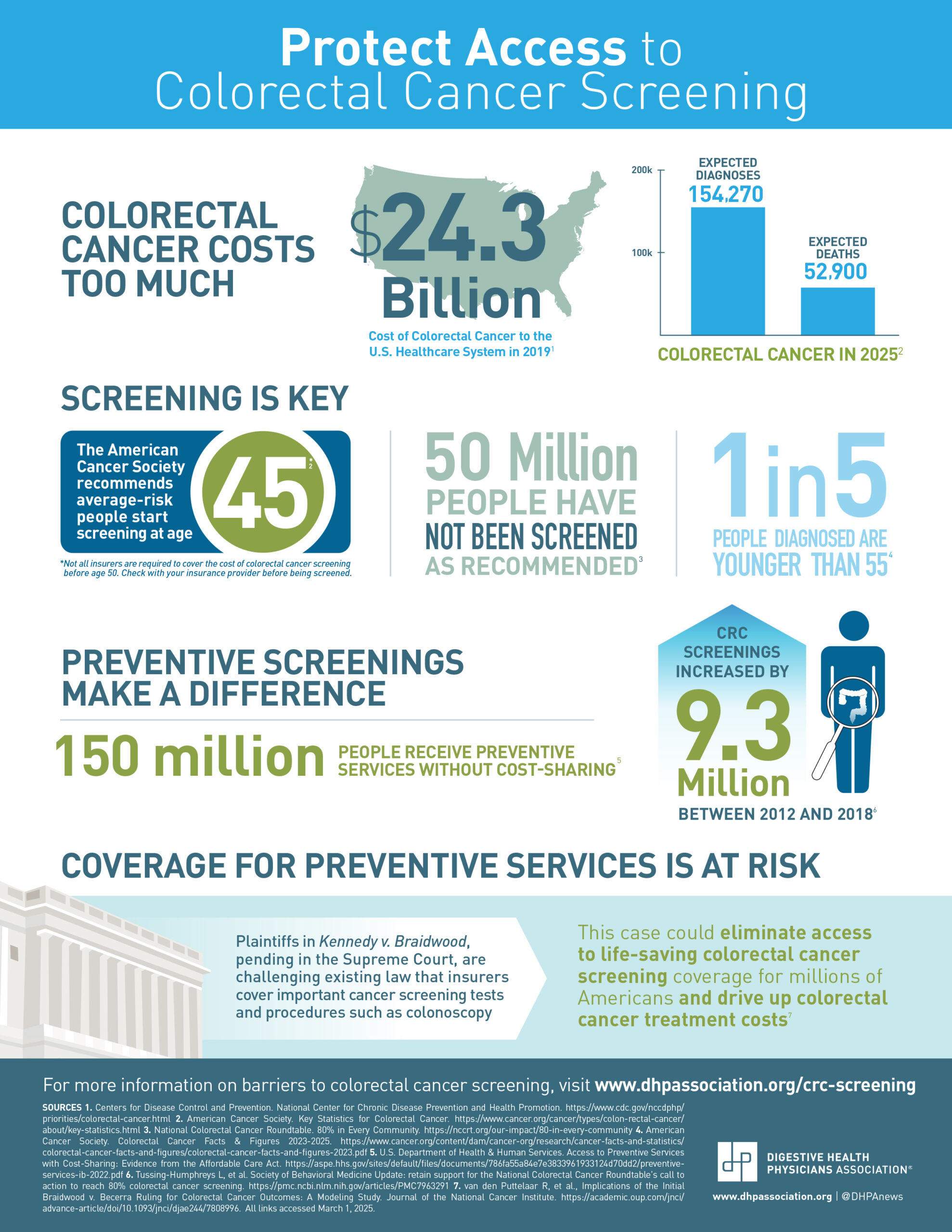
Colorectal cancer remains one of the most frequently diagnosed malignancies and a leading cause of cancer-related mortality globally. Despite established screening guidelines recommending routine evaluations starting at age 45 for average-risk individuals, compliance rates persistently lag behind target thresholds. Traditional diagnostic modalities—most notably screening colonoscopy and stool-based evaluations such as the fecal immunochemical test (FIT) or multitarget stool DNA testing—form the backbone of early detection programs. However, these conventional approaches face substantial barriers to widespread adoption.
Barriers to Conventional Screening Methods
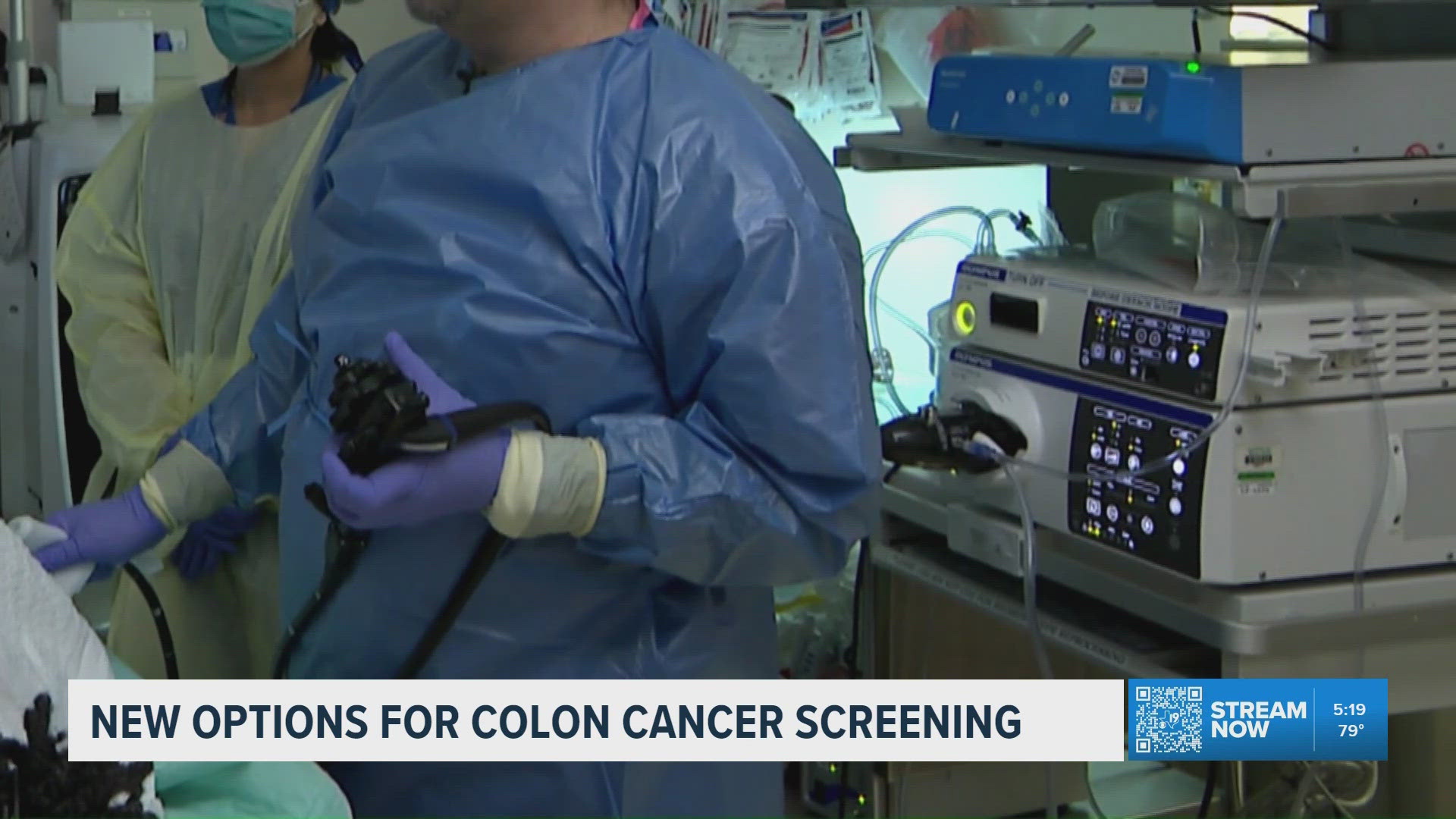
The limitations of traditional screening methods are well-documented in clinical literature. Screening colonoscopies, while serving as both diagnostic and therapeutic tools, require extensive bowel preparation, dietary restrictions, missed workdays, and the physical presence of a designated escort for sedation recovery. Furthermore, psychological aversion, procedural anxiety, and limited access to gastroenterology specialists in rural or underserved geographic areas compound these hurdles.
Stool-based tests present an alternative, yet they also encounter compliance bottlenecks. Many patients find the handling and collection of fecal samples unpleasant, leading to deferred testing or failure to complete serial annual or triennial testing protocols. When patients reject both colonoscopy and stool tests, they effectively exit the screening pipeline, leaving developing neoplasms undetected until symptomatic presentation occurs at a more advanced stage.
The Role of Blood-Based Biomarkers
To capture this uncompliant or reluctant population, medical technology has increasingly turned to blood-based biomarkers—often referred to as liquid biopsies. By shifting the initial sample collection matrix from stool or invasive endoscopic visualization to a routine peripheral blood draw, health systems can leverage existing phlebotomy infrastructure. Blood tests integrate seamlessly into standard annual wellness blood work, transforming an intimidating procedural decision into a routine laboratory order. This methodological shift is central to how novel genomic assays attempt to close the screening gap.
The Technical Mechanism of Colox
Colox is a molecular in vitro diagnostic test designed to detect colorectal cancer through the analysis of peripheral blood mononuclear cells (PBMCs). Unlike circulating tumor DNA (ctDNA) assays that isolate cell-free DNA shed directly from tumors into the bloodstream, Colox evaluates the host's immune system response to the presence of colorectal lesions. This unique approach capitalizes on the systemic inflammatory and immunological changes that occur in the blood when epithelial abnormalities develop in the colon or rectum.
Gene Expression Profiling and Immunological Response
The biological rationale behind Colox rests on the interaction between the mucosal microenvironment of a developing colorectal neoplasm and the circulating immune system. As cells undergo malignant transformation or form advanced adenomas, they secrete cytokines, chemokines, and other signaling molecules that alter the transcription profiles of circulating leukocytes.
The Colox assay measures a specific panel of gene expression markers within PBMCs using quantitative reverse transcription polymerase chain reaction (qRT-PCR) technology. By quantifying the messenger RNA (mRNA) expression levels of these target genes, the test algorithm evaluates the host transcriptomic signature. If the signature matches pre-validated patterns associated with colorectal neoplasia, the test yields a positive result, indicating the need for further diagnostic workup.
Analytical and Clinical Validation
Clinical validation studies assess the performance characteristics of molecular blood tests against the gold standard of colonoscopy. Published evaluations of assays like Colox typically report metrics such as sensitivity (the ability to correctly identify individuals with colorectal cancer or advanced adenomas) and specificity (the ability to correctly identify healthy individuals without significant lesions). While blood-based tests generally exhibit lower sensitivity for early-stage adenomas compared to screening colonoscopy, their primary clinical utility lies in capturing patients who would otherwise undergo no screening whatsoever.
| Screening Modality | Sample Type | Typical Interval | Primary Patient-Facing Barrier |
|---|---|---|---|
| Screening Colonoscopy | Endoscopic Visualization | Every 10 years | Bowel prep, sedation, time off work, procedural anxiety |
| Fecal Immunochemical Test (FIT) | Stool Sample | Annually | Handling stool specimens, distaste for collection process |
| Multitarget Stool DNA Test | Stool Sample | Every 3 years | Complex collection kit, sample handling logistics |
| Blood-Based Assays (Colox) | Peripheral Blood | Variable / As directed | Need for follow-up colonoscopy upon positive result |
Expanding Access and Patient Compliance
The primary driver behind the adoption of blood-based screening tools is the potential to increase overall population-level screening compliance. Healthcare economics and public health models consistently demonstrate that a moderately sensitive test completed by a high percentage of the target population yields superior public health outcomes compared to a highly sensitive test utilized by only a fraction of eligible individuals.
Integrating into Primary Care Workflows
Primary care physicians play a pivotal role in implementing expanded screening strategies. During routine wellness visits, clinicians frequently encounter patients who firmly refuse recommendations for a screening colonoscopy or fail to return a home stool collection kit. Offering a blood draw during the same office visit provides an immediate alternative that respects patient preferences while still fulfilling clinical quality measures.
This workflow integration eliminates the friction points associated with multi-step home collection kits or specialist referrals. The blood sample is drawn on-site, processed by a specialized reference laboratory, and returned to the ordering physician with a clear risk stratification result.
Patient Demographics Most Impacted
Certain demographic segments demonstrate higher adherence to blood-based testing over traditional modalities. These include:
- Older adults who experience logistical or physical challenges managing home-based stool kits.
- Individuals with severe procedural anxiety related to endoscopic examinations and anesthesia.
- Rural populations where access to gastroenterology surgical centers requires significant travel.
- Underinsured or busy working populations who cannot easily schedule multiday preparation and recovery periods for invasive procedures.
Clinical Pathway Following Test Results
A blood-based screening test does not replace diagnostic colonoscopy; rather, it acts as a triage mechanism within a comprehensive screening continuum. Understanding the clinical pathway following a Colox result is essential for both providers and patients to ensure timely and appropriate care.
Management of a Positive Result
If a molecular blood test returns a positive result, the patient has been flagged as having a higher probability of harboring a colorectal neoplasm (either a colorectal cancer or an advanced precancerous adenoma). Consequently, clinical guidelines mandate that a positive blood test must be followed up with a diagnostic colonoscopy.
The physician must counsel the patient that the blood test itself is a screening tool, not a definitive diagnosis. The subsequent colonoscopy serves to visualize the mucosa, locate any lesions, remove polyps, and obtain biopsy samples for histopathological confirmation. Timely completion of this follow-up colonoscopy is critical; delays in diagnostic evaluation after a positive screening test undermine the clinical benefit of the initial assay.
Management of a Negative Result
A negative test result indicates that the host transcriptomic signature does not currently exhibit patterns consistent with colorectal neoplasia. Patients with a negative result should continue routine clinical surveillance and adhere to future screening schedules as recommended by their healthcare provider and prevailing medical guidelines. It is important for clinicians to emphasize that no screening test is 100% sensitive, and patients who develop lower gastrointestinal symptoms—such as unexplained rectal bleeding, iron deficiency anemia, or persistent changes in bowel habits—should seek prompt medical evaluation regardless of recent screening test outcomes.
Limitations and Practical Considerations
While molecular blood tests represent a significant expansion in screening options, healthcare providers and patients must navigate several inherent limitations. Recognizing these boundaries ensures appropriate utilization and manages expectations regarding test performance.
Sensitivity for Precancerous Lesions
A major technical challenge for liquid biopsies targeting colorectal cancer is the detection of early-stage precancerous lesions, particularly non-advanced adenomas. While ctDNA and PBMC-based expression assays generally maintain acceptable sensitivity for invasive carcinomas, their ability to detect small polyps before they undergo malignant transformation is lower than that of optical colonoscopy. Therefore, individuals seeking the absolute highest level of polyp prevention and immediate resection still derive the greatest benefit from primary screening colonoscopy.
Cost and Insurance Coverage
The adoption of novel molecular diagnostics is heavily influenced by reimbursement policies. Payers, including commercial health insurers and national healthcare systems, evaluate clinical utility, cost-effectiveness analyses, and inclusion in professional society guidelines before establishing coverage. Patients must verify whether blood-based screening tests are covered under their specific policy or if out-of-pocket expenses apply, as out-of-network laboratory fees can create financial barriers.
Frequently Asked Questions
Can a blood test like Colox completely replace a colonoscopy?
No. A blood test serves as a screening triage tool. If the blood test is positive, a diagnostic colonoscopy is required to visualize the colon, remove polyps, and confirm diagnoses. Colonoscopy also remains the primary preventive option because it allows for simultaneous detection and removal of precancerous polyps.
Who is the ideal candidate for a blood-based colorectal screening test?
Average-risk individuals aged 45 and older who consistently refuse invasive procedures like colonoscopy or decline stool-based tests are the primary target population. It provides an alternative that helps capture uncompliant patients within the healthcare system.
How often should a blood-based screening test be repeated?
The testing interval depends on the specific assay manufacturer's clinical validation, prevailing guidelines, and the ordering physician's recommendation. Unlike annual FIT tests, molecular blood assays may have different recommended screening frequencies based on their longitudinal performance data.
Does preparation like fasting or dietary restriction affect the test result?
Standard blood-based gene expression assays typically do not require specialized bowel preparation, dietary restrictions, or fasting unless combined with other concurrent blood panels. Patients should follow the specific pre-analytical collection instructions provided by the laboratory performing the assay.
What should I do if my insurance does not cover the test?
Patients should consult their healthcare provider and the laboratory's billing department prior to sample collection. Many laboratories offer financial assistance programs, transparent pricing, or prior authorization support to help navigate coverage determinations for molecular diagnostic tests.
Next Actions for Healthcare Engagement
To determine if a blood-based screening option is appropriate for your health profile, schedule a consultation with your primary care physician or healthcare provider. Discuss your screening history, personal preferences regarding invasive procedures, and any family history of colorectal cancer. If you have previously avoided conventional screening methods, inquire whether molecular blood-based testing can bridge the gap and help you establish an active, personalized prevention plan.
Image Gallery