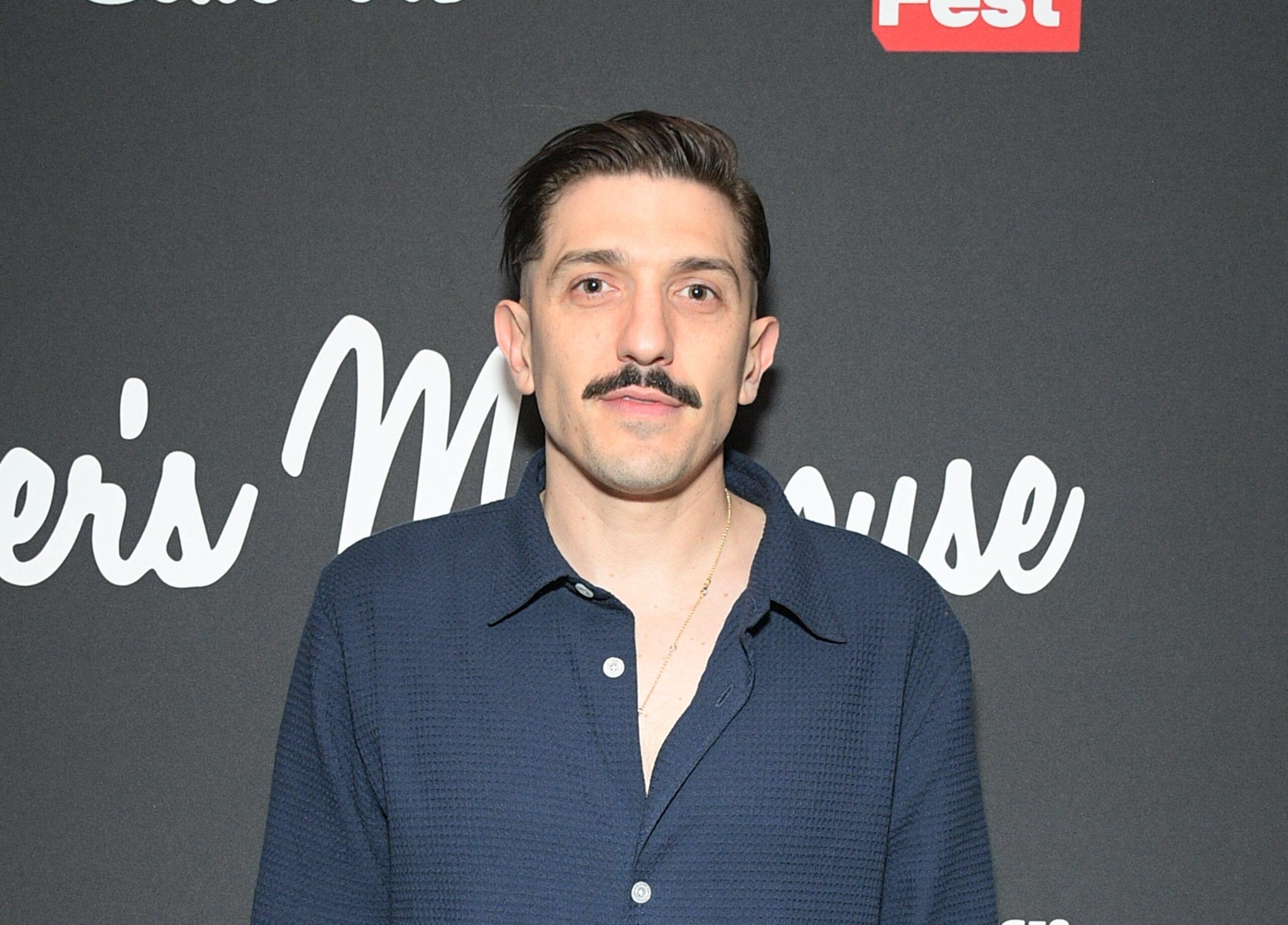
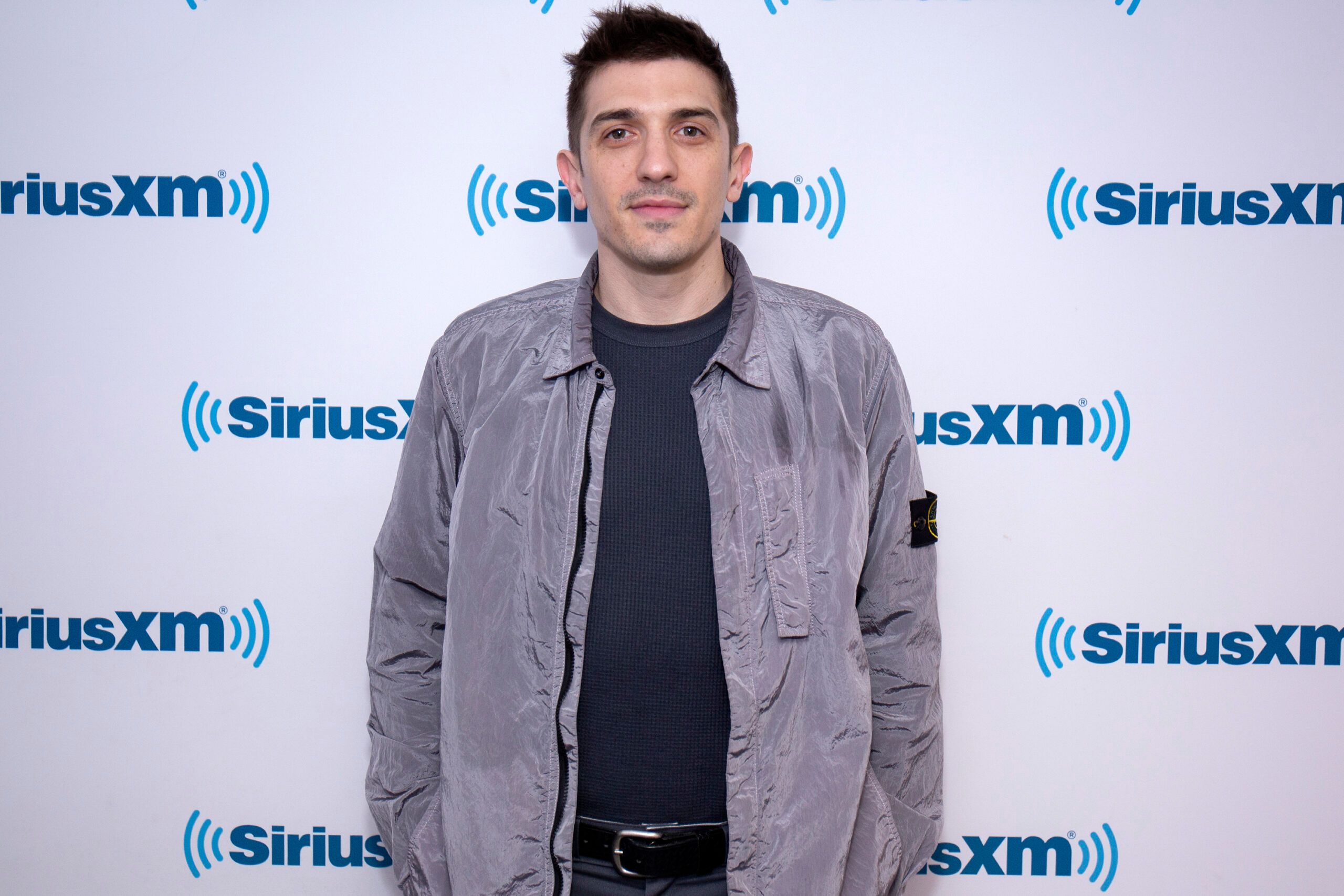
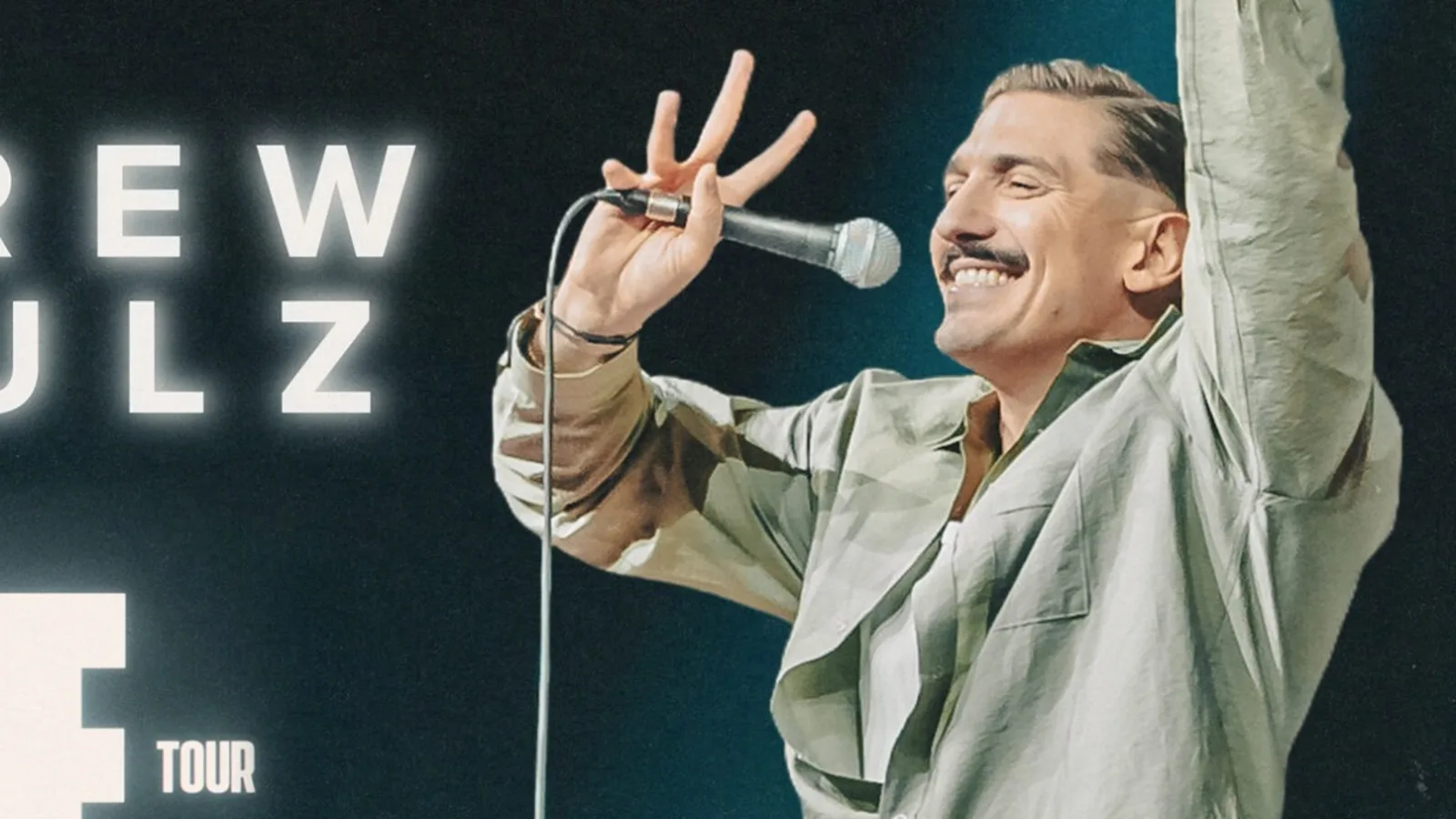
Andrew Schulz Education in Brief: A Foundation for Success
Andrew Schulz, widely recognized today as one of the most prominent stand-up comedians and podcast hosts, built his professional trajectory upon a solid academic foundation. Before his rise to fame through platforms like The Brilliant...
Andrew Schulz, widely recognized today as one of the most prominent stand-up comedians and podcast hosts, built his professional trajectory upon a solid academic foundation. Before his rise to fame through platforms like The Brilliant Idiots and Flagrant, he attended reputable educational institutions that played a role in shaping his analytical approach to humor and social commentary. Schulz graduated from New York University (NYU), specifically the Tisch School of the Arts, where he honed his skills in writing and performance.
Contents
Academic Background and Formative Years
Andrew Schulz was born in New York City and raised in the West Village of Manhattan. His upbringing in a culturally dense environment provided early exposure to diverse perspectives, a theme that often permeates his comedy. After graduating from high school, Schulz pursued higher education at New York University.
At the Tisch School of the Arts, Schulz focused on film and production. This choice was significant, as it equipped him with a technical understanding of the creative process—ranging from script analysis to camera work and editing. These skills would later become instrumental in his business strategy as a comedian. Unlike many of his peers who entered the stand-up circuit with little background in media production, Schulz understood how to leverage video platforms, algorithms, and high-quality production values to capture a digital audience.
The Influence of NYU on His Career
The curriculum at NYU’s Tisch School is rigorous and highly competitive. For a student interested in comedy, the program provides more than just technical training; it fosters a culture of collaboration and peer critique. During his time at university, Schulz began performing stand-up in the city’s vibrant comedy scene.
Balancing academic requirements with the late-night demands of open-mic nights allowed him to develop the work ethic that defines his career today. His ability to dissect complex topics and deliver punchlines often reflects the training he received in narrative structure and audience engagement. By treating his comedy as a product that requires constant iteration and refinement, he has effectively applied the lessons of the classroom to the business of modern entertainment.
Practical Application of Media Education
While many comedians rely on traditional management and distribution channels, Schulz’s education provided him with the foresight to build his own infrastructure. His approach to self-distributing comedy specials—often bypassing traditional network gatekeepers—demonstrates an entrepreneurial spirit rooted in his media training.
By understanding the technical nuances of content creation, Schulz has been able to control the quality of his output. This includes lighting, sound design, and the pacing of his YouTube clips, which are designed specifically for the short-attention-span era of digital media. His educational background served as an early introduction to the mechanics of the entertainment industry, allowing him to navigate the transition from a struggling performer to an independent media owner.
Comparison of Career Trajectories in Comedy
The following table outlines how different educational approaches, including Schulz's traditional path, have impacted various comedians' strategies in the modern era.
| Approach | Focus | Key Outcome |
|---|---|---|
| Academic/Formal Training | Film, Writing, Theory | Strong grasp of production, branding, and long-term business strategy. |
| Purely Organic/Club Scene | Timing, Audience Work | High proficiency in crowd work and rapid-fire improvisation. |
| Digital-Native/Vlogger | Social Trends, Algorithms | Mastery of rapid content delivery and viral engagement. |
| Schulz Hybrid Model | Theory + Industry Experience | High-level production values combined with street-level comedy intuition. |
Developing a Unique Comedic Voice
Education is often viewed narrowly as a series of degrees, but in the context of professional comedy, it also encompasses the "life school" a performer attends. For Schulz, this involved navigating the multicultural fabric of New York City and applying the theoretical frameworks of dramatic writing to the craft of the joke.
His comedy frequently challenges audiences by addressing sensitive cultural and political topics. This requires a high degree of confidence and an ability to construct a logical argument—traits that are often nurtured in university-level humanities and arts programs. Schulz utilizes his background to frame his bits not just as sequences of jokes, but as coherent, albeit chaotic, narratives that keep the audience engaged for the duration of his sets.
Key Aspects of His Professional Skill Set
- Narrative Arc Construction: Applying scriptwriting principles to stand-up sets.
- Video Production Mastery: Utilizing technical knowledge to ensure his online presence remains high-quality.
- Brand Independence: Moving away from standard industry models to maintain creative control.
- Market Analysis: Understanding the demographics of his audience to tailor his content distribution effectively.
Frequently Asked Questions
Did Andrew Schulz attend a specific conservatory for comedy? No. He attended New York University’s Tisch School of the Arts, where he studied film. There is no major university program specifically designed for stand-up comedy, but the film and production arts programs at Tisch provide the technical skills necessary for modern comedians to produce their own content.
How much did his formal education contribute to his current success? While his success is largely due to his persistence in the New York comedy club circuit, his education provided the technical blueprint for his digital strategy. He treats his comedy specials as independent film projects, a mindset heavily influenced by his training in production and storytelling.
Does his educational background influence his podcasting style? Yes, in terms of structure and production. Schulz’s podcasts, such as Flagrant, are known for high-quality audio and video editing, consistent release schedules, and a professional aesthetic that distinguishes them from amateur, low-budget podcasts.
What other skills did he develop alongside his education? Beyond the classroom, Schulz developed his skills by performing nightly in New York City comedy clubs. This provided him with the necessary "hours in the saddle" to translate academic theory into the practical, high-speed delivery of his stand-up acts.
Is it common for successful comedians to have formal degrees? It is increasingly common, though not required. Many comedians today pursue degrees in film, communications, or psychology, which provide valuable context for understanding human behavior and audience psychology—both essential components of a successful comedic career.
Next Steps for Aspiring Comedians
For those looking to follow in the footsteps of performers like Andrew Schulz, the focus should not merely be on seeking a degree, but on how that education can be leveraged to gain independence. If you are interested in comedy, prioritize programs that teach technical skills such as film editing, screenwriting, or digital marketing. Pairing these technical proficiencies with the relentless pursuit of stage time in local clubs creates a robust foundation for a long-term career in entertainment.
Image Gallery