How Caledon Foundation Repair Shapes Home Longevity
Foundation repair in Caledon enhances home longevity by restoring structural equilibrium, mitigating soil-related shifting, and preventing moisture-induced degradation of the building envelope. By addressing specific regional challenge...
Foundation repair in Caledon enhances home longevity by restoring structural equilibrium, mitigating soil-related shifting, and preventing moisture-induced degradation of the building envelope. By addressing specific regional challenges like heavy clay expansion and frost heave, these repairs ensure that a property remains stable, energy-efficient, and structurally sound for decades to come.
Contents
As of 2026, homeowners in the Town of Caledon face unique geological and climatic pressures that can compromise the very base of their investments. Understanding the relationship between foundation integrity and the lifespan of a house is essential for maintaining property value and safety in the Peel Region.
The Geological Impetus: Why Caledon Homes Require Specialized Care
The longevity of a home is directly tied to the soil upon which it sits. Caledon’s geography is characterized by a mix of the Niagara Escarpment’s rocky outcrops and the heavy, moisture-retentive clay soils of the Peel Plain. This environment creates a volatile "shrink-swell" cycle. During the wet spring and autumn seasons typical of Ontario, the clay absorbs significant amounts of water, exerting immense hydrostatic pressure against foundation walls. Conversely, during dry summers, the soil shrinks, leaving voids that cause foundations to settle or shift.
When a foundation is compromised by these forces, the damage is rarely contained. A "settling" foundation creates a domino effect throughout the structure. As the concrete base moves, the rigid framing of the house—whether wood or steel—is forced to bend. This leads to the "racking" of door frames, windows that no longer seal properly, and cracks in interior drywall. By the time 2026 building standards are considered, a foundation that hasn’t been properly maintained or repaired can reduce a home's functional lifespan by 30% or more.
Professional foundation repair in Caledon addresses these geological realities by utilizing methods designed to withstand the local climate. For example, the use of helical piles or deep-poured concrete underpinning transfers the weight of the home from the unstable surface clay to deeper, more competent soil or bedrock. This intervention stops the cycle of movement, effectively "freezing" the home in a stable position and preventing the progressive structural fatigue that eventually leads to condemnation or massive reconstruction costs.
Technical Methods of Repair and Their Impact on Durability
Longevity is not achieved through a one-size-fits-all approach. In 2026, the industry has refined several key techniques that specifically target the types of failure common in the Greater Toronto Area.
Underpinning and Structural Stabilization
Underpinning is the process of strengthening and stabilizing the foundation of an existing building. In Caledon, this is often necessitated by soil subsidence. By digging beneath the existing footings and pouring new concrete "pins" in a staggered sequence, contractors increase the depth of the foundation. This prevents the home from being affected by the freeze-thaw cycles that occur in the upper layers of the soil. A house that has been properly underpinned is essentially "anchored," significantly extending its life by ensuring the frame remains square and the load-bearing walls remain vertical.
Exterior Waterproofing and Hydrostatic Relief
Water is the primary enemy of concrete. Over decades, water penetration leads to the corrosion of reinforcing steel (rebar) and the spalling of concrete. Exterior waterproofing involves excavating down to the footings, cleaning the walls, and applying a multi-layered protection system. This typically includes a rubberized membrane, a dimpled drainage board, and a new weeping tile system embedded in clear gravel.
By redirecting water away from the foundation before it can penetrate the pores of the concrete, these repairs prevent the "weeping" effect that leads to mold, wood rot in the sill plates, and the eventual crumbling of the foundation wall. In the context of 2026 environmental standards, keeping a basement dry is also a prerequisite for maintaining indoor air quality and preventing the premature failure of HVAC systems due to high humidity.
Carbon Fiber Reinforcement
For walls that are beginning to bow inward due to lateral earth pressure, carbon fiber strips offer a high-tech solution for longevity. These strips are bonded to the interior of the foundation walls using high-strength epoxy. Carbon fiber is non-corrosive and has a tensile strength significantly higher than steel. This repair prevents further inward movement without the need for intrusive external excavation, preserving the structural integrity of the wall for the remaining life of the building.
The Economic and Functional Benefits of Early Intervention
Home longevity is as much about financial viability as it is about physical stability. A home with a failing foundation is an "illiquid" asset. In the 2026 real estate market, home inspections are more rigorous than ever, and foundation issues are often "deal-breakers" for traditional mortgage lenders.
- Preservation of Equity: A foundation repair is an investment that yields a high return by preventing the "stigmatization" of a property. Homes with documented, warrantied foundation repairs often sell for the same price as those with no history of issues, whereas those with active, unrepaired cracks suffer heavy discounts.
- Energy Efficiency: A shifting foundation creates gaps in the building envelope. These gaps allow conditioned air to escape and unconditioned air to enter, forcing heating and cooling systems to work harder. By stabilizing the foundation, homeowners can maintain the airtightness required by modern energy codes, reducing the mechanical wear and tear on the home's infrastructure.
- Prevention of Secondary Damage: The cost of foundation repair is often lower than the cost of repairing the damage caused by the foundation. This includes replacing hardwood floors that have buckled, re-tiling bathrooms where the grout has cracked, and replacing roof shingles that have loosened due to structural shifting.
Comparative Overview of Foundation Repair Solutions
The following table outlines the most common repair methods utilized in Caledon as of 2026 and how they contribute to the long-term health of a residence.
| Repair Method | Primary Goal | Estimated Longevity Extension | Best Used For |
|---|---|---|---|
| Underpinning | Vertical Stabilization | 50+ Years | Houses built on shifting clay or organic soils. |
| Exterior Waterproofing | Moisture Exclusion | Lifetime of the Membrane | Homes with damp basements or efflorescence. |
| Helical Piles | Load Transfer | 75+ Years | Additions or homes with severe localized settlement. |
| Polyurethane Injection | Crack Sealing | 10–20 Years | Non-structural leaks in poured concrete walls. |
| Wall Anchors | Lateral Support | 40+ Years | Bowing or leaning foundation walls. |
| Internal Drainage | Water Management | 25+ Years | Sites where external excavation is impossible. |
Recognizing the Warning Signs: Proactive Maintenance
The key to maximizing home longevity in Caledon is early detection. Because the town features a mix of historic homes in areas like Alton and newer developments in Southfields, the signs of foundation stress can vary.
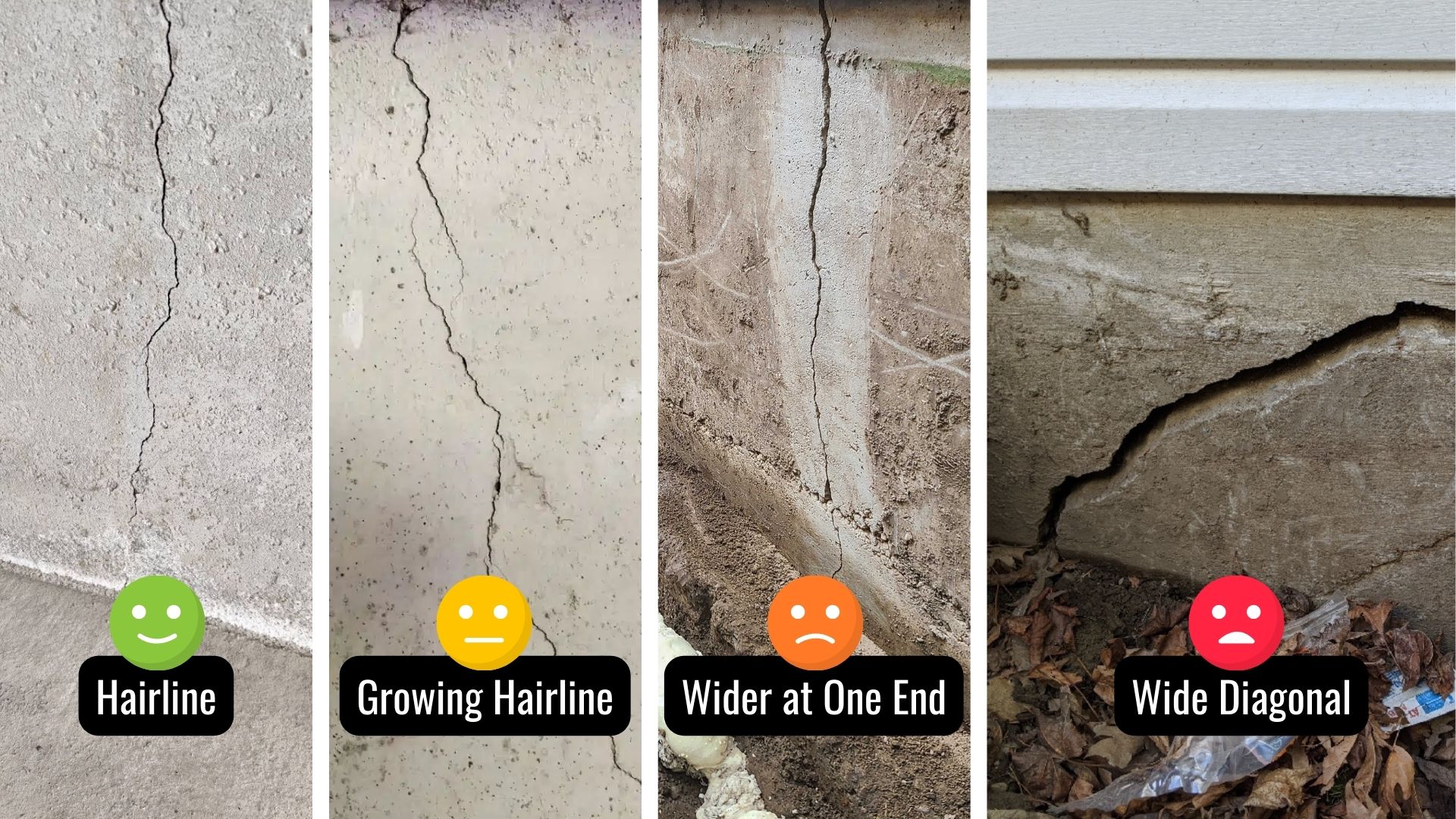
In older masonry foundations, look for "stair-step" cracking in the mortar joints. This is a classic sign of settlement. In newer poured concrete foundations, vertical cracks that are wider at the top than the bottom indicate that the ends of the foundation are settling, while a wider crack at the bottom suggests the center is "heaving."
Other non-obvious signs include:
- Nail Pops: Small circles appearing on drywall where the nail or screw head is pushing through the paint.
- Uneven Floors: A slope of as little as 1 inch across 20 feet can indicate a significant structural shift.
- Foul Odors: A persistent "musty" smell in the basement suggests that water is infiltrating the foundation, even if no standing water is visible.
Addressing these issues in 2026 requires a consultative approach. Homeowners should seek out firms that provide detailed site assessments, including elevation surveys and soil moisture readings, to ensure the repair matches the specific stressor affecting the home.
FAQs
How long does a typical foundation repair last?
Most major structural repairs, such as underpinning or the installation of helical piles, are designed to last for the remaining life of the structure, often 50 years or more. Modern waterproofing membranes used in 2026 typically carry warranties ranging from 20 to 30 years, though their actual functional life can be longer if the surrounding drainage (weeping tiles) is maintained.
Will foundation repair increase the value of my Caledon home?
While repair may not always "increase" the value above the market average, it "restores" value that would otherwise be lost. A home with a structural defect can be devalued by 10% to 20%. Completing the repair and providing a transferable warranty ensures the home remains competitive and mortgageable.
Is exterior waterproofing better than interior waterproofing for longevity?
Exterior waterproofing is generally considered superior for home longevity because it prevents water from entering the foundation wall entirely. This protects the concrete from the freeze-thaw damage and rebar corrosion that can occur if the wall is allowed to remain saturated. Interior waterproofing (drains and pumps) manages water after it has entered, which is effective for keeping a basement dry but does not protect the exterior face of the foundation.
Can I ignore small cracks if they aren't leaking?
In the Caledon climate, even small cracks can be problematic. During the winter, water can enter a small crack, freeze, and expand, gradually widening the gap. This process, known as ice wedging, can turn a minor cosmetic issue into a structural failure over several seasons. It is always safer to have a professional evaluate any crack that is wider than a credit card.
How does the 2026 Ontario Building Code affect foundation repairs?
The building code sets minimum standards for structural integrity and moisture protection. Any significant foundation repair in Caledon must comply with these regulations, often requiring a building permit and an inspection by municipal officials. This ensures that the repairs are engineered to handle the specific snow loads and soil pressures of the region.
Final Recommendation for Homeowners
To ensure the maximum longevity of a Caledon property, homeowners should conduct a foundation inspection every three to five years, or immediately upon noticing interior wall cracks or door alignment issues. When selecting a repair partner, prioritize companies that offer engineered solutions and long-term, transferable warranties. Addressing foundation concerns early not only saves tens of thousands of dollars in cumulative damage but also preserves the structural "skeleton" of the home, allowing it to stand safely for future generations.
Image Gallery