Will Chuck E. Cheese Ever Bring Back the Animatronics?
Chuck E. Cheese has officially concluded its era of stage-based animatronics, shifting toward a modern entertainment model that prioritizes interactive digital dance floors and live mascot appearances. As of 2026, there are no plans to...
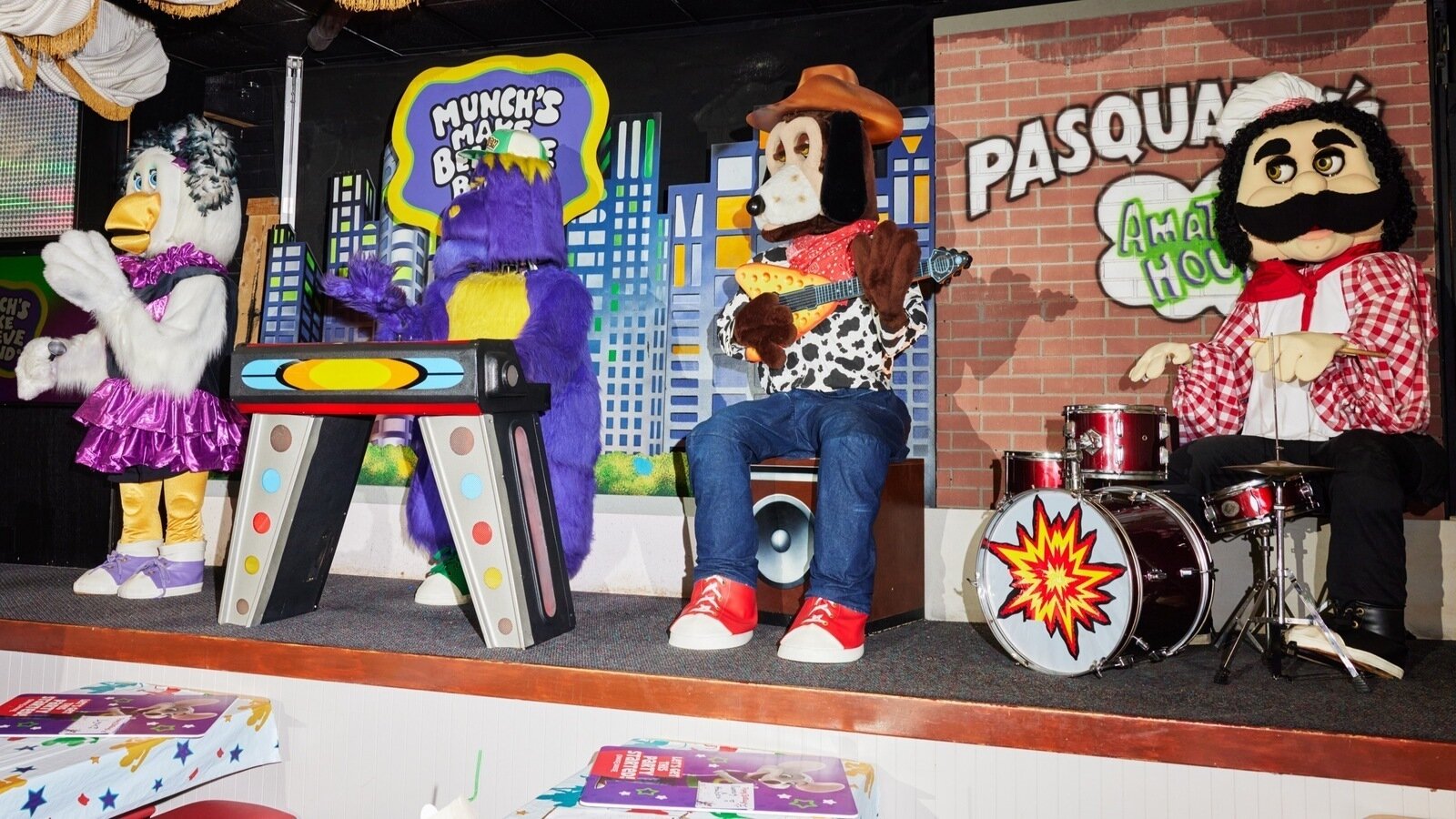
Chuck E. Cheese has officially concluded its era of stage-based animatronics, shifting toward a modern entertainment model that prioritizes interactive digital dance floors and live mascot appearances. As of 2026, there are no plans to reintroduce the robotic bands into the company’s standard location format, as the brand continues to focus on its "2.0" store remodel initiative, which prioritizes space optimization and contemporary digital engagement.
Contents
The Evolution of the Chuck E. Cheese Experience
The transition away from animatronics was not a sudden decision but a gradual, decade-long strategic pivot. For nearly four decades, the animatronic shows—most notably the Munch's Make-Believe Band—served as the centerpiece of every Chuck E. Cheese location. These performances provided a predictable, high-visibility attraction that defined the brand’s identity for generations of children.
However, as consumer preferences shifted toward high-definition video, interactive gaming, and more flexible play spaces, the maintenance and operational costs of legacy robotic systems became difficult to justify. The animatronic characters required constant mechanical repairs, specialized parts that became increasingly difficult to source, and technicians trained in pneumatic and electronic systems that were becoming obsolete. By 2017, when the company began pilot programs for its "2.0" remodel, the writing was on the wall: the future of the brand would be digital.
The "2.0" Remodel Strategy and Its Impact
The 2.0 modernization effort is the most significant structural change in the company’s history. It involves stripping away the traditional stage areas to make room for larger arcade sections, expansive dance floors that respond to motion, and updated party spaces.
From an operational standpoint, this transition serves three primary purposes:
- Space Optimization: Animatronic stages occupied significant square footage. By removing them, locations can accommodate more revenue-generating arcade cabinets and ticket-redemption kiosks.
- Maintenance Efficiency: Modern digital displays and light-up dance floors require significantly less specialized technical maintenance than hydraulic or pneumatic puppets.
- Engagement Metrics: Modern child psychology suggests a preference for active participation rather than passive viewing. The new dance floors allow children to interact with the characters on a screen, creating a personalized experience that the static stages could not match.
Can We Expect a Revival of Animatronics?
The question of whether Chuck E. Cheese will ever bring back the animatronics is frequently raised by nostalgic fans and internet preservationists. Based on the current corporate trajectory as of 2026, a widespread return is highly improbable.
The company has framed its move to the 2.0 format as a permanent evolution. While they have acknowledged the historical significance of the animatronics by preserving specific sets for museum exhibits and promotional displays, they have not indicated a willingness to integrate them back into daily restaurant operations. The costs associated with refurbishing old bots—many of which have suffered from years of wear and tear—coupled with the lack of current supply chains for proprietary parts, make a "re-installation" a financial impossibility for a chain currently focused on aggressive, low-overhead expansion.
Understanding the Role of Nostalgia in Brand Strategy
While the decision to move forward is driven by data, the brand is not entirely indifferent to the cultural weight of its past. Chuck E. Cheese has recognized that while animatronics may not fit the modern operational model, the intellectual property remains a core asset.
This has led to a bifurcated approach:
- Active Locations: These venues remain strictly focused on the 2.0 digital experience to ensure consistency, cleanliness, and operational efficiency.
- Cultural Preservation: Through partnerships with pop-culture museums and digital content initiatives, the company has allowed for the preservation of its legacy. Occasionally, the company releases digital content featuring the classic characters, acknowledging their history without the overhead of physical maintenance.
Comparative Analysis: Legacy Stages vs. Modern Interactive Floors
| Feature | Legacy Animatronic Stages | Modern Interactive Dance Floors |
|---|---|---|
| Primary Interaction | Passive viewing | Active physical participation |
| Maintenance Needs | High (Mechanical/Pneumatic) | Low (Software/Digital) |
| Footprint | Large, fixed area | Scalable, adaptable space |
| Content Updates | Difficult (Physical prop changes) | Instant (Over-the-air updates) |
| Reliability | Prone to mechanical failure | Stable, digital performance |
Frequently Asked Questions
Are all animatronics currently destroyed? No. While many units were decommissioned as part of the remodeling process, several sets have been acquired by private collectors, preservationists, and museums. The company has maintained a selective archive of iconic pieces but does not keep full, operational bands in storage for future use in restaurants.
Did customer feedback lead to the removal of the animatronics? The decision was primarily driven by declining operational efficiency and shifts in modern child entertainment preferences. While some parents expressed concern over the "uncanny valley" effect of older, aging animatronics, the transition was fundamentally a business decision to modernize the brand's aesthetic and profit model.
Are there any locations that still have them? As of 2026, almost all corporate-operated locations have completed their transition to the 2.0 layout. A very small number of locations may exist in remote or franchise-operated regions that have not yet fully implemented the remodeling requirements, but these are exceptions that are continuously being phased out.
Can I buy an animatronic character from the company? Chuck E. Cheese does not sell decommissioned equipment to the general public. Any animatronic props that enter the secondary market have typically been sourced through third-party liquidators, independent contractors, or former employees who salvaged items during the demolition of old stages.
Practical Next Steps for Enthusiasts
If you are interested in the history of Chuck E. Cheese animatronics, the best way to engage with the subject is through the fan-driven preservation community. Numerous enthusiast groups actively track the movement of "found" bots and document the technical history of the various character models.
For those seeking to experience the original shows, tracking public exhibits is your best strategy. Rather than expecting a restaurant return, follow official corporate announcements regarding special anniversary events or museum pop-ups. Often, the company releases "rebooted" versions of the classic character songs on streaming platforms, allowing fans to enjoy the music—the most enduring element of the animatronic experience—without the need for the physical robotics.
Image Gallery