The Evolution and Cultural Impact of the Dallas Cowboys Cheerleaders Uniforms
The Dallas Cowboys Cheerleaders (DCC) represent a landmark intersection of sports marketing, professional dance, and American pop culture. While the iconic blue-and-white aesthetic remains a globally recognized brand symbol, the organi...
The Dallas Cowboys Cheerleaders (DCC) represent a landmark intersection of sports marketing, professional dance, and American pop culture. While the iconic blue-and-white aesthetic remains a globally recognized brand symbol, the organization periodically updates its uniform standards to maintain visual performance, incorporate modern fabric technologies, and ensure the ensemble reflects current professional athletic aesthetic standards.
Contents
The Iconic Aesthetic: Design and Legacy
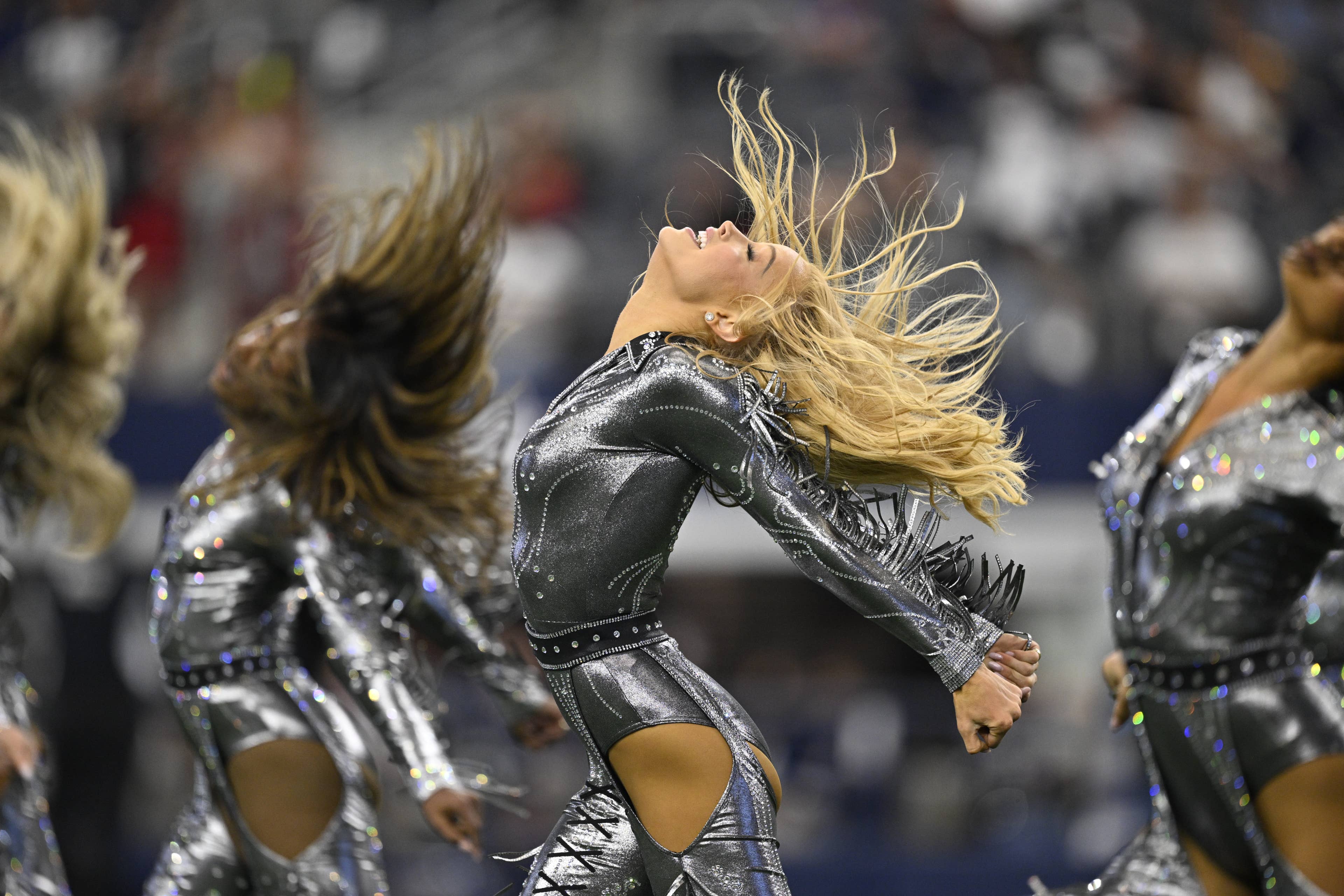
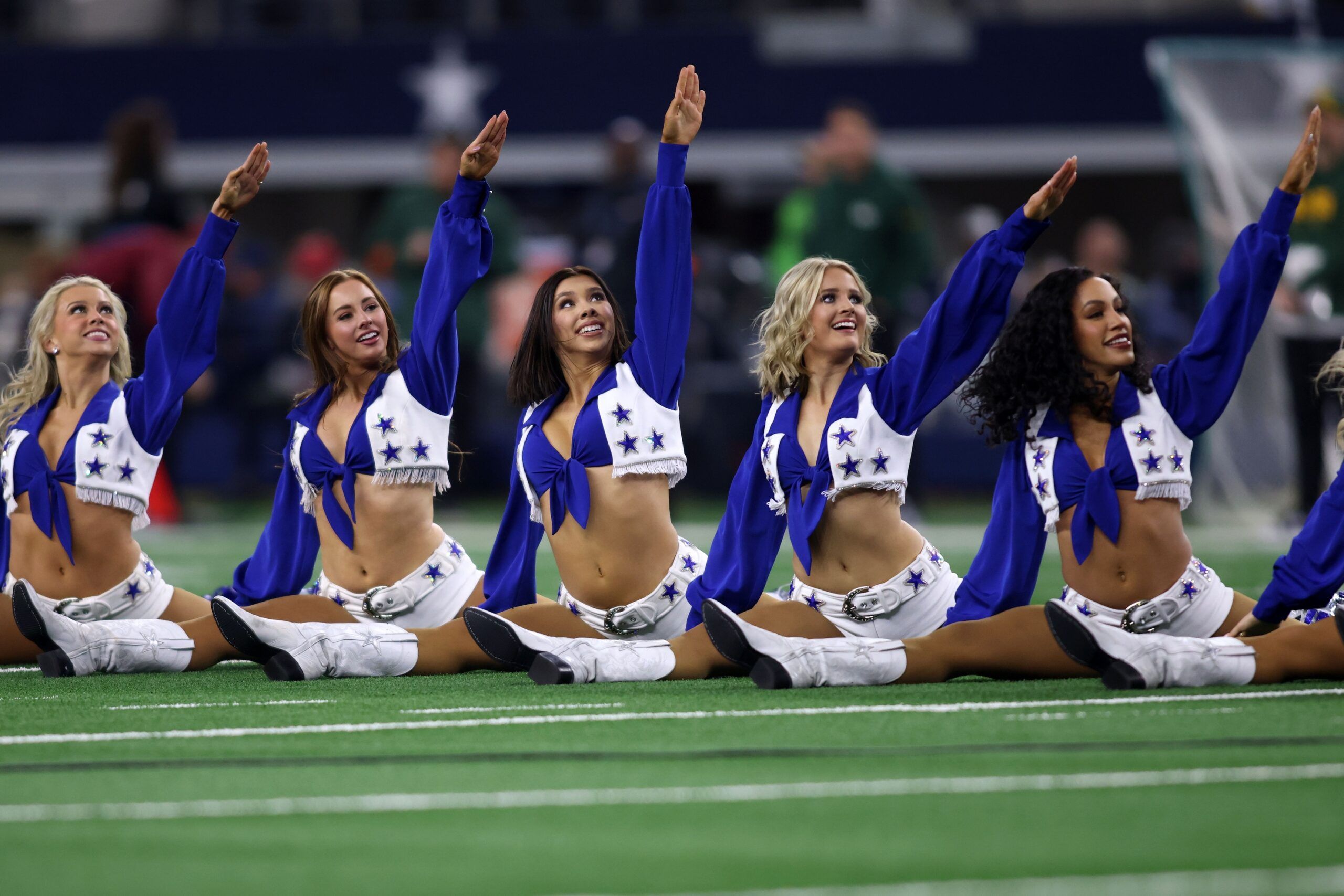
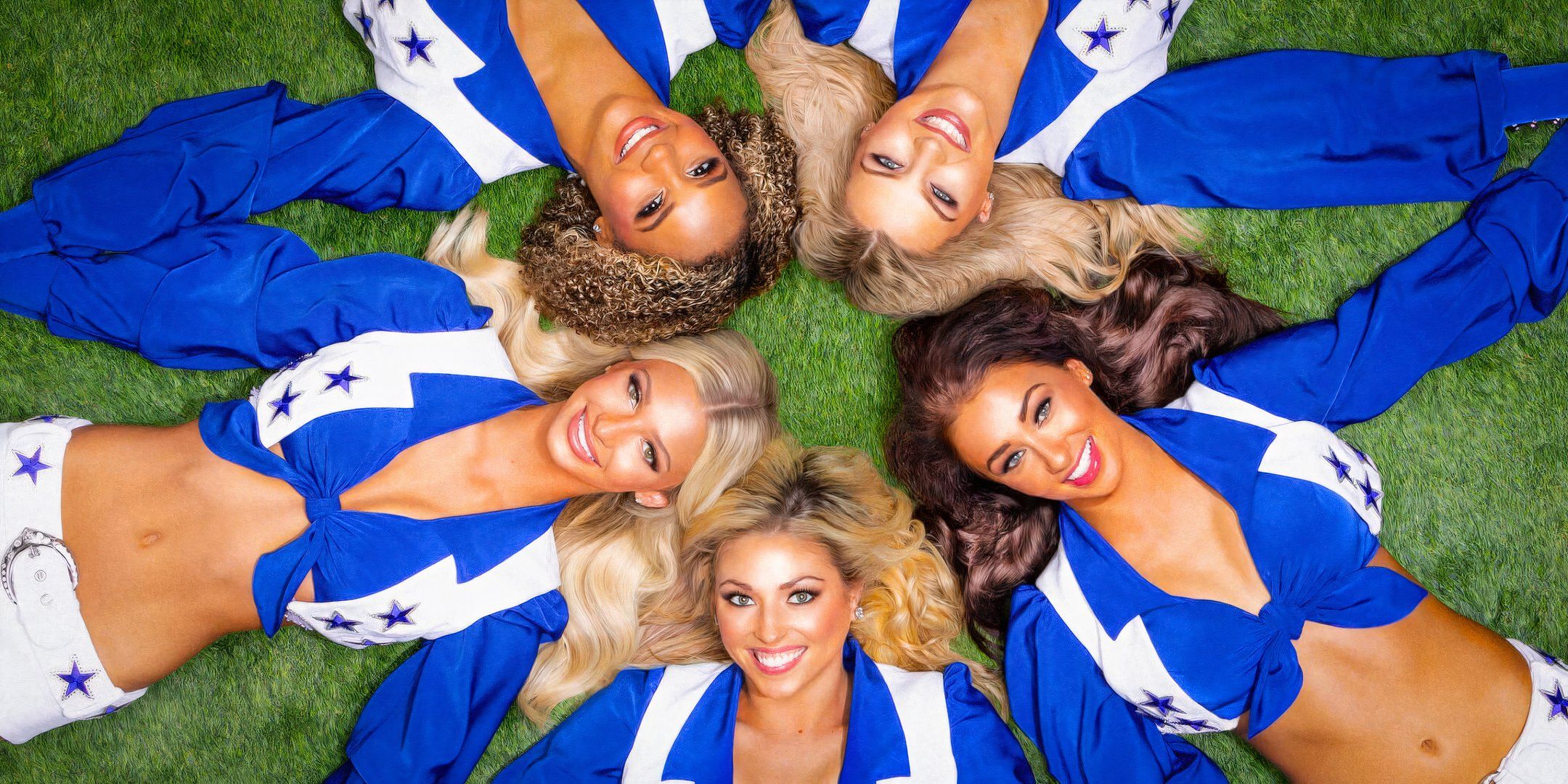
The uniform worn by the Dallas Cowboys Cheerleaders is more than just a costume; it is a meticulously protected intellectual property and a piece of Americana. Since its debut in the 1970s, the uniform has undergone subtle refinements, but the core design—the white vest, the blue star-studded fringe, and the iconic blue shorts—has remained essentially constant. This consistency is intentional, serving to ground the identity of the organization while transitioning between generations of dancers.
In 2026, the discussion around uniform updates often centers on the tension between tradition and the practical requirements of high-intensity performance. The uniform’s specific design elements—the 15 white stars, the royal blue fringe, and the hand-set Swarovski crystals—are subjected to rigorous quality control. When the organization introduces updates, they are typically evolutionary rather than revolutionary, focusing on garment durability and the comfort of the performers who navigate long days of rehearsals and multi-hour games at AT&T Stadium.
Evolution of Fabric and Performance Technology
Modern uniform updates in professional sports are driven heavily by textile engineering. As the athletic requirements for the Dallas Cowboys Cheerleaders have evolved to include more complex, acrobatic, and high-energy choreography, the physical construction of the uniform has had to keep pace.
Historically, uniforms were manufactured from materials that, while visually striking, often lacked the breathability and moisture-wicking properties required for the climate-controlled but physically demanding environment of an NFL stadium. Updates introduced in recent years focus on:
- Moisture Management: Utilizing synthetic blends that pull sweat away from the body to keep the fabric looking pristine during long durations on the field.
- Elasticity and Range of Motion: Adjusting the fit of the vest and shorts to accommodate high kicks and complex dance formations without restricting movement.
- Embellishment Durability: Transitioning to newer adhesive and stitching techniques to ensure the iconic stars and crystals remain secure despite the extreme vibrations and physical stress of professional dance.
The Standardization and Quality Control Process
The process of "unveiling" or updating a uniform for the Dallas Cowboys Cheerleaders is an internal, highly controlled operation. Unlike a traditional professional sports team that might rebrand its jerseys every few years, the DCC uniform is treated as a uniform of service. Each garment is custom-fitted to the individual cheerleader, a process that ensures the iconic silhouette is preserved across different body types.
This personalization is a critical component of the organization’s operational standard. Every piece—from the white boots, which are a hallmark of the ensemble, to the custom vests—is inspected for uniformity. When the organization announces a refresh or an update, it rarely signals a change to the brand logo or colors, but rather an upgrade in the construction methods or material sourcing that ensures the uniform holds its shape after repeated washings and intensive field use.
Comparison of Performance Uniform Requirements
To understand the technical requirements of the DCC uniform, it is helpful to contrast it with standard commercial dance apparel or general sports team spirit wear.
| Feature | Commercial Dance Apparel | Official DCC Uniform |
|---|---|---|
| Durability | Moderate; meant for periodic use | High; built for weekly high-intensity wear |
| Design | Seasonal/Trend-based | Fixed/Brand-consistent |
| Fitting | Sized (Small/Medium/Large) | Custom Tailored/Individual Fit |
| Embellishment | Printed/Sublimated | Hand-stitched/Individual crystal application |
| Climate Utility | Varies | Engineered for indoor/outdoor transition |
This comparison illustrates that the DCC uniform functions more like a military uniform or a high-end theatrical costume than standard athletic gear. The maintenance of these uniforms is an enterprise-level task, involving specialized dry cleaning and repair crews to ensure that every member of the squad looks identical regardless of the wear sustained during the season.
Managing the Public Image and Fan Expectations
The "unveiling" of any adjustment to the uniform is met with significant public scrutiny due to the massive, multi-generational fanbase of the Cowboys. The organization is acutely aware that any deviation from the classic look risks alienating long-term fans. Consequently, the strategy for updating the uniform is usually one of "invisible improvement."
When the organization updates a component—such as the material of the vest or the specific hue of the blue fringe—the goal is to improve the look under high-definition stadium lights or on television broadcasts without the general public noticing that a change has occurred. This balancing act of modernization and preservation is the hallmark of the organization’s management team. It ensures the brand remains relevant in an era of 8K streaming and social media scrutiny, where every detail of the performance is magnified.
Addressing Common Questions Regarding Uniform Updates
Do the Dallas Cowboys Cheerleaders buy their own uniforms?
No. The uniforms are the property of the organization. Each cheerleader is provided with their gear, and the organization maintains the professional standards for the care, maintenance, and replacement of these items throughout the NFL season.
How often does the uniform design change?
The design remains consistent for decades. Any updates are typically technical—improving fabric performance or updating the application of crystals—rather than cosmetic shifts to the color scheme or the iconic star layout.
Why are the white boots considered part of the uniform?
The white boots are an essential part of the DCC aesthetic. They serve both a functional purpose, providing ankle support for dancers, and a historical purpose, maintaining the visual link to the team's origins in the early 1970s.
Can fans purchase an official uniform?
While licensed merchandise and replicas are available for purchase by fans, the authentic, custom-fitted uniform worn by the squad members on the field is not available for commercial sale. This helps maintain the exclusivity and integrity of the "DCC" brand.
What is the most fragile part of the uniform?
The fringe and the hand-set Swarovski crystals are the most high-maintenance components. They require careful handling during dance rehearsals and are often repaired or replaced mid-season by professional costume technicians to ensure the squad looks uniform during every game.
Recommendation for Further Inquiry
If you are interested in the evolution of the Dallas Cowboys Cheerleaders' visual history, focus your research on the organization’s official archives or retrospective content found in their documentary series. These sources provide the most accurate look at how the uniform has survived the shifting trends of sports entertainment while remaining a constant symbol of professional cheerleading. To stay updated on any minor material changes, monitoring official club press releases during the pre-season is the most reliable method for gathering verified information, as speculative reporting often misidentifies standard maintenance as a major redesign.
Image Gallery