Understanding the Largest Life Insurance Policy Ever Sold
The largest life insurance policy ever publicly recorded was a $201 million contract issued to a billionaire in Silicon Valley in 2014. While insurers frequently underwrite high-net-worth policies, this transaction remains the gold sta...
The largest life insurance policy ever publicly recorded was a $201 million contract issued to a billionaire in Silicon Valley in 2014. While insurers frequently underwrite high-net-worth policies, this transaction remains the gold standard for jumbo coverage, designed primarily for estate tax liquidity, business succession planning, and the preservation of multi-generational wealth.
Contents
The Dynamics of Jumbo Life Insurance
In the world of ultra-high-net-worth (UHNW) individuals, life insurance is rarely purchased for the traditional reasons of debt repayment or income replacement for dependents. Instead, it serves as a sophisticated financial instrument used to solve complex liquidity problems. The largest policies are almost exclusively underwritten as permanent, cash-value-accumulating contracts—typically universal life or private placement life insurance (PPLI).
These policies function as a "war chest" for heirs. When an individual owns massive illiquid assets, such as private companies, extensive real estate holdings, or private equity stakes, the federal estate tax (which can reach 40% in the United States) can be devastating. Without sufficient liquidity, heirs might be forced into a "fire sale" of family assets to pay the IRS. A $200 million policy ensures that, regardless of market conditions or asset illiquidity, the estate has the cash required to cover tax obligations and preserve the integrity of the family’s wealth.
How Underwriters Handle Massive Exposure
Underwriting a policy of this magnitude—often referred to as "jumbo" or "super-jumbo" coverage—does not happen through a standard medical exam and a simple application. It is a collaborative, months-long endeavor involving a consortium of the world's most stable insurance carriers and reinsurance syndicates.
- Risk Pooling and Reinsurance: No single insurance carrier typically keeps the full risk of a $201 million policy on its own balance sheet. Instead, the lead carrier (the "writer") distributes the risk among several reinsurers. By spreading the risk, the primary insurer protects its own solvency while allowing the client to secure the massive face value they require.
- Medical and Financial Due Diligence: The financial underwriting for a policy of this size is significantly more intensive than the medical underwriting. Carriers require comprehensive audits of the individual's net worth, the source of their wealth, and their current tax structure. They must verify an "insurable interest," meaning the death of the insured must result in a demonstrable financial loss that justifies the coverage amount.
- The Role of the Premium Financing: Many policies of this size are purchased using premium financing. Rather than paying the massive annual premiums out of pocket, the policyholder borrows the funds from a private bank, using the policy’s cash value and other assets as collateral. This allows the client to keep their capital deployed in higher-yielding investments while securing the tax-shielding benefits of the life insurance policy.
Comparison of Large Insurance Structures
To understand why these policies reach such extremes, it is helpful to contrast them with standard coverage.
| Feature | Standard Term Life | Ultra-High-Net-Worth Jumbo Policy |
|---|---|---|
| Primary Objective | Income replacement | Estate tax liquidity |
| Duration | Fixed (10–30 years) | Permanent (Life of insured) |
| Premium Source | Disposable income | Premium financing or trusts |
| Underwriting | Automated or paramedical | Specialized actuarial/financial teams |
| Primary Beneficiary | Immediate family | Irrevocable Life Insurance Trust (ILIT) |
Legal and Regulatory Hurdles
A policy of this size must be structured within a legal framework that keeps the proceeds out of the insured’s taxable estate. If the insured person owns the policy directly, the $201 million payout would be considered part of their estate, potentially triggering the very tax burden the policy was intended to avoid.
To prevent this, these policies are almost always held within an Irrevocable Life Insurance Trust (ILIT). The trust is the legal owner of the policy and the beneficiary of the death benefit. Because the insured does not technically own the policy—and has relinquished "incidents of ownership"—the proceeds are generally shielded from federal estate taxes. Navigating these requirements requires close coordination between life insurance underwriters, tax attorneys, and wealth management firms to ensure the structure complies with IRS regulations.
Challenges in Scaling Coverage
Scaling insurance coverage into the hundreds of millions involves operational complexities that do not exist at the retail level. First is the Carrier Capacity Constraint. There is a finite amount of "risk capacity" available in the global insurance market. For an individual to secure $200 million or more, they must have a pristine medical record and a clean financial background. Any red flags—such as high-risk hobbies, travel to unstable regions, or questionable financial history—can significantly reduce the number of carriers willing to participate in the reinsurance syndicate.
Second is the Interest Rate Sensitivity. Permanent life insurance policies are heavily influenced by the interest rate environment. In periods of fluctuating economic conditions, the "cost of insurance" (COI) can shift. Sophisticated buyers often select policies with "no-lapse guarantees" or specific riders that lock in costs to ensure the policy does not lapse in later years, which would result in a catastrophic loss of capital.
Common Misconceptions
- "The policy pays out immediately." While this is true for most policies, at the $200 million level, insurers conduct rigorous investigations to ensure the death was not related to excluded activities.
- "Anyone can buy this amount if they pay the premium." Carriers have strict financial underwriting requirements. If the individual's net worth does not justify the coverage, insurers will decline the application regardless of the client’s ability to pay the premium.
- "It is a quick process." A policy of this scale often involves multiple layers of sign-offs, including internal medical directors and reinsurance panels. Expect a timeline measured in months, not weeks.
Frequently Asked Questions
1. Is a $201 million policy the absolute maximum ever issued? While the 2014 policy is the most widely documented record, it is widely believed that larger private placements exist within the private banking sector. Due to non-disclosure agreements and the private nature of UHNW financial planning, many of the largest policies remain undisclosed to the public.
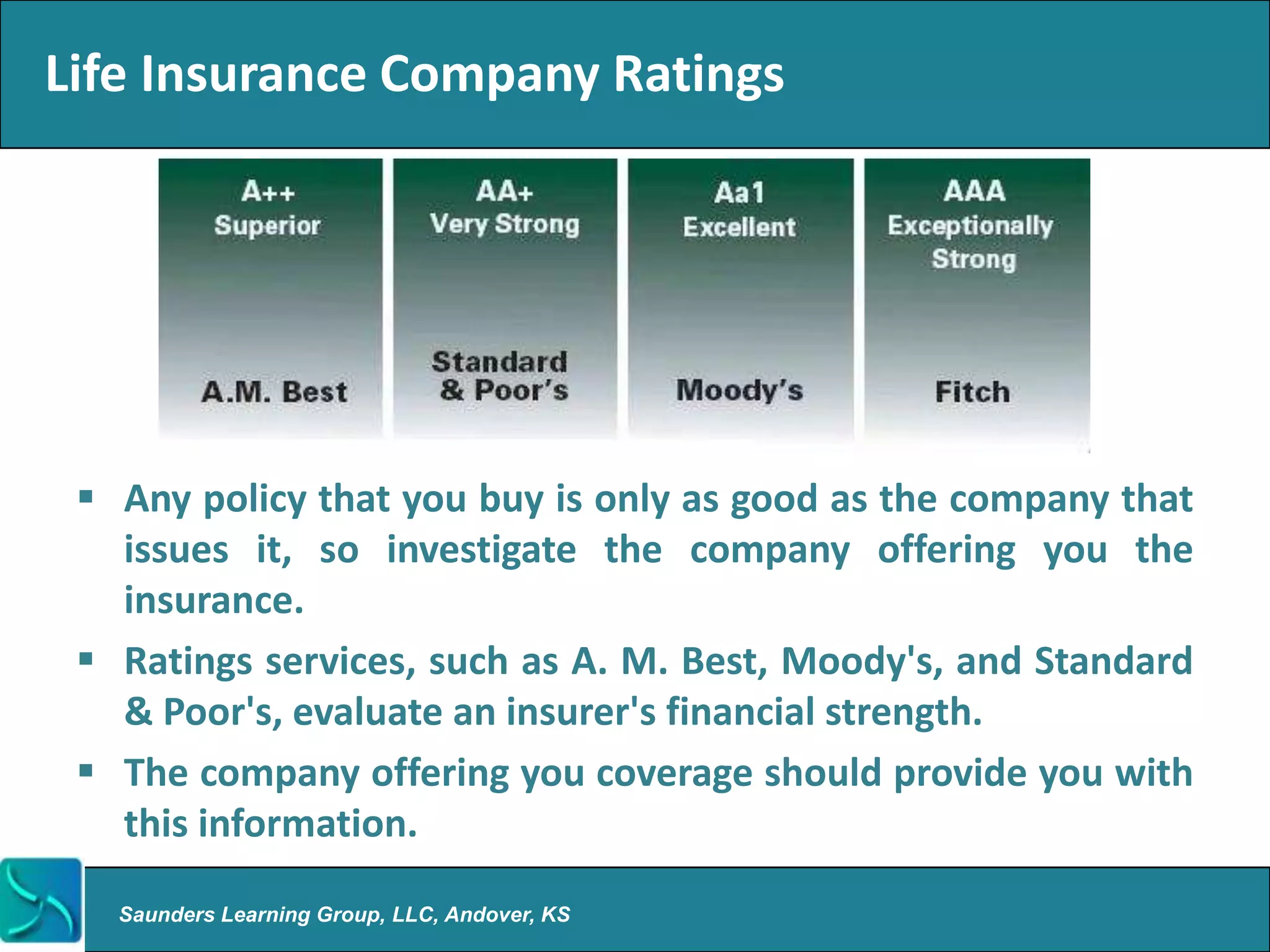
2. What happens if an insurance company goes bankrupt? For policies of this size, the risk is syndicated across multiple top-tier carriers. Furthermore, these companies are heavily regulated and maintain massive capital reserves. State guaranty associations provide a layer of protection, though they are usually capped at much lower amounts, making the choice of the primary "A-rated" carrier critical.
3. Why would a billionaire need life insurance? Beyond estate taxes, life insurance provides "liquidity on demand." During a downturn, a business owner might prefer to take a loan against their life insurance policy’s cash value rather than selling shares of their company at a depressed price to fund an acquisition or cover personal liabilities.
4. How are premiums calculated for such large policies? Premiums are determined by age, medical history, and the specific structure of the policy (e.g., universal life vs. variable universal life). For the largest policies, underwriters use specialized actuarial tables that account for the unique mortality profiles of the ultra-wealthy.
5. Can I use these strategies for a smaller estate? The core principles—using trusts to shield assets and using insurance for tax liquidity—can be scaled down. However, the costs of legal fees to set up an ILIT and the complexity of underwriting mean that such structures are generally reserved for estates exceeding the current federal exemption limits.
Next Steps for High-Net-Worth Planning
If your financial profile requires life insurance in the tens or hundreds of millions, you should not approach a traditional insurance broker. You need an independent insurance consultant who specializes in Private Client Services.
Begin by auditing your current estate plan with a tax attorney to determine your liquidity gap—the exact amount of cash your heirs would need to settle taxes and transfer assets without a forced liquidation. Once the liquidity gap is defined, consult with a life insurance advisor who has experience in syndicate underwriting. They will be able to perform a "pre-underwriting" check, which involves reviewing your medical and financial profile with multiple carriers anonymously before a formal application is filed. This ensures that you do not trigger a formal rejection that could follow you to other carriers.
Disclaimer: This information is for educational purposes only. Estate planning, tax strategies, and life insurance structures are subject to complex legal and regulatory requirements. Always consult with a qualified tax advisor, estate attorney, or financial professional before making decisions regarding high-value financial instruments.
Image Gallery